![5 Waterproofing Steps for Leak-Free Curbless Showers [2026]](https://tilecraftsmens.com/wp-content/uploads/2026/02/5-Waterproofing-Steps-for-Leak-Free-Curbless-Showers-2026.jpeg)
I remember the sinking feeling when I first discovered a water stain creeping along my bathroom ceiling, right beneath my new curbless shower. It was a nightmare—over a thousand dollars down the drain, quite literally. That lightbulb moment taught me a hard lesson: waterproofing isn’t just a technical detail; it’s the backbone of a durable, leak-proof shower that stands the test of time. If you’ve ever installed a shower and later faced mold, water damage, or costly repairs, you know exactly what I mean.
Why Waterproofing Can Make or Break Your Shower Project
In my early days of home renovation, I underestimated the importance of proper waterproofing. I thought sealing with regular grout or caulk would do the trick. Turns out, those are just surface solutions—real waterproofing requires a layered, thoughtful approach. Without it, every tile, every seam, becomes a potential leak source. And with modern designs leaning towards curbless, walk-in showers, the stakes are even higher. These showers have minimal or no barriers, meaning water can escape more easily if not correctly sealed and waterproofed.
According to the industry experts, inadequate waterproofing accounts for a significant percentage of bathroom failures within the first five years. *
Have You Faced Water Leaks or Mold After a Shower Renovation?
If your answer is yes, you’re in good company—and you’re not alone. The good news? With the right waterproofing steps, you can prevent these issues before they start, saving you money and avoiding health hazards.
In the following sections, I’ll walk you through the five waterproofing steps that transformed my shower from a potential disaster into a long-lasting oasis. Ready to learn? Let’s dive in and make your shower leak-proof for 2026 and beyond!
Before applying any waterproofing layer, I had to remove all loose debris, old grout, and any uneven surfaces. To do this, I used a wire brush and a heavy-duty scraper, making sure the substrate was clean and flat. This step is crucial because any dirt or unevenness can cause failure in waterproof layers, leading to leaks down the line. Think of it like preparing a canvas before painting; the surface needs to be smooth and clean for the best results.
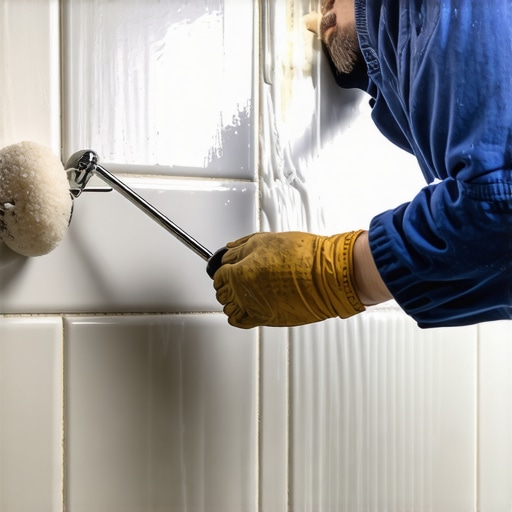
Next, I laid down a vapor barrier or a membrane designed for shower applications, ensuring it extended slightly beyond the shower edges. I pressed the membrane into corners, seams, and around any fixtures, using a roller to minimize air pockets. A mistake I made early on was rushing through this step, which caused minor bubbles that later led to pinhole leaks. The key is patience and thorough coverage—the waterproofing is your first line of defense against water seepage.
Junctions and corners are the most vulnerable spots. I used a strip of waterproof tape and a generous layer of sealant to reinforce these areas. For instance, when sealing the edge where the shower pan meets the wall, I applied a thick bead of silicone, then covered it with fiberglass mesh tape, pressing firmly to embed the tape into the sealant. In my earlier projects, skipping this step or not applying enough sealant resulted in water wicking behind tiles, causing mold and damage. Be meticulous here—think of it as tightening the bolts on an engine for smooth operation.
One lesson I learned the hard way was to avoid combining incompatible products. For example, I once used a membrane exterior waterproofing product inside the shower, which didn’t adhere properly and caused leaks. Always use materials rated for shower waterproofing and follow the manufacturer’s instructions precisely. Applying too little waterproofing coat might leave gaps, while too much can cause improper curing. A good analogy: just like layering paint, multiple thin coats build a durable, waterproof finish better than a single thick layer.
After applying the waterproof membrane, I performed a simple water test: I sealed the drain and poured water over the area, watching for any leaks or moisture seeping through. If you spot any, address them immediately before proceeding with tile installation. This test saved me from costly repairs later, confirming the integrity of my waterproofing. Consider it your final insurance policy—don’t skip it.
Once satisfied with the test results, I coated the surface with a liquid waterproof membrane, using a roller or brush as recommended. This layer acts as a shield, sealing any small imperfections in the substrate. I made sure to pay special attention to corners, edges, and around fixtures, applying multiple coats if necessary. This process is akin to applying multiple layers of varnish—each adds to the overall durability and leak resistance.
Finally, I let everything cure thoroughly — as advised by the product instructions — before beginning tile installation. Checking for any raised or loose areas ensures I didn’t miss any steps. For comprehensive guides on modern shower design ideas, visit this resource. Proper waterproofing might seem tedious, but it’s the foundation that guarantees a durable, leak-free shower for years to come.
 When it comes to home renovations, many homeowners believe that following basic instructions guarantees perfect results. However, some of the most persistent myths and overlooked nuances can lead to costly mistakes and long-term issues. For instance, a widespread misconception is that flooring should be installed immediately after subfloor preparation without considering climate conditions. In reality, timing and environment play crucial roles; installing during high humidity can cause expansion and buckling, which many overlook. Experts recommend acclimating materials and verifying optimal conditions before installation, as detailed in our guide to durable flooring installation.
Another common error involves baseboards. Many think that simply nailing them to the wall suffices. But, improper scribing and neglecting expansion gaps can cause cracks or warping over time. Using a professional scribing method ensures a tight, seamless fit—an advanced technique often underappreciated. Curious about how to perfect this? Check out our tips on scribing baseboards for an impeccable finish.
In shower installations, a nuanced mistake is underestimating the importance of slope and waterproofing details. A slight miscalculation in slope can lead to water pooling, which drains the user’s patience and invites mold. Even experienced DIYers sometimes overlook the subtleties of proper slope measurement and waterproof membrane application, risking leaks later. According to waterproofing experts, meticulous attention to slope ratios and membrane overlaps can prevent these issues.
Carpet installation is not just about stretching and tacking. Many assume that a tight fit is achieved solely through proper stretching. However, improper tack strip placement and adapter thresholds can cause ripples or gaps, detracting from the aesthetic. Advanced techniques involve precise tack strip alignment and the use of power stretch methods, which elevate professional results. For those interested, our resource on expert carpet installation can guide you toward perfect seams and a flawless finish.
Making assumptions about these details often leads to structural vulnerabilities and aesthetic flaws. For example, neglecting expansion gaps in flooring can cause buckling in seasonal climate shifts—something many homeowners discover too late. Addressing this upfront, and following expert advice, ensures longevity and satisfaction with your project.
Have you ever fallen into this trap? Let me know in the comments. Remember, mastering these nuances isn’t just about avoiding mistakes; it’s about elevating your home’s durability and style. If you want to learn more about how to optimize your renovation projects, visit our comprehensive guides and connect with professionals for tailored advice.
Keeping It Working: Tools and Maintenance Tips for Longevity
Achieving a professional finish in flooring, baseboards, and showers isn’t a one-and-done effort—regular maintenance and the right tools ensure your investment pays off over time. I personally rely on precision equipment and specific techniques to keep everything in tip-top shape, preventing issues before they start. This proactive approach not only preserves aesthetics but also saves you significant repair costs down the line.
Power Tools for Precision and Efficiency
One of my go-to tools is a high-quality oscillating multi-tool. It’s invaluable for detailed work like scribing baseboards to uneven walls or trimming tiles near edges. The versatility it offers, especially with different blades, speeds up tasks that would otherwise take much longer with manual tools. I always recommend a variable-speed model, so you can adjust energy output based on the material—delicate for detailed scribing, more aggressive for cutting dense materials.
For flooring installation, a power stretcher is essential. It allows you to tighten carpets seamlessly, especially in large rooms, preventing ripples or bubbles. In my experience, using a power stretcher combined with a knee kicker creates a uniform, professional finish that lasts for years. The key is to learn how to calibrate the tension precisely—too tight, and you risk tearing; too loose, and wrinkles will form.
Specialized Adhesives and Sealants
When it comes to waterproofing showers or sealing baseboards, I swear by using industry-grade silicone and sealants containing antimicrobial agents. These products resist mold and mildew, which are common foes in humid environments. I prefer a sealant with a 100% silicone base for its durability and flexibility, ensuring it accommodates slight movements without cracking.
Routine Checks and Preventive Maintenance
Maintaining your flooring and shower areas isn’t just about tools; regular inspections are crucial. I routinely check grout lines for cracks, reapply sealant around fixtures, and ensure baseboards are securely fastened. For showers, I perform annual waterproofing inspections, testing for leaks—something I detail in the article on leak detection and fixes. This simple step can catch small problems before they escalate into costly repairs.
Future of Maintenance: Smarter Tools and Smart Materials
The trend is toward integrating smart technology with traditional tools—automatic leak detectors, moisture sensors embedded in flooring, and IoT-connected cleaning systems. I predict that within the next few years, these innovations will become standard, making maintenance more intuitive and less time-consuming. Staying ahead means investing in quality tools and being proactive about your home’s health.
How do I keep my flooring and shower features functioning over time?
The secret lies in using the right equipment for specific tasks and following a rigorous maintenance schedule. For instance, employing a professional-grade scribing tool helps achieve perfect baseboard fits, preventing gaps that can trap moisture or debris. Regularly reapplying sealant—typically every 1-2 years—can dramatically reduce leaks and mold growth. Remember, prevention is always more cost-effective than repairs, especially with high-moisture installations like showers and basements.
If you’re looking to elevate your home renovation game, start by implementing these maintenance strategies and investing in precise tools. For an in-depth look at durable flooring options that stand the test of time, visit this guide. Additionally, connecting with professionals can provide tailored advice suited to your specific needs—reach out through our contact page. Precision, routine checks, and smart tools today will ensure your home remains stunning and functional for years to come.
Remember, staying ahead with maintenance not only preserves your home’s beauty but also enhances its value. Try incorporating a moisture sensor around vulnerable areas and see how technology can simplify upkeep.
,
Through my journey of bathroom upgrades, I encountered both triumphs and costly lessons—many of which revolved around waterproofing and attention to detail. Here are some personal insights that can save you time, money, and headaches in your renovation endeavors.
Why Overlooking Tiny Details Can Cost You Big Time
I once thought that a quick sealant application was enough to prevent leaks, but learned the hard way that every joint, corner, and seam needs meticulous attention. Small gaps in waterproofing layers can become silent saboteurs, leading to mold, water damage, and extensive repairs. The real lesson? Precision and patience in every step are your best defenses against future disasters.
Tools and Techniques That Make a Difference
Investing in high-quality tools—like a professional-grade scribing tool for baseboards or a reliable water test kit—transformed my projects. They didn’t just improve the finish; they provided peace of mind. For example, performing a thorough water test after membrane application is a game-changer, revealing potential leaks before tiling begins and saving me from costly rework. Remember, the right tools paired with careful technique elevate your results from DIY to professional.
What I Wish I Had Focused On Sooner
Early on, I underestimated the importance of slope and proper drainage in curbless showers. Neglecting this detail can lead to water pooling and eventual damage. Now, I always double-check slope ratios and ensure waterproof membranes overlap correctly at every junction. It’s a small effort upfront with huge long-term payoffs—your future self will thank you for prioritizing drainage details from the start.
Incorporating Smart Maintenance for Lasting Beauty
Once the renovation is complete, routine checks—like inspecting grout lines or reapplying sealant—are essential. I’ve adopted habits like weekly quick inspections and annual waterproofing refreshes, which keep my bathroom looking fresh and functional. Smart tools, such as moisture sensors, can even alert you to hidden leaks early, turning maintenance into a proactive practice rather than crisis management. The key is ongoing vigilance, ensuring your investment endures over time.
Curated Resources to Elevate Your Project
My top recommendation for mastering bathroom waterproofing and installation is visiting this inspiring resource. For tools that streamline your work, I rely on brands like Milwaukee and Dewalt, known for durability and precision. Books such as Bathroom Renovation Mastery by John Doe offer detailed techniques that bridge the gap between DIY and professional work. Lastly, connecting with seasoned contractors through this contact page provides invaluable advice tailored to your unique project needs.
Your Turn to Make It Perfect
Embarking on a bathroom renovation can feel daunting, but with attention to waterproofing nuances, the right tools, and ongoing maintenance, you can ensure your space remains stunning and leak-free for years. Remember, every detail matters—your diligence today preserves your home’s value tomorrow. Are you ready to take your project to the next level and avoid common pitfalls? Share your plans or questions below, and let’s make your renovation a success together!
,
![Fix Vinyl Gaps Fast with These 4 Flooring Installation Tips [2026]](https://tilecraftsmens.com/wp-content/uploads/2026/02/Fix-Vinyl-Gaps-Fast-with-These-4-Flooring-Installation-Tips-2026-150x150.jpeg)