
My Journey into Perfect Flooring: Lessons Learned Along the Way
When I first decided to upgrade my home’s flooring, I underestimated how much a good installation could impact the longevity and beauty of the space. I remember standing in my living room, surrounded by samples, feeling both excited and overwhelmed. Over the years, I’ve learned that the secret to truly lasting results isn’t just choosing the right material but also following some essential installation tips that ensure durability and style. Today, I want to share my personal insights on the top flooring installation tips for 2024, based on my firsthand experiences and research.
Choosing Quality Materials: The Foundation of Durability
Before diving into installation, I realized that selecting high-quality flooring materials is key. Whether it’s hardwood, vinyl, or laminate, investing in reputable brands and products with good reviews can make a big difference. I remember reading that proper material choice influences how well your flooring withstands daily wear and tear. For detailed guidance, I often refer to this comprehensive guide.
Preparing the Subfloor: Setting the Stage for Success
One thing I learned early on is that a flawless installation begins with a perfectly prepared subfloor. I once rushed this step, and it showed in the uneven surface and creaks. Now, I always ensure the subfloor is clean, level, and dry. This preparation not only helps in achieving a smooth finish but also extends the life of the flooring. It’s worth investing time here, as it pays off in the long run.
Mastering the Installation Technique: Precision Matters
When I first tried installing flooring myself, I quickly realized that attention to detail is crucial. From proper spacing around edges to correct nailing or gluing methods, each step influences the final look and durability. I recommend watching tutorials and perhaps consulting with professionals for tricky parts. For example, expert tips emphasize the importance of consistent spacing and securing.
Addressing the Question: How Do I Ensure My Flooring Lasts Over Time?
This is a common question I get from friends and readers. Honestly, regular maintenance and protective measures are vital. Using furniture pads, avoiding excessive moisture, and cleaning with recommended products help preserve your investment. Additionally, scheduled inspections and prompt repairs prevent small issues from becoming major problems. It’s like maintaining a car—routine care keeps everything running smoothly.
Final Thoughts and Your Next Steps
If you’re planning a flooring project in 2024, I encourage you to prioritize preparation, quality, and technique. Remember, great results come from patience and attention to detail. I invite you to share your experiences or ask questions in the comments below—let’s learn from each other! And if you’re interested in more expert advice, check out this resource for advanced tips on durable flooring installation.
Decoding the Nuances of Flooring Longevity: What Do Experts Know?
Ever wondered why some floors stand the test of time while others falter after a few years? From my experience and extensive research, I’ve found that the secret lies in understanding the intricate details of installation and maintenance. While choosing the right material is fundamental, mastering the art of proper installation techniques ensures your investment lasts for decades. For example, paying attention to subfloor preparation can drastically reduce future issues like squeaks or uneven surfaces. For a comprehensive approach, check out this expert guide.
How Critical Is Subfloor Preparation in Achieving Perfect Results?
Think of the subfloor as the foundation of a house; neglect it, and everything above suffers. Properly prepping the subfloor involves ensuring it is clean, level, and dry—an often underestimated step that can make or break your project. I’ve seen many DIYers overlook minor imperfections, only to face costly repairs later. Using a laser level and moisture meter can save you headaches, especially when working with materials like vinyl or engineered hardwood. For those aiming for flawless results, detailed subfloor prep is non-negotiable. Learn more about effective strategies at this resource.
What Are the Best Techniques for Seamless Flooring Installation?
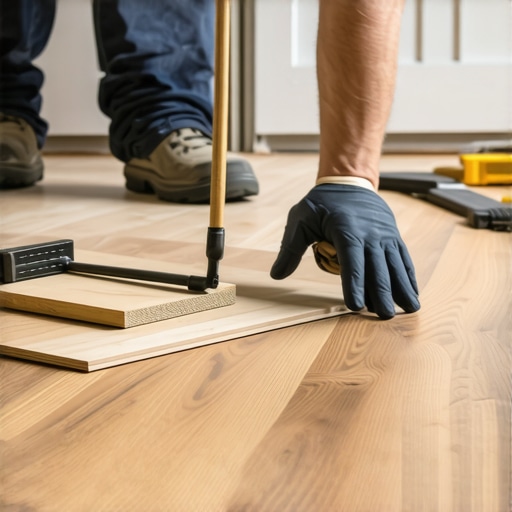
Precision during installation cannot be overstated. Whether you’re nailing, gluing, or floating your floors, consistency is key. I recommend using spacers to maintain even gaps and double-checking measurements at every step. Watching professional tutorials or consulting seasoned installers can provide invaluable insights. For example, expert tips highlight the importance of staggered seams to enhance both strength and aesthetics. Remember, patience and meticulousness today will pay off in long-term durability. For more detailed techniques, explore this article.
Could mastering the subtleties of flooring installation significantly extend the lifespan of your floors?
Absolutely. Small details like proper acclimation of materials before installation, correct expansion gaps, and careful handling can prevent common issues such as buckling or cracking. Regular maintenance, including gentle cleaning and protective measures like furniture pads, further enhances longevity. Just as a well-maintained car performs better for years, a meticulously installed and cared-for floor remains stunning and functional longer. For expert maintenance tips, visit this guide.
What Are Emerging Trends in Flooring and How Do They Impact Installation?
In 2024, trend analysis reveals a shift toward sustainable, eco-friendly materials and innovative installation methods. For instance, click-lock systems are gaining popularity for their ease of installation and minimal subfloor prep. Additionally, textured finishes and wide planks are becoming fashionable, demanding greater precision during laying to achieve aesthetic consistency. Staying updated with these trends ensures your project aligns with current standards, enhancing both style and durability. To explore upcoming trends, visit this resource.
Reflections on Elevating Your Home’s Flooring: Beyond Basic Tips
Over the years, I’ve discovered that truly mastering flooring installation involves more than just following step-by-step guides. It’s about developing an intuitive understanding of materials, environment, and subtle techniques that can make or break your project. For instance, I’ve learned that acclimating flooring materials to your home’s climate before installation can prevent future issues like warping or buckling. This often overlooked step requires patience but pays dividends in longevity and appearance. I remember a project where neglecting this caused noticeable gaps after a few months, teaching me the importance of preparation beyond the obvious.
Understanding Material Nuances: Why Not All Flooring Is Created Equal
Each flooring material has its unique quirks. Hardwood reacts differently to humidity than vinyl or laminate. My personal experience showed me that choosing the right underlayment tailored to your material can significantly improve installation quality and durability. For instance, using a moisture barrier under engineered hardwood in basements can prevent long-term damage. This knowledge stems from a deep dive into manufacturer recommendations and expert opinions, such as those found in this comprehensive guide. It’s a reminder that understanding subtle material behaviors enhances your ability to install flawlessly.
Advanced Subfloor Preparation: The Art of Precision
While many DIYers focus on the visible surface, I’ve come to realize that subfloor preparation is an art form in itself. Achieving a perfectly level surface often involves using laser levels, moisture meters, and even grinding down high spots. I once underestimated the importance of this step, leading to squeaks and uneven seams. Since then, I’ve invested in quality tools and learned to be meticulous. This process might seem tedious, but it’s the foundation for any successful flooring project. Check out this expert advice for detailed techniques on subfloor prep and how it can dramatically improve your results.
Refining Installation Techniques: Small Details, Big Impact
Precision in installation is often about the small details—correct spacing, staggered seams, and secure fastening. I’ve found that investing in quality tools like spacers and measuring tapes pays off. Watching professional installers and practicing patience during tricky sections helps me avoid common pitfalls like uneven gaps or misaligned seams. For example, staggered seams not only boost strength but also create a more natural look. This level of detail can be the difference between a good-looking floor and a stunning one. For advanced tips, I recommend exploring this insightful article.
Addressing Longevity: How Do I Ensure My Flooring Lasts Decades?
From my perspective, longevity hinges on ongoing maintenance and mindful usage. Using furniture pads, avoiding excessive moisture, and regular cleaning preserve the surface. Additionally, periodic inspections can catch minor issues early—preventing costly repairs later. I view maintenance as an extension of installation; a well-installed floor still needs care to reach its full lifespan. Regularly checking for signs of wear or damage and addressing them promptly keeps the flooring looking fresh and functional. For expert maintenance strategies, I often revisit this resource.”
Jumping Into Trends: How Do Emerging Styles Affect Installation?
In 2024, trends like wide-plank designs, textured finishes, and sustainable materials are reshaping how we approach installation. These styles often demand greater precision, especially with wider planks that can reveal subtle imperfections. For example, aligning wide planks perfectly requires patience and an eye for consistency. Modern click-lock systems simplify installation, but understanding their mechanics ensures a seamless result. Staying updated with these trends helps us adapt techniques accordingly. For insights into the latest styles and their installation nuances, check out this guide.”
Remember, every flooring project is a personal journey—one that combines technical skill, creative vision, and patience. If you’ve experienced challenges or breakthroughs, I’d love to hear your stories. Sharing our experiences helps us all grow as DIY enthusiasts and professionals alike. Feel free to comment below or explore more expert tips at this contact page.
Fine-Tuning the Art of Flooring: A Deep Dive into Precision and Material Nuances
Having traversed the spectrum of flooring projects—from DIY endeavors to professional-grade installations—I’ve come to appreciate that true mastery resides in understanding the subtle interplay between material properties and meticulous craftsmanship. For instance, engineered hardwood’s sensitivity to humidity necessitates not just proper acclimation but also strategic installation techniques that accommodate expansion and contraction, as emphasized by industry leaders like this authoritative guide. Such insights underscore that every material demands tailored approaches, transforming a standard installation into an art form that guarantees durability and aesthetic integrity.
The Role of Subfloor Excellence in Elevating Flooring Longevity
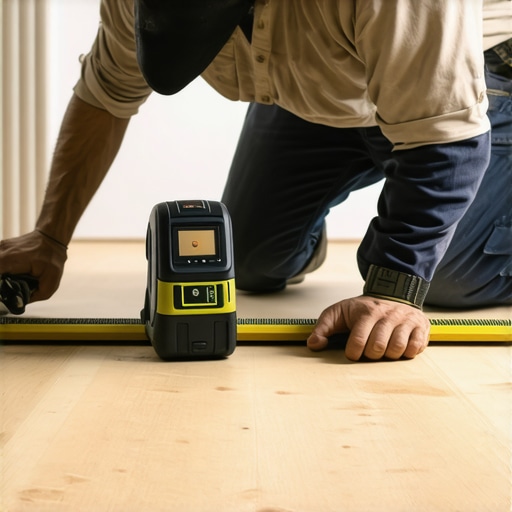
Subfloor preparation remains the unsung hero in the quest for flawless results. Beyond basic leveling, integrating advanced tools such as laser levels and moisture meters can identify subtle imperfections that compromise long-term stability. I vividly recall a project where neglecting high spots led to squeaks and uneven seams within months—an experience that propelled me to adopt rigorous subfloor assessment protocols. Achieving a perfectly flat, dry, and clean foundation is crucial; it’s the bedrock upon which all subsequent layers depend. For comprehensive strategies, I recommend exploring expert advice on subfloor prep.
Innovative Techniques for Seamless and Aesthetic Flooring
Consistency during installation is more than precision—it’s about understanding the mechanics of each method. Floating floors, for example, require not only accurate spacing but also a grasp of expansion gaps that accommodate environmental changes. I’ve found that staggered seams are vital, not just for strength but also for a natural visual flow. Using quality spacers and double-checking measurements at every juncture can prevent misalignments that mar the final appearance. Watching seasoned professionals and practicing patience, especially with wide planks or textured finishes, has significantly elevated my results. To deepen your technique repertoire, delve into this detailed resource.
How Can Advanced Material Handling and Environmental Controls Extend Your Floors’ Lifespan?
Proper handling of materials—such as acclimating them in the environment where they’ll be installed—is critical. This step, often overlooked, prevents issues like warping or gaps that compromise both appearance and structural integrity. Maintaining optimal humidity levels during and after installation, alongside protective measures like furniture pads and climate control, can vastly extend your floors’ lifespan. This is particularly true for sensitive materials like cork or certain hardwoods, which respond dynamically to environmental shifts. For an in-depth understanding, I recommend reviewing this authoritative guide.
Emerging Trends: How New Styles and Eco-Friendly Materials Reshape Installation Strategies
The 2024 landscape is marked by a surge in sustainable materials and innovative fastening systems. Click-lock systems, for instance, simplify installation while minimizing subfloor modifications. Wide planks and textured finishes require precise alignment to avoid visual disruptions, demanding a higher level of craftsmanship. Staying abreast of these trends enables you not only to align your projects with contemporary aesthetics but also to employ techniques optimized for durability. For insights into upcoming styles and their technical requirements, explore this comprehensive overview.
Deepening Mastery: From Technical Precision to Artistic Expression
Achieving a truly refined floor involves blending technical expertise with an artistic eye. Incorporating subtle nuances like beveling edges or selecting matching grout colors enhances visual harmony. Moreover, understanding the intricate behaviors of different materials under variable conditions enables preemptive adjustments—such as choosing appropriate expansion gaps or underlayment types—that safeguard your investment. My journey has shown that continuous learning, including consulting authoritative resources and engaging with industry forums, significantly elevates craftsmanship. If you’re eager to refine your skills further, I encourage you to explore this expert guide.
Things I Wish I Knew Earlier (or You Might Find Surprising)
The Power of Subfloor Preparation
One of the most overlooked aspects of flooring installation is the importance of a perfectly prepared subfloor. I used to think that laying down the material was the hardest part, but I quickly learned that skipping proper subfloor prep can lead to squeaks, uneven surfaces, and premature damage. Using a laser level and moisture meter can make a world of difference, ensuring your foundation is solid and dry.
The Subtle Art of Acclimating Materials
Before installing, I discovered that allowing flooring materials to acclimate in your home’s environment is crucial. I once rushed this step and ended up with gaps and warping months later. It’s a simple step that saves you from costly fixes down the line—trust me, patience here is a virtue.
Mastering Seam Techniques for Durability and Beauty
Seam alignment and staggering are more than just aesthetic choices; they impact the floor’s strength and lifespan. I’ve seen floors with poorly staggered seams develop cracks or creases quickly. Taking the time to stagger seams properly and double-check measurements ensures a seamless look and long-lasting performance.
Regular Maintenance as a Longevity Strategy
Even after a flawless installation, ongoing care is essential. Using furniture pads, avoiding excessive moisture, and routine cleaning can dramatically extend your floor’s life. Think of it as caring for a beloved car—small daily efforts keep it running beautifully for years.
Staying Updated with Trends and Technologies
In 2024, new installation methods and eco-friendly materials are changing the game. Click-lock systems and textured finishes not only look great but also require a different approach to installation. Keeping up with these trends helps you adapt your techniques for better results and style.
Resources I’ve Come to Trust Over Time
- Tile Craftsmens Guide to Durable Flooring Installation: This comprehensive resource helped me understand the nuances of subfloor prep and material handling. It’s a must-read for anyone serious about quality.
- Industry Expert Tutorials on YouTube: Watching professional installers in action gave me practical tips on seam alignment and proper fastening techniques. It’s like having a personal coach.
- Manufacturer Guidelines: Always refer to the specific instructions for your flooring material. I’ve found that following these closely results in fewer issues and better aesthetics.
Parting Thoughts from My Perspective
Reflecting on my flooring journey, I realize that patience, attention to detail, and continuous learning are key ingredients for success. Proper installation isn’t just about laying materials; it’s about creating a durable, beautiful foundation that lasts for decades. If this resonates with you, I’d love to hear your own experiences or questions. Feel free to share your story or reach out for more tips. Remember, a well-installed floor is more than just a surface—it’s the backbone of your home’s style and comfort.


7 thoughts on “Top Flooring Installation Tips for Lasting Results in 2024”
Emily Parker
November 13, 2025 at 7:00 pmReading through this post truly highlights the importance of meticulous preparation and attention to detail in flooring installation. I totally agree that choosing quality materials and proper subfloor prep can make or break the longevity of the entire project. Personally, I’ve learned the hard way that rushing these initial steps often results in squeaks or uneven surfaces down the line. One technique that worked wonders for me was investing in a good moisture meter and laser level to ensure the subfloor was perfectly dry and level before starting. It’s a small investment of time that pays off massively in the finished look and durability. I’m curious, for those who have tackled large flooring projects, what are your favorite tools or methods for maintaining precision throughout the process? Your insights could really help others avoid common pitfalls and elevate their craftsmanship.
James Robert
November 14, 2025 at 3:51 amThis post really resonates with me, especially the emphasis on subfloor preparation and choosing quality materials. I’ve been involved in several DIY flooring projects, and I can confirm that foundational steps like making sure the subfloor is perfectly flat and dry cannot be overstated. I recall one time rushing through this stage, and within months, I started noticing squeaks and uneven surfaces, which was frustrating. Now, I always use a high-quality moisture meter and a laser level to double-check before laying down any flooring, and it makes all the difference. One challenge I face is managing expansion gaps, particularly with wider planks, because environmental factors can shift the material over time. I’ve found that leaving a consistent expansion gap and acclimating the flooring to the room’s climate beforehand helps prevent issues like warping or gaps. Do others have specific techniques or tools they swear by for controlling these expansion effects? Would love to hear your advice so I can improve my approach further.
Sophia Johnson
November 17, 2025 at 7:20 amReading this post really resonates with me, especially considering how critical proper subfloor preparation is for the longevity of flooring. I’ve experienced firsthand how skipping detailed steps like moisture testing and ensuring the subfloor is perfectly level can lead to issues down the line. I recently used a combination of a laser level and a moisture meter, which helped me identify minor high spots and moisture pockets that I wouldn’t have noticed otherwise. It made the entire installation much smoother and more durable. Moreover, I’ve started to incorporate climate-controlled storage and acclimation periods for wood flooring, which seems to dramatically reduce expansion or contraction problems later. I wonder, for those with wider planks or engineered hardwood, what strategies do you find most effective for managing expansion and contraction over seasons? Any specific tools or tips that have worked well for you? Sharing our experiences can really help everyone achieve their ideal finished look that lasts for decades.
Michael Evans
December 13, 2025 at 10:40 amThis post really hits home for me. I’ve tackled a few DIY flooring projects, and I’ve found that nothing beats patience and thorough preparation. One challenge I consistently run into is managing humidity levels, especially with hardwood that tends to expand and contract. I’ve started using a combination of humidity gauges and climate controls during installation, which has significantly improved results. Also, I’ve noticed that the quality of underlayment can make a big difference in minimizing squeaks and ensuring a smooth surface over time. I’m curious, what are some of your favorite techniques or tools for handling these environmental factors? Also, have you found that specific brands of materials perform better in your climate? It’s fascinating how small adjustments can greatly extend the lifespan of your flooring. It seems investing in the right tools and taking your time with acclimation really pays off in the end.
Lily Anderson
December 15, 2025 at 6:50 amReading through this post really made me reflect on how crucial proper subfloor preparation is for long-term flooring performance. I once underestimated the importance of moisture testing and didn’t use a laser level, which led to squeaks and uneven surfaces within a year. Now, I always take the time to thoroughly assess and prepare the subfloor, especially in basements where moisture can be tricky. I’ve found that using a combination of moisture meters and moisture barriers under flooring helps prevent issues, especially with engineered hardwood. I’m curious, for those who work with wider planks or complex layouts, what additional steps or tools do you recommend to ensure a seamless, durable finish? Sharing these tips can really help us all improve and enjoy our projects for decades to come.
Benjamin Carter
February 9, 2026 at 12:00 amI really appreciate this detailed share of your flooring journey. Proper subfloor prep indeed seems like the backbone of a durable and long-lasting floor. I’ve learned from my own experiences that even minor misjudgments here can lead to squeaks, unevenness, or worse, early needing of repairs. One thing I’ve found helpful is using a combination of a moisture meter and a high-quality self-leveling compound when dealing with uneven subfloors. Have you tried adding any specific underlayment techniques, especially when working with wide planks or textured surfaces? I’ve noticed that a well-chosen, moisture-resistant underlayment can add an extra layer of protection and stability, especially in environments with fluctuating humidity. Also, what are your thoughts on the best way to ensure that climate acclimation periods are correctly followed to prevent future issues? Sharing these practical insights really helps the hobbyist and pro alike to elevate their craftsmanship. Thanks for opening up this conversation!
Benjamin Harris
March 4, 2026 at 11:20 pmI’ve found that one of the most critical yet often overlooked steps is actually acclimating the flooring materials in the room where they will be installed. I once ignored this for a quick project, only to see warping and gaps develop within a few months. Using a humidistat and allowing hardwood to sit in the environment for at least a week really makes a difference. Also, I swear by a moisture barrier underneath engineered hardwood in basements or high-humidity areas—it prevents long-term issues like cupping or swelling. To further enhance longevity, I always double-check the subfloor’s flatness with a laser level and make necessary repairs before laying the flooring. Has anyone tried using rapid-drying sealants or specific underlayment brands that have worked well in challenging environments? I believe that meticulous preparation, especially with environmental controls, is the key to floors that last for decades without squeaks or warping.