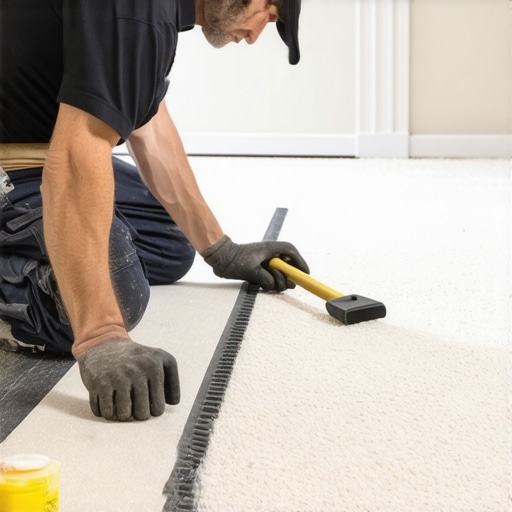
Ever spent hours on a home project, only to step back and realize that the edges are uneven, the seams are visible, and it just doesn’t look professional? I’ve been there. That lightbulb moment hit me during my first major carpet and baseboard project—when I realized I’d rushed through the details, and it showed. It was frustrating, but it also sparked my quest for genuine expert secrets that make all the difference.
Why Getting It Right Matters More Than You Think
When I finally took the time to learn the real techniques behind expert installation, I saw how much a flawless finish elevates a home’s look. It’s not just about aesthetics; proper installation affects durability, safety, and the overall value of your space. Plus, a professional-looking job boosts your confidence and pride in your home improvement skills. If you’ve ever felt overwhelmed by the thought of achieving that perfect, seamless look, don’t worry. Today, I’ll share the insider tips and strategies that I’ve gathered to help you elevate your work to a professional level.
Have You Faced This Problem Before?
If you’ve ever struggled with uneven seams, visible gaps, or crooked edges when installing carpet or baseboards, you’re not alone. Early on, I made the mistake of rushing the corners and ignoring the importance of precise measurement. That mistake cost me time, materials, and my patience. But I learned that with the right approach, those errors are easily avoidable. Want to discover how to get it right the first time? Keep reading, and I’ll take you through the essential steps for a flawless finish. For more on how to choose the best materials, check out this guide.
Setting the Stage for Success
Before you start, understanding the materials, tools, and techniques is key. A little preparation can save you hours of frustration later. I’ve found that investing in quality tools—like a sharp utility knife, a straight edge, and a good adhesive—makes all the difference. Also, measuring twice and cutting once is more than a cliché; it’s the cornerstone of a perfect finish. And don’t forget to familiarize yourself with current trends, like 2025 baseboard styles, which can add that extra touch of style and sophistication to your project.
In the sections to follow, I’ll walk you through step-by-step techniques that I’ve tested and refined. From preparing your surfaces to making those tricky cuts and finishing touches, you’ll learn how to avoid common pitfalls and achieve results that look as if a pro did them. Ready to transform your space with expert-level carpet and baseboard installation? Let’s dive in and make it happen!
,
Prepare Your Workspace Like a Pro
Start with a clean, dry surface, free of dust and debris. I once rushed into installing new baseboards over a dusty floor, which caused gaps and uneven adhesion. To avoid this, sweep thoroughly and consider wiping the area with a damp cloth for better adhesion. Measure your space carefully using a quality tape measure, and double-check your measurements before making any cuts. This simple step saved me hours of rework on my last project, ensuring the baseboards fit perfectly without gaps.
Cut with Precision and Confidence
Using a sharp utility knife or a miter saw, make accurate cuts at the correct angles—typically 45 degrees for corners. I recall trying to cut a miter joint freehand, which resulted in a sloppy fit. To improve, I clamped the trim securely and used a miter saw with a fine blade. Always measure twice, mark once, and test fit before applying adhesive or nails. This meticulous approach guarantees seamless corners and professional-looking joints.
Install the Baseboards Carefully
Apply a high-quality construction adhesive to the back of the baseboard, then press firmly into place. Use a level to ensure they’re straight, especially over longer runs. I once ignored the level and ended up with a crooked line that took hours to correct. To prevent this, I set up a chalk line as a guide, which made the installation straightforward. Secure the baseboards with finish nails, being careful to countersink them slightly. Fill any nail holes with wood filler or caulk for a smooth finish.
Seal and Finish for a Lasting Look
Once installed, caulk the gaps between the baseboards and the wall to create a seamless appearance. I recommend using paintable caulk and smoothing it with a damp finger or a caulk finishing tool. After caulking, paint or stain the baseboards to match your decor. I once painted too quickly and missed some corners, which looked unprofessional. Take your time, and use painter’s tape for clean edges. This final step elevates your work to a professional level and ensures durability.
Pay Attention to Detail in Corners and Edges
Corners are the trickiest part. Mitered joints should fit tightly without gaps. If they don’t, gently sand or re-cut the pieces. For edges, ensure your cuts are flush and clean. I once used a dull blade, which left jagged edges that distracted from the overall look. Using sharp tools and taking your time ensures a crisp, clean finish. For more inspiration on how to update your space with stylish details, check this guide.
Maintain Consistency Across the Room
Align your baseboards and carpets for a unified look. When I replaced the baseboards in my living room, I made sure to match the height and style to the existing flooring and decor. Consistent height and style make a space feel harmonious. Use spacers or shims if necessary to get the perfect fit, especially when dealing with uneven walls or floors. Remember, patience and attention to detail make all the difference in achieving a professional finish.
By following these core techniques, your carpet and baseboards will look polished and durable, elevating your entire space. For more tips on flooring installation, visit this resource.
Many DIY enthusiasts and even some seasoned homeowners fall into misconceptions that can sabotage their project results. Let’s dig deeper into what most people get wrong about installing carpet and baseboards, and why these myths can lead to costly mistakes. By understanding these nuances, you can avoid the common pitfalls and achieve that professional finish you’re aiming for.
Myth: All adhesives are created equal and any glue will do
While it might seem tempting to grab the first adhesive available, not all glues are suitable for every application. The misconception here is that generic adhesives will provide the same durability and ease of installation. In reality, using the wrong type of adhesive can lead to squeaky floors, loose baseboards, or even damage over time. The expert secret is to choose a high-quality, purpose-built adhesive designed specifically for your materials. For example, flooring adhesives are formulated to handle the flex and weight of carpets, ensuring long-lasting results. Don’t cut corners—your home’s foundation deserves the best products. For more detailed guidance, check out this resource.
Common trap: Ignoring the importance of precise measurements
Many believe that eyeballing measurements is sufficient, but this is a surefire way to end up with gaps, uneven seams, or misaligned corners. The nuance that most overlook is the need for double-checking measurements, especially in tricky spaces. Advanced installers use tools like a carpenter’s square, a level, and even laser measuring tapes for pinpoint accuracy. This extra effort prevents costly rework and ensures your seams are tight and corners fit perfectly. Remember, a small mistake at the measurement stage multiplies into bigger problems later. Want to master this skill? Visit this guide for expert tips.
How does understanding the physics of expansion and contraction improve installation?
This question addresses advanced concerns that many overlook. Materials like wood and vinyl expand and contract with temperature and humidity changes. Ignoring this can cause warping, cracking, or gaps over time. Experts recommend leaving small gaps or using flexible adhesives to accommodate movement. Incorporating this knowledge into your planning results in a durable, professional-looking finish that stands the test of time. For a deeper dive, explore this article.
Have you ever fallen into this trap? Let me know in the comments. Avoiding these misconceptions and understanding the nuances will elevate your home improvement projects from amateurish to professional quality. Remember, a little extra knowledge and attention to detail go a long way in creating a space that truly looks polished and lasts for years.
Maintaining the quality of your carpet and baseboard installations over time requires more than just initial precision; it demands the right tools and consistent upkeep. Having invested in the best equipment and learning effective maintenance routines, I can confidently say that your project’s longevity and appearance depend heavily on these practices. In this article, I’ll share my go-to tools, maintenance strategies, and insights into future trends that will help keep your installations looking pristine for years.
Invest in Quality Tools for Long-Term Success
Using professional-grade tools makes a significant difference in both the installation process and ongoing maintenance. For cutting baseboards, I rely on a calibrated miter saw with a fine-tooth blade. It ensures precise, clean cuts, reducing gaps and mismatched corners, which are common pitfalls in DIY projects. When measuring, I prefer a laser distance meter over traditional tape measures because it provides instant, highly accurate readings—especially useful in awkward or long spaces where tape can be cumbersome.
For securing baseboards and carpets, I recommend a pneumatic nail gun. It speeds up the installation and results in cleaner, more consistent nailing, reducing the risk of splitting wood or damaging delicate materials. Additionally, a high-quality adhesive like PL Premium ensures long-lasting bonding, especially in areas prone to humidity or temperature fluctuations. Regularly checking and maintaining these tools—cleaning, sharpening blades, and calibrating the laser—ensures they perform optimally and extend their lifespan.
Develop a Routine for Ongoing Maintenance
Once your installation is complete, routine maintenance is key. For baseboards, I advise periodically inspecting for cracks or gaps that may develop due to house settling or humidity changes. Applying a fresh coat of paint or stain every few years not only refreshes their appearance but also protects the material from moisture and wear. In high-traffic areas, I recommend re-caulking gaps to prevent drafts and pests, which can cause damage over time.
Carpets require regular vacuuming with a high-quality HEPA filter vacuum to remove dirt and allergens. Scheduling deep cleaning sessions—either professionally or with a steam cleaner—every 12-18 months will preserve their appearance and extend their life. For areas prone to staining, applying protective sprays can help prevent permanent damage. Remember, timely repairs of loose seams or worn patches preserve the overall look and value of your space.
What’s Next for Maintenance and Scaling
Looking ahead, automation and smarter tools are shaping the future of home maintenance. Smart sensors embedded in baseboards can monitor humidity and temperature, alerting you to potential issues before they escalate. Similarly, laser-guided tools are becoming more affordable and user-friendly, making precision even easier for DIY enthusiasts. Embracing these advancements now can save you time and money in the long run.
If you’re serious about keeping your home projects in top shape, I recommend trying out a digital laser measurement device combined with a maintenance schedule that fits your lifestyle. These investments will pay off by ensuring your installations remain flawless and durable. For more expert insights, visit this resource.
Remember, consistent care and the right tools are your best allies in maintaining the polished look of your carpet and baseboards. Stay proactive, and your home will thank you for years to come.
The Hardest Lesson I Learned About Carpet and Baseboard Installation
One of the most valuable lessons I discovered was the importance of meticulous measuring. Rushing through measurements led to gaps and uneven seams, which took hours to fix later. Now, I double-check every measurement with a laser tape for accuracy, saving time and frustration.
3 Myths About Carpeting and Baseboards That Held Me Back
I used to believe that all adhesives are the same, but in reality, choosing the right product for your materials is crucial for durability. Also, I thought making cuts freehand was acceptable, yet precise cuts with a miter saw make a world of difference in corner alignment and overall appearance.
What Experts Won’t Tell You About Achieving Flawless Results
Materials expand and contract with humidity and temperature changes, and ignoring this can cause gaps or warping over time. Experts recommend leaving small gaps and using flexible adhesives to accommodate movement, ensuring a long-lasting professional finish.
Curated Tools That Changed My Approach
Investing in a high-quality miter saw, laser measuring device, and pneumatic nail gun transformed my installation process. These tools provide precision and efficiency, making the project smoother and results more polished. Regular maintenance of these tools also extends their lifespan and keeps your work consistent.
Embrace the Challenge and Elevate Your Space
With the right techniques, tools, and mindset, you can turn a DIY project into a masterpiece. Don’t let fear hold you back—each successful installation boosts your confidence and adds value to your home. Ready to take your skills to the next level? Dive into the details and start transforming your space today!

3 thoughts on “Expert Carpet & Baseboards Installation Secrets for a Perfect Finish at 16:47”
Michael Johnson
December 18, 2025 at 10:30 pmI completely agree with the emphasis on meticulous measurement and the right tools for achieving that flawless finish. In my experience, investing in a good miter saw and laser measure pays off big time, especially when dealing with tricky corners or uneven walls. I’ve learned from my own projects that rushing these steps often leads to crooked seams or gaps that are tough to fix later. I’m curious—has anyone tried using digital angle finders or advanced tools to further improve precision? I’ve been thinking about upgrading my toolkit with smart devices, and I’d love to hear how others are integrating technology into their installation routines. The detail about leaving small gaps to accommodate material expansion is also something I’ll definitely keep in mind for my next project. Once you master these basics, it really transforms the DIY experience and results. Do you have any tips for scaling these techniques for larger rooms or more complex layouts?
Emma Carter
December 28, 2025 at 7:10 amReading through this post really hit home for me, especially the part about precision and proper planning. I’ve definitely made the mistake of rushing measurement and ending up with gaps or crooked seams, which is so frustrating after all that effort. I agree with the value of investing in quality tools—my miter saw and laser measure have been game-changers. I’ve also started using a digital angle finder, and it surprisingly adds a lot of accuracy, particularly in tricky corners or uneven walls. For larger rooms, I’ve found that breaking the project into sections and measuring each segment carefully helps maintain consistency. When it comes to material expansion, I leave small gaps especially around doorways and window frames to prevent cracking or warping later on. What strategies do others use to stay organized and accurate over bigger projects? I’d love to hear tips on maintaining precision and efficiency for more complex layouts. Overall, the key seems to be patience and careful preparation—well worth the effort! Thanks for sharing these detailed techniques—definitely inspiring me to elevate my next home project.
Sarah Mitchell
January 8, 2026 at 3:21 pmThis post hits the mark for anyone tackling home renovation projects. I’ve learned that investing in quality tools like a sharp miter saw and a laser measuring device truly makes a difference. I found that taking the extra time to double-check measurements at each step prevents those frustrating gaps or crooked seams that can really undermine a professional look. One tip that helped me is breaking large projects into smaller sections, especially in bigger rooms, so you can focus on maintaining precision throughout. Also, when dealing with materials like wood or vinyl, leaving small expansion gaps really does prevent warping or cracking over time, which I learned the hard way early on.
I’m curious, do others use any digital tools or apps to help plan and measure for complex layouts? I’ve recently started exploring some smart home tech integrations that could streamline this process. Overall, patience and attention to detail are key—I would add that practice makes perfect. Has anyone found an efficient way to keep everything aligned when doing multiple runs or intricate corner cuts? Would love to hear your experiences and additional tips!