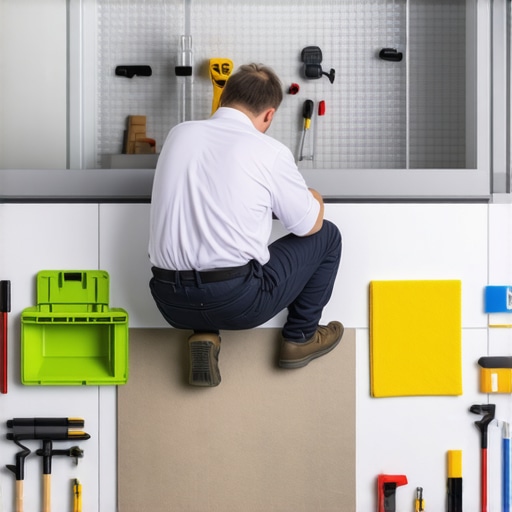
Have you ever stood in your bathroom, staring at the grout lines that are already showing signs of mold, or noticed how your new floor has tiny cracks just a few months after installation? I’ve been there too. I remember thinking, “If I’d only known the right tips from the start, I could have avoided this mess.” That lightbulb moment led me down a path of learning expert techniques to ensure my home’s floors and showers could stand the test of time.
Why Cutting Corners on Installation Isn’t Worth It
In my early days of home renovation, I tried to save a few bucks by skipping professional advice and rushing through installations. The result? Cracked grout, uneven surfaces, and a bathroom that looked worn out way too soon. It’s frustrating—and honestly, it can be costly to fix mistakes later. According to HomeAdvisor, poor installation is a leading cause of bathroom tile failures, which can lead to water damage and costly repairs. So, trust me, investing time in learning the right techniques is a game-changer.
Is DIY Always a Bad Idea for Shower & Floor Upgrades?
Early on, I made the mistake of thinking I could just follow online tutorials without understanding the nuances. It’s tempting, but the truth is, expert tips make a real difference. For example, proper waterproofing in showers not only prevents leaks but also extends the life of your tiles. If you want to avoid common pitfalls, check out this guide to creating a spa-like shower experience for professional insights.
So, do you struggle with ensuring your installation lasts? If yes, don’t worry—I’ve got you covered. We’re about to dive into the essential tips that will help your home look stunning and stay durable for years to come.
Prepare Your Workspace with Precision
Start by clearing the area thoroughly and laying down protective plastic sheeting to prevent damage. I once worked on a bathroom where I neglected this step, leading to a huge mess and extra cleanup. Proper preparation ensures your materials stay clean and your work area remains organized, which is essential for a flawless finish.
Choose Quality Materials to Ensure Longevity
Invest in high-quality tiles, waterproof membranes, and grout. During my first shower renovation, I opted for cheap grout, which cracked within months. Now, I always select professional-grade products, like those recommended in this guide to durable flooring installation. Quality materials are the foundation of lasting beauty.
Apply Waterproofing Like a Pro
Think of waterproofing as the armor protecting your home from water damage. I learned this the hard way after a leak caused mold behind my wall. Use a reliable waterproof membrane and apply it meticulously, especially in corners and seams. Use a roller or brush to ensure even coverage, avoiding gaps that can cause future leaks.
Master the Tiling Technique for a Flawless Finish
Lay tiles starting from the center of the area, working outward to ensure symmetry. When I installed my shower tiles, I used spacers to keep grout lines even, which made a huge difference. Check the level frequently and adjust tiles as needed. This attention to detail prevents uneven surfaces and enhances the overall look.
Cut Tiles with Precision
Use a high-quality tile cutter or wet saw for accurate cuts. I once tried to score tiles with a regular scissors—lesson learned! Practice makes perfect, and always measure twice before cutting. This ensures your edges are clean and professional-looking.
Grout with Care for a Durable Finish
Mix grout to the right consistency and press it into joints using a rubber float. Clean excess grout immediately with a damp sponge to prevent staining. I found that sealing grout after it cures adds extra protection, extending the life of your installation.
Seal and Protect Your Work
Apply a quality sealant to grout lines and tiles, especially in wet areas. This step is crucial for preventing stains and water penetration. During my last project, I used a waterproof sealant that kept my shower looking new for years.
Finish with Elegant Baseboards and Accents
Adding stylish baseboards or shower trims can elevate your design. I replaced old, worn-out baseboards with modern ones found in this baseboard makeover guide, which gave my bathroom a fresh look. Proper installation of these finishing touches completes the project, ensuring everything stays in place and looks polished.
Inspect and Adjust for Perfection
Finally, walk through your work to identify any imperfections. I once noticed a tile that was slightly off, so I carefully removed and repositioned it. Taking the time for a detailed inspection guarantees a professional, lasting result.
Many homeowners believe that installing bathroom tiles and flooring is straightforward, but the truth is, there are nuanced pitfalls that can compromise your results. One of the biggest myths is that you can cut corners on preparation or use cheap materials and still achieve professional-looking, durable results. In reality, these shortcuts often lead to cracks, water damage, and uneven surfaces over time.
Another widespread mistake is underestimating the importance of proper waterproofing. Some think applying a basic sealant is enough, but expert advice emphasizes that a waterproof membrane is essential, especially in showers and wet areas, to prevent leaks that can cause mold and structural issues. Skipping this step or applying it unevenly is a common trap that can cost you dearly in repairs later.
For advanced DIYers, a frequent error involves tile layout. Many rush to lay tiles without planning the pattern thoroughly or failing to use spacers correctly. This results in uneven grout lines and a less professional finish. Starting from the center and working outward, as well as checking for level frequently, are techniques that separate a good job from a great one.
Why does sealant application matter more than most think?
Applying sealant is often overlooked, but it plays a critical role in protecting your installation from water penetration and stains. Many homeowners seal only visible grout lines, missing small cracks or unsealed edges that can develop into bigger problems. Using a high-quality sealant and reapplying it periodically ensures your floors and shower walls stay pristine for years.
Finally, a common misconception is that professional installation is always necessary. While professional help guarantees quality, understanding the nuances—such as how to choose the right materials, prepare your workspace, and execute finishing touches—can elevate a DIY project to a near-professional level. For tips on achieving flawless results, explore this guide to flawless flooring installation.
Remember, paying attention to these details and avoiding these common mistakes can save you time, money, and frustration, leading to a beautiful, lasting bathroom. Have you ever fallen into this trap? Let me know in the comments!
How do I keep my bathroom upgrades functioning smoothly over time?
Maintaining your bathroom after a renovation is crucial to ensuring its longevity and continued beauty. One of the most effective strategies is investing in quality tools and establishing a regular maintenance routine. For instance, I personally swear by using a high-grade grout float and a precision tile cutter—these tools make a significant difference in achieving professional results and preventing future issues like cracked grout or uneven tiles. A good-quality grout float helps press grout evenly into joints, reducing gaps that can trap water and cause deterioration over time. Meanwhile, a reliable wet saw or manual tile cutter ensures clean, precise cuts, especially when modifying or replacing tiles later on. Tip: Always keep your tools clean and well-maintained. A dirty or dull tool can lead to uneven cuts and compromised grout lines, which may result in long-term damage.
Beyond tools, adopting a routine maintenance schedule can extend the life of your renovation. Regularly inspecting grout lines for cracks and resealing them every couple of years prevents water penetration and mold growth. Additionally, using a gentle, pH-neutral cleaner designed for tiles preserves the finish and prevents buildup of soap scum and mineral deposits. Prediction: As technology advances, we can expect smart tools and IoT-enabled maintenance devices to become standard in home upkeep, making it easier to monitor and maintain bathroom conditions remotely.
What about software and digital tools for managing home renovations?
If you’re thinking long-term, digital tools can help you keep track of maintenance schedules and project planning. Apps like HomeZada or Houzz allow you to set reminders for sealing, cleaning, and inspecting your bathroom fixtures, ensuring that nothing slips through the cracks. I’ve found that maintaining a digital log of repairs and upgrades simplifies future renovations and helps identify recurring issues early.
Remember, consistent upkeep is the secret to preserving your investment. Try setting a quarterly reminder to check grout integrity, clean ventilation fans, and inspect for leaks. This proactive approach saves you money and stress in the long run.
In summary, using the right tools, establishing a routine, and leveraging digital management can make your bathroom renovation last for decades. Stay ahead of problems by adopting these practices now, and you’ll enjoy a beautiful, durable space for years to come.
The Hardest Lesson I Learned About Bathroom Renovations
One of my biggest realizations came early when I underestimated the importance of thorough waterproofing. I skipped a few crucial steps, thinking a simple sealant would suffice, only to deal with mold behind my wall months later. That experience taught me never to cut corners when it comes to waterproofing in showers; it’s the armor that keeps your renovation lasting. Trust me, investing in a good waterproof membrane and applying it meticulously is worth every extra minute.
3 Myths About Bathroom Tile Installations That Held Me Back
I used to believe that professional tools weren’t necessary if I watched enough tutorials. Turns out, quality tools like a wet saw and spacers make a huge difference—without them, even the best plan can fall apart. I also learned that choosing cheap grout might save money upfront but leads to cracks and stains down the line. Prioritizing quality materials and proper tools is a game-changer for a durable, flawless finish.
What Experts Won’t Tell You About Finishing Touches
Adding decorative baseboards and trims isn’t just about aesthetics; it seals the deal by protecting the edges and giving your space a polished look. I found that replacing worn-out baseboards with modern, high-quality options from this guide to baseboard updates transformed my bathroom’s vibe instantly. Don’t overlook these details—they’re the secret to a professional-looking renovation that lasts.
Curated Resources for Lasting Bathroom Beauty
For anyone serious about long-term results, I recommend these tools and guides: First, a high-quality tile cutter, which ensures clean, precise cuts every time—check out the recommendations in this expert guide. Second, investing in professional-grade grout and sealants from trusted brands guarantees durability. Lastly, keep handy the guide to durable flooring—it’s my go-to resource for maintaining and upgrading to withstand wear and tear.
Now It’s Your Turn to Make a Change
Embarking on a bathroom upgrade can feel overwhelming, but with the right knowledge and tools, you can achieve results that last for decades. Remember, every detail matters—from waterproofing to finishing touches. So, why not start today? Share your biggest challenge or success in bathroom renovation below—I’d love to hear your story!


One thought on “Expert Shower & Floor Installation Tips for Lasting Home Beauty”
Michael Evans
March 21, 2026 at 9:20 pmReading through this post really resonated with my own experience. I once rushed through a bathroom remodel, thinking that following a tutorial and using cheap materials would save me money and time. The result was a cracked grout line and a leak that cost me more to fix down the line. What I’ve learned since is that investing in quality tools and materials from the start makes a huge difference. For example, a good wet saw and professional-grade grout can elevate any project.
One thing I’ve found particularly helpful is creating a detailed plan before starting. It’s easy to overlook small details like proper layout or waterproofing, but these are what save you from headaches later. Have others found certain planning techniques or checklists effective in preventing common mistakes? I’d love to hear tips on how to stay ahead of potential pitfalls during DIY projects.