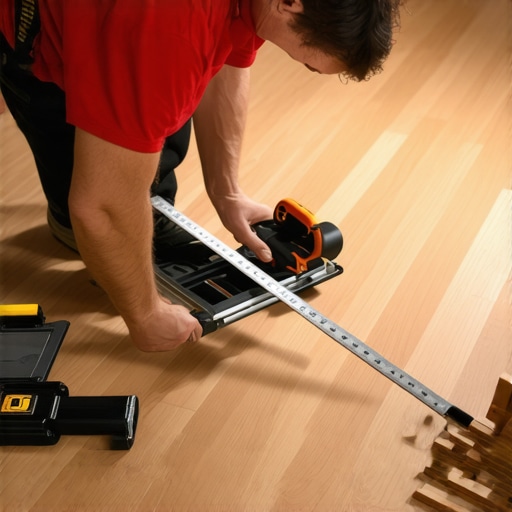
Ever had that sinking feeling when your freshly installed flooring looks more DIY nightmare than professional masterpiece? I sure have. I vividly remember the first time I tackled a laminate floor and ended up with uneven planks, gaps, and a sense of defeat creeping in. That lightbulb moment hit me hard: Without proper guidance and expert tips, even the most eager DIYer can feel overwhelmed, risking results that are far from stunning.
Why Proper Flooring Installation Can Make or Break Your Home’s Look
I’m here to tell you that the secret isn’t just in choosing the right materials; it’s all about how you install them. A flawless floor can transform a room, but a sloppy job quickly ruins the aesthetic and can lead to long-term issues like warping or damage. That’s why investing in expert flooring installation tips is a game-changer. When I started paying close attention to the small details—like how to prepare subfloors or align planks properly—the difference was night and day. And let me share something: According to the National Wood Flooring Association, poor installation is the leading cause of flooring failure, emphasizing the importance of doing it right from the start.
Prep the Surface Carefully
Before laying down any flooring, ensure the subfloor is clean, dry, and level. I once skipped this step and ended up with uneven planks that creaked overly soon. Use a level and a straightedge to identify major imperfections. Repair cracks or dips with a suitable patching compound. For concrete subfloors, verify moisture levels and use a vapor barrier if necessary. Proper preparation creates a solid base, preventing issues later on. Think of it as laying a foundation for a house—if you start off uneven, everything built on top will suffer.
Measure and Plan Your Layout
Accurate measurements save headaches. Measure the room’s length and width, then decide on the direction of planks or tiles. I learned this the hard way during my first laminate install, when I misjudged the placement and ended up with tiny slivers at the edges. To avoid that, calculate the number of planks needed and plan to cut the final row to fit neatly. Use chalk lines or chalk snap to outline your starting point, ensuring perpendicular and straight alignment. Good planning limits waste and guarantees a professional look from the first plank. For carpet, consider pattern matching and pad placement early on. To see detailed strategies, visit [this guide](https://tilecraftsmens.com/creating-a-spa-like-shower-experience-tips-tricks).
Cut Material Precisely
Use quality tools—sharp saws for wood or vinyl, utility knives for carpet. During my project, I had to cut a hallway section and initially used dull scissors, which made jagged edges and difficult fitting. Now, I use a fine-tooth saw or a utility knife with a straightedge for clean, accurate cuts. Measure twice, cut once. Don’t guess or rush here; imprecise cuts cause gaps and reduce aesthetic appeal. For baseboards, remember that precise miter cuts at 45 degrees ensure seamless corners. Learn more about installing baseboards effectively [here](https://tilecraftsmens.com/top-baseboards-carpet-install-strategies-for-a-flawless-finish).
Lay the Flooring with Accuracy
Start from a consistent wall, using spacers to maintain expansion gaps—usually ¼ inch—around the perimeter. During my first install, I neglected this and faced buckling later. Use a tapping block and a mallet to snug each plank gently—you want tight joints but not glued or forced together. Check alignment frequently with a straightedge. For tile, use spacers and cross-check measurements often. For carpets, stretch and secure properly to avoid wrinkles. Remember, patience during this phase makes all the difference in the final look and durability. More tips on achieving seamless carpets are available [here](https://tilecraftsmens.com/top-carpet-baseboards-installation-secrets-for-a-flawless-finish-2).
Secure Edges and Transitions
Use transition strips or reducer strips at doorways or where flooring types meet. During a recent project, I installed a transition strip that covered uneven edges—costing me only a few minutes but saving a lot of trouble later. Fasten trims with nails or adhesive, ensuring they sit flush. For baseboards, nail or glue them to wall studs, not just drywall, for stability. When installing baseboards, keep them aligned vertically and paint or finish after installation. For a polished, durable finish, consider decorative options that complement your style. To see trending designs, visit [this page](https://tilecraftsmens.com/baseboard-trends-in-2025-fresh-styles-for-every-room).
Final Checks and Adjustments
Before cleaning up, walk on the surface to identify any loose or uneven spots, and fix them immediately. During my last project, I found a plank slightly raised; a quick tap and re-nail fixed it. Remove all spacers, protect the surface, and give it a thorough cleaning. All these details ensure your work looks pristine and professional, matching the quality of a seasoned installer. For more expert insights, explore [this comprehensive guide](https://tilecraftsmens.com/ultimate-flooring-installation-guide-for-flawless-results-today).
Most homeowners and even seasoned DIY enthusiasts often fall prey to common misconceptions when it comes to finishing touches like baseboards, flooring installations, carpet setups, and shower upgrades. Contrary to popular belief, it’s not just about selecting trendy materials or quickly executing the job; many overlook the subtle nuances that determine a professional, durable finish. Let’s unravel these hidden details that can make a significant difference in your renovation outcomes.
Is More Always Better When It Comes to Baseboards and Trim?
One prevalent myth is that thicker or more ornate baseboards automatically elevate a space. In reality, overdoing it can disrupt proportional harmony, making rooms feel cluttered or heavy. The modern approach favors minimalistic, sleek profiles that complement the overall design. For example, trending baseboard styles for 2025 highlight how simple updates can refresh an entire room without overwhelming it. Excessive moldings might seem glamorous initially but can quickly become a maintenance nightmare due to dust accumulation and difficulty cleaning in intricate profiles.
Expert installation also matters. Properly sealing and painting baseboards prevents moisture infiltration and warping. Remember, small details like nail holes and caulking create a seamless look, which many overlook. Investing in this can dramatically improve overall aesthetics and longevity.
The Mistake of Rushing Flooring and Carpet Installations
Taking shortcuts during flooring or carpet setup can lead to costly problems down the line. For instance, skipping proper subfloor preparation, such as leveling or moisture testing, is a common trap. During my own projects, I encountered warping and buckling because I neglected these steps. It’s critical to verify subfloor flatness and dryness, especially with concrete slabs, to prevent future damage. When installing carpet, inadequate stretching can cause wrinkles or bulges that intensify over time. Professional tensioning ensures fibers stay taut and surfaces are smooth.
Mastering carpet installation involves precise measurements, strategic padding placement, and quality tools. Cutting corners here can compromise comfort and durability.
Unexpected Pitfalls in Shower Renovations
Shower upgrades seem straightforward but harbor their own set of tricky pitfalls. One overlooked aspect is waterproofing; neglecting the proper membrane or sealant application can lead to leaks and subsequent mold issues. The misconception that a simple tile overlay suffices ignores the critical importance of proper vapor barriers. Also, poorly executed grout lines or mismatched tile layouts can undermine the entire aesthetic and functional integrity of your shower area. For those aiming for a spa-like feel, paying attention to details like niche placement, lighting, and finishing touches elevates the experience — see expert shower ideas for inspiration.
Advanced homeowners should consider the nuances of slope and drain positioning to ensure proper water runoff. Even small miscalculations here can lead to standing water, which accelerates wear and introduces health risks. Remember, the devil’s in the details—precision here differentiates a professional finish from a routine job.
Have you ever fallen into this trap? Let me know in the comments!
Keep It Running: Essential Tools for Longevity
Maintaining your flooring, baseboards, and shower fixtures requires more than just occasional cleaning; it demands reliable, precise tools that make upkeep manageable. I swear by a high-quality multi-tool with variable speed settings—I use my Dremel oscillating tool for detailed tasks like removing old caulk or grout without damaging surrounding surfaces. Its versatility makes it indispensable for preserving tiles, shower seals, and baseboard edges. For larger sanding or stripping jobs, a pneumatic orbital sander speeds up wear maintenance while ensuring smooth finishes. Invest in a set of precision screwdrivers and putty knives, like the Wiha or Stanley tools, which allow for subtle repairs—tightening loose baseboards or re-sealing grout lines to prevent water infiltration.
Automate Your Maintenance Routine with Apps and Software
Keeping track of when to replace seals or refresh protective coatings can be daunting. I recommend using scheduling apps like Todoist or Trello to set reminders for regular inspections—quarterly checkups on shower caulking or annually replacing worn-out underlayment. There are also specialized home maintenance apps like HomeZada, which help log past repairs and suggest preventive measures based on your home’s specifics. Staying ahead prevents small issues from snowballing into costly repairs, extending the lifespan of your investments. According to a study by the Home Improvement Research Institute, preventive maintenance can double the lifespan of high-traffic or moisture-exposed features like showers and flooring.
Long-Term Results Require Consistent Care
Long-lasting installations hinge on routine maintenance. Regularly inspecting grout lines for cracks, reapplying sealant every 2-3 years, and promptly fixing minor damages prevent deterioration. Using a specialized grout haze remover once a year aids in retaining that freshly installed look. For shower doors, applying a glass protectant like ends up reducing mineral buildup, making cleaning easier. And when it comes to baseboards, repainting or re-sealing with a durable latex paint or sealant every few years preserves their appearance and averts water damage. Looking ahead, innovations like nano-coatings promise even more durable finishes, reducing maintenance effort and prolonging the lifespan of your bathroom and flooring investments. Implement these maintenance tips today to ensure your home remains stylish and functional for years to come. Explore expert [flooring maintenance strategies](https://tilecraftsmens.com/your-guide-to-durable-flooring-installation-for-a-stylish-home) for more insights. Don’t forget to try applying a nano-coating on your shower surfaces—it’s a game changer for durability.
Lessons That Changed My Flooring Game Forever
One of the most vital lessons I learned is that patience truly pays off. Rushing through surface preparation or measuring can turn a promising project into a costly mistake. I once hurried to lay a section of laminate without leveling the subfloor properly, and the entire area developed unsightly gaps within months. Now I understand that taking the extra time to ensure a flat, dry surface guarantees longevity and visual appeal. Additionally, I discovered the importance of thinking about transition areas early—deciding where and how to connect different flooring types saves headaches later. Lastly, never underestimate the power of a straight chalk line; it serves as the backbone for perfectly aligned planks or tiles, and skipping it is a shortcut to chaos.