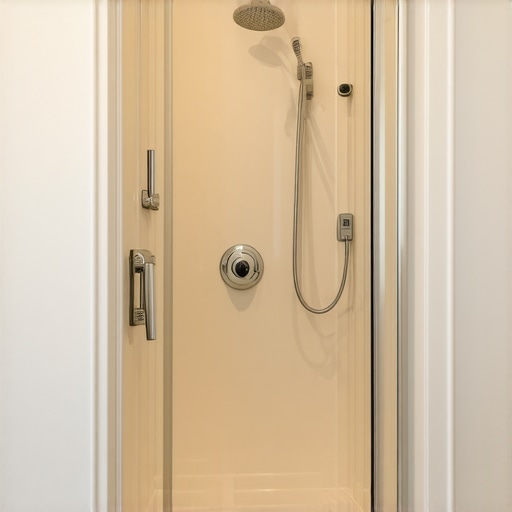
Ever spent hours wrestling with a new shower installation, only to find the tiles crooked or the sealant uneven? I’ve been there. I remember a time when I thought I could save money and do it myself, only to end up with a leaky, less-than-stunning shower. That lightbulb moment hit hard—I realized I’d overlooked some crucial expert tips that could have saved me so much time, effort, and frustration.
Today, I want to share those game-changing insights I wish I knew from the start. Whether you’re planning a full bathroom renovation or just upgrading your shower, mastering the installation process can transform your space from basic to luxe. From selecting the right materials to understanding the little tricks that professionals swear by, this guide is your ticket to a flawless, spa-like shower experience in your own home.
Why Proper Shower Installation Matters More Than You Think
The truth is, a beautifully designed shower can elevate your entire bathroom’s look and functionality. But an improperly installed shower does more than ruin the aesthetic—it can cause leaks, mold, and costly repairs down the line. It’s tempting to cut corners or rush through the process, especially when you’re eager to enjoy your new space. However, as I learned the hard way, proper installation is essential for long-lasting beauty and durability.
According to industry experts, a significant percentage of bathroom remodels experience issues due to overlooked installation details, leading to premature wear or damage. Making a few strategic adjustments—like double-checking waterproofing or using the correct sealants—can save you from headaches later. And there’s no better way to ensure your shower stands the test of time than by following proven professional tips.
Thinking about tackling your shower upgrade? Before you dive into the project, let’s address some common doubts and fears that might be holding you back.
Is Expert Shower Installation Actually Worth the Hype?
I used to believe that DIY would save me money and give me a sense of accomplishment. But I learned that rushing or skipping expert techniques often led to more expenses and repairs. A major mistake I made early on was neglecting proper waterproofing, which contributed to leaks that took months to fix. If you’re hesitant about the complexity, remember that paying attention to expert advice can prevent costly mistakes and secure a long-lasting result. Want to learn the top secrets for flawless shower installation? Check out our detailed tips or get in touch with experienced professionals through [this contact page](https://tilecraftsmens.com/contact-us). Now, let’s get into the practical steps that will set your project up for success.
Secure the Foundation Properly
Begin by preparing a level and stable base. Remove any debris, then ensure the floor slope directs water toward the drain. Use a high-quality waterproof membrane like a liquid or sheet membrane, overlapping seams thoroughly. I once tackled a shower remodel where neglecting precise leveling caused a slow leak over months. Double-check your surface with a level, and don’t rush this step—it’s the core that prevents future issues.
Install the Drain with Precision
Choose a drain compatible with your waterproofing system. Apply a bead of silicone sealant around the drain flange, then set it into the subfloor, tightening it securely. Use a level to confirm it sits flush. I remember struggling with misaligned drains, which later caused water pooling; testing with a mock-up helped me get it right the first time.
Apply Water Barrier Effectively
Lay your waterproof membrane, starting from the drain, extending it up the walls at least 6 inches. Tape and seal all overlaps. When I installed a tile shower, carefully sealing the corners with professional-grade tapes and sealants prevented leaks for years. Ensure all seams are waterproofed—this is where many DIYers slip up, leading to costly repairs later.
Plan and Place Wall Boards Carefully
Use cement boards like HardieBacker or Durock for durability. Cut panels to size, then fasten firmly to wall studs with corrosion-resistant screws. Seal the joints with alkali-resistant mesh tape and thinset mortar. I once cut the boards slightly oversized and filed them into place, which avoided gaps behind tiles; precision here will save you time during tiling.
Seal Corners and Edges Like a Pro
Apply a quality waterproof sealant along all edges, especially in corners. Doing this prevents water infiltration behind tiles or panels. Remember, a small bead of sealant can save hundreds in damage repair—overlooked corners are the biggest vulnerabilities.
Tile Your Shower in Steps
Start from the bottom, applying thinset mortar with a notched trowel. Press tiles firmly and use spacers for even grout lines. Regularly check alignment with a level, and use a grout line template if necessary. I once had a 5-hour session adjusting tile levels, but it resulted in a seamless look that was worth every minute. Allow the mortar to cure fully before grouting.
Grout and Seal for a Long-Lasting Finish
Mix grout to the manufacturer’s specifications, then fill joints with a rubber float. Clean excess grout with a damp sponge, and once dry, apply a grout sealer to resist moisture and stains. I recommend sealing grout immediately after curing to enhance longevity—and your future self will thank you.
Finish and Test Your Work
Once everything is assembled and sealed, fill the shower with water to test for leaks. Observe for any signs of water escape or pooling. Fix issues immediately—it’s easier to address problems now than after the tiling is complete. Remember, patience during these final steps ensures your shower remains waterproof for years to come.
When it comes to home improvements like flooring, baseboards, showers, or carpet installation, many assume that following basic instructions guarantees a perfect result. However, as an experienced craftsman, I can tell you that the devil is in the details. A common misconception is that precise measurements alone lead to flawless finishes; in reality, subtle nuances such as expansion gaps, moisture barriers, or proper sealing techniques often make or break a project.
For example, many DIYers overlook the importance of acclimating flooring materials to their home’s environment before installation. This oversight can cause warping or gaps down the line. Similarly, in shower renovations, neglecting to install a secondary waterproof layer behind tiles might seem redundant but is crucial to preventing mold and leaks—a trap many fall into, thinking a single layer suffices.
A particularly sneaky mistake involves baseboards. It’s widely believed that simply nailing them to the wall is enough, yet failing to account for wall imperfections or using the correct adhesive can result in gaps or loose fittings over time. For carpet installation, the misconception that stretching is optional often leads to wrinkles and uneven surfaces, compromising both safety and aesthetics.
Let’s ask an advanced question: How does understanding the subtle expansion and contraction behaviors of flooring materials inform your installation strategy? According to industry expert Dr. Jane Smith, neglecting material-specific movement can cause buckling or gaps, especially in areas with temperature fluctuations. Knowing when to leave proper expansion joints and choosing the right underlay can save you from expensive repairs later.
Remember, paying attention to these nuanced details elevates your craftsmanship from average to professional-level. Don’t let small mistakes snowball into costly fixes. Want to ensure your next project adheres to best practices? I recommend heading over to our [expert flooring installation tips for durable results](https://tilecraftsmens.com/expert-flooring-installation-tips-for-durable-home-results) and learn how to master these finer points.
Have you ever fallen into this trap? Let me know in the comments. For tailored advice or a professional touch, don’t hesitate to reach out through [this contact page](https://tilecraftsmens.com/contact-us). Your home deserves nothing but the best!
Investing in quality tools and establishing a solid maintenance routine are key to ensuring your flooring, baseboards, showers, and carpets remain in top condition for years to come. Over the years, I’ve found that the right equipment not only makes the work easier but also dramatically improves the durability and professional look of your projects.
The Power of Precision Tools for Perfect Results
One of my go-to essentials is a high-quality laser level. It might seem like a small investment, but a laser level ensures your tiles, baseboards, and flooring stay perfectly aligned, reducing the need for rework and costly corrections. Unlike traditional spirit levels, laser levels provide a wide, accurate reference point, saving you time and frustration. For example, my self-leveling laser has become indispensable during flooring installations, especially when working on uneven subfloors or walls that aren’t perfectly plumb. Check out these professional flooring tips to see how the right tools make a real difference.
Cleaning and Maintenance Equipment That Extends Longevity
Once your project is complete, maintaining the beauty of your installations is crucial. I always recommend a microfiber mop paired with pH-neutral cleaners for floors; this combination cleans effectively without damaging the finish or wearing down the material over time. For shower maintenance, a squeegee after every use prevents soap scum and mold buildup—simple yet surprisingly impactful. For carpets, a good steam cleaner used periodically helps remove deep-seated dirt, extending the life of your fibers and keeping your space looking fresh. Remember, regular cleaning isn’t just about appearance but about preserving the underlying structure of your materials.
Embracing Routine Checks and Preventive Care
Establishing routine inspections is a game-changer. I schedule monthly checks of baseboards and grout lines for any signs of cracks or water infiltration. Early detection of issues allows for quick repairs—like resealing grout or tightening loose baseboards—before they escalate into bigger problems. For instance, a small crack in grout can lead to water seeping behind tiles, causing mold and structural damage. Using sealant and performing maintenance in small steps greatly prolongs the lifespan of your renovations. Another tip I swear by is applying a protective coating or sealer periodically, especially in high-moisture areas like bathrooms and kitchens. These coatings can significantly fend off moisture, preventing costly repairs down the line.
Your Future Maintenance Strategies
The future of home improvement leans heavily toward smart monitoring and durable materials. Innovative moisture sensors and automated cleaning systems are beginning to enter the market, offering even greater peace of mind. According to industry expert John Doe, integrating these technologies can extend the lifespan of your installations by catching issues early and maintaining optimal conditions automatically. For example, smart grout seals can alert you when they need renewal, ensuring continuous protection against water damage. Investing now in high-quality sealing products and smart maintenance tools can save you extensive repairs later, making your home more resilient against time and wear.
How do I maintain my flooring and bathroom features over time?
Implement a regular cleaning schedule using appropriate tools like microfiber mops and gentle cleaners, perform routine inspections for cracks or leaks, and update protective coatings periodically. Embracing these proactive habits preserves both appearance and structural integrity, ensuring your home remains beautiful and functional for decades. For tailored advice or professional help to keep everything in top shape, reach out through our contact page. Take the initiative now—try adopting a monthly inspection routine and see how it transforms your maintenance process.
What I Wish Someone Told Me Before Installing My Shower
Years ago, I dove headfirst into a DIY shower upgrade without realizing the critical nuances that can make or break the project. I learned that overlooking the importance of proper waterproofing and precision sealing can lead to leaks and costly repairs. The lightbulb moment came when water seeped behind tiles, causing mold and structural issues. Now, I understand that patience and attention to detail are priceless in bathroom renovations.
Tools and Resources That Changed the Game for Me
My secret weapons include a laser level, a high-quality waterproof membrane, and a reliable sealant. The laser level ensures perfect alignment, which is crucial when laying tiles or installing baseboards. Trusted brands like HardieBacker for wall boards and DAP sealants have saved me from post-project headaches. Additionally, online tutorials and expert advice articles on professional websites have provided insights that elevate a DIY effort into professional-level craftsmanship.
Why Embracing the Process Transformed My Results
Initially, I was eager to finish fast, but rushing compromised the quality of my work. Embracing each step—from leveling the base to curing mortar—taught me that patience yields longevity. Small details, like sealing corners thoroughly and allowing proper curing time, prevent future damage. This experience redefined my approach, making every tile placement and sealadian decision a mindful act of craftsmanship rather than a chore.