Have you ever stepped onto your vinyl floor only to be greeted by an annoying clicking sound that seems to come from nowhere? It’s a frustrating experience I’ve lived through myself, especially after investing time and money into a shiny new floor. One evening, as I was relaxing in my living room, I heard that familiar tap-tap-tap underfoot—like tiny footsteps marching across my home. I realized my flooring wasn’t just making noise; it was a sign that something wasn’t quite right. That moment sparked a quest to understand why vinyl floors click and more importantly, how to fix it.
Cracking the Code: Why Do Vinyl Floors Click?
The clicking sound often points to an installation hiccup—a common issue that homeowners and pros alike encounter. Usually, it’s due to expansion gaps, improper underlayment, or moisture lurking beneath the surface. When vinyl expands or contracts with temperature changes, it can create these rhythmic clicks. I’ve learned that many of these problems stem from quick fixes or overlooking critical steps during installation. And believe me, I’ve made my share of mistakes early on, like forgetting to check the moisture levels before laying down the planks, which only worsened the noise.
Understanding the root causes is essential because addressing them properly can extend the life of your flooring and keep it quiet and beautiful for years to come. In fact, if you want your floors to stand the test of time, experts recommend specific installation techniques—like ensuring the subfloor is perfectly level and moisture-free—that can prevent issues before they start. I discovered this firsthand when I finally took the time to research best practices; I found [this article](https://tilecraftsmens.com/your-guide-to-durable-flooring-installation-for-a-stylish-home) invaluable for avoiding common pitfalls.
So, are you tired of that incessant clicking or worried about your vinyl floor showing signs of wear too soon? If so, you’re in good company. Many homeowners face similar issues, but the great news is that these problems are fixable with the right approach. In the next sections, I’ll walk you through four straightforward fixes that can silence those clicks and keep your floors looking pristine. Whether you’re a DIY enthusiast or want to understand what your contractor should be doing, these solutions will empower you to take control of your flooring’s fate. Let’s dive into the practical steps that can turn your flooring woes into a thing of the past.
Secure the Subfloor to Prevent Movement
Start by removing the vinyl planks carefully to access the subfloor beneath. I once made the mistake of skipping this step, thinking I could just tighten the planks, but the clicking persisted. To fix it, I used construction adhesive and screws to reinforce loose or uneven sections. Apply the adhesive underneath any creaky areas and secure them with screws to minimize movement. This solidifies the foundation, much like anchoring a wobbly table helps eliminate creaks.
Address Expansion Gaps and Temperature Effects
Vinyl expands and contracts with temperature swings, causing clicking noises. Measure gaps around the perimeter of the flooring and fill small ones with flexible caulk, like your local hardware store’s recommended product. During installation, I neglected to leave proper expansion space, leading to noise issues. To avoid this, always follow the manufacturer’s guidelines—typically ¼ inch for every 10 feet of length—and adjust the flooring accordingly. Think of it like leaving enough slack in a car’s belt so it doesn’t choke when the engine warms up.
Improve Underlayment and Moisture Barriers
If moisture or improper underlayment caused the click, replace or upgrade the layer beneath the vinyl. I once spotted signs of moisture seeping through the seams, which worsened the noise. Remove the old underlayment and install a high-quality, moisture-resistant underlay—such as a foam or cork pad—that also dampens sound. Ensuring the subfloor is dry and level is crucial; use a level to check for dips and fill holes with suitable patching compounds. This approach is comparable to adding insulation inside a wall to prevent squeaks and maintain a steady temperature.
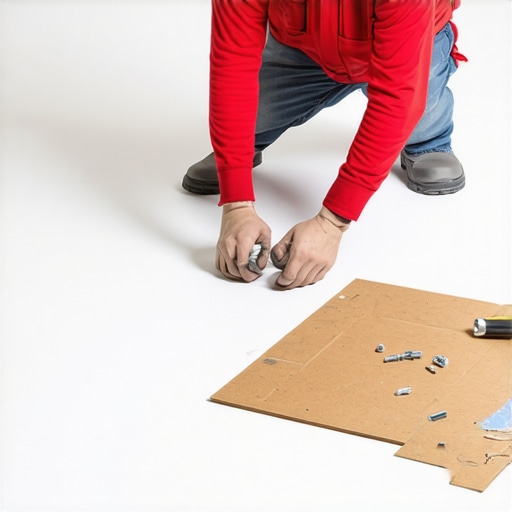
Visualize proper underlayment installation beneath vinyl flooring to dampen noise and support stability. A clean, even subfloor with a high-quality moisture barrier can significantly reduce clicking sounds.
Reinstall and Test the Flooring
Once you’ve reinforced the subfloor and addressed expansion gaps, carefully reinstall the vinyl planks. During reinstallation, leave the recommended expansion space and click the planks firmly into place, ensuring they snap securely. I once used a rubber mallet lightly to ensure the boards were tightly locked, which reduced any residual clicking. After completing this step, walk across the floor to check for any sounds—if clicks persist, revisit the previous steps. This process is akin to fitting puzzle pieces tightly together for a seamless picture.
Many homeowners assume that the installation processes for baseboards, showers, flooring, and carpets are straightforward, but in my experience, there are several nuanced mistakes that can lead to long-term issues. For example, a widespread myth is that simply nailing baseboards tightly to the wall is sufficient—however, this overlooks the importance of scribing and coping to ensure a perfect fit, especially on uneven surfaces. Skipping these details can cause gaps or gaps that worsen over time, detracting from your interior’s appearance and durability. Interestingly, many think that primer and paint alone can hide imperfect cuts on baseboards, but the reality is that precise scribing and proper miters create seamless transitions and elevate your finish quality.
Similarly, with shower renovations, a common mistake is neglecting proper waterproofing at critical junctions, which can lead to leaks and mold. I’ve seen many DIYers assume that a thin membrane is enough, yet advanced waterproofing involves multiple layers and meticulous sealing—nothing less. A study by waterproofing experts emphasizes that attention to detail at junctions like curbs and niches is vital for a leak-proof shower.
When it comes to flooring, the misconception is that choosing a higher-end material guarantees longevity, but installation plays only a part; poor subfloor preparation or inadequate acclimation can cause those seemingly ‘durable’ floors to warp or creak prematurely. Ensure your subfloor is perfectly level and moisture-controlled before laying any material—that simple step can save your investment.
Carpet installation often gets oversimplified as merely laying the pad and stretching the carpet, but neglecting proper stretching techniques, like using a power stretcher, results in ripples and peaking. Professional guides highlight that proper stretching is essential for a smooth, lasting finish. To get these details right, consult expert resources such as our detailed guides on [carpet installation](https://tilecraftsmens.com/carpet-install-secrets-achieving-flawless-results-every-time).
Ask yourself, have you ever fallen into this trap of oversimplifying installation? Recognizing these nuanced pitfalls can save you time, money, and frustration. For a comprehensive approach, check out detailed insights on [baseboards](https://tilecraftsmens.com/baseboards-makeover-elevate-your-interior-with-simple-updates), [showers](https://tilecraftsmens.com/shower-renovation-ideas-modern-designs-for-a-luxury-feel), [flooring](https://tilecraftsmens.com/your-guide-to-durable-flooring-installation-for-a-stylish-home), and [carpets](https://tilecraftsmens.com/carpet-install-secrets-achieving-flawless-results-every-time). Remember, precision in installation is what distinguishes a good job from a great one—so don’t overlook the finer points. Let me know your experiences in the comments!
Keeping Things Running Smoothly Over Time
Once your flooring, baseboards, or shower installations are complete, the next step is maintaining their integrity to ensure longevity and consistent performance. To do this effectively, investing in the right tools and adopting proven routines are essential. For instance, a high-quality digital moisture meter, such as the
Regular inspection tools like a compact LED flashlight help identify creases, gaps, or leaks early on. I personally prefer LED flashlights with adjustable beams because they reveal imperfections under various lighting angles—making it easier to spot potential trouble spots before they escalate. This detailed guide emphasizes the importance of routine visual checks for shower waterproofing, but the same applies to floors and baseboards.
Maintaining your installations isn’t just about tools—it’s also about broad strategies. For flooring, I recommend setting a schedule for professional deep cleanings and inspections, as well as reapplying sealants or caulks around joints and edges when you notice deterioration. An advanced, easy-to-use applicator like the silicone caulk gun with a rotatable nozzle makes this task more precise and less messy. For carpets, frequent vacuuming using a HEPA filter vacuum helps preserve fiber integrity and prevent dirt buildup that can cause wear over time.
Looking ahead, the trend in maintenance is moving toward smart home integration. Imagine sensors embedded in baseboards or floors that monitor humidity and temperature, alerting you before problems develop. Such innovations could transform DIY upkeep and professional maintenance alike, making long-term results more predictable and less labor-intensive.
How do I maintain my flooring and fixtures for years to come?
Practicing regular, targeted maintenance with the right tools not only preserves your investment but also ensures your home’s aesthetic and functional appeal endure. For example, periodically checking moisture levels with a reliable tester can warn you about unseen dangers lurking beneath the surface, preventing costly repairs later. Incorporate simple routines like inspecting seals around showers or underneath appliances, which can be easily managed with a small mirror or a basic flashlight. If you haven’t already, try using a high-grade sealant in cracks or gaps—this small upgrade can significantly extend the life of your installations. For detailed tips on long-lasting results, explore this expert resource. Regular upkeep, combined with the right equipment, is your best defense against deterioration and unexpected failures.
What I Wish I Knew Before Installing Baseboards and Showers
- One unexpected lesson was how crucial precise wall measurements are for miter cuts; sloppy cuts lead to gaps that scream for more caulk, which over time, can crack and ruin the sleek look. Getting the angles just right transformed my finishing quality and saved hours of rework.
- Skipping the step of scribing baseboards to uneven floors almost always results in gaps and an unprofessional appearance. Taking the time to scribe within a fraction of an inch makes your installation seamless—and much more durable.
- When waterproofing showers, I learned that multiple thin layers outperform a single thick seal, especially at joints and junctions. The extra effort ensures a leak-proof surface that withstands years of use without mold or water damage.
Tools, Books, and Resources That Changed My Approach
- The Ultimate Guide to Flooring Installation by expert industry veterans helped me understand the importance of a level, moisture-free subfloor for floors that last. This resource emphasizes techniques I hadn’t considered, like acclimating materials properly and checking moisture content meticulously.
- Using a high-quality digital moisture meter changed how I monitor my subfloor; catching moisture issues early prevents costly repairs and guarantees a long-lasting finish. Trusting instruments like these offers peace of mind that your installation will stay solid over time.
- For perfect cuts, I recommend investing in a laminate or miter saw with fine adjustment capabilities. It might seem like a small tool, but precise cuts make a significant difference in the final look, especially on complex angles or tight corners.
- Online tutorials and forums from seasoned pros have been invaluable. They share insider tricks—like how to scribe baseboards snugly against uneven walls—that improve the finished appearance dramatically. Bookmarking reputable sites for ongoing tips keeps me confident in tackling new projects.
Your Turn to Take Charge of Home Upgrades
Now that you’ve uncovered these personalized insights and tips, it’s time to put them into action in your home. Every project you complete with care and attention not only elevates your space but builds skills that last a lifetime. Remember, the details matter—small adjustments can prevent big headaches down the line, especially for baseboards, showers, flooring, and carpets.
Have you ever faced a tricky installation that taught you an unexpected lesson? Share your story below, and let’s learn from each other’s experiences. Together, we can create beautiful, durable spaces that stand the test of time.
“}#}#6#}#}#}#}#}#}#}#}#}#}#}#}#}#}#}#}#}#}#}#}#}#}#}#}#}#}#}#}#}#}#}#}#}#}#}#}#}#}#}#}#}#}#}#}#}#}#}#}#}#}#}#}#}#}#}#}#}#}#}#}#}#}#}#}#}#}#}#}#}#}#}#}#}#}#}#}#}#}#}#}#}#}#}#}#}#}#}#}#}#}#}#}#}#}#}#}#}#}#}#}#}#}#}#}#}#}#}#}#}#}#}#}#}#}#}#}#}#}#}#}#}#}#}#}#}#}#}#}#}#}#}#}#}#}#}#}#}#}#}#}#}#}#}#}#}#}#}#}#}#}#}#}#}#}#}#}#}#}#}#}#}#}#}#}#}#}#}#}#}#}#}#}#}#}#}#}#}#}#}#}#}#}#}#}#}#}#}#}#}#}#}#}#}#}#}#}#}#}#}#}#}#}#}#}#}#}#}#}#}#}#}#}#}#}#}#}#}#}#}#}#}#}#}#}#}#}#}#}#}#}#}#}#}#}#}#}#}#}#}#}#}#}#}#}#}#}#}#}#}#}#}#}#}#}#}#}#}#}#}#}#}#}#}#}#}#}#}#}#}#}#}#}#}#}#}#}#}#}#}#}#}#}#}#}#}#}#}#}#}#}#}#}#}#}#}#}#}#}#}#}#}#}#}#}#}#}#}#}#}#}#}#}#}#}#}#}#}#}#}#}#}#}#}#}#}#}#}#}#}#}#}#}#}#}#}#}#}#}#}#}#}#}#}#}#}#}#}#}#}#}#}#}#}#}#}#}#}#}#}#}#}#}#}#}#}#}#}#}#}#}#}#}#}#}#}#}#}#}#}#}#}#}#}#}#}#}#}#}#}#}#}#}#}#}#}#}#}#}#}#}#}#}#}#}#}#}#}#}#}#}#}#}#}#}#}#}#}#}#}#}#}#}#}#}#}#}#}#}#}#}#}#}#}#}#}#}#}#}#}#}#}#}#}#}#}#}#}#}#}#}#}#}#}#}#}#}#}#}#}#}#}#}#}#}#}#}#}#}#}#}#}#}#}#}#}#}#}#}#}#}#}#}#}#}#}#}#}#}#}#}#}#}#}#}#}#}#}#}#}#}#}#}#}#}#}#}#}#}#}#}#}#}#}#}#}#}#}#}#}#}#}#}#}#}#}#}#}#}#}#}#}#}#}#}#}#}#}#}#}#}#}#}#}#}#}#}#}#}#}#}#}#}#}#}#}#}#}#}#}#}#}#}#}#}#}#}#}#}#}#}#}#}#}#}#}#}#}#}#}#}#}#}#}#}#}#}#}#}#}#}#}#}#}#}#}#}#}#}#}#}#}#}#}#}#}#}#}#}#}#}#}#}#}#}#}#}#}#}#}#}#}#}#}#}#}#}#}#}#}#}#}#}#}#}#}#}#}#}#}#}#}#}#}#}#}#}#}#}#}#}#}#}#}#}#}#}#}#}#}#}#}#}#}#}#}#}#}#}#}#}#}#}#}#}#}#}#}#}#}#}#}#}#}#}#}#}#}#}#}#}#}#}#}#}#}#}#}#}#}#}#}#}#}#}#}#}#}#}#}#}#}#}#}#}#}#}#}#}#}#}#}#}#}#}#}#}#}#}#}#}#}#}#}#}#}#}#}#}#}#}#}#}#}#}#}#}#}#}#}#}#}#}#}#}#}#}#}#}#}#}#}#}#}#}#}#}#}#}#}#}#}#}#}#}#}#}#}#}#}#}#}#}#}#}#}#}#}#}#}#}#}#}#}#}#}#}#}#}#}#}#}#}#}#}#}#}#}#}#}#}#}#}#}#}#}#}#}#}#}#}#}#}#}#}#}#}#}#}#}#}#}#}#}#}#}#}#}#}#}#}#}#}#}#}#}#}#}#}#}#}#}#}#}#}#}#}#}#}#}#}#}#}#}#}#}#}#}#}#}#}#}#}#}#}#}#}#}#}#}#}#}#}#}#}#}#}#}#}#}#}#}#}#}#}#}#}#}#}#}#}#}#}#}#}#}#}#}#}#}#}#}#}#}#}#}#}#}#}#}#}#}#}#}#}#}#}#}#}#}#}#}#}#}#}#}#}#}#}#}#}#}#}#}#}#}#}#}#}#}#}#}#}#}#}#}#}#}#}#}#}#}#}#}#}#}#}#}#}#}#}#}#}#}#}#}#}#}#}#}#}#}#}#}#}#}#}#}#}#}#}#}#}#}#}#}#}#}#}#}#}#}#}#}#}#}#}#}#}#}#}#}#}#}#}#}#}#}#}#}#}#}#}#}#}#}#}#}#}#}#}#}#}#}#}#}#}#}#}#}#}#}#}#}#}#}#}#}#}#}#}#}#}#}#}#}#}#}#}#}#}#}#}#}#}#}#}#}#}#}#}#}#}#}#}#}#}#}#}#}#}#}#}#}#}#}#}#}#}#}#}#}#}#}#}#}#}#}#}#}#}#}#}#}#}#}#}#}#}#}#}#}#}#}#}#}#}#}#}#}#}#}#}#}#}#}#}#}#}#}#}#}#}#}#}#}#}#}#}#}#}#}#}#}#}#}#}#}#}#}#}#}#}#}#}#}#}#}#}#}#}#}#}#}#}#}#}#}#}#}#}#}#}#}#}#}#}#}#}#}#}#}#}#}#}#}#}#}#}#}#}#}#}#}#}#}#}#}#}#}#}#}#}#}#}#}#}#}#}#}#}#}#}#}#}#}#}#}#}#}#}#}#}#}#}#}#}#}#}#}#}#}#}#}#}#}#}#}#}#}#}#}#}#}#}#}#}#}#}#}#}#}#}#}#}#}#}#}#}#}#}#}#}#}#}#}#}#}#}#}#}#}#}#}#}#}#}#}#}#}#}#}#}#}#}#}#}#}#}#}#}#}#}#}#}#}#}#}#}#}#}#}#}#}#}#}#}#}#}#}#}#}#}#}#}#}#}#}#}#}#}#}#}#}#}#}#}#}#}#}#}#}#}#}#}#}#}#}#}#}#}#}#}#}#}#}#}#}#}#}#}#}#}#}#}#}#}#}#}#}#}#}#}#}#}#}#}#}#}#}#}#}#}#}#}#}#}#}#}#}#}#}#}#}#}#}#}#}#}#}#}#}#}#}#}#}#}#}#}#}#}#}#}#}#}#}#}#}#}#}#}#}#}#}#}#}#}#}#}#}#}#}#}#}#}#}#}#}#}#}#}#}#}#}#}#}#}#}#}#}#}#}#}#}#}#}#}#}#}#}#}#}#}#}#}#}#}#}#}#}#}#}#}#}#}#}#}#}#}#}#}#}#}#}#}#}#}#}#}#}#}#}#}#}#}#}#}#}#}#}#}#}#}#}#}#}#}#}#}#}#}#}#}#}#}#}#}#}#}#}#}#}#}#}#}#}#}#}#}#}#}#}#}#}#}#}#}#}#}#}#}#}#}#}#}#}#}#}#}#}#}#}#}#}#}#}#}#}#}#}#}#}#}#}#}#}#}#}#}#}#}#}#}#}#}#}#}#}#}#}#}#}#}#}#}#}#}#}#}#}#}#}#}#}#}#}#}#}#}#}#}#}#}#}#}#}#}#}#}#}#}#}#}#}#}#}#}#}#}#}#}#}#}#}#}#}#}#}#}#}#}#}#}#}#}#}#}#}#}#}#}#}#}#}#}#}#}#}#}#}#}#}#}#}#}#}#}#}#}#}#}#}#}#}#}#}#}#}#}#}#}#}#}#}#}#}#}#}#}#}#}#}#}#}#}#}#}#}#}#}#}#}#}#}#}#}#}#}#}#}#}#}#}#}#}#}#}#}#}#}#}#}#}#}#}#}#}#}#}#}#}#}#}#}#}#}#}#}#}#}#}#}#}#}#}#}#}#}#}#}#}#}#}#}#}#}#}#}#}#}#}#}#}#}#}#}#}#}#}#}#}#}#}#}#}#}#}#}#}#}#}#}#}#}#}#}#}#}#}#}#}#}#}#}#}#}#}#}#}#}#}#}#}#}#}#}#}#}#}#}#}#}#}#}#}#}#}#}#}#}#}#}#}#}#}#}#}#}#}#}#}#}#}#}#}#}#}#}#}#}#}#}#}#}#}#}#}#}#}#}#}#}#}#}#}#}#}#}#}#}#}#}#}#}#}#}#}#}#}#}#}#}#}#}#}#}#}#}#}#}#}#}#}#}#}#}#}#}#}#}#}#}#}#}#}#}#}#}#}#}#}#}#}#}#}#}#}#}#}#}#}#}#}#}#}#}#}#}#}#}#}#}#}#}#}#}#}#}#}#}#}#}#}#}#}#}#}#}#}#}#}#}#}#}#}#}#}#}#}#}#}#}#}#}#}#}#}#}#}#}#}#}#}#}#}#}#}#}#}#}#}#}#}#}#}#}#}#}#}#}#}#}#}#}#}#}#}#}#}#}#}#}#}#}#}#}#}#}#}#}#}#}#}#}#}#}#}#}#}#}#}#}#}#}#}#}#}#}#}#}#}#}#}#}#}#}#}#}#}#}#}#}#}#}#}#}#}#}#}#}#}#}#}#}#}#}#}#}#}#}#}#}#}#}#}#}#}#}#}#}#}#}#}#}#}#}#}#}#}#}#}#}#}#}#}#}#}#}#}#}#}#}#}#}#}#}#}#}#}#}#}#}#}#}#}#}#}#}#}#}#}#}#}#}#}#}#}#}#}#}#}#}#}#}#}#}#}#}#}#}#}#}#}#}#}#}#}#}#}#}#}#}#}#}#}#}#}#}#}#}#}#}#}#}#}#}#}#}#}#}#}#}#}#}#}#}#}#}#}#}#}#}#}#}#}#}#}#}#}#}#}#}#}#}#}#}#}#}#}#}#}#}#}#}#}#}#}#}#}#}#}#}#}#}#}#}#}#}#}#}#}#}#}#}#}#}#}#}#}#}#}#}#}#}#}#}#}#}#}#}#}#}#}#}#}#}#}#}#}#}#}#}#}#}#}#}#}#}#}#}#}#}#}#}#}#}#}#}#}#}#}#}#}#}#}#}#}#}#}#}#}#}#}#}#}#}#}#}#}#}#}#}#}#}#}#}#}#}#}#}#}#}#}#}#}#}#}#}#}#}#}#}#}#}#}#}#}#}#}#}#}#}#}#}#}#}#}#}#}#}#}#}#}#}#}#}#}#}#}#}#}#}#}#}#}#}#}#}#}#}#}#}#}#}#}#}#}#}#}#}#}#}#}#}#}#}#}#}#}#}#}#}#}#}#}#}#}#}#}#}#}#}#}#}#}#}#}#}#}#}#}#}#}#}#}#}#}#}#}#}#}#}#}#}#}#}#}#}#}#}#}#}#}#}#}#}#}#}#}#}#}#}#}#}#}#}#}#}#}#}#}#}#}#}#}#}#}#}#}#}#}#}#}#}#}#}#}#}#}#}#}#}#}#}#}#}#}#}#}#}#}#}#}#}#}#}#}#}#}#}#}#}#}#}#}#}#}#}#}#}#}#}#}#}#}#}#}#}#}#}#}#}#}#}#}#}#}#}#}#}#}#}#}#}#}#}#}#}#}#}#}#}#}#}#}#}#}#}#}#}#}#}#}#}#}#}#}#}#}#}#}#}#}#}#}#}#}#}#}#}#}#}#}#}#}#}#}#}#}#}#}#}#}#}#}#}#}#}#}#}#}#}#}#}#}#}#}#}#}#}#}#}#}#}#}#}#}#}#}#}#}#}#}#}#}#}#}#}#}#}#}#}#}#}#}#}#}#}#}#}#}#}#}#}#}#}#}#}#}#}#}#}#}#}#}#}#}#}#}#}#}#}#}#}#}#}#}#}#}#}#}#}#}#}#}#}#}#}#}#}#}#}#}#}#}#}#}#}#}#}#}#}#}#}#}#}#}#}#}#}#}#}#}#}#}#}#}#}#}#}#}#}#}#}#}#}#}#}#}#}#}#}#}#}#}#}#}#}#}#}#}#}#}#}#}#}#}#}#}#}#}#}#}#}#}#}#}#}#}#}#}#}#}#}#}#}#}#}#}#}#}#}#}#}#}#}#}#}#}#}#}#}#}#}#}#}#}#}#}#}#}#}#}#}#}#}#}#}#}#}#}#}#}#}#}#}#}#}#}#}#}#}#}#}#}#}#}#}#}#}#}#}#}#}#}#}#}#}#}#}#}#}#}#}#}#}#}#}#}#}#}#}#}#}#}#}#}#}#}#}#}#}#}#}#}#}#}#}#}#}#}#}#}#}#}#}#}#}#}#}#}#}#}#}#}#}#}#}#}#}#}#}#}#}#}#}#}#}#}#}#}#}#}#}#}#}#}#}#}#}#}#}#}#}#}#}#}#}#}#}#}#}#}#}#}#}#}#}#}#}#}#}#}#}#}#}#}#}#}#}#}#}#}#}#}#}#}#}#}#}#}#}#}#}#}#}#}#}#}#}#}#}#}#}#}#}#}#}#}#}#}#}#}#}#}#}#}#}#}#}#}#}#}#}#}#}#}#}#}#}#}#}#}#}#}#}#}#}#}#}#}#}#}#}#}#}#}#}#}#}#}#}#}#}#}#}#}#}#}#}#}#}#}#}#}#}#}#}#}#}#}#}#}#}#}#}#}#}#}#}#}#}#}#}#}#}#}#}#}#}#}#}#}#}#}#}#}#}#}#}#}#}#}#}#}#}#}#}#}#}#}#}#}#}#}#}#}#}#}#}#}#}#}#}#}#}#}#}#}#}#}#}#}#}#}#}#}#}#}#}#}#}#}#}#}#}#}#}#}#}#}#}#}#}#}#}#}#}#}#}#}#}#}#}#}#}#}#}#}#}#}#}#}#}#}#}#}#}#}#}#}#}#}#}#}#}#}#}#}#}#}#}#}#}#}#}#}#}#}#}#}#}#}#}#}#}#}#}#}#}#}#}#}#}#}#}#}#}#}#}#}#}#}#}#}#}#}#}#}#}#}#}#}#}#}#}#}#}#}#}#}#}#}#}#}#}#}#}#}#}#}#}#}#}#}#}#}#}#}#}#}#}#}#}#}#}#}#}#}#}#}#}#}#}#}#}#}#}#}#}#}#}#}#}#}#}#}#}#}#}#}#}#}#}#}#}#}#}#}#}#}#}#}#}#}#}#}#}#}#}#}#}#}#}#}#}#}#}#}#}#}#}#}#}#}#}#}#}#}#}#}#}#}#}#}#}#}#}#}#}#}#}#}#}#}#}#}#}#}#}#}#}#}#}#}#}#}#}#}#}#}#}#}#}#}#}#}#}#}#}#}#}#}#}#}#}#}#}#}#}#}#}#}#}#}#}#}#}#}#}#}#}#}#}#}#}#}#}#}#}#}#}#}#}#}#}#}#}#}#}#}#}#}#}#}#}#}#}#}#}#}#}#}#}#}#}#}#}#}#}#}#}#}#}#}#}#}#}#}#}#}#}#}#}#}#}#}#}#}#}#}#}#}#}#}#}#}#}#}#}#}#}#}#}#}#}#}#}#}#}#}#}#}#}#}#}#}#}#}#}#}#}#}#}#}#}#}#}#}#}#}#}#}#}#}#}#}#}#}#}#}#}#}#}#}#}#}#}#}#}#}#}#}#}#}#}#}#}#}#}#}#}#}#}#}#}#}#}#}#}#}#}#}#}#}#}#}#}#}#}#}#}#}#}#}#}#}#}#}#}#}#}#}#}#}#}#}#}#}#}#}#}#}#}#}#}#}#}#}#}#}#}#}#}#}#}#}#}#}#}#}#}#}#}#}#}#}#}#}#}#}#}#}#}#}#}#}#}#}#}#}#}#}#}#}#}#}#}#}#}#}#}#}#}#}#}#}#}#}#}#}#}#}#}#}#}#}#}#}#}#}#}#}#}#}#}#}#}#}#}#}#}#}#}#}#}#}#}#}#}#}#}#}#}#}#}#}#}#}#}#}#}#}#}#}#}#}#}#}#}#}#}#}#}#}#}#}#}#}#}#}#}#}#}#}#}#}#}#}#}#}#}#}#}#}#}#}#}#}#}#}#}#}#}#}#}#}#}#}#}#}#}#}#}#}#}#}#}#}#}#}#}#}#}#}#}#}#}#}#}#}#}#}#}#}#}#}#}#}#}#}#}#}#}#}#}#}#}#}#}#}#}#}#}#}#}#}#}#}#}#}#}#}#}#}#}#}#}#}#}#}#}#}#}#}#}#}#}#}#}#}#}#}#}#}#}#}#}#}#}#}#}#}#}#}#}#}#}#}#}#}#}#}#}#}#}#}#}#}#}#}#}#}#}#}#}#}#}#}#}#}#}#}#}#}#}#}#}#}#}#}#}#}#}#}#}#}#}#}#}#}#}#}#}#}#}#}#}#}#}#}#}#}#}#}#}#}#}#}#}#}#}#}#}#}#}#}#}#}#}#}#}#}#}#}#}#}#}#}#}#}#}#}#}#}#}#}#}#}#}#}#}#}
Embarking on home projects can be daunting, but with patience and a keen eye for detail, you unlock the potential to create a space that truly reflects your style and stands the test of time. Remember, the real mastery lies in the finesse of execution and the willingness to learn from each step—mistakes are just opportunities for growth.
So, embrace the process, utilize the right tools, and seek knowledge from trusted sources. Your home deserves that extra layer of attention—it’s an investment that pays off every day, bringing comfort, beauty, and pride into your life.