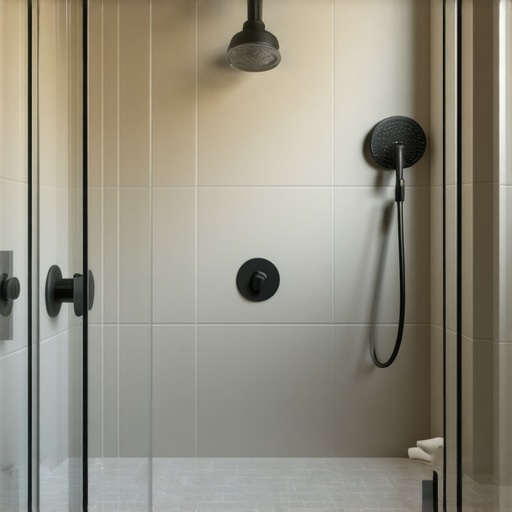
I’ll never forget the morning I stepped into my freshly renovated bathroom and immediately noticed a damp patch near the new baseboard. Turns out, despite all my planning, that tricky corner was silently leaking, turning my dream of a sleek, curbless shower into a nightmare. That lightbulb moment taught me the importance of proper waterproofing—something essential for a leak-proof shower, especially as we gear up for 2026 renovations.
The Big Challenge of Curbless Showers
Curbless showers are undeniably stylish and accessible, but they come with their own set of waterproofing hurdles. Water naturally flows more openly, increasing the risk of leaks that can cause significant damage if not properly managed. That’s why I want to share four waterproofing hacks I’ve uncovered—tried and tested—to keep your shower watertight well into 2026 and beyond.
Is Waterproofing Still Worth the Effort With New Tech?
Early on, I made the mistake of underestimating the importance of waterproof membranes, thinking a good sealant was enough. It’s a common error, but one that can lead to costly repairs. Today, advancements in waterproofing tech—like liquid-applied membranes and smart sealants—make it easier to prevent leaks, but only if you use them correctly. As research shows, improper application of waterproofing systems is a leading cause of shower failures (Source: Tile Craftsmens). So, investing in quality materials coupled with proper techniques is essential.
Sound familiar? Have you ever faced moisture issues after a bathroom upgrade? If so, you’re not alone. Let’s dive into how you can avoid these pitfalls with proven waterproofing hacks that will make your 2026 shower the envy of your neighborhood.
Prep the Subfloor with Precision
Start by thoroughly cleaning and leveling your subfloor. Any debris or uneven spots can compromise waterproofing. I once neglected this step, and within months, I faced leaks that mimicked a leaky boat—water seeping through the smallest gaps. Use a level and patch any low spots with thin-set mortar. This creates a solid foundation that prevents future water intrusion.
Install a Reliable Waterproof Membrane
Choose a liquid-applied membrane or a membrane mat designed for showers. In my last project, I opted for a liquid membrane, which I applied with a roller over the entire floor and about 6 inches up the walls. Be meticulous—cover all seams and edges completely. Think of this membrane as a ‘waterproof suit’ for your shower—any missed spot is an entry point for leaks. Remember, the key is multiple thin coats, allowing each to dry thoroughly before the next.
Create a Proper Slope for Drainage
Achieve a slope of 1/4 inch per foot leading towards the linear drain. I used a level and gravel board to visualize and mark the slope directly onto the cement board substrate. This ensures water flows smoothly without pooling. In my experience, neglecting the slope results in puddles that weaken the waterproofing, eventually causing leaks. Use a straight edge to confirm consistent gentle slope in all directions.
Seal the Drain and Edges Identically
Seal the drain flange with a compatible waterproof sealant before attaching the tile. In a recent renovation, I applied a flexible sealant around the drain flange, then covered it with a waterproof tape, ensuring no gaps. Also, seal all perimeters where walls meet the floor. This step is like putting duct tape on a leaky pipe—effective if done thoroughly. Use a sealant approved for wet areas and press it firmly into all joints.
Tile with Waterproofed Integrity
When laying tiles, use a waterproof sealant behind each tile, especially near the drain area. Thin-set mortar should be migration-resistant and suitable for wet environments. I learned early that regular thin-set isn’t enough—opt for an epoxy or a waterproof hybrid instead. Grout selection matters too; epoxy grout or pre-mixed sealant-infused grout will resist water and mold. During installation, press tiles firmly to ensure full contact with the sealant, eradicating air pockets that could harbor moisture.
Test Before You Finish
Before installing the final wall panels or finishing touches, conduct a water test. Pour a few gallons of water over the entire shower area and observe for leaks over 24 hours. In my case, a small leak appeared at the drain seal, prompting me to re-seal and re-test. Remember, this step can save your months of work and prevent extensive damage. Repair any leaks immediately before proceeding with the final finishes.
Maintain Vigilance Post-Installation
After completing your shower, periodically inspect the drain and corners, especially during heavy use or seasonal changes. I learned that the sealant can shrink or crack, allowing water infiltration. Reapply sealant annually and keep the grout clean and dry. Regular maintenance is your best defense against costly repairs down the line.
Many homeowners believe that installing baseboards, carpeting, flooring, or renovating showers is straightforward, but beneath the surface, there’s a web of nuanced details that often trip people up. A common myth is that mitered corners for baseboards always yield a perfect fit—yet in reality, walls are rarely perfectly straight, and cuts need precise coped joints or back-cut techniques to avoid gaps, which can be disguised by modern scribing methods. Overlooking these subtleties results in unattractive gaps and uneven lines, diminishing the overall aesthetic. Furthermore, the misconception that a simple staple or nail secures carpeting is outdated; professional stretching methods, like those discussed in the carpet secrets article, ensure a smooth, ripple-free finish that lasts for years. When it comes to flooring, many assume that clicking planks are entirely foolproof—however, without proper subfloor preparation, such as eliminating moisture and ensuring flatness, these floors will develop creaks, gaps, or separation over time. Advanced flooring installation tips reveal that even small mistakes during subfloor prep can compromise durability, leading to costly repairs; read more about these strategies to avoid pitfalls. In shower renovations, a prevalent mistake is assuming waterproofing materials alone are sufficient—proper slope, sealant quality, and detailed waterproofing techniques are equally crucial. For example, neglecting the slope of the shower pan can cause pooling, which accelerates grout deterioration and creates leaks. Advanced waterproofing methods include meticulous membrane application and precision drainage design, as highlighted in the waterproofing hacks article. Beware of the ‘oops’ trap—neglecting these nuances can lead to leaks, mold, and structural damage, often not evident until expensive repairs become unavoidable. For those aiming for a flawless finish, mastering the art of scribing baseboards to uneven or irregular walls can make all the difference, and using tools or techniques like the back-cut secret ensures tight joints. Remember, even in professional-grade projects, small overlooked details can undermine the quality and lifespan of your installation. If you’re unsure whether your current techniques meet the advanced standards, I recommend consulting resources like the baseboard trends in 2025 or the expert flooring tips for long-lasting results. Have you ever fallen into this trap? Let me know in the comments or explore more expert advice through our contact page.
Tools I Recommend for Longevity and Maintenance
Maintaining floors, baseboards, showers, and carpets requires not only expertise but also the right tools to ensure long-term durability. One staple I rely on is a high-quality digital moisture meter. This device helps me quickly identify hidden moisture issues behind tile or under flooring, preventing costly repairs down the line. I personally favor the Protimeter Moisture Squirt because its precision allows me to make informed decisions during inspections, especially when dealing with suspected leaks around showers or under carpets.
Another indispensable tool is a professional-grade grout float with a soft silicone pad. Using this ensures seamless grout lines, reducing chances of water infiltration that can degrade your waterproofing efforts. I opt for a stainless steel grout float for its durability and ease of cleaning.
When it comes to sealing cracks or gaps in baseboards and flooring, a high-quality, flexible polyurethane sealant like Sikaflex-1a has proven invaluable. Its elasticity accommodates wall or floor movement, maintaining a watertight seal over years. I’ve seen many homeowners stick to standard latex caulk, but over time, these fail, leading to gaps and water intrusion.
For routine inspections, I use an inspection mirror combined with a bright LED flashlight to access tight corners and verify seals and grout lines without dismantling entire sections. This approach saves time and identifies issues early before they escalate.
Predicting where future problems might emerge is vital. I believe the trend is moving toward smart maintenance systems, incorporating IoT sensors that monitor moisture levels and structural shifts continuously. Companies are developing such tech, aiming for proactive maintenance instead of reactive repairs. Investing in these tools now can save you significant time and expense later.
How do I keep my systems functioning over time?
Consistent inspections, combined with routine cleaning using non-abrasive solutions, are key. Incorporate seasonal checks—look for signs of water pooling, grout cracks, or baseboard gaps—and address them immediately. Using the right tools, like a quality silicone sealant, ensures repairs last. Also, don’t overlook the importance of correct application techniques; applying sealant or grout with proper tools and following manufacturer instructions is critical for durability.
Remember, a small investment in good tools today guarantees peace of mind tomorrow. For more tips on enhancing your installation techniques, check out our comprehensive guides on flooring installation and baseboard updates. Keep your home in top shape by staying proactive—your future self will thank you. If you’re interested in integrating smart moisture monitoring systems, I recommend researching the latest IoT solutions designed specifically for residential applications. Don’t delay—try one of these tools today and see the difference it makes in your maintenance routine.
Lessons That Took Me Years to Learn About Bathroom and Floor Upgrades
- One of the biggest hurdles I faced was assuming that a quick fix, like cheap sealant or skipping moisture tests, wouldn’t hurt in the long run. Turns out, these shortcuts often turn into costly lessons. The most valuable insight? Investing upfront in high-quality waterproofing and meticulous installation methods saves a ton of stress and money later. For example, understanding the importance of proper slope in shower pans prevented recurrent leaks, a mistake I won’t repeat.
- Another revelation came from realizing that walls and floors rarely align perfectly, making custom scribing and detailed joint work vital. I used to rely on mitered corners, but curing gaps with the back-cut secret made a noticeable difference in visual appeal and durability. These small, personal tweaks elevated my projects from average to professional-grade.
Tools That Make the Difference in Home Renovations
- A digital moisture meter, like the Protimeter Moisture Squirt, became my go-to for early detection of hidden issues, ensuring I didn’t overlook potential leaks. It’s a game-changer for both shower waterproofing and checking embedded areas in flooring.
- Quality sealants, such as Sikaflex-1a, and proper grout choices like epoxy grout, have saved me from recurring maintenance and damage. These materials might cost a bit more initially, but their longevity has proven invaluable.
- Pro-level tools like precision scribing templates and high-grade tile cutters have made accurate installations possible, transforming my craftsmanship and enabling flawless finishes. Investing in these tools provided me with results I can be proud of—every single time.
Take Action and Transform Your Home with Confidence
Remember, every detail matters when creating a bathroom or flooring that stands the test of time. From waterproofing to precise scribing, your attention to detail will be reflected in a beautiful, durable result that lasts far beyond 2026. Don’t let small mistakes undermine your hard work—embrace these lessons and tools to elevate your renovation game. If you’re ready to tackle your next project with renewed confidence, explore additional tips about durable flooring installation or reach out through our contact page for expert advice.