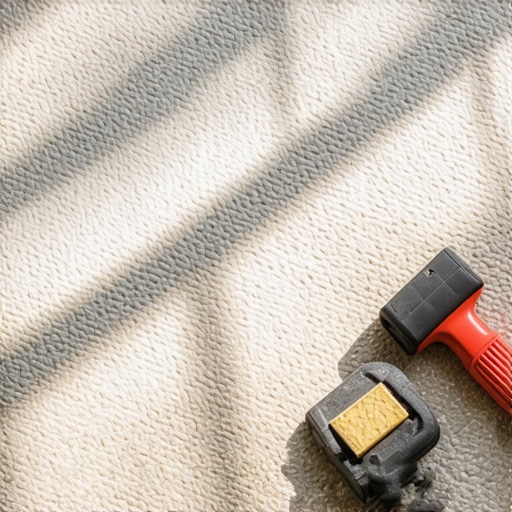
Ever stepped onto a freshly installed carpet only to find it rippling, bunching, or forming unsightly waves within days? I remember the first time I faced this nightmare. Just a few months after my big renovation, I noticed those annoying ripples creeping across my living room floor. Frustration set in, and I wondered: why did this happen, and how could I fix it fast?
If you’ve ever experienced the same, you’re not alone. Carpet ripples can seem like minor issues at first, but they often lead to bigger problems down the line—wear and tear, tripping hazards, and a constant reminder that your investment didn’t turn out as planned. Today, I want to share the insights I’ve gained from my own mistakes and professional experiences. We’ll explore the five common reasons why carpets installed in 2026 might fail and, more importantly, how you can address these issues quickly before they become permanent scars on your home.
Quick Fixes for Carpet Ripples Are Possible—Let’s Get to the Root of the Problem
First, I want to assure you that most rippling issues aren’t hopeless. With the right knowledge and some practical steps, you can often correct these flaws without ripping out your entire floor. But to do that effectively, understanding why they happen in the first place is crucial.
Many homeowners fall into the trap of assuming that ripples are just cosmetic or unavoidable. But in reality, these issues often stem from installation mistakes, improper subfloor preparation, or environmental factors — and they’re fixable. To give you a jumpstart, I’ll walk you through the most common causes and share insights from my journey—like the time I ignored an early warning sign and paid the price.
Before we jump into the solutions, I want to hear from you: Have you ever installed a carpet only to see ripples forming shortly after? Share your experiences, and let’s learn from each other.
For a deeper dive into professional tips on achieving a flawless carpet finish, check out [this article](https://tilecraftsmens.com/carpet-install-secrets-achieving-flawless-results-every-time). Now, let’s start with what you need to know to fix ripples fast—and ensure your carpet stays smooth and beautiful for years to come.
Assess the Cause of Ripples
Start by inspecting your carpet for uneven areas or loose spots. Gently lift corners to check if it has shifted from the tack strip or if the padding underneath is uneven. I remember a time I noticed waves forming after moving furniture; identifying the root helped me choose the correct fix instead of a temporary bandage.
Gather Necessary Tools and Materials
You’ll need a power stretcher, knee kicker, Utility knife, Seam roller, Carpet tape, and possibly a new tack strip. Having these ready prevents multiple trips to the store and makes the process efficient. I once tried to fix ripples with just a knee kicker—results were subpar, and I had to redo the job, wasting hours.
Prep the Area for Repair
Clear the room of furniture and vacuum thoroughly. Inspect the edges, especially near walls and transitions, to see if seams are pulling apart or if the carpet edge has curled. Proper cleaning and preparation ensure a tight, professional finish. In my experience, neglecting this step results in recurring ripples.
Stretch the Carpet Securely
Use a Power Stretcher for Major Ripples
Position the stretcher at the far end of the room, attach the hooks to the carpet edge, and gradually stretch the material towards the wall, smoothing out the fabric. Engage the locking mechanism carefully. I once attempted this with an old, manual tool—lack of tension led to minimal improvement, emphasizing the need for a quality power stretcher.
Employ a Knee Kicker for Minor Adjustments
Work along the edges, positioning the knee kicker about 6 inches from the wall and pressing firmly to loosen the carpet. Repeat across the affected area, then secure with seam tape if seams are involved. Combining both tools is often the most effective method, as I found when fixing a tricky corner where ripples persisted after stretching.
Fix and Reinforce Seams
If ripples align with seam areas, lift the seam edge, apply new carpet tape or adhesive, and press firmly with a roller. Properly secured seams prevent future movement. I remember using a seam roller that was too small—upgrading to a larger one drastically improved my results.
Secure the Edges and Reattach Trim
Refasten the baseboards or molding with finishing nails, ensuring they hold the carpet edges tightly. For gaps, consider replacing or adjusting the tack strips. This step keeps the carpet flat along the perimeter, similar to how I fixed a loose baseboard by using shorter nails and shimming gaps.
Final Inspection and Finishing Touches
Walk the entire surface, checking for remaining ripples or loose areas. Use the seam roller or a hand press to smooth any stubborn spots. Replace furniture carefully, avoiding weight on the newly fixed sections for at least 24 hours. My last fix was a success after I waited a day before moving furniture back, ensuring the stretch held perfectly.
While many believe that straightforward tasks like installing showers, flooring, or baseboards are simple, professionals know there’s a lot of nuance that can trip up even seasoned DIYers. One common myth is that using the cheapest materials or rushing the process doesn’t impact long-term durability. In reality, cutting corners here often results in costly repairs down the road. For example, opting for lower-quality waterproofing in showers can lead to leaks and mold, which are far more expensive than proper installation from the start.
Another mistake is assuming that all flooring adhesives or sealants are interchangeable. Different materials and environments demand specific products to ensure longevity and functionality. Missing this detail could cause flooring to squeak, bubble, or separate over time. For an in-depth guide on selecting the right materials, check out [expert flooring tips](https://tilecraftsmens.com/your-guide-to-durable-flooring-installation-for-a-stylish-home).
People often overlook the importance of precise measurements and detailed planning. For instance, neglecting to account for uneven floors during baseboard installation results in gaps or crooked lines, which ruin the aesthetic and may compromise the integrity of the finish. The secret lies in meticulous scribing and adjusting, techniques that even many experienced decorators don’t master. Want to elevate your finishing skills? Explore [baseboard trends in 2025](https://tilecraftsmens.com/baseboard-trends-in-2025-fresh-styles-for-every-room).
Furthermore, there’s a misconception that all shower waterproofing methods are equally effective. The truth is, many DIY approaches lack the flexibility or robustness to handle thermal expansion, water pressure, or movement over time. Using substandard waterproof membranes can lead to leaks and structural damage. To prevent this, employing advanced waterproofing techniques—like curbless shower waterproofing—ensures a leak-proof environment that lasts. For expert insights, see [latest water-seal strategies](https://tilecraftsmens.com/4-waterproofing-hacks-for-leak-proof-2026-curbless-showers).
Have you ever fallen into this trap? Let me know in the comments. Remember, understanding these hidden nuances not only saves you money but also guarantees a professional finish that endures for years.Once you’ve successfully installed your flooring, shower, or baseboards, the key to long-term beauty and functionality lies in consistent maintenance. Using the right tools and practices ensures your investments stay in prime condition and reduces the need for costly repairs. For example, I highly recommend investing in a high-quality oscillating multi-tool. Its precision blades make tasks like trimming baseboards or cleaning grout lines much easier and more accurate. I personally rely on mine for delicate operations, especially when scribing or shaping materials to fit uneven walls or floors, which is essential for a professional finish. Over time, incorporating regular inspections—such as checking for loose tiles or signs of water seepage—can catch issues early before they escalate. Additionally, employing specialized sealants and lubricants, like silicone-based sprays, helps maintain the flexibility of shower seals and prevents cracking. As trends evolve, I predict a rise in smart maintenance tools, including sensors that monitor moisture or structural shifts in flooring, making DIY upkeep more proactive. How do I maintain showers and flooring over time? Prioritize routine inspections and scheduled deep cleaning with appropriate tools—this prevents small problems from becoming big disasters. For instance, applying a professional-grade grout sealer can extend the life of your tiled surfaces, reducing mold and stain build-up. Remember, integrating these technologies and practices not only safeguards your investment but also enhances the overall safety and comfort of your home. If you want to upgrade your maintenance routine, try using a seam roller to press down freshly applied sealants or adhesives—it’s a small step that yields professional results. For detailed advice on choosing the right maintenance products, visit our guide on durable flooring installation for a stylish home.
What The Hardest Lesson About Fiber-Optic Carpet Installation Taught Me
One of the toughest truths I faced was that even the most detailed planning can’t always prevent ripples if I overlook subtle environmental factors. Regularly checking humidity levels and ensuring proper subfloor prep can make or break a flawless finish. I realized that patience during setup is critical—rushing often leads to rework and frustration.
My Go-To Tools That Transformed My Flooring Game
Investing in a quality power stretcher and seam roller changed everything. These tools provide control and precision, reducing errors and delivering professional results. Trust me, the right equipment isn’t optional—it’s essential. I also found that keeping a kit of handy supplies like seam tape and knee pads keeps workflow smooth and efficient.
How I Turn Home Disasters Into Wins with Careful Attention
Don’t ignore small imperfections—they’re often your best clues. For example, uneven subfloors or poorly sealed seams can cause ripples months later. Addressing them early with thorough inspections and meticulous fixes saves money and stress. My biggest breakthroughs came when I learned to anticipate potential problem spots before they became visible issues.
Curated Resources That Made My Home Projects Seamless
First, I recommend checking out this comprehensive guide—it demystifies professional techniques for flawless carpet installation. For ongoing learning, durable flooring tips from industry experts keep me updated on new trends and methods. Additionally, my toolkit includes a high-quality seam roller and a professional-grade knee kicker, trusted due to their reliability and ease of use. Lastly, subscribing to trusted blogs like this resource keeps me ahead of common pitfalls and new innovations.
Your Next Step Toward Expertise in Flooring and Showers
Remember, every successful project begins with a mindset of learning and patience. Whether you’re fixing ripples or renovating your shower, applying these insights will help you achieve results that last. Embrace the process, invest in quality tools, and stay curious about new techniques. Your home deserves nothing less than your best effort—and a little bit of knowledge goes a long way in creating beautiful, lasting spaces.
Have you ever struggled with a tricky repair or installation? Share your experience below and let’s grow our skills together.
![Stop Shower Floor Puddles: 3 Slope Fixes for 2026 [Tested]](https://tilecraftsmens.com/wp-content/uploads/2026/03/Stop-Shower-Floor-Puddles-3-Slope-Fixes-for-2026-Tested-150x150.jpeg)