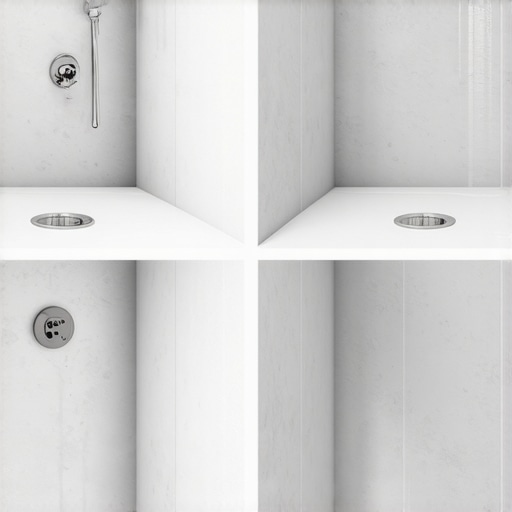
Ever since I installed my new microcement shower walls, I thought I had everything covered—until a small damp patch appeared near the base, soaking into my beautiful flooring. That lightbulb moment hit me hard: waterproofing isn’t just a one-time step; it’s an ongoing commitment, especially with the sophisticated surfaces we now use. If you’ve ever faced stubborn leaks or noticed water seeping where it shouldn’t, you’re not alone. I’ve been there, scratching my head at those tiny drips and wondering where I went wrong.
Sorting Out Shower Waterproofing in 2026: Why It Counts More Than Ever
In 2026, microcement walls continue to gain popularity for their sleek, modern look. But with great style comes great responsibility—especially when it involves waterproofing. The truth is, even tiny mistakes in sealing or sealing maintenance can lead to costly repairs down the road. I learned this the hard way early on, when I overlooked a critical waterproof seal around the shower niche, resulting in water pentration that threatened the entire wall structure. That mistake made me realize how crucial proper waterproofing is for longevity.
Is Waterproofing Really Necessary for Microcement Walls?
Absolutely! Many underestimate just how much water contact these surfaces endure daily. Without proper waterproof fixes, moisture can sneak into the subfloor or framing, causing mold or structural damage. According to industry experts, waterproofing failures are among the top causes of shower-related damage—costing homeowners thousands in repairs. Spotting early signs like peeling paint or damp patches is vital. Trust me, a small investment now in the right waterproofing techniques can save you a mountain of trouble later.
Ready to get your shower waterproofing right? Let’s dive into four tried-and-true fixes that will keep your walls dry and beautiful for years to come. Whether you’re renovating or maintaining, these tips are your new best friends—practical, proven, and easy to implement.
Create a Solid Waterproof Barrier
Start by removing any existing grout or sealant around your shower fixtures to expose clean surfaces. Apply a high-quality waterproof membrane, such as liquid rubber or membrane sheets, ensuring full coverage on all shower wall surfaces. Use a roller or brush for even application, paying special attention to corners and seams where water tends to seep through. I once applied a waterproof coat on a particularly humid weekend, which involved a lot of patience to ensure full adherence—resulting in a leak-proof setup that lasted for years.
Seal Penetrations and Joints
Identify all areas where plumbing penetrates the wall—shower arms, valve stems, and niches—and reinforce them with waterproof tape or sealant. For niches, use a flexible, waterproof sealant like 100% silicone designed for bathrooms, and apply generously around all edges. I learned from experience that skipping this step led to water wicking behind the niche, causing mold. Be meticulous here because even tiny gaps can compromise the entire system.
Ensure Proper Drainage and Sloping
Verify that the shower floor slopes correctly towards the drain—at least 1-2%, or about a quarter inch per foot. This prevents standing water and reduces pressure on waterproof membranes. I use a laser level to confirm the slope and sometimes add a mortar bed beneath the tile to correct uneven surfaces. Leaking issues often begin with poor drainage slopes, so double-checking this step is crucial to prevent future costly repairs. For more insights on shower design, visit shower renovation ideas.
Choose Durable, Leak-Resistant Materials
Opt for premium-grade tiles and resilient grout or sealing compounds that withstand moisture over time. Polyurethane-based grout or epoxy grout offers better water resistance than traditional cement-based options. I once opted for an epoxy grout that I mixed carefully following the manufacturer’s instructions; the result was a seamless, impervious surface that didn’t crack or stain in the damp environment. Remember, investing in quality materials pays off in the long run by reducing the chance of leaks or damage.
Regular Maintenance and Vigilance
After installing, schedule regular inspections—check for hairline cracks or loose tiles, especially after heavy use or temperature changes. Reapply sealant around fixtures every couple of years to maintain waterproof integrity. During routine cleaning, use gentle, pH-neutral cleaners to prevent degrading the sealant. My experience shows that diligent maintenance is the final defense against water intrusion, keeping your microcement walls pristine and leak-free for years.
When it comes to home renovations, many DIY enthusiasts and even pros often fall for myths that can lead to costly mistakes. For example, a pervasive belief is that installing baseboards is simply about measuring and cutting, but in reality, the details matter—like ensuring proper wall scribing and tight joints, which can dramatically improve the final look and durability. Skimping on these nuances might save time initially but can create gaps and gaps that detract from your interior’s appearance. Additionally, many think that carpet installation is only about laying the material down, yet the process involves strategic stretching, seam matching, and securing to prevent rippling or shifting over time. Overlooking these aspects can result in uneven surfaces or seams that become visible, affecting both comfort and aesthetics.
How can advanced techniques in shower waterproofing prevent long-term damage?
Expert insights reveal that rigorous attention to detail during waterproofing—such as sealing corners, joints, and penetrations with high-quality, flexible sealants—can prevent leaks that seem minor but may cause mold, rot, or structural issues over years. Studies support that trace moisture buildup behind walls is often due to overlooked vulnerable points in the waterproof barrier. Therefore, going beyond basic sealing and employing multiple defense layers adds an extra safeguard. Remember, the goal isn’t just to pass inspection but to ensure your investment stands the test of time. For example, when installing flooring, choosing durable, high-quality materials and understanding the correct acclimation, as I explain in my guide to resilient flooring installation, can make all the difference. These small but significant steps differentiate amateur work from professional results.
Are you aware of how seams, corners, and hidden gaps influence the longevity of your home projects? If not, taking a closer look at the critical details can save you future headaches. Have you ever fallen into this trap? Let me know in the comments.
Keep Your Installations Working Like New with the Right Tools
Maintaining your home improvements, whether it’s baseboards, flooring, or shower fixtures, requires precision tools that ensure longevity. One of my personal favorites is a high-quality oscillating multi-tool. I use it extensively for delicate sanding, removing old caulk, or adjusting baseboard gaps, thanks to its versatility. For measuring, I rely on a laser distance meter rather than traditional tape measures, like the Bosch GLM 50 C, which offers precise readings up to 50 feet. This assists me in ensuring accurate cuts and placements, critical for seamless results in projects like flooring installation or baseboard scribing.
Regarding sealing and waterproofing, I always keep a professional-grade silicone gun with a fine nozzle, such as the Dap 18314, to apply bead-perfect joints. Proper sealing around shower niches or baseboards prevents water intrusion and mold growth over time. Remember, the efficiency of your maintenance depends heavily on the tools you choose and how well you utilize them. Regularly updating your toolkit with these reliable options makes ongoing upkeep more manageable and effective.
Software and Techniques for Long-Term Results
In addition to physical tools, leveraging modern software streamlines planning and maintenance. I recommend using CAD software like SketchUp for designing future modifications or repairs. It helps visualize tight fits for baseboards or the precise slope for shower floors, reducing errors. For tracking maintenance schedules, apps like Todoist remind me of reapplying sealant or inspecting grout lines before problems develop. This proactive approach extends the life of your installations and minimizes costly repairs.
Scaling Home Projects Without Overstretching
When scaling projects, such as upgrading fire-safe flooring or expanding shower dimensions, modular tools become invaluable. Power screwdrivers with adjustable torque settings, like the DeWalt DCF887, allow quick assembly without damaging materials—a crucial factor in larger renovation efforts. For flooring, I prefer using an underlayment cutter like the Roberts 10-32, which simplifies precise cuts across large areas, saving time and ensuring consistent quality. Investing in these specialized tools ensures your scaling efforts are efficient and durable, even as complexity increases.
How do I maintain my home installation tools over time?
Proper maintenance of your tools is vital. Regularly clean power tools to prevent dust buildup, sharpen blades for cleaner cuts, and store them in dry, organized spaces. For manual tools like chisels or rulers, applying lubricants when needed prolongs their usability. Additionally, updating software or firmware on digital devices ensures compatibility and performance. Following manufacturer guidelines and performing periodic checks helps keep your toolkit ready for ongoing projects and long-term upkeep. To understand more about resilient flooring maintenance, visit this comprehensive guide.
In future home renovations, expect smarter, more integrated tools—such as IoT-enabled leak detectors—that will further simplify maintenance. Embracing these innovations now positions you ahead in the game of home care. Why not try an advanced tip like applying a silicone bead with a steady hand using a caulking gun and finishing tool for professional results? This small step can dramatically improve the longevity of your waterproofing efforts.
Lessons My Mistakes Taught Me About Home Renovation
One of the toughest lessons I learned was the importance of meticulous waterproof sealing around shower niches. A small oversight led to water seeping behind the microcement walls, causing mold and costly repairs. It proved that even minor gaps in waterproofing can become major headaches in the long run. Additionally, I discovered that proper slope and drainage are often overlooked but are critical to preventing water pooling and leaks, which can compromise your entire installation. Finally, skipping quality materials seems tempting for saving money temporarily, but durable, high-grade options like epoxy grout or flexible sealants save time and resources over time, sparing you from future frustrations.