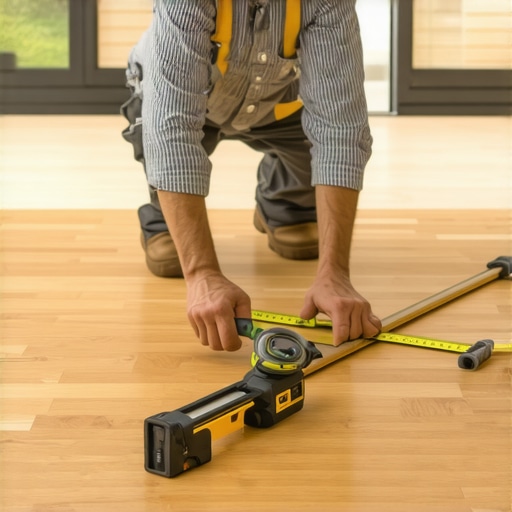
It was a chilly Saturday morning when I stepped into a client’s home, ready to lay down new hardwood floors. As I measured and prepared, I noticed a small gap near the wall that I had missed earlier. Later, that tiny oversight led to squeaky floors and an uneven finish. That lightbulb moment made me realize how crucial expert tips are—what seems like a minor detail can make or break the entire project.
Why Proper Flooring Installation Can Save You Big Time
From my experience, rushing through the basics or ignoring key steps often results in costly repairs or replacements down the line. A flawless, durable finish isn’t just about choosing the right material; it’s about meticulous preparation, precise execution, and knowing which tips professionals swear by. Today, I’ll share some tried-and-true strategies that have helped me deliver results that last for years.
Is Skipping Steps Worth the Risk?
I once thought I could skip the moisture barrier when installing a new tile floor. The result? A few months later, I was back fixing cracked tiles and lifting sections of the floor. The mistake taught me a vital lesson: every step in the installation process matters. According to experts, overlooking critical phases like proper surface prep or using the right adhesive can drastically reduce your flooring’s lifespan. If you’re wondering whether to cut corners, ask yourself if saving time now is worth the potential repair costs later.
If you want your flooring to stand the test of time, I recommend following a comprehensive guide like this expert guide that emphasizes each crucial step. And if you’re ever unsure about your installation skills, don’t hesitate to reach out to professionals. Proper guidance can make all the difference in achieving that flawless finish you’re aiming for.
Now, let’s dive into the practical tips that will help you master the art of flooring installation and ensure your project turns out beautiful and durable for years to come.
Prepare the Surface Like a Pro
Start by removing all old flooring, baseboards, and cleaning the subfloor thoroughly. I once skipped this step and ended up with uneven flooring that creaked every time I walked. Use a heavy-duty cleaner and ensure no debris remains. For concrete slabs, check moisture levels with a meter to avoid future buckling. If moisture is high, install a vapor barrier—this step is crucial for longevity. Proper surface prep is like laying a solid foundation for a house; skip it, and everything else risks failure.
Measure and Plan with Precision
Accurate measurements save headaches later. I once used a quick estimate and ended up with a lot of wasted material. Use a tape measure and chalk line to mark your cuts. For hardwood, leave expansion gaps around the perimeter—about a quarter inch. Think of it like leaving space for your flooring to breathe. When planning, consider doorways and transitions, and pre-cut your pieces to reduce on-site errors. This planning phase is the blueprint for a flawless finish.
Choosing and Applying Adhesives Correctly
Select the right adhesive for your floor type; for instance, use a high-quality urethane glue for vinyl. I once used a weak adhesive, and my vinyl started bubbling after a few weeks. Spread the adhesive evenly with a notched trowel—think of it like icing a cake; consistency matters. Follow manufacturer drying times meticulously. This ensures each piece bonds securely, preventing future lifting or shifting.
Lay the Flooring in Manageable Sections
Work in small sections to maintain control. When installing laminate, I laid a few planks at a time, checking for levelness and tight seams. Use spacers to keep expansion gaps consistent. Tap planks gently with a rubber mallet to click them into place—imagine fitting puzzle pieces snugly. Regularly check alignment with a straightedge. This methodical approach results in a seamless surface that looks professional.
Install Baseboards and Transitions Carefully
After flooring, fit your baseboards last. Remove old baseboards carefully with a pry bar, and measure new pieces precisely. For a clean look, miter corners at 45 degrees. When attaching, nail into wall studs, not drywall—this prevents nail pops. If your walls are uneven, use caulk to fill gaps instead of forcing the baseboard tight. For transition strips between different flooring types, cut and install them level with the surface to avoid tripping hazards. This detail elevates the entire look of your project.
Final Touches for a Flawless Finish
Sand any rough edges and fill nail holes with wood filler. Paint or stain your baseboards before installation for a polished look. I once painted after installation, and drips marred the surface. Use painter’s tape to protect your flooring. Ensure everything is clean and dry before walking on the new surface. These finishing touches transform a good installation into a stunning one, making your space feel truly complete.
If you need professional guidance, don’t hesitate to reach out to experts. Their experience can help avoid costly mistakes and ensure your project lasts for years.
Many homeowners believe they can cut corners when installing flooring, baseboards, or renovating showers, thinking that minor oversights won’t impact the final look or durability. However, this mindset often leads to costly mistakes and frustration. Let’s dig deeper into some of the most common myths and advanced pitfalls that even experienced DIYers can fall prey to—so you can avoid making the same errors.
Why Overlooking Moisture Barriers Can Lead to Long-Term Damage
One widespread misconception is that moisture barriers are optional, especially in dry climates. In reality, moisture issues can develop unexpectedly, causing wood floors to warp or tile to crack. Experts emphasize that installing a vapor barrier is essential for preventing hidden moisture from compromising your investment. A study published in the Journal of Building Engineering highlights that neglecting moisture management is one of the top causes of flooring failures over time. Always ensure your subfloor is dry and properly sealed before proceeding with installation.
The Hidden Danger in Improper Transitions
Many homeowners underestimate the importance of seamless transitions between different flooring types or rooms. Poorly installed transition strips or uneven cuts can create tripping hazards and visually disrupt the flow of your space. For a truly professional finish, measure precisely and level transition strips with the surface—this small detail significantly enhances safety and aesthetics. For expert insights on this, check out this comprehensive guide.
How to Achieve Flawless Showers and Why Neglecting Details Wastes Money
In shower renovations, many focus solely on the tile choice but neglect critical elements like proper slope, waterproofing, and drainage. Skipping these steps or rushing can lead to leaks, mold, and expensive repairs. Advanced installers pay close attention to the slope of the shower floor—about 1/4 inch per foot—and ensure waterproofing membranes are meticulously applied. According to this expert resource, investing time in these details saves money in the long run and guarantees a luxurious, leak-proof shower.
Are You Making These Baseboard Installation Mistakes?
Baseboards might seem simple, but improper installation can undermine your entire interior design. Common errors include nailing into drywall instead of studs, leaving gaps at corners, or not accounting for wall expansion. These mistakes can cause nail pops, gaps, or uneven lines. For a flawless finish, measure carefully, miter corners precisely, and nail into studs whenever possible—this ensures stability and a clean look. Explore this guide for more tips on perfect baseboard installation.
Have you ever fallen into this trap? Let me know in the comments, and remember: paying attention to the details makes all the difference in home renovation success.
How do I keep my flooring, showers, and baseboards looking their best over time?
Proper maintenance is essential to ensure your home renovation investments last for years. Regular cleaning and timely repairs can prevent small issues from turning into costly problems. For flooring, sweeping or vacuuming daily helps remove debris that can scratch or damage the surface. Use gentle cleaners suited for your specific material—hardwood, tile, or carpet—to avoid deterioration. In showers, wiping down tiles and glass surfaces after each use minimizes soap scum and mold buildup. Applying a waterproof sealant annually on grout lines can prevent moisture intrusion, which is vital for long-term durability.
When it comes to baseboards, dusting them weekly with a microfiber cloth keeps dirt from settling into corners. If you notice gaps or nail pops, address these issues promptly by re-nailing or filling with caulk. I recommend inspecting your baseboards and flooring every few months to identify minor damages early. This proactive approach saves you from extensive repairs later and keeps your home looking polished.
Investing in the right tools makes maintenance more effective and less time-consuming. For instance, I swear by a cordless vacuum with a soft brush attachment—it’s perfect for quick cleanups on carpets and hardwood without causing scratches. A microfiber mop with a gentle cleaner works wonders for tile floors. For showers, a squeegee helps prevent water spots and soap scum buildup, while a grout brush equipped with a long handle makes cleaning grout lines easier and less messy. Using a quality caulk remover tool and silicone sealant is also invaluable when resealing baseboards or fixing gaps.
Looking ahead, the trend in home maintenance is moving toward smart tools and automated solutions. Robot vacuums are becoming more sophisticated, capable of maintaining your floors with minimal effort, while moisture sensors can alert you to potential issues before damage occurs. Incorporating these technologies into your routine can save time and extend the lifespan of your renovation investments.
Why is regular upkeep crucial for long-term results?
Consistent maintenance not only preserves the aesthetic appeal of your flooring, showers, and baseboards but also prevents small problems from escalating into expensive repairs. For example, timely grout sealing in showers maintains waterproofing, saving you from mold and water damage. Similarly, regularly inspecting and tightening loose nails or replacing damaged sections of baseboards keeps your walls and flooring securely in place. Think of maintenance as a form of home care that pays dividends in durability and beauty over time.
If you’re unsure about the best maintenance routines or tools for your specific setup, don’t hesitate to reach out to experts. They can provide tailored advice to keep your home looking pristine for years to come. Start incorporating these advanced tips today, and enjoy the peace of mind that comes with a well-maintained home!
Lessons That Changed My Approach to Home Renovation
- Never underestimate the power of thorough surface preparation. Skipping this step cost me dearly in both time and money, and now I always double-check that the subfloor is clean, level, and dry before installing any flooring or tiles.
- Measuring accurately isn’t just about saving material; it’s about ensuring a seamless, professional finish. I learned this the hard way when rushing a project and ending up with awkward cuts and gaps.
- Choosing the right adhesive and applying it correctly makes all the difference. I used a subpar glue once, and it caused my tiles to crack within months. Trusting expert-recommended products and techniques prevents these issues.
- Details matter in finishing touches, from properly mitered corners on baseboards to level transition strips. Small adjustments here elevate the entire look and feel of a space.
- Ongoing maintenance is key—regular cleaning, inspecting for loose nails or grout, and resealing when needed preserves your investment long-term. Neglecting this can undo your hard work over time.
Tools and Resources That Elevate My Work
- Expert Guide to Durable Flooring Installation: This comprehensive resource covers every critical step and saved me from common pitfalls. It’s my go-to reference for complex projects.
- Quality Notched Trowels: I rely on these for even adhesive application, ensuring a strong bond and a smooth finish. Investing in good tools pays off in results.
- Moisture Meter: Knowing the moisture level of my subfloor prevents future buckling or warping—an essential, often overlooked step.
- Specialized Tile Cleaners and Sealants: These keep my tiles looking pristine and protect against water damage, especially in showers.
Step Into the Future of Home Renovation
Embarking on your flooring or shower renovation journey can be daunting, but with the right knowledge and tools, you can achieve stunning, durable results that stand the test of time. Remember, paying attention to details and continuously learning from trusted resources will make your projects smoother and more rewarding. Don’t hesitate to reach out to professionals whenever you feel unsure—expert guidance can transform your home into the sanctuary you envision. Now, it’s your turn: what’s the biggest lesson you’ve learned from your renovation efforts? Share below and inspire others!” ,


One thought on “Expert Flooring Installation Tips for Lasting, Flawless Results”
Laura Mitchell
February 2, 2026 at 9:30 amI really appreciate how this article emphasizes the importance of detailed surface preparation and accurate measurements. I’ve learned from personal experience that rushing or skipping steps like moisture checking or precise planning can lead to long-term issues that are far more costly than the initial effort. The tip about leaving expansion gaps really resonated with me—tiny details like that can make such a difference in preventing squeaks or uneven surfaces over time. I also wonder, for those who have tried both adhesive methods, which do you find more effective for different flooring types? Personally, I’ve had success with high-quality urethane for vinyl and a flexible membrane for hardwood to deal with movement. Would love to hear other pros’ insights on how they adapt their approach based on materials or environments.