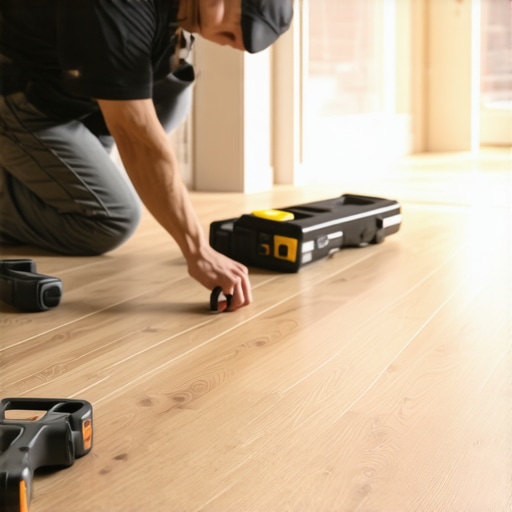
I’ll never forget the time I finished installing new flooring in my living room, only to discover that the baseboards I lovingly painted looked crooked—despite my meticulous measurements. That sinking feeling of realizing that a simple detail could ruin the entire look was eye-opening. It made me realize that the devil truly is in the details when it comes to flooring and finishing touches, and that small mistakes can lead to big frustrations later.
Why Paying Attention to Every Detail Matters More Than You Think
Many homeowners focus on the flooring itself—choosing beautiful tiles, hardwood, or carpet—but overlook the importance of the finishing touches like baseboards and trim. These elements have a huge impact on the overall aesthetic and how long your flooring will last. If these little details aren’t done right, you might find yourself dealing with gaps, warping, or unsightly seams down the line. The good news? With the right expert strategies, you can avoid these pitfalls and enjoy lasting beauty.
Is Investing Time in Proper Installation Really Worth It?
Early in my DIY journey, I made the mistake of rushing through installing baseboards without properly acclimating the materials. The result? Cracks and uneven surfaces shortly after. According to industry experts, improper installation can reduce the lifespan of your flooring and trim by years. That’s why understanding the best practices—like allowing materials to acclimate and using the right tools—can make all the difference. Want to learn how to sidestep these common errors and create a flawless finish? Stay tuned. I’ll share proven tips that transform your project from average to professional-quality, regardless of your skill level.
Prep Materials and Space Like a Pro
Begin by selecting the right materials—high-quality baseboards and flooring suited to your space. Acclimate all materials at room temperature for at least 48 hours to prevent warping or gaps later; this step is crucial, as I learned from my first project where rushing caused cracking. Clear the area completely, remove existing baseboards if possible, and ensure the subfloor is clean, dry, and level. Precise preparation sets a solid foundation for lasting results.
Accurate Measurements and Cutting
Measure walls meticulously using a tape measure and record dimensions carefully. For complex corners or uneven walls, measure in three spots and use the smallest measurement for cuts to fit tight. When cutting baseboards, use a miter saw with sharp blades—think of it as sculpting a perfect puzzle piece. An example: I once mismeasured an angle, leading to gaps—which I fixed by using a coping saw instead of miter cuts, resulting in a sleeker fit for uneven walls.
Seamlessly Attach and Seal
Attach baseboards using finishing nails, driven into wall studs for durability—don’t forget to drill pilot holes to avoid splitting. Use a hammer and nail set to countersink nails, then apply wood filler smoothly to hide nail heads. Paint or stain the baseboards after installation for a polished look. For flooring, lay planks with tight seams and staggered joints—a process akin to laying bricks for stability. Always use spacers to leave expansion gaps near walls and thresholds, preventing buckling over time.
Create a Professional Finish with Caulk and Trim
Apply a high-quality caulk along the top edge of baseboards to conceal slight imperfections and achieve a seamless transition between wall and trim. Smooth with a damp finger or caulk tool to create clean lines. Consider decorative trim or molding for added elegance—these small details elevate the overall aesthetic. During one project, I adorned my baseboards with a subtle ogee profile, which dramatically improved the room’s style and hid minor inconsistencies.
Inspect, Adjust, and Final Touches
Once everything is installed, walk around and look for gaps, uneven edges, or nail pops. Use a level and straightedge to verify alignment—like checking a painting is perfectly hung. Adjust as needed before painting or sealing. Remember, patience during these last steps ensures the finish will last for years. I once rushed last-minute touch-ups, which led to chips during cleaning—taking extra time now saves headaches later.
By following these concrete steps—carefully preparing, measuring precisely, installing securely, and finishing meticulously—you can achieve a professional-quality result in your flooring and baseboard project. For more detailed tips on current trends or advanced techniques, explore baseboard styles in 2025 or consult expert guides on flooring installation.
When it comes to home improvement, many believe that paying attention to the basics suffices. However, even seasoned DIY enthusiasts often overlook nuanced details that can make or break their projects. Let’s explore some misconceptions and advanced mistakes that can lead to costly errors, along with expert insights to elevate your craftsmanship.
Are You Falling for the Myth That All Flooring Adhesives Are Equal?
Many assume that choosing any adhesive will suffice for durable flooring installation. But in reality, the type of adhesive significantly impacts longevity and moisture resistance. For example, using a standard glue in moisture-prone areas without verifying compatibility can cause tiles or vinyl to loosen prematurely. According to industry experts, selecting the right adhesive tailored to your flooring material and environmental conditions is crucial—skimping here is a common but costly mistake. To avoid this, consult manufacturer recommendations or professional guides like expert flooring tips for lasting results.
Why Overlooking Expansion Gaps in Carpet Installation Can Lead to Disaster
A widespread oversight is neglecting to leave sufficient expansion gaps during carpet fitting, especially around fixed objects or irregular room shapes. This seemingly minor step is vital; without it, carpets can buckle or ripple over time, resulting in an uneven appearance and potential tripping hazards. Advanced installers measure and plan for these gaps meticulously, preserving the carpet’s integrity and aesthetic appeal. As revealed in expert guides, proper planning here ensures long-term durability and smooth surfaces, preventing those embarrassing ripples that often occur when homeowners rush through installation. Intrigued? Learn more about stellar carpet installation secrets at professional carpet installation tips.
Advanced Mistakes in Shower Renovations That Even Experts Notice
Many DIYers focus on choosing stylish fixtures or trendy tile patterns but overlook the subtleties of waterproofing and sealant application. A common mistake is assuming that applying silicone alone guarantees a watertight seal, which isn’t always true. Proper shower renovation requires meticulous waterproof membrane installation, correct sloping, and high-quality sealing techniques. According to industry specialists, overlooking these nuances leads to leaks, mold growth, and costly repairs later. Dive deeper into creating a spa-like shower experience, and avoid these pitfalls, in luxury shower renovation tips.
Tools I Recommend for Longevity and Precision
Maintaining the quality of your flooring, baseboards, and shower fixtures over time requires not just diligence but also the right equipment. I personally swear by a high-quality oscillating multi-tool, like the Fein MultiMaster, which allows me to sand, cut, and remove grout or caulk in tight corners without damaging surrounding areas. Its variable speed feature gives me control during delicate tasks like re-sealing shower joints, ensuring a watertight and professional finish. When it comes to measuring, I rely on a laser distance measurer such as the Leica DISTO, which offers pinpoint accuracy and saves me from the inaccuracies of tape measures, especially in larger rooms or tricky angles. For proper cleaning and preventing buildup that can compromise tap and sealant longevity, a steam cleaner like the Wagner SteamMachine comes in handy—its UV light helps kill mold spores and bacteria, keeping your fixtures fresh longer.
How Do I Maintain My Installations Over Time?
Regular inspection is key. Check for signs of wear, loose fittings, or gaps in grout and caulk every six months. Reseal grout lines or recaulk edges proactively before minor issues turn into costly repairs. Using a soft cloth and mild detergent prevents grime from corroding delicate surfaces. For flooring, keeping dirt and debris off the surface protects against scratches and warping—consider an entryway mat that traps those particles effectively. Upgrading your tools periodically ensures you’re always working with the best equipment; modern cordless tools with brushless motors, like those from Milwaukee or DeWalt, offer increased durability and battery life, making maintenance less of a chore and more effective. Industry experts recommend consulting specific tool guides, such as the [review on professional flooring tools](https://tilecraftsmens.com/expert-flooring-installation-tips-for-lasting-durability-in-2024-2), to select the best equipment suited for your project’s scale and complexity.
Be proactive today—try using a laser measuring device to double-check your previous measurements before the next project phase, and experience how precise adjustments can prevent long-term issues. For detailed advice on selecting quality tools, visit contact us.
Over the years, I’ve learned that the true magic in home improvement lies beyond the obvious choices. It’s in those subtle decisions—like the precision of a miter cut or the seamless application of caulk—that determine whether a project feels professional or amateurish. These lessons didn’t come easily; they were born from countless trial, error, and moments of realization.
The Hard-Won Wisdom Few Share About Finishing Touches
- Patience Pays Off: Rushing through measurements or skipping acclimation steps may save time initially but cost you durability and aesthetic appeal in the long run. Taking the extra moment to double-check can prevent cracking, warping, or gaps—saving frustration down the line.
- The Power of Small Adjustments: Slight tweaks in nail placement or caulk smoothing can dramatically improve the final look. These detail-oriented actions often distinguish a good job from a truly polished finish.
- The Value of Proper Tools and Techniques: Investing in quality tools like a laser distance measurer or a fine-quality miter saw ensures precision and consistency. Mastering their use transforms a good project into an exceptional one, making repairs and adjustments smoother and more accurate.
- Anticipate Expansion and Movement: Leaving strategic gaps around flooring or trim isn’t just a manufacturer guideline—it’s critical for accommodating material movement. Overlooking this can result in unsightly warping or buckling over time, which is both costly and unsatisfying.
- Stay Curious and Keep Learning: Home improvement evolves, and new techniques or materials can make your work easier and more durable. Engaging with expert guides or trusted blogs, such as latest baseboard trends, keeps your skills sharp and your results professional.
Tools That Elevate Every Detail of Your Project
- Laser distance measurer: Achieve perfect measurements quickly, reducing errors and rework.
- High-quality miter saw: Slice crown molding and baseboards with precision, fitting even the most complex corners.
- Steaming cleaner: Keep grout lines and caulk fresh, prolonging the life of your installations.
- Reliable caulking tools: Achieve smooth, professional-looking sealant lines that enhance the visual appeal and prevent leaks.
Take Action—Your Home Deserves It
Remember, it’s often the unseen details that leave a lasting impression. By embracing patience, honing your technique, and investing in the right tools, you can transform ordinary renovations into extraordinary results that stand the test of time. Don’t let those tiny imperfections diminish your hard work—attention to detail is the secret to truly elevating your home. Ready to dive deeper? Explore simple updates for baseboards or reach out for expert guidance on implementing these strategies effectively. Your next project will thank you!”}#}#}#}#}#}#}#}#}#}#}#}#}#}#}#}#}#}#}#}#}#}#}#}#}#}#}#}#}#}#}#}#}#}#}#}#}#}#}#}#}#}#}#}#}#}#}#}#}#}#}#}#}#}#}#}#}#}#}#}#}#}#}#}#}#}#}#}#}#}#}#}#}#}#}#}#}#}#}#}#}#}#}#}#}#}#}#}#}#}#}#}#}#}#}#}#}#}#}#}#}#}#}#}#}#}#}#}#}#}#}#}#}#}#}#}#}#}#}#}#}#}#}#}#}#}#}#}#}#}#}#}#}#}#}#}#}#}#}#}#}#}#}#}#}#}#}#}#}#}#}#}#}#}#}#}#}#}#}#}#}#}#}#}#}#}#}#}#}#}#}#}#}#}#}#}#}#}#}#}#}#}#}#}#}#}#}#}#}#}#}#}#}#}#}#}#}#}#}#}#}#}#}#}#}#}#}#}#}#}#}#}#}#}#}#}#}#}#}#}#}#}#}#}#}#}#}#}#}#}#}#}#}#}#}#}#}#}#}#}#}#}#}#}#}#}#}#}#}#}#}#}#}#}#}#}#}#}#}#}#}#}#}#}#}#}#}#}#}#}#}#}#}#}#}#}#}#}#}#}#}#}#}#}#}#}#}#}#}#}#}#}#}#}#}#}#}#}#}#}#}#}#}#}#}#}#}#}#}#}#}#}#}#}#}#}#}#}#}#}#}#}#}#}#}#}#}#}#}#}#}#}#}#}#}#}#}#}#}#}#}#}#}#}#}#}#}#}#}#}#}#}#}#}#}#}#}#}#}#}#}#}#}#}#}#}#}#}#}#}#}#}#}#}#}#}#}#}#}#}#}#}#}#}#}#}#}#}#}#}#}#}#}#}#}#}#}#}#}#}#}#}#}#}#}#}#}#}#}#}#}#}#}#}#}#}#}#}#}#}#}#}#}#}#}#}#}#}#}#}#}#}#}#}#}#}#}#}#}#}#}#}#}#}#}#}#}#}#}#}#}#}#}#}#}#}#}#}#}#}#}#}#}#}#}#}#}#}#}#}#}#}#}#}#}#}#}#}#}#}#}#}#}#}#}#}#}#}#}#}#}#}#}#}#}#}#}#}#}#}#}#}#}#}#}#}#}#}#}#}#}#}#}#}#}#}#}#}#}#}#}#}#}#}#}#}#}#}#}#}#}#}#}#}#}#}#}#}#}#}#}#}#}#}#}#}#}#}#}#}#}#}#}#}#}#}#}#}#}#}#}#}#}#}#}#}#}#}#}#}#}#}#}#}#}#}#}#}#}#}#}#}#}#}#}#}#}#}#}#}#}#}#}#}#}#}#}#}#}#}#}#}#}#}#}#}#}#}#}#}#}#}#}#}#}#}#}#}#}#}#}#}#}#}#}#}#}#}#}#}#}#}#}#}#}#}#}#}#}#}#}#}#}#}#}#}#}#}#}#}#}#}#}#}#}#}#}#}#}#}#}#}#}#}#}#}#}#}#}#}#}#}#}#}#}#}#}#}#}#}#}#}#}#}#}#}#}#}#}#}#}#}#}#}#}#}#}#}#}#}#}#}#}#}#}#}#}#}#}#}#}#}#}#}#}#}#}#}#}#}#}#}#}#}#}#}#}#}#}#}#}#}#}#}#}#}#}#}#}#}#}#}#}#}#}#}#}#}#}#}#}#}#}#}#}#}#}#}#}#}#}#}#}#}#}#}#}#}#}#}#}#}#}#}#}#}#}#}#}#}#}#}#}#}#}#}#}#}#}#}#}#}#}#}#}#}#}#}#}#}#}#}#}#}#}#}#}#}#}#}#}#}#}#}#}#}#}#}#}#}#}#}#}#}#}#}#}#}#}#}#}#}#}#}#}#}#}#}#}#}#}#}#}#}#}#}#}#}#}#}#}#}#}#}#}#}#}#}#}#}#}#}#}#}#}#}#}#}#}#}#}#}#}#}#}#}#}#}#}#}#}#}#}#}#}#}#}#}#}#}#}#}#}#}#}#}#}#}#}#}#}#}#}#}#}#}#}#}#}#}#}#}#}#}#}#}#}#}#}#}#}#}#}#}#}#}#}#}#}#}#}#}#}#}#}#}#}#}#}#}#}#}#}#}#}#}#}#}#}#}#}#}#}#}#}#}#}#}#}#}#}#}#}#}#}#}#}#}#}#}#}#}#}#}#}#}#}#}#}#}#}#}#}#}#}#}#}#}#}#}#}#}#}#}#}#}#}#}#}#}#}#}#}#}#}#}#}#}#}#}#}#}#}#}#}#}#}#}#}#}#}#}#}#}#}#}#}#}#}#}#}#}#}#}#}#}#}#}#}#}#}#}#}#}#}#}#}#}#}#}#}#}#}#}#}#}#}#}#}#}#}#}#}#}#}#}#}#}#}#}#}#}#}#}#}#}#}#}#}#}#}#}#}#}#}#}#}#}#}#}#}#}#}#}#}#}#}#}#}#}#}#}#}#}#}#}#}#}#}#}#}#}#}#}#}#}#}#}#}#}#}#}#}#}#}#}#}#}#}#}#}#}#}#}#}#}#}#}#}#}#}#}#}#}#}#}#}#}#}#}#}#}#}#}#}#}#}#}#}#}#}#}#}#}#}#}#}#}#}#}#}#}#}#}#}#}#}#}#}#}#}#}#}#}#}#}#}#}#}#}#}#}#}#}#}#}#}#}#}#}#}#}#}#}#}#}#}#}#}#}#}#}#}#}#}#}#}#}#}#}#}#}#}#}#}#}#}#}#}#}#}#}#}#}#}#}#}#}#}#}#}#}#}#}#}#}#}#}#}#}#}#}#}#}#}#}#}#}#}#}#}#}#}#}#}#}#}#}#}#}#}#}#}#}#}#}#}#}#}#}#}#}#}#}#}#}#}#}#}#}#}#}#}#}#}#}#}#}#}#}#}#}#}#}#}#}#}#}#}#}#}#}#}#}#}#}#}#}#}#}#}#}#}#}#}#}#}#}#}#}#}#}#}#}#}#}#}#}#}#}#}#}#}#}#}#}#}#}#}#}#}#}#}#}#}#}#}#}#}#}#}#}#}#}#}#}#}#}#}#}#}#}#}#}#}#}#}#}#}#}#}#}#}#}#}#}#}#}#}#}#}#}#}#}#}#}#}#}#}#}#}#}#}#}#}#}#}#}#}#}#}#}#}#}#}#}#}#}#}#}#}#}#}#}#}#}#}#}#}#}#}#}#}#}#}#}#}#}#}#}#}#}#}#}#}#}#}#}#}#}#}#}#}#}#}#}#}#}#}#}#}#}#}#}#}#}#}#}#}#}#}#}#}#}#}#}#}#}#}#}#}#}#}#}#}#}#}#}#}#}#}#}#}#}#}#}#}#}#}#}#}#}#}#}#}#}#}#}#}#}#}#}#}#}#}#}#}#}#}#}#}#}#}#}#}#}#}#}#}#}#}#}#}#}#}#}#}#}#}#}#}#}#}#}#}#}#}#}#}#}#}#}#}#}#}#}#}#}#}#}#}#}#}#}#}#}#}#}#}#}#}#}#}#}#}#}#}#}#}#}#}#}#}#}#}#}#}#}#}#}#}#}#}#}#}#}#}#}#}#}#}#}#}#}#}#}#}#}#}#}#}#}#}#}#}#}#}#}#}#}#}#}#}#}#}#}#}#}#}#}#}#}#}#}#}#}#}#}#}#}#}#}#}#}#}#}#}#}#}#}#}#}#}#}#}#}#}#}#}#}#}#}#}#}#}#}#}#}#}#}#}#}#}#}#}#}#}#}#}#}#}#}#}#}#}#}#}#}#}#}#}#}#}#}#}#}#}#}#}#}#}#}#}#}#}#}#}#}#}#}#}#}#}#}#}#}#}#}#}#}#}#}#}#}#}#}#}#}#}#}#}#}#}#}#}#}#}#}#}#}#}#}#}#}#}#}#}#}#}#}#}#}#}#}#}#}#}#}#}#}#}#}#}#}#}#}#}#}#}#}#}#}#}#}#}#}#}#}#}#}#}#}#}#}#}#}#}#}#}#}#}#}#}#}#}#}#}#}#}#}#}#}#}#}#}#}#}#}#}#}#}#}#}#}#}#}#}#}#}#}#}#}#}#}#}#}#}#}#}#}#}#}#}#}#}#}#}#}#}#}#}#}#}#}#}#}#}#}#}#}#}#}#}#}#}#}#}#}#}#}#}#}#}#}#}#}#}#}#}#}#}#}#}#}#}#}#}#}#}#}#}#}#}#}#}#}#}#}#}#}#}#}#}#}#}#}#}#}#}#}#}#}#}#}#}#}#}#}#}#}#}#}#}#}#}#}#}#}#}#}#}#}#}#}#}#}#}#}#}#}#}#}#}#}#}#}#}#}#}#}#}#}#}#}#}#}#}#}#}#}#}#}#}#}#}#}#}#}#}#}#}#}#}#}#}#}#}#}#}#}#}#}#}#}#}#}#}#}#}#}#}#}#}#}#}#}#}#}#}#}#}#}#}#}#}#}#}#}#}#}#}#}#}#}#}#}#}#}#}#}#}#}#}#}#}#}#}#}#}#}#}#}#}#}#}#}#}#}#}#}#}#}#}#}#}#}#}#}#}#}#}#}#}#}#}#}#}#}#}#}#}#}#}#}#}#}#}#}#}#}#}#}#}#}#}#}#}#}#}#}#}#}#}#}#}#}#}#}#}#}#}#}#}#}#}#}#}#}#}#}#}#}#}#}#}#}#}#}#}#}#}#}#}#}#}#}#}#}#}#}#}#}#}#}#}#}#}#}#}#}#}#}#}#}#}#}#}#}#}#}#}#}#}#}#}#}#}#}#}#}#}#}#}#}#}#}#}#}#}#}#}#}#}#}#}#}#}#}#}#}#}#}#}#}#}#}#}#}#}#}#}#}#}#}#}#}#}#}#}#}#}#}#}#}#}#}#}#}#}#}#}#}#}#}#}#}#}#}#}#}#}#}#}#}#}#}#}#}#}#}#}#}#}#}#}#}#}#}#}#}#}#}#}#}#}#}#}#}#}#}#}#}#}#}#}#}#}#}#}#}#}#}#}#}#}#}#}#}#}#}#}#}#}#}#}#}#}#}#}#}#}#}#}#}#}#}#}#}#}#}#}#}#}#}#}#}#}#}#}#}#}#}#}#}#}#}#}#}#}#}#}#}#}#}#}#}#}#}#}#}#}#}#}#}#}#}#}#}#}#}#}#}#}#}#}#}#}#}#}#}#}#}#}#}#}#}#}#}#}#}#}#}#}#}#}#}#}#}#}#}#}#}#}#}#}#}#}#}#}#}#}#}#}#}#}#}#}#}#}#}#}#}#}#}#}#}#}#}#}#}#}#}#}#}#}#}#}#}#}#}#}#}#}#}#}#}#}#}#}#}#}#}#}#}#}#}#}#}#}#}#}#}#}#}#}#}#}#}#}#}#}#}#}#}#}#}#}#}#}#}#}#}#}#}#}#}#}#}#}#}#}#}#}#}#}#}#}#}#}#}#}#}#}#}#}#}#}#}#}#}#}#}#}#}#}#}#}#}#}#}#}#}#}#}#}#}#}#}#}#}#}#}#}#}#}#}#}#}#}#}#}#}#}#}#}#}#}#}#}#}#}#}#}#}#}#}#}#}#}#}#}#}#}#}#}#}#}#}#}#}#}#}#}#}#}#}#}#}#}#}#}#}#}#}#}#}#}#}#}#}#}#}#}#}#}#}#}#}#}#}#}#}#}#}#}#}#}#}#}#}#}#}#}#}#}#}#}#}#}#}#}#}#}#}#}#}#}#}#}#}#}#}#}#}#}#}#}#}#}#}#}#}#}#}#}#}#}#}#}#}#}#}#}#}#}#}#}#}#}#}#}#}#}#}#}#}#}#}#}#}#}#}#}#}#}#}#}#}#}#}#}#}#}#}#}#}#}#}#}#}#}#}#}#}#}#}#}#}#}#}#}#}#}#}#}#}#}#}#}#}#}#}#}#}#}#}#}#}#}#}#}#}#}#}#}#}#}#}#}#}#}#}#}#}#}#}#}#}#}#}#}#}#}#}#}#}#}#}#}#}#}#}#}#}#}#}#}#}#}#}#}#}#}#}#}#}#}#}#}#}#}#}#}#}#}#}#}#}#}#}#}#}#}#}#}#}#}#}#}#}#}#}#}#}#}#}#}#}#}#}#}#}#}#}#}#}#}#}#}#}#}#}#}#}#}#}#}#}#}#}#}#}#}#}#}#}#}#}#}#}#}#}#}#}#}#}#}#}#}#}#}#}#}#}#}#}#}#}#}#}#}#}#}#}#}#}#}#}#}#}#}#}#}#}#}#}#}#}#}#}#}#}#}#}#}#}#}#}#}#}#}#}#}#}#}#}#}#}#}#}#}#}#}#}#}#}#}#}#}#}#}#}#}#}#}#}#}#}#}#}#}#}#}#}#}#}#}#}#}#}#}#}#}#}#}#}#}#}#}#}#}#}#}#}#}#}#}#}#}#}#}#}#}#}#}#}#}#}#}#}#}#}#}#}#}#}#}#}#}#}#}#}#}#}#}#}#}#}#}#}#}#}#}#}#}#}#}#}#}#}#}#}#}#}#}#}#}#}#}#}#}#}#}#}#}#}#}#}#}#}#}#}#}#}#}#}#}#}#}#}#}#}#}#}#}#}#}#}#}#}#}#}#}#}#}#}#}#}#}#}#}#}#}#}#}#}#}#}#}#}#}#}#}#}#}#}#}#}#}#}#}#}#}#}#}#}#}#}#}#}#}#}#}#}#}#}#}#}#}#}#}#}#}#}#}#}#}#}#}#}#}#}#}#}#}#}#}#}#}#}#}#}#}#}#}#}#}#}#}#}#}#}#}#}#}#}#}#}#}#}#}#}#}#}#}#}#}#}#}#}#}#}#}#}#}#}#}#}#}#}#}#}#}#}#}#}#}#}#}#}#}#}#}#}#}#}#}#}#}#}#}#}#}#}#}#}#}#}#}#}#}#}#}#}#}#}#}#}#}#}#}#}#}#}#}#}#}#}#}#}#}#}#}#}#}#}#}#}#}#}#}#}#}#}#}#}#}#}#}#}#}#}#}#}#}#}#}#}#}#}#}#}#}#}#}#}#}#}#}#}#}#}#}#}#}#}#}#}#}#}#}#}#}#}#}#}#}#}#}#}#}#}#}#}#}#}#}#}#}#}#}#}#}#}#}#}#}#}#}#}#}#}#}#}#}#}#}#}#}#}#}#}#}#}#}#}#}#}#}#}#}#}#}#}#}#}#}#}#}#}#}#}#}#}#}#}#}#}#}#}#}#}#}#}#}#}#}#}#}#}#}#}#}#}#}#}#}#}#}#}#}#}#}#}#}#}#}#}#}#}#}#}#}#}#}#}#}#}#}#}#}#}#}#}#}#}#}#}#}#}#}#}#}#}#}#}#}#}#}#}#}#}#}#}#}#}#}#}#}#}#}#}#}#}#}#}#}#}#}#}#}#}#}#}#}#}#}#}#}#}#}#}#}#}#}#}#}#}#}#}#}#}#}#}#}#}#}#}#}#}#}#}#}#}#}#}#}#}#}#}#}#}#}#}#}#}#}#}#}#}#}#}#}#}#}#}#}#}#}#}#}#}#}#}#}#}#}#}#}#}#}#}#}#}#}#}#}#}#}#}#}#}#}#}#}#}#}#}#}#}#}#}#}#}#}#}#}#}#}#}#}#}#}#}#}#}#}#}#}#}#}#}#}#}#}#}#}#}#}#}#}#}#}#}#}#}#}#}#}#}#}#}#}#}#}#}#}#}#}#}#}#}#}#}#}#}#}#}#}#}#}#}#}#}#}#}#}#}#}#}#}#}#}#}#}#}#}#}#}#}#}#}#}#}#}#}#}#}#}#}#}#}#}#}#}#}#}#}#}#}#}#}#}#}#}#}#}#}#}#}#}#}#}#}#}#}#}#}#}#}#}#}#}#}#}#}#}#}#}#}#}#}#}#}#}#}#}#}#}#}#}#}#}#}#}#}#}#}#}#}#}#}#}#}#}#}#}#}#}#}#}#}#}#}#}#}#}#}#}#}#}#}#}#}#}#}#}#}#}#}#}#}#}#}#}#}#}#}#}#}#}#}#}#}#}#}#}#}#}#}#}#}#}#}#}#}#}#}#}#}#}#}#}#}#}#}#}#}#}#}#}#}#}#}#}#}#}#}#}#}#}#}#}#}#}#}#}#}#}#}#}#}#}#}#}#}#}#}#}#}#}#}#}#}#}#}#}#}#}#}#}#}#}#}#}#}#}#}#}#}#}#}#}#}#}#}#}#}#}#}#}#}#}#}#}#}#}#}#}#}#}#}#}#}#}#}#}#}#}#}#}#}#}#}#}#}#}#}#}#}#}#}#}#}#}#}#}#}#}#}#}#}#}#}#}#}#}#}#}#}#}#}#}#}#}#}#}#}#}#}#}#}#}#}#}#}#}#}#}#}#}#}#}#}#}#}#}#}#}#}#}#}#}#}