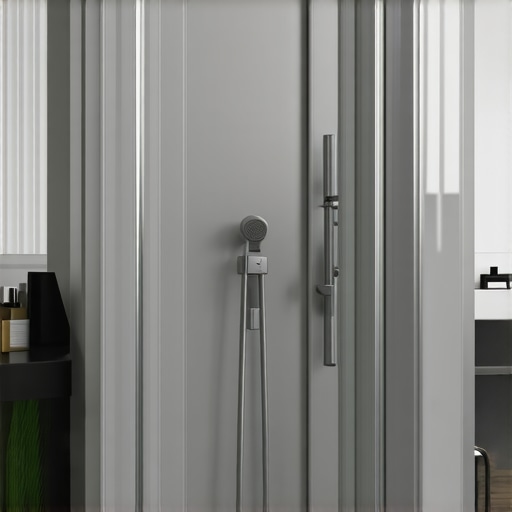
Imagine standing in your shower, water cascading over you, and feeling… disappointed. The grout’s looking grimy, the tiles are outdated, and the whole space just doesn’t feel like a luxurious retreat anymore. I had that moment last year when my old shower suddenly looked more distressed than stylish, and I realized it was time for a change. Let me tell you—if you’re reading this, chances are you’ve faced the same frustration.
Why a Shower Makeover Can Change Your Entire Bathroom Experience
Upgrading your shower isn’t just about aesthetics—it’s about creating a space that rejuvenates you every morning. A modern shower can elevate your entire bathroom, boost your home’s value, and even make daily routines more enjoyable. Plus, with innovative ideas and smart renovation tips, transforming your shower has never been easier or more affordable.
Question: Is a Bathroom Shower Renovation Worth the Hassle?
At first, I was worried about the mess, the cost, and whether the results would live up to all the hype. Early on, I made a common mistake: I underestimated the importance of proper planning and choosing durable materials. The truth is, rushing into a renovation without research can lead to costly mistakes and disappointment. I learned that investing in expert guidance and quality materials makes a huge difference—something you can explore in detail at this guide.
Did you know that a well-designed, modern shower can add 10-20% to your home’s value? According to real estate experts, bathroom upgrades are among the most effective ways to boost property appeal. So, yes—if approached thoughtfully, your renovation can be a game-changer.
Next, I’ll walk you through simple yet impactful ideas to upgrade your shower and make your bathroom feel like a personal spa.
Removing Old Tiles and Preparing the Surface
Begin by turning off the water supply and covering drains to prevent debris from falling in. Carefully chip away the existing grout and tiles using a chisel and hammer—imagine peeling an orange, gently but deliberately. Safety goggles and gloves are essential to protect against shards. Once tiles are removed, inspect the wall for damage; replace or repair drywall, ensuring a smooth, clean surface.
Waterproofing and Installing a Shower Base
Next, apply a high-quality waterproof membrane over the walls and floor—think of it as the shower’s skin, preventing water from seeping into unwanted places. For the base, choose a durable, non-slip material like acrylic or ceramic. Set the base level on a bed of mortar, using a level as your guide—accuracy here prevents future leaks. Secure the base according to manufacturer instructions, sealing any gaps with silicone caulk to ensure a watertight seal.
Installing Shower Walls and Enclosure
Attaching wall panels or tiling is a critical step. For tiling, apply a layer of thin-set mortar evenly on the wall, then press tiles firmly into place, starting from the bottom and working upward. Maintain consistent grout lines using spacers—like building a perfect brick wall. For a quicker upgrade, consider acrylic panels; they click into place with minimal fuss. Ensure all seams are sealed with waterproof caulk to prevent water infiltration.
Flooring and Baseboards for a Finished Look
Choose a slip-resistant flooring that complements your style—remnants from my last renovation include pebble tiles that give a spa-like feel. Install the flooring by applying adhesive and pressing tiles firmly, allowing for proper spacing. Once set, grout the tiles and seal with a waterproof finish. For the edges, install baseboards to hide gaps and add aesthetic appeal. Use a level to ensure they sit flush against the wall, and finish with a matching coat of paint or stain to tie the room together.
Sealing and Final Touches
Finally, apply a high-quality silicone sealant around corners, edges, and fixtures—think of it as giving your shower a protective coat. This step prevents water from creeping into seams and damaging your work over time. Reconnect the water supply, and carefully test for leaks—run water, observe, and adjust if necessary. Remember, patience during this phase pays off with a durable, beautiful shower that feels like a retreat every time you step in.
Throughout this process, attention to detail is key. Rushing a step or neglecting proper sealing can lead to leaks and costly repairs down the line. If you’d like to explore more about durable flooring options or stylish baseboard updates, check out this comprehensive guide or these simple updates. Ensuring each stage is done correctly guarantees a flawless, long-lasting transformation.When tackling bathroom upgrades, many homeowners believe that following basic tutorials guarantees perfect results. However, even seasoned DIYers or professionals can fall for subtle pitfalls that compromise the longevity and aesthetic of their renovations. Let’s dig deeper into some widespread misconceptions and advanced mistakes that often go unnoticed, which can sabotage your efforts if unaddressed.
One prevalent myth is that all flooring materials are equally straightforward to install. For instance, many assume that luxury vinyl planks or laminate flooring require no special preparation, but in reality, improper subflooring can lead to warping, creaking, or gaps over time. Experts emphasize the importance of assessing moisture levels and ensuring a flat, stable surface before installation. Skipping this crucial step can result in costly repairs down the line. For thorough guidance, check out this guide.
In the realm of shower renovations, a common oversight involves the choice of waterproofing methods. Many believe that applying a basic membrane suffices, yet advanced water management requires multiple layers and meticulous sealing. Overlooking the details here can lead to leaks and mold issues. A nuanced approach—such as integrating a waterproofing membrane with proper drain slope and sealing all joints—can save you from future headaches. Experts recommend consulting detailed strategies at this resource.
When installing baseboards, a hidden nuance often goes unnoticed—expanding and contracting with temperature and humidity changes. Simply nailing them flush without allowance for movement can cause cracking or warping. Using flexible caulk instead of rigid adhesives in certain areas preserves the look and structural integrity over time. Additionally, selecting the right profile and finish enhances both function and style, as highlighted in this article.
**What about advanced questions like** “How do I ensure a seamless transition between different flooring types or wall finishes in a bathroom?” This involves precise measurements, the use of transition strips, and careful planning to accommodate different materials’ expansion rates—details that even experienced renovators should master. For an in-depth explanation, see this guide.
Let’s not forget the mistake of rushing the curing and sealing phases. Especially with grout and sealants, patience ensures durability. Applying sealant prematurely or before the surface is fully prepared can compromise moisture barriers and cause mold growth or discoloration.
Understanding these hidden nuances and debunking common myths can dramatically improve your renovation outcomes, extending their lifespan and beauty. Don’t underestimate the importance of detailed planning and expert guidance—it’s the key to a flawless upgrade.
Have you ever fallen into this trap? Let me know in the comments.
Keeping It Running: Reliable Tools and Maintenance Tips
When it comes to maintaining your bathroom upgrades—be it a new shower, flooring, or baseboards—having the right tools makes all the difference. I personally swear by a high-quality, adjustable multi-tool like the *Dewalt DCS367* because its versatility lets me cut tiles, trim grout, and modify fixtures without switching devices. For detailed tile or floor surface inspections, a digital laser level such as the *Bosch GSL100* ensures that all elements stay perfectly aligned over time, which is critical in preventing future leaks or uneven surfaces.
To keep sealed joints and grout lines in pristine condition, I regularly use a silicone caulking gun with a precision nozzle—this helps prevent overapplication and uneven edges. Remember, maintenance isn’t just about tools; it’s also about routine inspections. Checking for signs of water seepage or grout deterioration every six months can catch small issues before they turn into costly repairs. Incorporating a mold-resistant sealant annually can extend the lifespan of your shower and flooring, maintaining both beauty and functionality.
As technology advances, smart moisture sensors like the *Fibaro Flood Sensor* are becoming more popular. These devices monitor humidity levels and alert you immediately if moisture is detected where it shouldn’t be—an excellent way to prevent water damage in bathrooms with complex tile or flooring installations. For a seamless integration, pairing sensors with your smartphone app means you’re alerted immediately, even if you’re away from home.
How do I maintain my flooring and baseboards to last years?
To ensure your flooring and baseboards maintain their appeal, it’s essential to use appropriate cleaning agents—avoid harsh chemicals that can damage finishes or cause warping. Regular gentle sweeping followed by damp mopping with pH-neutral cleaners preserves their integrity. For baseboards, a quick sanding or touch-up with matching paint or stain every few years keeps them looking fresh, especially in high-traffic areas. Upgrading your baseboards with decorative profiles—like those shown in this guide—not only refreshes the aesthetic but also adds a layer of durability if you choose moisture-resistant materials.
Looking ahead, I predict that integrating IoT-enabled maintenance tools will become standard practice, making home care more proactive and efficient. And don’t forget—regularly inspecting your sealants and joints, as recommended by experts, is the best way to reserve the beauty and functionality of your bathroom upgrade. For instance, detailed waterproofing strategies are outlined clearly in this trusted resource.
Now, I encourage you to try incorporating a smart moisture sensor into your routine. It’s a small investment that provides massive peace of mind, especially in bathrooms with intricate installations or high humidity levels. Proper maintenance with the right tools ensures your renovation remains stunning and durable for years to come.
3 Revelations That Changed How I Approach Shower and Flooring Upgrades
- Never underestimate the power of meticulous planning; rushing through surface preparations can sabotage the entire project. Taking the time to assess moisture levels and ensure a perfectly flat subfloor saved me from future warping and cracks.
- Quality materials matter more than I imagined. Investing in top-tier waterproof membranes and durable tiles meant fewer issues down the line, keeping maintenance minimal and results stunning.
- Small details make a massive difference—like sealing every seam with high-quality silicone and using the right caulk. These tiny steps prevent leaks and mold, prolonging the life of my upgrade beyond expectations.
My Toolbox for a Peaceful Renovation
A few trusted tools made all the difference in my bathroom transformation. I rely on a versatile multi-tool like the Dewalt DCS367 for cutting tiles and trimming grout with precision. For perfect wall alignment, a digital laser level such as the Bosch GSL100 ensures everything sits flush. Regular inspections with a moisture sensor like the Fibaro Flood Sensor keep water issues at bay. These tools, coupled with gentle cleaning agents and routine seals, have kept my bathroom looking great and functioning perfectly for years.
Seize the Moment: Your Bathroom Makeover Awaits
Embarking on a bathroom renovation might seem daunting, but with a clear plan and the right mindset, you can create a space that feels like your personal spa. Remember, every detail counts—from surface prep to sealing corners—so take your time and enjoy the process. If I can do it, so can you—start transforming your bathroom today and enjoy the fresh, luxurious space you deserve.
Have you ever struggled with deciding which waterproofing method is best? Share your experiences below—I’d love to hear your story and offer tips!
.