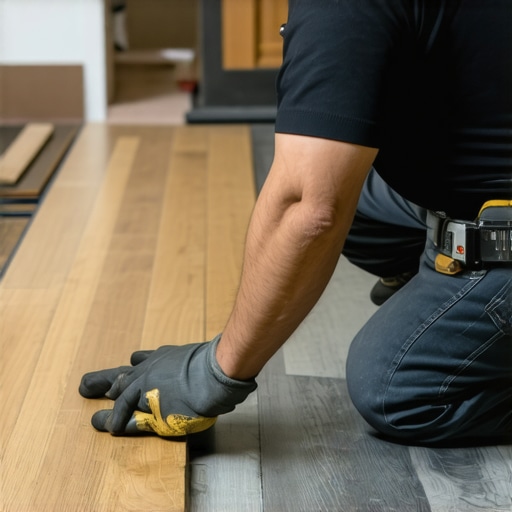
It was late at night when I finally stepped back to admire my latest flooring project, only to realize I had made a rookie mistake—gaping gaps along the edges, uneven seams, and a finish that looked more DIY than professional. That frustrating moment was a lightbulb moment for me. I’ve been there, tangled in the chaos of trying to get everything just right, only to end up with results that fall short of my standards.
If you’ve ever faced similar setbacks—struggling to make your flooring look flawless despite countless attempts—you’re not alone. Honestly, I used to think that installing floors was just about laying down a few planks or tiles. But over time, I discovered that the true secret to success lies in mastering a handful of top installation tips, ensuring your results are durable, beautiful, and seamless.
Today, I promise to share these insights with you. Whether you’re tackling hardwood, laminate, carpet, or tiles, the principles I’ll cover will help you avoid common pitfalls and elevate your DIY game. No more second-guessing or fixing up mistakes after the fact—just confident, professional-looking results that last.
Why Proper Preparation is the Key to Perfect Floors
Before even opening that box of flooring materials, the most vital step is proper preparation. Skipping this can turn what should be a straightforward project into a nightmare. I learned this the hard way early in my journey—trying to rush through the prep stage only led to uneven surfaces and gaps later on.
Start by assessing your subfloor thoroughly. Make sure it’s clean, level, and dry. Uneven surfaces are a common culprit behind crooked seams and creaky floors. A good rule of thumb? Invest time in leveling and patching areas that aren’t up to par. I once neglected this step and paid the price with a buckling floor that I had to redo.
In addition, acclimate your flooring materials to your home environment. This helps prevent expansion or contraction after installation. Remember, materials like hardwood can expand up to 2% with humidity changes, so give them a few days in the room to stabilize. If you’re considering a style update, check out the latest baseboard trends in 2025 to match your new floors.
Finally, planning your layout carefully can save hours of hassle. Measure your space meticulously and plan your pattern to minimize waste. I once started laying tiles without a proper layout, and ended up with awkward cuts and mismatched seams—wasted material and frustration in equal measure.
Getting this prep right sets a solid foundation, literally and figuratively, for your project. It’s often overlooked, but trust me, it makes all the difference in the world. Once your foundation is solid, the actual installation becomes much smoother—and successful results almost guaranteed.
If you’ve faced similar struggles or have other questions about preparing your space, I encourage you to reach out to experts. You can always contact us for personalized advice.
Next, let’s dive into the essential tools and techniques that will turn your prepping step into a flawless finish. Ready to become your own flooring expert? Let’s go!
Set Up Your Work Zone Efficiently
Begin by clearing the room completely, removing furniture and obstacles, similar to preparing a canvas before painting. Protect your flooring edges with painter’s tape or plastic sheeting to catch dust and debris. This initial step prevents accidental damage and keeps your workspace organized. I once overlooked this and ended up staining my baseboards—learning the hard way that a tidy setup saves time and hassle.
Measure and Plan Precisely
Use a tape measure and chalk line to mark your layout. Think of it like laying out a roadmap—getting the proportions right avoids awkward cuts and misaligned seams. For example, I once started laying tiles without planning, which led to uneven edges and wasted material. Measure twice, cut once is the mantra here.
Prepare and Level the Subfloor
Ensure your subfloor is clean, dry, and level. Use a level or straightedge to identify uneven spots, filling dips with a patching compound or sanding high spots down. Imagine trying to walk on a bumpy road—your floor will wobble or crack if not smoothed properly. I once skipped this step and suffered buckling and squeaks months later. Invest in leveling compounds—it’s worth the effort.
Acclimate Your Materials
Allow hardwood, laminate, or vinyl planks to sit in the room for at least 48 hours. This reduces the risk of expansion or contraction after installation, akin to letting wine breathe before drinking. During this time, keep materials in their packaging in the room. I once installed new hardwood immediately after bringing it in and ended up with gaps that appeared as seasons changed.
Lay Out Your Flooring Pieces
Arrange the planks or tiles before fixing them in place to visualize the final pattern. Think of it as testing different outfits before a big event. This step helps you identify the best starting point, determine the direction of the flooring (e.g., parallel to the longest wall), and plan for cuts near walls. I once started in the middle of the room, which complicated aligning borders later.
Master the Cutting Techniques
Use a manual or power cutter suitable for your flooring type. Measure twice, cut once—accuracy saves material and prevents waste. For tricky cuts around door frames or vents, mark precisely and double-check measurements. I used a jigsaw for a curved cut once, but a sharp utility knife with a straightedge provided cleaner results for straight cuts, making the process smoother and more precise.
Install with Confidence and Precision
Begin along the main wall, leaving expansion gaps of about ¼ inch to allow for natural movement. Use spacers to keep consistent gaps, like setting the margins on a document. When clicking or nailing planks, do so firmly but avoid over-tightening, which can cause damage. I’ve seen floors buckle because the installer was too aggressive with tools.
Handle Edges and Transitions Carefully
For corners, use a pull bar or crowbar to snug planks together, ensuring seamless seams. When approaching doorways or transitions, cut pieces to fit snugly and use transition strips for a clean finish. Remember, small gaps near edges can be disguised with molding, but large gaps spoil the look. I once left gaps that I later had to patch with filler—best to get it right from the start.
Finish Strong with Baseboards and Trims
Install baseboards or molding after flooring to cover expansion gaps and give a polished appearance. Use a nail gun for consistent fastening, and finish with caulk or paint for a seamless look. Be cautious not to nail too tightly, which can crack the trim. For inspiration and current trends, explore the latest baseboard styles.
While many DIY enthusiasts believe that installation is straightforward once they understand the basics, the real nuances often trip up even experienced homeowners. One prevalent myth is that using the same adhesive or method across different flooring types guarantees perfect results. In reality, each material—hardwood, laminate, carpet, or tile—has unique requirements that, if overlooked, lead to costly mistakes. For example, applying a ceramic tile adhesive to a vinyl floor can cause adhesion failure, leading to tiles popping up in weeks. Always research specific installation protocols or consult expert guides like your comprehensive flooring guide.
Why Do Subfloors Matter More Than You Think? The Hidden Impact on Durability
The internal layer beneath your visible flooring often gets less attention but plays a crucial role in the overall longevity. Many think that a level subfloor only matters aesthetically; however, imperfections here can cause bending, cracking, or warping over time. This oversight is common among DIYers eager to start laying flooring without proper prep, resulting in unforeseen issues down the line. Remember, skipping a thorough inspection or failing to level the surface can turn a simple project into a recurring headache. The importance of subfloor integrity is supported by industry studies, such as those from the flooring installation research. To avoid these pitfalls, spend adequate time preparing and assessing the subfloor before proceeding, and don’t hesitate to reach out for expert advice via our contact page.Achieving professional-quality flooring, baseboards, and shower installs isn’t just about technique—having the right tools is crucial for long-term success. From precise cutting to seamless finishing, the right equipment streamlines your workflow and ensures durable results. One staple in my toolkit is the **flooring pull bar**, which I use extensively when laying planks. It allows me to snugly fit pieces together in tight spots without damaging the edges, especially near walls or transitions. For cutting hardwood and laminate, I rely on a **brad nailer and a quality handsaw**—the former speeds up installation, while the latter provides clean, accurate cuts for tricky angles. When working on showers or wet areas, I suggest investing in a **waterproof digital moisture meter**; maintaining correct humidity levels during installation and curing can significantly extend the lifespan of your finishes.
How do I maintain my tools over time?Proper maintenance begins with thorough cleaning after each project—removing dust, debris, and adhesives prevents buildup that can impair tool function. Regularly inspecting blades, bits, and moving parts ensures they stay sharp and operate smoothly. Lubricate moving components according to manufacturer instructions, and store tools in a dry, organized space to prevent corrosion. For power tools, I recommend creating a routine of checking electrical connections and replacing worn-out components promptly. Investing in high-quality **blade sets and maintenance kits** ultimately saves money over time by reducing replacements and preventing project delays. As trends evolve, so does the equipment—many upcoming tools incorporate smarter, ergonomic designs, like cordless auto-leveling laser guides for perfect alignment in flooring and baseboard installations. These innovations aim to improve precision and ease, making DIY projects more accessible and professional-looking. If you’re serious about getting lasting results, I advise you to try incorporating a **laser level** into your setup; it significantly improves accuracy when marking cuts or aligning planks and trims. Not only does this prevent mistakes, but it also speeds up the entire process, providing consistent quality from start to finish. And for expert advice on maintaining your tools effectively, you can reach out via our contact page.What No One Tells You About That Rookie Floor Mistake
What No One Tells You About That Rookie Floor Mistake
My most valuable insight came after nights of frustration with uneven seams and awkward gaps—pting to the importance of patience and thorough prep. I realized that rushing through the initial steps often leads to setbacks that could have been avoided with careful attention. This lesson taught me that perfection isn’t just about the final appearance but the journey of preparation itself.
Why Small Details Make All the Difference in Your Flooring Journey
From acclimating materials to precise measurements, overlooking tiny steps can compromise your entire project. I learned that investing extra time in these areas prevents costly repairs down the line. For instance, pre-emptively sealing gaps near walls ensures a cleaner finish and long-lasting results, demonstrating that the devil is truly in the details.
How Facing Challenges Can Turn You Into a Flooring Pro
Each mistake, like a warped board or an uneven cut, became a learning opportunity. Embracing these challenges built my confidence and honed my skills. If something doesn’t go as planned, take it as a sign to adapt and grow—sometimes, the hardest moments teach us the most valuable lessons in craftsmanship.
My Go-To Tools for Flawless Results
After experimenting with various equipment, I found that quality tools like a reliable laser level and a sharp utility knife significantly improved my precision. These tools not only saved time but also ensured a professional finish. Investing in good equipment is a game-changer for anyone committed to achieving durable and beautiful flooring.
Transform Your Approach and Reap the Rewards
Every project is an opportunity to improve, learn, and upgrade your skills. By keeping an open mind and paying attention to the nuances, you can elevate your flooring installation from good to exceptional. Remember, mastery is a continuous journey—celebrate every step forward and keep striving for perfection.
Gear Up with Proven Equipment for Lasting Success
When I think about turning my flooring dreams into reality, certain tools stand out: a high-quality flooring pull bar, a calibrated laser level for alignment, and a set of precision blades. These gear essentials have consistently given me confidence and professional results. For recommendations and insider tips, I trust resources like experts’ guides to stay ahead of the curve.
Step Into Action and Redefine Your Flooring Experience
Now is your moment to embrace the craft of flooring installation with renewed enthusiasm and a clear strategy. Whether you’re renovating your home or embarking on a new project, remember that every detail counts. With patience, the right tools, and a willingness to learn, you can achieve stunning, durable results that will impress for years to come. Your journey to professional-quality flooring starts today—are you ready to take the first step?