
As I knelt on my bathroom floor, scrubbing stubborn mold from a tricky inside corner, it hit me—sealing those tight spots isn’t just about looking good. It’s about fighting a silent adversary: mold, lurking right where I least expected. Ever faced that frustrating, stubborn mildew sneaking into your shower corners? If so, you’re not alone. Many homeowners unknowingly leave vulnerable spots that become breeding grounds, leading to nasty mold, water leaks, and costly repairs.
Today, I’m going to share with you the three essential secrets I discovered to effectively seal inside shower corners, preventing mold buildup and water damage. These tips stem from personal trial and error—mistakes I made early on that cost me time and money—and now, I want to help you avoid those pitfalls.
Why Inside Corners Are Battle Zones in Your Bathroom
Inside shower corners are notorious trouble spots. The convergence of grout lines, the natural tendency for water to pool in tight spaces, and imperfect sealing efforts can turn these areas into mold magnets. Mold isn’t just unsightly; it can impact your health, especially if you have allergies or respiratory issues. Plus, water infiltrating these vulnerable spots can cause subfloor rot and structural damage over time.
I used to think that applying standard grout and sealing once would do the trick. Spoiler: it doesn’t. I learned that because of the shape and the dynamic water flow, corners require special attention and sealing techniques. Proper sealing isn’t just about avoiding mold; it’s about extending the life of your shower and maintaining a fresh, healthy bathroom environment.
Interestingly, according to the EPA, inadequate waterproofing and sealing are some of the leading causes of shower leaks and mold growth, which can lead to significant property damage if unchecked. It’s eye-opening, isn’t it? The little corners we overlook could be ticking time bombs.
If you’ve faced persistent mold spots or leakage around your shower corners, keep reading. We’re diving into proven strategies that will transform your sealing game and give you peace of mind. Ready to make those tricky spots watertight? Let’s get started.
Prepare the Surface Thoroughly
Begin by removing all old sealant, grout, or debris from the corners. Use a utility knife or silicone remover tool to scrape away any residue, ensuring the surface is clean and smooth. I learned this the hard way when I skipped this step and ended up with poor adhesion; the sealant failed within months. Proper preparation is crucial for a watertight seal that lasts.
Apply Primer and Choose the Right Sealant
For porous surfaces like grout lines, applying a primer enhances adhesion. Use a high-quality, mold-resistant silicone or hybrid sealant designed for bathrooms. I opt for a silicone specialized for wet areas, which I found to endure moisture and movement better over time. Don’t skimp on quality here; a cheap sealant may crack or peel, leading to leaks.
Create a Smooth, Consistent Bead
Using a caulking gun, apply the sealant evenly along the inside corners, maintaining steady pressure. Imagine squeezing toothpaste—your goal is a continuous, smooth bead that fills every crevice without gaps. After application, I use a caulk finishing tool or a moistened finger to smooth the bead, pressing it into the joint. This creates a seal that is both effective and visually neat, preventing water penetration.
Use Tape for Precision and Neatness
Before applying the sealant, tape the edges of the corner to keep the bead tidy. Remove the tape immediately after tooling the sealant for a clean finish. I once overlooked this and had uneven edges, which complicated cleaning and looked unprofessional. Taping makes your work neat and saves you time on cleanup.
Allow Proper Curing and Conduct a Leak Test
Let the sealant cure fully—typically 24 hours—before exposing it to water. During curing, avoid using the shower or applying water to the area. Once cured, perform a leak test by running water in the shower. Check for drips or flowing water behind or along the sealed corners. I once rushed this step, and a slow leak appeared after a few days, reminding me of the importance of patience. Proper curing and testing ensure the sealing holds up under everyday use.
Maintain and Re-Seal as Needed
Regularly inspect the corners for signs of mold, discoloration, or cracks. Promptly reapply sealant if you notice deterioration, preventing small issues from turning into major water damage. I schedule annual checks and re-sealing, which has saved me from costly repairs. Routine maintenance preserves the integrity of your sealing work and keeps your shower water-tight for years.
Many homeowners believe that following basic instructions suffices for flawless installations, but in reality, overlooking some nuanced techniques can lead to future headaches. For example, in carpet installation, the common myth is that a simple stretch and staple is enough; however, understanding the importance of proper seam ironing and subfloor preparation ensures longevity and a professional finish. Skipping these steps can cause peaking or bunching over time, which is a costly fix.
With showers, the misconception often is that sealing once is adequate. In fact, advanced waterproofing requires meticulous layering, including proper slope grading, waterproof membranes, and sealant application at critical points. Neglecting these details can result in slow leaks and even subfloor rot, a scenario highlighted in recent waterproofing studies emphasizing the need for multi-layered defense.
Flooring installation isn’t just about choosing the right material; precision matters. Many installers rely on generic adhesive or quick-fit methods, but superior results stem from controlling moisture levels, acclimating materials, and understanding subfloor variance. Failing to address these nuances leads to gaps, warping, or premature wear, often blamed on the product but actually rooted in installation techniques.
Baseboards can seem straightforward—just cut and nail, right? Not quite. The subtlety lies in the scribing method used to fit uneven walls, and the choice of miter angles to hide gaps. An incorrect miter can cause unsightly gapping, undermining the polished look. According to recent design trends, implementing pro scribing techniques elevates the overall finish and prevents gaps that can hammer home the detail missed in standard work.
Understanding these hidden nuances helps prevent common pitfalls. For example, using the wrong sealant in showers may seem insignificant but can lead to mold issues down the line. Similarly, ignoring the importance of acclimation in flooring expands the risk of gaps or buckles. For a comprehensive guide on long-lasting flooring installation, check out [this expert resource](https://tilecraftsmens.com/your-guide-to-durable-flooring-installation-for-a-stylish-home).
Always remember, the devil is in the details. Overlooking minor steps can turn a simple project into a maintenance nightmare. Do you have a story about a small mistake that caused big trouble? Share it below — and for more expert tips, don’t hesitate to [contact us](https://tilecraftsmens.com/contact-us).
Keep It Working Long-Term: Essential Tools and Maintenance Strategies
Achieving a professional, durable finish isn’t just about choosing quality materials—having the right tools and knowing how to maintain your installations over time play crucial roles. From carpet stretching to sealing shower corners and installing baseboards, investing in specialized equipment ensures longevity, saves money, and minimizes future headaches. Let me share my trusted tools and maintenance tips that have stood the test of time in my projects.
Precision Caulking Guns for Seamless Seals
I always rely on a high-quality, dripless caulking gun when applying sealants in showers and around baseboards. The **Wickes Professional Caulking Gun** is my go-to because of its smooth trigger action and ability to control bead width precisely. Proper application with a steady hand and this tool results in a neat, airtight seal that resists mold and water infiltration. Remember, the key to long-lasting sealing is consistency and avoiding air pockets, which this gun helps achieve effortlessly.
Scribing Tools for Perfect Fit
Scribing tools might seem simple, but their importance can’t be overstated, especially when fitting baseboards to uneven walls or stone surfaces. I use the **MosFix Scriber** for its fine adjustability and durability. This tool allows me to create accurate cutlines, ensuring seamless gaps that can be filled with minimal caulk or paint. Precise scribing not only elevates the look but also prevents gaps that can trap moisture or cause gaps to widen over time.
Steamers for Carpet Maintenance
Maintaining plush carpets involves more than routine vacuuming. A heavy-duty steamer like the **Bissell SteamShot** helps remove deep-seated dirt and wrinkles. I often use it to re-stretch carpets or smooth out seams, preventing peaking and wrinkling that ruin the appearance over time. Regular steaming preserves the carpet’s integrity and ensures it stays looking fresh for years after installation.
Leak Detectors: Spot Issues Early
Monitoring the integrity of your shower seals can save you from major water damage. I recommend a digital moisture meter like the **Protimeter Aquant**. It detects subtle leaks behind tiles or beneath baseboards, allowing for quick repairs before problems escalate. Early detection is vital, especially when dealing with aging installations or after recent renovations.
Long-Term Focus on Maintenance and Upgrades
Technology is advancing, and so are maintenance methods. For example, the development of hybrid sealants that resist mold and cracking longer than traditional silicone is a game-changer. Additionally, implementing regular inspections—say, every year—can identify early signs of wear or leaks. Performing timely resealing or re-stretching ensures your investment remains protected, avoiding costly renovations later on. For inspiration on elegant updates, explore baseboard trends in 2025.
How do I maintain these installations over time?
Consistent inspections, prompt repairs, and using quality tools like specific caulking guns or scribing tools make all the difference. Keep an eye on grout, sealant, and seams, reapplying sealant every couple of years or when cracks appear. Maintain your carpets, floors, and bases with proper cleaners and periodically check for moisture or leaks. Incorporating moisture meters into your routine can preempt larger problems—like the advanced water testing suggested in this guide on hidden shower leaks. Lastly, embrace emerging materials like mold-resistant sealants and eco-friendly adhesives to stay ahead of the curve in long-lasting installations.
Try implementing a comprehensive maintenance plan using these tools, and you’ll find your installations not just last but thrive. Ready to elevate your next project? Contact us through this link for personalized expert advice or to schedule inspections that guarantee your craftsmanship endures.
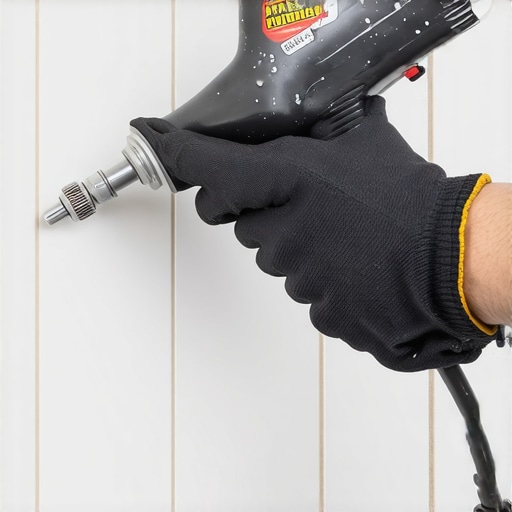
The Hardest Lesson I Learned About sealing Inside Shower Corners
Patience is paramount—rushing through sealing can lead to future leaks and mold. I once hurried the process, neglecting proper curing, only to face constant bathroom issues. Now, I understand that attention to detail, from surface preparation to curing time, is essential for long-lasting results.
3 Myths About Shower Corner Sealing That Held Me Back
I believed that a single application of sealant was sufficient and that cheaper products would do the job. Both assumptions proved false. High-quality, mold-resistant sealants applied correctly repeatedly outperform low-cost options, emphasizing the importance of investing in the right tools and materials.
What Experts Won’t Tell You About Long-Term Shower Maintenance
Regular inspections are often overlooked. Checking corners every few months and reapplying sealant as needed keeps your shower water-tight. This proactive approach prevents small issues from becoming major repairs, saving time and money in the long run.
Curated Tools That Transformed My Sealing Skills
The right tools make all the difference. A high-quality, dripless caulking gun ensures smooth, even beads—my go-to is the Wickes Professional Caulking Gun. For precision, a good scribing tool helps fit baseboards and tiles seamlessly, and a moisture meter like the Protimeter Aquant alerts me to hidden leaks before they escalate. These tools have elevated my work from amateur to professional.
Embrace the Journey: Protecting Your Shower for Years to Come
Proper sealing is an ongoing commitment. Regular maintenance, timely reapplications, and quality materials contribute to a resilient bathroom environment. Begin today—your future self will thank you for the investments you make now. Want more expert tips? Explore comprehensive guides like the one on durable flooring installation to upgrade your entire space and ensure lasting beauty.
What has been your biggest challenge when sealing your shower corners? Share your experience below, and let’s learn together!
,
![Stop 2026 Carpet Seam Ghosting: 4 Pro Tape Hacks [Tested]](https://tilecraftsmens.com/wp-content/uploads/2026/03/Stop-2026-Carpet-Seam-Ghosting-4-Pro-Tape-Hacks-Tested-150x150.jpeg)