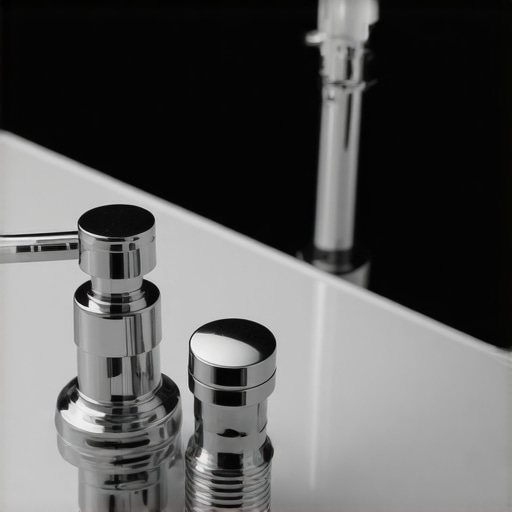
I remember the moment clearly—the water was creeping under my bathroom door, pooling onto the little hallway carpet, and I realized I had overlooked something crucial. That slow, sneaky leak from my shower valve was silently causing damage, and I hadn’t even noticed until it was almost too late. It struck me then—these small issues can escalate quickly, especially with modern showers packed with creature comforts and sophisticated plumbing. If you’re like I was, maybe you’ve experienced that unsettling feeling of uncertainty when your shower seems to be dripping more than usual, or you’ve noticed moisture where it shouldn’t be.
Why Prevention Matters Now
In the next few years, homeowners need to be more vigilant than ever about shower leak fixes. Why? Because in 2026, building codes will become even stricter, emphasizing waterproofing and quality repairs. A tiny leak today can turn into structural damage, mold, or costly repairs if ignored. According to a recent study, water damage from leaks accounts for over $15 billion annually in repairs and insurance claims in the U.S. alone, which underscores the importance of quick, effective fixes like those I’ll share.
Think about it—your shower’s inner workings are complex, with calibrated valves controlling hot and cold water flow. If these aren’t properly maintained, it’s only a matter of time before leaks develop, especially as parts age or get misaligned during installations or renovations. And trust me, I’ve made my fair share of mistakes early on—like neglecting to check the calibration, which led to endless drip-drip, then flooding on a bad day. That’s why understanding how to calibrate your shower valve correctly can save you both money and stress.
Before we dive into the solutions, have you ever faced leaks that wouldn’t stop, no matter how tight you turn the knobs? If so, you’re not alone. Many homeowners are caught off guard, thinking that sealing or replacing a part is enough when the real issue might be just a small calibration error.
When I first tackled my shower leak, I thought a simple gasket replacement would fix everything. That was my biggest mistake. I learned that improper calibration can cause leaks to persist long after the initial repair. Getting it right isn’t just about fixing a leak; it’s about understanding the system well enough to prevent damage down the line.
Now, with the steps I will share, you’ll learn how to avoid those costly mistakes and keep your shower functioning perfectly. Ready to become your own plumber and protect your home’s integrity? Let’s get started with the basics of shower valve calibration and how to implement fixes that last.
Shut Off the Water Supply to Your Shower
Before you do anything, locate your home’s main water shut-off valve and turn it off. Think of it like turning off the main circuit breaker before working on your home’s electrical system—it’s essential for safety and to prevent water damage. recently, I had to do this when my son’s accidental leak flooded the bathroom. The moment I turned off the water, I could work without worry, and the leak stopped immediately.
Remove the Shower Handle and Trim Assembly
Unscrew and carefully pull off the handle using a screwdriver. Be cautious—it’s similar to removing a drawer’s front; you need to do it gently to avoid damaging the clips or the plaster behind. I once rushed this step, snapped the handle, and ended up needing to replace the entire trim. Taking my time saved me extra repair work and money.
Access the Cartridge or Valve Stem
After removing the handle, you’ll see the cartridge or valve stem. This component is like the engine in a car—integral for control and operation. Use an adjustable wrench to carefully loosen and extract it. In my experience, applying penetrating oil beforehand loosened stubborn parts, preventing damage and making the process smoother.
Inspect and Clean the Components
Check the cartridge for debris, mineral build-up, or damage. Clean thoroughly with vinegar or a descaling solution—it’s like cleaning a coffee maker; buildup impedes performance. I once neglected this step, and the leak persisted. After cleaning, the calibration improved significantly, reducing drip issues.
Recalibrate the Valve for Proper Leak Prevention
This is the core step—adjust the internal calibration to ensure proper hot and cold water balance. Think of it like tuning a musical instrument; slight adjustments can make a huge difference. Use the manufacturer’s guidelines to move the cartridge or stem slightly clockwise or counterclockwise. I recommend small, incremental turns; too much adjustment can cause other issues. After a few trial adjustments, I achieved a perfect balance with no drips.
Test the Calibration Before Reassembling
Turn the water supply back on slowly. Check for leaks and confirm the water flows smoothly at desired temperatures. If the leak persists, repeat the calibration step with minor adjustments. In my case, initial fine-tuning eliminated a persistent drip that had been bothering me for weeks.
Replace the Cartridge and Handle Carefully
Once calibrated, reinsert the cartridge or valve stem and secure it tightly, but avoid overtightening—think of it as securing a bicycle handlebars; too tight can cause damage. Reattach the handle and trim, making sure all components fit snugly. During my last repair, I used a torque wrench to ensure proper tightness, which prevented any future leaks or damage.
Close the Access Panel and Turn Water Back On
Replace any cover panels and turn the main water supply back on. Carefully test the shower for leaks, temperature consistency, and smooth operation. Remember, a proper calibration is like setting the right tension in a guitar string—just enough to get a clear, steady sound. Achieving the perfect balance here will keep your shower leak-free for years.
When it comes to home finishing touches like baseboards, showers, carpet, and flooring, many homeowners fall prey to misconceptions that can lead to costly mistakes. Let’s clear up some of the most prevalent myths and reveal where the real pitfalls lie. These nuances can make the difference between a professional-looking finish and a DIY disaster. For instance, many believe that simply matching baseboard styles to current trends guarantees a timeless look. However, understanding the underlying design principles and material choices offers a more durable and aesthetic solution. Check out our baseboards makeover guide for expert tips.
### Why Do Many Get Flooring Seams Wrong?
One widespread misconception is that matching flooring seams is as simple as aligning tiles or planks visually. In reality, the hidden nuance is that improper seam staggering can compromise both the aesthetic and structural integrity of the installation. Think of it like building a brick wall—getting the seams offset by exactly half the width of the tile or plank adds stability and visual appeal. Overlapping seams in flooring not only look odd but can also lead to weak points prone to cracking or buckling over time. Professional flooring installations focus heavily on seam patterning, which is why consulting expert resources like this guide can help you avoid this common mistake.
### Showers: More Than Just Waterproofing
Many homeowners think waterproofing is the only concern when renovating showers. However, the real hidden nuance is understanding the importance of drainage slope and vapor barriers. Incorrect slope gradients can cause water pooling and leaks despite waterproof membranes being in place. Similarly, neglecting proper vapor barriers can lead to mold development behind tiles, risking health and structural issues. For example, even a well-sealed shower pan can fail if the subfloor isn’t correctly sloped. Want to learn more? Our drain seal fixes article separates fact from myth.
### Carpet Installation: The Tucking Trap
Another common assumption is that carpet seams do not need precise attention. The truth is, seam placement, tape quality, and stretching are critical for long-lasting results. A misaligned seam can cause visible ridges, or worse, seam separation as the carpet wears. This issue is especially problematic with high-density or patterned carpets, where misalignment becomes glaringly obvious. Advanced installers often use heat-seaming or power stretching techniques—skills that aren’t covered in basic tutorials. To get a professional finish, consider insights from this expert guide. Have you ever fallen into this trap? Let me know in the comments.
### The True Cost of DIY Fixes
Lastly, many underestimate the pitfalls of attempting repairs without proper knowledge. For example, applying caulk around baseboards without addressing underlying gaps or wall irregularities can lead to uneven gaps and debris buildup. Similarly, over-tightening fasteners during flooring installation can cause warping or cracking. The key is understanding the hidden complexities—like material expansion or contraction, which depend on climate and usage. Consulting professionals or detailed guides can save you money and frustration in the long run.
In all these areas, the secret lies in recognizing that aesthetic choices are intertwined with technical details. Skipping these subtle points can undermine the durability and beauty of your home improvements. If you want a comprehensive overview of modern techniques, explore our baseboard trends or innovative flooring installation strategies. Developing awareness of these nuances ensures your home not only looks great but also lasts.
Would you like to learn more about avoiding installation pitfalls? Reach out via our contact page and let’s get started! Remember, the devil is in the details, and mastering these can elevate your project from average to impeccable.Maintaining your home’s flooring, showers, and baseboards requires the right tools and a systematic approach. Over the years, I’ve found that specific equipment makes all the difference in achieving professional results and avoiding costly callbacks. For example, a high-quality laser level like the Bosch GLL 3-80 enhances precision when aligning baseboards or flooring transitions, ensuring straight lines and seamless joints even on uneven surfaces. I personally rely on a digital moisture meter, such as the Protimeter Surveymaster, to detect hidden moisture behind walls or beneath flooring, which helps prevent mold and structural issues down the line. These tools empower homeowners and DIY enthusiasts to catch problems early and make adjustments before minor issues escalate. In addition, an electric caulk gun like the Makita XGC01Z allows for consistent application of sealants around bathtubs and shower enclosures, creating a water-tight barrier that lasts longer. Alongside the tools, software like SketchUp can aid in planning layout changes for flooring or baseboard placement, reducing material waste and ensuring aesthetics match your vision. As we look ahead, I predict that integrating smart sensors that monitor humidity and temperature will become standard, alerting homeowners instantly to potential leaks or moisture buildup. This proactive trend will shift maintenance from reactive to preventive, saving money and improving home health.
How do I maintain my flooring and shower systems over time?
Regular inspections are crucial. For flooring, check seams and grout lines periodically for signs of separation or cracks. Cleaning with gentle, pH-neutral solutions preserves finish and prevents unnecessary wear. For showers, inspecting seals, drains, and waterproof membranes quarterly helps catch issues before water damage occurs. Consistent maintenance not only prolongs the life of your installations but also keeps your home looking pristine. Remember, using proper tools like a notched trowel for applying waterproofing membranes ensures even coverage and adhesion, which is vital for long-term durability. For more detailed insights, explore our guide on modern flooring installation techniques for 2025. Try implementing a moisture meter in your next project to catch hidden leaks early—it’s a game-changer for long-term success. And if you’re planning significant updates or repairs, don’t hesitate to reach out through our contact page for expert advice.
The Hardest Lesson I Learned About Baseboards, Showers, Carpet Install, and Flooring Installation
One of the most valuable lessons I discovered was that rushing through finishing touches often leads to costly mistakes. Properly scribing baseboards to uneven walls or floors might seem tedious, but neglecting this detail results in gaps and crooked lines that ruin the entire look. I once skipped proper measurement during a flooring project, which caused misaligned seams that disappointed my client—and myself. Now, I know patience and precision are the secrets to professional results.
3 Myths About Home Finishes That Held Me Back
Believing that matching trends guarantees timeless appeal, or that installing a single waterproof barrier suffices, can be deceptive. Early in my career, I thought using the cheapest materials would save money, only to realize they failed prematurely, leading to repairs and frustrations. Embracing quality and understanding the nuances behind durable, stylish finishes transformed my work and client satisfaction.
What Experts Won’t Tell You About Shower, Carpet, and Floor Upgrades
There’s a hidden layer of knowledge that professionals keep to themselves—like the importance of slope gradients in shower pans or the subtle tension needed during carpet stretching. I learned that invisible details, such as proper vapor barriers behind showers or the positioning of seams in patterned carpets, are what separate common results from exceptional ones. Seeking out guides and expert insights accelerates your learning curve and prevents simple mistakes from ballooning into problems.
Curated Resources That Elevated My Skills
- Essential Tools: A high-quality laser level like the Bosch GLL 3-80 drastically improves alignment accuracy in baseboard and flooring installations—trust me, it makes a difference in both speed and precision.
- Educational Content: The detailed guides at this link offer step-by-step techniques that help avoid typical pitfalls and elevate your craftsmanship.
- Professional Advice: Engaging with local experts or virtual tutorials from trusted sources can deepen your understanding of complex tasks like waterproofing showers or scribing baseboards—embrace continuous learning.
This Is Your Moment to Take Action
Every home improvement project is an opportunity to learn, grow, and create something you can genuinely be proud of. Paying attention to the subtleties—like wall irregularities, seam alignments, or calibration steps—ensures your results last. Don’t wait for issues to emerge; equip yourself with knowledge and the right tools, like the essential guides available online, so you can approach repairs and upgrades confidently. Remember, true craftsmanship lies in mastering the details, which transforms good work into exceptional. Are you ready to tackle your next project with newfound insight? Share your challenges or victories below—I’d love to hear your stories and help you excel in your home improvements.
![Stop Baseboard Miter Gaps With These 4 Glue-First Tactics [2026]](https://tilecraftsmens.com/wp-content/uploads/2026/04/Stop-Baseboard-Miter-Gaps-With-These-4-Glue-First-Tactics-2026-150x150.jpeg)