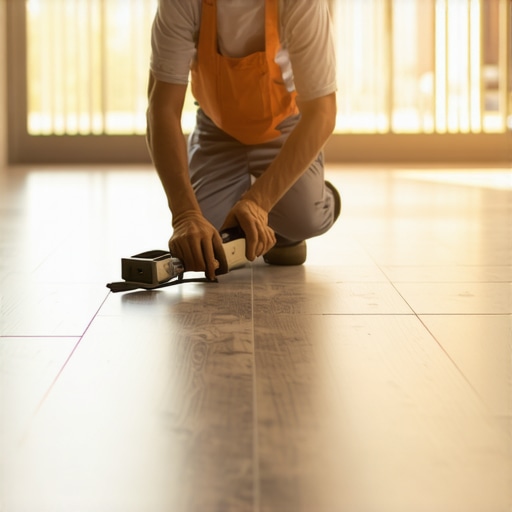
You know that sinking feeling when you step onto a freshly renovated floor and immediately notice a squeak, a loose tile, or uneven seams? I’ve been there, and let me tell you, it’s enough to make any homeowner question whether their investment will hold up over time. That lightbulb moment hit me when I realized that even basic mistakes during installation could turn a beautiful space into a maintenance nightmare. Real talk — I once rushed through laying new hardwood and ended up with gaps and warping within a few short months.
Today, I want to share with you the secrets I’ve learned over years of DIY projects and professional work. These are the expert tips for flooring that doesn’t just look good but stands the test of time. Whether you’re tackling a kitchen upgrade or a full home makeover, knowing the right techniques can save you countless headaches down the road.
Why Proper Flooring Installation Makes All the Difference
Flooring isn’t just about choosing the right material; it’s about how you install it. Poor installation can lead to issues like buckling, cracking, or unevenness that ruin the aesthetic and durability of your investment. According to a recent study, improper installation is responsible for up to 30% of flooring failures in residential homes (source: Tile Craftsmens). That’s a staggering statistic that underscores why careful planning and execution are crucial.
My biggest mistake early on was neglecting the importance of the subfloor. I thought choosing a beautiful veneer was enough. But neglecting to ensure a level, clean, and properly prepared surface caused my floors to creak and shift over time. That taught me a valuable lesson: The foundation is everything. You wouldn’t build a house on shaky soil, so don’t lay flooring over uneven or dirty surfaces.
So, how can you avoid my pitfalls? That’s what we’ll dive into next. From prepping your space to selecting the right adhesives and tools, I’ll guide you through proven strategies that guarantee a lasting, flawless finish. Ready to transform your floors into something durable and gorgeous? Let’s get started.
Prepping the Subfloor with Precision
Before laying any flooring, you must ensure the subfloor is immaculate—think of it as preparing a stage for a performance. Remove debris, sweep thoroughly, and inspect for uneven spots or dips. Use a leveling compound on high and low areas; this step is like smoothing out a rough canvas so your flooring can shine.
A personal story: I once skipped this step when installing laminate in my dining room. The uneven surface caused squeaks and warping within months. After that, I learned the importance of subfloor preparation—don’t cut corners here or you’ll pay later.
Choosing the Right Underlayment for Your Flooring
Underlayment acts as a foundation, cushioning your floors and providing moisture barriers. For hardwood, a cork or foam underlay works well; for vinyl, consider a rigid acoustic underlay. Selecting the proper underlayment is like choosing the right padding for a suit—it ensures comfort and longevity.
Remember, the right underlayment can reduce noise and prevent shifting, which adds to the lifespan of your floor. For expert guidance, check this resource on durable flooring installation: your guide to durable flooring.
Accurate Measuring and Planning
Measure your space carefully—don’t eyeball it. Use a tape measure and chalk line to mark the layout. This is crucial to avoid awkward joinery or waste. Think of it as drafting a blueprint; precision saves material and time.
In my experience, laying out the planks before fixing them helped me visualize the pattern and make adjustments. I once had to cut several tiles on the fly because I mismeasured, which increased waste and labor.
Installing Flooring: The Action Steps
Start along the longest, straightest wall—this will be your reference point. Use spacers to maintain expansion gaps, similar to leaving space between a picture frame and the wall. Use a tapping block and mallet to snug planks together without damaging edges.
Secure the planks with adhesives if the material calls for it. For click-lock floors, simply click the pieces into place, but do not rush this. Be patient and ensure each connection is tight—loose fittings cause gaps and squeaks over time.
Handling Difficult Areas and Edges
Use a fine-tooth saw for precise cuts around door jambs or pipes. When installing baseboards later, leave a small gap behind the flooring to allow for expansion. This prevents buckling or warping.
A quick tip from my project: I cut the base of the door jambs slightly higher than the floor level, which made installing and removing baseboards easier and created a clean look.
Final Finishing Touches
Once the flooring is laid, remove spacers and fill gaps with appropriate sealants. Install the baseboards or moldings last—consider updating your baseboards for an elevated look: baseboards makeover. Nail them into wall studs, not the flooring, to prevent movement.
Remember, patience during this phase ensures a professional, polished finish. Take your time measuring, cutting, and nailing. Small details like caulking around edges will add to the seamless appearance.
Mastering these core steps transforms DIY flooring from a gamble into a guarantee. Each action—meticulous prep, precise measuring, careful installation—builds the foundation for floors that last and impress.Many homeowners believe they understand the ins and outs of installing showers, baseboards, carpet, and flooring, but several misconceptions can lead to costly mistakes. Let’s dig deeper into these overlooked nuances. For instance, a widespread myth is that caulking around showers is enough to prevent water damage. In reality, many assume sealing seals the deal, but improper waterproofing often results in hidden leaks that cause mold and rot over time. Experienced professionals emphasize that installing a proper waterproof membrane beneath tiles or shower bases is essential for long-term durability, as highlighted in expert renovation guides like shower renovation tips.
Another common misconception surrounds baseboards—many think they just cover gaps at the floor’s edge. However, incorrect installation can distort the entire room’s aesthetic and even damage the wall paint or drywall. For example, skipping the expansion gap or nailing directly into the drywall without stoppers can lead to warping or cracking over time. Experts suggest leaving a small space for expansion and anchoring baseboards into the wall studs for stability. Check the latest baseboard styles of 2025 for ideas.
When it comes to carpet installation, many underestimate the importance of the subfloor’s condition. A common mistake is assuming that a new carpet can hide uneven or unclean subfloors. But over time, these imperfections can cause wrinkling, bubbling, or uneven wear. Professional installers know that proper subfloor preparation, including leveling and moisture barriers, is critical. Many DIYers overlook this step, leading to an ‘oops’ moment when their carpet starts to look lumpy. To get flawless results, it’s wise to follow expert tips like those found in carpet installation secrets.
Regarding flooring, a prevalent mistake is not paying attention to acclimation time or material expansion. Many assume that flooring can be installed immediately after delivery. In reality, materials like hardwood or vinyl require time in the room to adjust to temperatures and humidity levels. Installing too quickly can cause warping, buckling, or gaps later. Choosing the right adhesive or installation technique also makes a world of difference—what seems like a minor detail could be the difference between a flawless finish and a warranty void. For in-depth guidance, visit durable flooring tips.
Now, an advanced question: How does improper waterproofing in shower installations compromise the entire bathroom structure? Water seeping behind tiles can cause mold, rot, and even structural damage if left unchecked. Experts warn that neglecting proper vapor barriers and drainage slopes creates a silent threat that undermines your renovation’s longevity. A study from industry professionals indicates that faulty waterproofing is responsible for 40-50% of bathroom remodel failures, emphasizing the need for meticulous planning and execution. Get more insight on creating a spa-like shower experience with luxury shower installation tips.
In conclusion, understanding these hidden nuances and avoiding common pitfalls can save you money and frustration. Remember, quality craftsmanship and attention to detail make all the difference. Have you ever fallen into this trap? Let me know in the comments.Maintaining your home improvements, from flooring to showers, requires the right tools and a systematic approach. Investing in quality equipment not only ensures your project withstands the test of time but also makes ongoing upkeep more manageable. For example, I swear by my cordless oscillating multi-tool for precision cuts around baseboards and tricky corners, especially when adjusting for expansion gaps or replacing damaged sections. Its versatility allows me to handle caulking, sanding, and scraping without hunting for multiple devices, streamlining maintenance routines.
A key element in long-term results is regular inspection. I set a quarterly reminder to check grout lines in showers using a handheld moisture meter, which helps detect hidden leaks early before they cause extensive damage. This proactive approach prevents mold buildup and costly repairs, aligning with the advice found in professional maintenance guides like expert flooring tips.
For tools, I recommend maintaining your equipment diligently. Cleaning your tile cutter or plunge saw after each use with a stiff brush and lubricant prevents rust and keeps blades sharp. Dulling blades lead to uneven cuts, which can compromise your flooring or baseboards over time. Keep spare blades and adhesives organized in a dedicated toolbox; it saves time and reduces frustration when you need a quick fix.
In the future, I predict smart maintenance devices will become more prevalent. Sensors embedded in grout or underlayment can wirelessly monitor moisture levels or structural integrity, alerting homeowners via smartphone apps before a problem manifests visibly. Embracing these innovations now can make home upkeep more intuitive and efficient.
How do I keep my home fixtures functioning smoothly over time?
Regular cleaning and timely repairs are fundamental. For example, resealing grout joints in showers every couple of years can prevent water penetration and staining. Using a high-quality sealant, like those recommended in shower renovation tips, enhances longevity. Additionally, inspecting baseboards for nails or screws protruding helps avoid squeaks or damage, and adjusting or replacing them promptly keeps your room looking polished.
Don’t shy away from investing in specialized tools for maintenance. A handheld steam cleaner, for instance, simplifies deep cleaning of carpets or tile surfaces without harsh chemicals. I personally rely on mine to refresh high-traffic areas, extending the life of my flooring and saving money on replacements.
All these strategies hinge on consistent effort and using the proper equipment. For those looking to elevate their maintenance game, try calibrating your tools regularly and adopting a scheduled inspection routine. These habits ensure your investments remain pristine and functional for years to come.
Throughout my experience with home renovations, one lesson stands out prominently: attention to detail transforms a good-looking space into a truly durable masterpiece. The most overlooked aspect? The seemingly small choices and techniques that, if neglected, can lead to recurring issues like creaking floors, unsightly gaps, or even costly repairs. I once underestimated the significance of proper expansion gaps and learned the hard way when my flooring buckled after just a few months. That lightbulb moment reinforced the value of patience, precision, and ongoing maintenance in home improvement projects.
What I Wish I Knew About Flawless Installation
- Invisible precautions matter: Proper waterproofing beneath showers isn’t just a step—it’s a safeguard against mold and rot. Skipping this can silently compromise your entire bathroom structure.
- Small gaps, big impact: Leaving expansion space around flooring and baseboards isn’t optional; it’s essential. When I neglected this, I faced unforeseen warping that ruined the aesthetic and stability.
- The six-inch rule: Always measure twice, cut once, and double-check your measurements before laying tiles, carpet, or hardwood. This simple habit saved me countless hours of rework and material waste.
- Material acclimation plays a pivotal role: Allow hardwood or vinyl to stabilize at room temperature before installation. Rushing this step led to warping and gaps that could have been avoided.
- Regular inspections prolong beauty: Applying sealants, tightening loose nails, or cleaning grout isn’t glamorous but essential for longevity. A quick quarterly check can prevent small problems from becoming major disasters.
Tools and Resources That Keep Me on Track
- Baseboards trends of 2025 — Staying updated with design trends inspires more cohesive and modern finishes that elevate your home’s style.
- Choosing the right carpet — Knowing the right pile and backing materials ensures comfort and durability for high-traffic areas.
- Carpet installation secrets — Mastering these techniques guarantees a smooth, lasting surface without wrinkles or bubbles.
- Shower renovation tips — Incorporating luxurious yet functional designs enhances your daily routines and adds value to your home.
Step Into Action and Transform Your Space
The journey to a durable, stunning home is ongoing, but the foundation begins with informed choices and meticulous execution. Remember, each carefully considered step and tool you choose compounds into a space that not only looks fantastic but endures the test of time. Don’t let impatience or assumptions undermine your efforts—embrace the process, learn from experience, and celebrate each milestone.
What has been your biggest challenge in installing flooring, baseboards, or showers? Share your story below and let’s learn together!
.


2 thoughts on “Expert Flooring Installation Tips for Durable Home Results”
Daniel Morgan
January 25, 2026 at 6:40 pmThis post really hits home, especially the importance of proper subfloor prep. I once installed laminate flooring over an uneven surface without leveling it first, and I paid for it with squeaks and warping within just a few months. Now I always invest the extra time into prepping thoroughly before I lay down any material. The mention of leaving expansion gaps also resonated with me—initially, I didn’t think they were crucial and ended up with buckled floors during a hot summer. It makes me wonder, how do many DIYers balance the need for precise measurements with the speed required to finish a project? I’d love to hear tips from others on how they manage that balance without sacrificing quality. Also, does anyone have experience with high-tech moisture meters or smart sensors that monitor subfloor conditions over time? Seems like, with all the advancements, doing it right from the start combined with regular inspections can save a lot of headaches later on. Thanks for sharing such detailed insights—these really help in making smarter choices during home renovations.
Chloe Anderson
March 2, 2026 at 3:00 pmThis post really underscores how crucial proper prep is to ensuring a long-lasting flooring job. I can relate to the importance of leveling the subfloor— I once skipped a thorough inspection, and it led to squeaky, uneven floors that drove me nuts within a year. Since then, I always double-check the surface with a laser level and spend extra time on the prep work, even if it takes longer. One thing I’ve started doing to keep everything on track is using a moisture meter not just during installation, but regularly afterward. It helps catch potential issues early, especially in humid months. Have others here experimented with smart home sensors to monitor subfloor conditions over time? It seems like technology is making maintenance smarter and less reactive. Also, I’d love to hear how others manage to balance accurate measurements with efficiency—any tips for speeding up without sacrificing quality? This kind of detailed advice really makes a difference in home improvement projects.