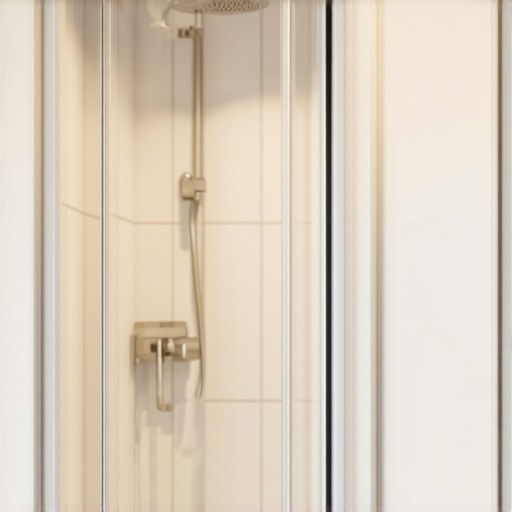
I remember the exact moment I stepped into my poorly renovated bathroom and immediately wished I could turn back time. The outdated shower stall with cracked tiles and a dripping faucet had become more than just an eyesore—it nagged at me daily. That realization hit hard during a busy morning when I was already running late, and I had to wrestle with stubborn grout that wouldn’t clean, a shower door that squeaked loudly every time I opened it, and a tiny spray of water escaping my old showerhead. It was frustrating enough to make me question whether I could ever achieve that modern, spa-like feel I truly desired.
Now, I know I wasn’t alone in this struggle. Many homeowners dive into bathroom renovations expecting a quick fix, only to find themselves overwhelmed by choices, unexpected costs, or subpar results. If you’ve faced a similar dilemma—wondering whether investing in a shower upgrade is worth it or fretting about making costly mistakes—you’re in the right place. Today, I want to share practical, expert-backed tips to help you elevate your shower experience without the stress.
Modern Shower Upgrades That Make a Difference
Choosing the right upgrades can seem daunting at first, but understanding what truly transforms your bathroom makes the process much smoother. From selecting durable materials to innovative fixtures, the options are endless. The key is focusing on both aesthetic appeal and long-term functionality. For example, replacing your old showerhead with a water-saving, multi-pattern model can enhance your shower experience while cutting down on utility bills—something I highly recommend considering after my own trial and error.
Remember, a well-designed shower isn’t just about looks; it’s about creating a space that offers comfort, convenience, and style. If you’re unsure where to start or want to see some stunning ideas, check out [our guide to creating a spa-like shower experience](https://tilecraftsmens.com/creating-a-spa-like-shower-experience-tips-tricks). As I learned from my early mistakes, choosing quality materials and professional installation can make all the difference. I once tried to save a few bucks by doing a DIY tile job, only to discover later that imperfect cuts led to leaks and costly repairs—an experience I wouldn’t wish on anyone. To avoid such pitfalls, gathering expert tips is essential.
So, are you ready to dive into the upgrades that truly elevate your bathroom? Keep reading, and I’ll walk you through the practical steps to transform your space into the oasis you’ve always wanted.
Preparing for the Installation
Start by clearing the space entirely; remove old fixtures and debris to create a clean workspace. Measure accurately: for showers, note dimensions; for flooring, measure the room’s length and width, accounting for any irregularities. Use a tape measure and a chalk line to mark reference points—like laying out a roadmap before a trip. I once skipped this step, rushing into installation, only to find my tiles didn’t fit properly. Precision here saves headaches later.
Installing the New Shower
Remove the old shower components carefully, then inspect the plumbing for leaks or corrosion—address these before proceeding. Apply a waterproof membrane or backer board to prevent water damage. When placing the shower pan or base, use a level to ensure it’s perfectly flat—imagine building a boat that needs to sit level in water. I recommend testing the fit before sealing everything. Follow manufacturer instructions closely, paying attention to grout lines, sealants, and fixture placements. For a modern upgrade, consider shared tile walls, which add style and moisture resistance. Refer to this guide for detailed shower ideas.
Flooring Installation from Start to Finish
Choose your flooring material—hardwood, tile, vinyl—based on lifestyle and style, as discussed in this resource. Prepare the subfloor by cleaning and leveling; uneven surfaces cause cracking and uneven wear. Use a chalk line to lay out the pattern or installation grid for tiles or planks. Remember, pairing subfloor prep with proper adhesive application is crucial; I’ve seen flooring fail due to poor bonding. Roll out underlayment or vapor barriers if necessary. When laying tiles, start from the center of the room and work outward, ensuring each piece is pressed firmly and spaced evenly—think of it as laying a grid that must stay symmetrical. Cutting edges neatly with a wet saw or tile cutter helps achieve a seamless look. Check the manufacturer’s instructions on drying times and grout curing. For professional insights, visit this detailed guide.
Achieving Flawless Baseboards
Measure and cut the baseboards with precision; mitered corners should fit tightly—like puzzle pieces locking together. To get accurate cuts, mark your angles carefully and use a miter saw with repeated tests on scrap material. When attaching, use a nail gun or finishing nails, spacing nails every 16 inches, and countersink the nails for a smooth surface. Fill nail holes with wood filler and sand lightly once dry. Caulking the top edge of baseboards provides a finished look and seals gaps against drafts or water intrusion—don’t skip this step. For a stylish update, consider crown molding or decorative trim. Read this article for decorating ideas and tips for perfect installations.Many homeowners assume that floor and shower installations are straightforward, but in reality, there are subtle pitfalls that can sabotage even the most well-planned renovation. For instance, a frequent myth is that choosing the highest-priced materials guarantees durability and flawless results; however, in my experience, even premium products can underperform if not installed correctly. Proper installation techniques and understanding the nuances are what truly matter, as highlighted in expert guides like this resource.
One major mistake is neglecting the importance of subfloor preparation. Many skip this step entirely, thinking that laying down new flooring will mask underlying issues. But, as studies have shown, improper subfloor leveling can lead to cracked tiles, squeaky floors, or warped surfaces over time. This is why meticulous attention to subfloor stability is crucial—it’s a nuance many overlook.
When it comes to baseboards and trim, the sneaky error is over-relying on simple measuring without accounting for room irregularities. Walls are rarely perfectly straight, and neglecting to tweak cuts accordingly results in gaps or awkward fits. Advanced installers often use a contour gauge to trace wall irregularities, ensuring a seamless finish. For further details, you can explore this comprehensive guide.
In shower renovations, a common misconception is that a high-end shower system can’t leak or cause water damage. Sadly, even premium fixtures can fail if the sealing, slope, or waterproofing membrane aren’t installed with precision. A small oversight here can lead to costly water intrusion issues, which many homeowners discover too late. To avoid this, precise slope calculations and quality waterproofing are vital, as discussed in this expert article.
Have you ever fallen into this trap? Let me know in the comments. The devil is often in the details, so understanding these hidden nuances can save you time, money, and frustration in your next home project.Maintaining your home renovation investments, such as flooring, showers, and baseboards, is essential to ensure their longevity and continued beauty. Investing in the right tools and adopting effective maintenance routines can significantly extend the lifespan of your improvements. One of my favorite tools for ongoing floor care is an electric grout cleaner, which makes deep cleaning tiles and grout lines much easier, ensuring they remain attractive and less prone to mold buildup. For flooring, I highly recommend a high-quality multi-surface vacuum equipped with adjustable settings; it helps remove dust and debris without damaging delicate surfaces, and I use mine weekly as part of my routine. When it comes to shower maintenance, a handheld steam cleaner can be a game-changer. It effectively removes soap scum and mildew without harsh chemicals, keeping your shower looking pristine.
Regarding software and digital tools, I suggest incorporating a scheduling app like Todoist to set regular maintenance reminders. Scheduling quarterly inspections for plumbing, grout sealing, and sealant reapplication can prevent minor issues from becoming costly repairs. Additionally, utilizing digital moisture meters helps monitor humidity levels in bathrooms and basements to prevent mold and wood rot, especially important in shower areas or around baseboards.
Looking ahead, the trend is moving toward smart maintenance. Devices like smart sensors can detect leaks early, alerting you via your phone before significant water damage occurs. Integrating these with home automation systems streamlines upkeep efforts and ensures your updates stay in top shape for years. For example, regular grout sealing is often overlooked, yet according to expert advice on specialist home improvement sites, reapplying sealant every 2-3 years is vital for preventing water intrusion and tile damage. [Learn more about grout maintenance here](https://tilecraftsmens.com/creating-a-spa-like-shower-experience-tips-tricks).
How do I maintain my renovated spaces over time? The secret lies in consistent care using the right tools—like the electric grout cleaner and moisture meters—and scheduling routine inspections. Developing a maintenance routine might seem tedious initially, but it pays off with durable, beautiful results. I recommend starting with one tip: try incorporating a steam cleaner into your shower cleaning regimen this month. It’s a simple, effective way to keep surfaces spotless and extend the life of your tiles and grout. Don’t wait until mold or stains appear—positive action now preserves the investment you’ve made in your home.
The Hidden Snags I Wish I Anticipated
One of the biggest revelations I had during my renovation was how small details can snowball into major setbacks. For instance, neglecting precise subfloor preparation initially led me to face cracked tiles and uneven flooring—reminders that quality work hinges on solid fundamentals. I also underestimated the importance of accurate measurements, which caused a lot of frustration when tiles didn’t fit perfectly and grout lines were uneven. These lessons taught me that patience and meticulous planning are the backbone of successful upgrades.
Another insight was realizing that skipping professional advice early on cost me more in repairs down the line. DIY can save money upfront, but without proper techniques, it might compromise durability and aesthetics. For example, attempting to seal my shower without understanding waterproofing principles resulted in leaks that I had to fix later, emphasizing that some expertise makes a difference.
Finally, I learned that selecting materials that balance beauty and functionality is key. Brightly colored tiles looked fantastic at first but showed every water spot and stain, making maintenance a chore. Choosing suitable materials after market research and expert input helped in creating a space that is not only beautiful but also easy to maintain over time.
My Toolbox of Tried-and-True Tips
Over the years, I’ve curated a set of tools and resources that make home upgrades smoother and more rewarding. My top recommendation is the Ultimate Guide to Baseboards & Carpet Installation, which offers comprehensive tips for achieving flawless finishes—something I wish I had access to at the start. Additionally, investing in quality tools like a wet saw for tile cutting or a nail gun for baseboards significantly improves precision and speed.
For learning new techniques, I trust platforms like Expert Flooring Tips, which break down complex processes into manageable steps. Books such as “Homeowner’s Guide to Bathroom Renovations” also provide valuable insights into selecting durable materials and planning budgets wisely. Remember, well-informed decisions and the right tools are your best allies on this journey.
Lastly, I highly recommend using digital apps like Todoist for scheduling routine maintenance tasks and moisture meters to monitor humidity levels—small steps that prevent big issues down the line. Embracing smart home technology, like leak sensors, offers peace of mind and keeps your investment protected, ensuring your bathroom and flooring stay stunning long after the renovation.
Keep the Momentum Going
Embarking on your home transformation might seem daunting, but remember that every expert started somewhere. With careful planning, a curated toolkit, and a passion for improvement, you can turn your bathroom and flooring into spaces that inspire and comfort. Don’t wait until minor issues turn into costly repairs—take proactive steps today. Whether it’s re-sealing grout, upgrading fixtures, or adding decorative trims, each action brings you closer to your ideal home.
Now I’d love to hear from you—what’s the one upgrade in your bathroom or flooring project you’re most excited about? Share your plans or questions below, and let’s build a community that thrives on sharing success stories and tips!