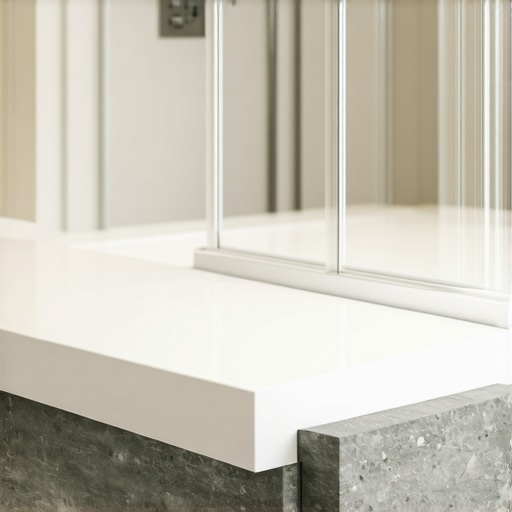
Ever stepped into your shower only to feel a weird wobble underfoot? That unsettling sensation of your shower tray flexing or creaking can be more than just annoying—it might be signaling trouble lurking beneath the surface. I vividly remember the first time I experienced this; what started as a tiny movement grew into a full-blown concern about water leaks and structural damage. It was a real lightbulb moment that I needed to fix the base properly, not just slap on some caulk and hope for the best.
Facing the Flex: Why Your Shower Tray Moves and How to Stop It
In today’s post, we’re going to tackle the root cause of shower tray flexing in 2026 installations and show you how to fix it once and for all with a professional mortar-bed approach. If your shower feels unsteady, you’re not alone—many homeowners and even pros overlook this subtle issue until it becomes a costly nightmare. But here’s the good news: a solid, mortar-based fix can restore stability and prevent future damage, saving you money and stress down the line.
Is the Mortar Bed Fix Overhyped? My Honest Take
Early in my journey, I made a common mistake: I underestimated the importance of a proper bed for the shower tray. I thought a few shims and some silicone would suffice. Spoiler alert—those quick fixes only bought me time. The real game-changer came when I embraced the mortar-bed fix, which I now recommend to anyone serious about a durable shower installation. For more tips on ensuring long-lasting results, check out this expert flooring guide.
Preparing Your Workspace and Materials
Start by clearing the area around your shower, removing any loose debris and old sealant. Gather essential materials: high-quality rapid-set mortar, gravel or sand for base reinforcement, a waterproof membrane, and appropriate tools like a trowel, mixing bucket, and level. Wearing protective gear is advisable.
Removing the Old Shower Tray and Assessing the Base
Carefully lift the existing shower tray, supporting it to prevent damage. Inspect the subfloor for water damage or mold; if present, address these issues prior to proceeding. Use a level to check the subfloor; uneven surfaces will affect the mortar bed’s stability. If necessary, reinforce weak spots with additional framing or patches.
Creating a Level and Stable Foundation
Apply a waterproof membrane over the subfloor to prevent future water ingress. Mix the mortar according to manufacturer instructions, aiming for a consistency similar to thick peanut butter. Spread a thin layer of mortar over the area, ensuring it is slightly thicker at the drain location to create a gentle slope towards it—ideally about 1:80 or 1:100 slope for proper drainage.
Bedding the Drain and Ensuring Proper Sloping
Place the shower drain into position, securing it temporarily. Adjust the mortar beneath it to achieve correct height and slope. Use a level to verify the slope in multiple directions, not just front and back. This step echoes the precision needed in tile installation, making sure water flows correctly into the drainage system without pooling.
Building Up the Mortar Bed in Layers
Apply additional mortar in manageable layers, each roughly 1 inch thick. Use a trowel to compact and smooth each layer, removing air pockets that could cause future instability. Continuously check for level and slope consistency. Allow each layer to set as per mortar curing times—typically 24 hours—before adding the next. My first attempt involved rushing this step, resulting in a wobbly tray that required rework; patience pays off.
Sealing and Finishing the Base
Once the mortar has cured, apply a waterproof sealant around the perimeter and the drain flange. Check the entire bed for levelness and firmness; it should feel solid underfoot with zero wobble. If any areas are uneven, carefully scrape and reapply mortar. This final step stabilizes the base, much like the importance of a proper foundation in flooring or wall installations, preventing future flexing or leaks.
Reinstalling the Shower Tray and Final Checks
Set the shower tray onto the mortar bed, pressing gently to seat it firmly. Use shims or wedges to help align it properly before securing. Once positioned, check again that it is level, adjusting as needed. Seal around the edges with waterproof silicone—do not skimp here, as proper sealing prevents water from seeping beneath the tray.
This process guarantees a durable, stable foundation for your shower, minimizing the risk of flexing or leaks over time. For a comprehensive approach, consider exploring additional shower renovation tips that can elevate your entire bathroom experience.
Many homeowners believe that choosing high-quality materials automatically guarantees a flawless finish, but the real nuance lies in subtle installation details that even experienced DIYers overlook. For example, a common myth is that the thickness of flooring or baseboards doesn’t significantly affect durability—that’s far from the truth. Proper scribing and alignment, especially around uneven walls or corners, require advanced techniques like coping rather than miter cuts, to prevent gaps and deterioration over time.
Why do so many professional installers still struggle with seamless transitions between different materials?
This often stems from neglecting the importance of correct subfloor preparation and acclimatization of materials, steps that are crucial for preventing buckling or separation. According to flooring expert David Allen, “Subtle shifts in humidity or improper sealing can cause major issues down the line” (source: expert tips). An advanced mistake many skip is not accounting for thermal expansion in large carpeted areas or polished showers, which can lead to buckles or cracks if ignored. In shower installations, especially curbless designs, neglecting waterproofing details like back-pan sealing or niche waterproofing can result in water seepage, mold, or rot—problems that often surface months after the initial install. These nuanced errors stem from a lack of understanding about material behaviors and installation techniques that adapt to environmental factors. To avoid these pitfalls, it’s critical to emphasize meticulous prep work and embracing innovative practices like detailed edge scribing and moisture barriers. Want to stay ahead of these common pitfalls? Reach out through our contact page for personalized advice or explore our latest guides on baseboard trends in 2025 or luxury shower tips. Remember, mastering these subtle techniques distinguishes a good installation from a truly professional finish. Have you ever fallen into this trap? Let me know in the comments.
Keep It Working: Essential Tools and Maintenance Strategies
Maintaining your flooring, baseboards, carpets, and showers over time doesn’t have to be complicated when you have the right tools and a proactive approach. Personally, I rely on precision equipment that ensures quality workmanship and long-term durability. For flooring, a high-quality moisture meter like the Wagner MMC210 can help monitor subfloor conditions, preventing moisture-related issues that lead to warping or buckling. I also swear by a calibrated laser level, such as the Bosch GLL 3-80, which guarantees perfect alignment during installation and re-tiling projects, saving time and avoiding uneven surfaces.
When it comes to shower maintenance, a grout float with improved ergonomic design makes regular sealing and cleaning easier. For tackling stubborn stains or mineral deposits, I recommend a specialized cleaner like HG Shower & Bathroom Cleaner, which helps uphold your tile’s appearance and prevents mold buildup. Keeping these tools clean and properly stored is part of a maintenance routine that pays dividends over the years.
Long-term results demand periodic inspections. Check grout lines for cracks, especially in high-traffic or humidity-prone areas, and reapply sealant as needed. For carpets, regular professional stretching can prevent wrinkles and extend their lifespan. My jump start tip? Use a carpet-kneeling tool to lift edges before stretching; it simplifies the process and produces a professional finish.
Scaling your efforts doesn’t mean overhauling everything. Instead, focus on small, consistent maintenance tasks. For example, periodically reviewing your shower’s waterproof seals can prevent costly water damage. Employing a silicone sealant remover then reapplying a high-quality waterproof silicone like Dow Corning 786 will renew that barrier effectively. Additionally, introducing a moisture barrier beneath new flooring—such as an advanced peel-and-stick membrane—can prevent future issues, especially in basements or ground-level installations.
Looking toward the future, I see this trend shifting more towards smart tools integrated with DIY apps that send maintenance reminders or monitor humidity levels remotely. For now, investing in proven equipment like a quality laser level or moisture meter assures your project’s success. To make this happen, try incorporating a laser level into your next project to improve accuracy — you’ll be amazed at how much easier it makes aligning tiles or baseboards.
How do I maintain my installations over time?
The key is consistent inspections and timely repairs. Regularly check for signs of wear — loose grout, uneven seams, or creaking floors — and address issues promptly. Use specialized tools and high-quality materials for repairs to ensure they stand the test of time. For a comprehensive guide, you might find it helpful to review this resource on durable flooring practices. Remember, maintenance is an ongoing process, not just a one-time effort; establishing a routine can dramatically extend the life of your investments and preserve their beauty.
Venturing into the world of home renovation, especially with flooring, baseboards, carpets, and showers, offers the thrill of transforming your space into a masterpiece. The insights shared earlier reveal that success often hinges on attention to detail, patience, and a willingness to learn from setbacks. Embracing the nuances of proper mortar beds, waterproofing, and seamless transitions can elevate your craft from mere DIY to professional standards. Remember, every mistake is a stepping stone, bringing you closer to mastery. The journey is as rewarding as the result, and each improved skill adds lasting beauty and functionality to your home.
The Hidden Lessons That Turned My Projects Around
- Don’t Skimp on Preparation: Rushing the prep phase—like neglecting subfloor inspection—can undermine the entire project. The extra time upfront prevents costly fixes later.
- Patience Over Speed: Waiting for mortar to cure ensures stability. Rushing this step is often where rookie mistakes happen, leading to wobbly trays or uneven floors.
- Attention to Detail Matters: Small details, such as ensuring perfect slope in shower bases or aligning baseboards precisely, create a polished look and prevent long-term issues.
- Invest in Quality Tools: Using a laser level or moisture meter has saved me countless headaches, ensuring accuracy and durability in installations.
Tools and Resources That Make All the Difference
- High-Quality Mortar and Sealants: Reliable brands like Ardex or Laticrete provide consistent results, essential for long-lasting installations.
- Precision Equipment: A calibrated laser level (such as the Bosch GLL 3-80) and a moisture meter (like Wagner MMC210) are game-changers—trust me on this.
- Knowledge from Experts: Their guides and tutorials—like those found on this resource—offer invaluable insights to avoid common pitfalls.
- Continued Learning: Books and online courses keep your skills sharp, especially as trends evolve, such as the emergence of slab wall showers or new waterproofing techniques.
Keep Moving Forward with Confidence
The future of flooring, baseboards, carpets, and shower installations in 2026 looks promising, especially with innovative materials and tools making quality more accessible. Your dedication to mastering these techniques not only enhances your home but also empowers you to help others achieve their renovation dreams. Don’t let fear of mistakes hold you back—every expert started just like you. Take that first step today, and watch your skills—and your home—transform into something extraordinary.
What installation challenge have you faced recently? Share your story below, and let’s grow together in our home improvement journey!
**Remember, turning your vision into reality begins with taking confident action—start today!**