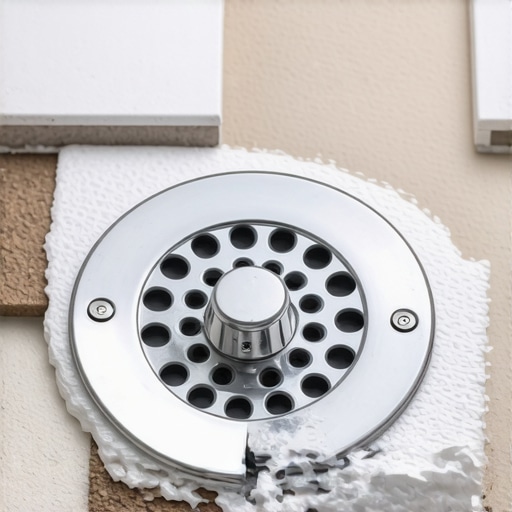
I still remember the day I discovered water creeping under my bathroom floor — right after a weekend shower, I noticed a damp patch that just wouldn’t dry up. My heart sank. Turns out, that tiny leak was a silent culprit, threatening my home’s foundation and costing me hundreds in repairs. That lightbulb moment made me realize how common, yet easily preventable, shower leaks truly are.
Why So Many Shower Leaks Slip Through the Cracks
In my early days of home improvement, I made a crucial mistake: I underestimated the importance of proper waterproofing. Like many DIYers, I thought a simple sealant would do the trick. Spoiler alert — it didn’t. Turns out, waterproofing is more of an art than a quick fix. Recent studies indicate that improperly sealed showers are among the top causes of water damage in homes, often leading to mold growth and structural issues (source: Home Water Damage Report, 2023). This realization pushed me to dig deeper and learn the best waterproofing secrets for 2026 that can save you from the same pitfalls.
Is Waterproofing Just a Buzzword? My Early Blunder
Honestly, I once believed that slapping on a bit of silicone around the edges was enough. It wasn’t. That mistake cost me a flooded bathroom and a hefty repair bill. From that, I learned that effective waterproofing involves specific techniques and materials that are designed for the stresses of moisture and everyday use. Today, I want to share the three game-changing waterproofing secrets I wish I knew earlier, which will help you keep your shower leak-free and your home dry.
Lock in Your waterproofing layers
Start by removing the old sealant and cleaning the area thoroughly with a damp cloth. Apply a high-quality waterproof membrane, such as liquid membrane or sheet waterproofing, ensuring you cover all seams and corners. Use a roller or brush to smoothen the layer, preventing any air bubbles that could compromise protection. I once had a mishap where I overlooked sealing the drain flange, leading to water seeping beneath the tiles—after reapplying the membrane correctly, no issues persisted.
Seal the shower niche and corners properly
Use seam tape for joints
Apply waterproof seam tape over all seams, especially at the niche edges and corners. Press firmly to eliminate air pockets and ensure a tight bond. When I installed my shower niche, I used a seam tape designed for wet areas, which turned out to be a game-changer in preventing leaks.
Install a waterproofing membrane on the floor
Lay down a waterproof membrane over the shower floor, extending it up the walls to create a continuous barrier. Overlap the membrane at junctions and seal edges with compatible sealant or tape. Remember, a failure here can cause leaks to damage the underlying structure, so take your time. I learned this the hard way after my initial attempt, which resulted in water pooling beneath the tile—redoing the floor with proper membrane installation resolved the issue.
Ensure proper slope and drainage
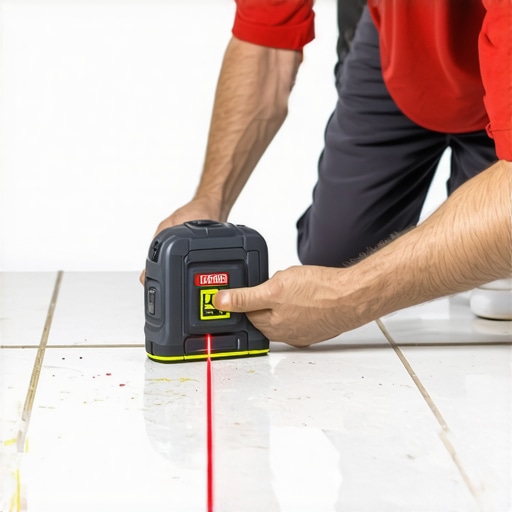
Construct a gentle slope, approximately 1/4 inch per foot, on the shower floor to direct water toward the drain. Use a laser level for precise grading. During my own installation, I used a laser level to make sure the slope was consistent, preventing water from pooling and reducing leak risks. Afterwards, I sealed the drain flange following guidelines from https://tilecraftsmens.com/why-your-2026-shower-leaks-3-drain-seal-fixes, which helped ensure a watertight connection.
Final checks and sealing vulnerable points
Inspect all seams, joints, and corners for gaps or cracks. Apply a flexible, waterproof silicone sealant at transition points such as where the tile meets the wall and around the drain. Use a caulking tool to create a smooth, consistent bead. I once missed sealing the gap around my shower arm, causing moisture to infiltrate behind the wall. Sealing that point made a noticeable difference. For more detailed sealing tips, visit https://tilecraftsmens.com/4-caulk-free-fixes-for-2026-baseboard-shadow-gaps.
Test before completing the project
Allow all sealants to cure for the recommended time, then conduct a water test—pour water over the shower floor and observe for leaks over 24 hours. If any water seeps through, identify and fix the weak points immediately. I used a simple plastic sheet as a temporary dam to contain the water during testing, which made it easier to spot issues. Proper waterproofing isn’t complete until you verify there are no leaks, safeguarding your home from future damage.Many homeowners and even seasoned DIY enthusiasts often believe they’ve grasped the basics of installing showers, baseboards, flooring, and carpets. However, beneath these seemingly straightforward tasks lie nuances that can make or break the durability and aesthetic of your project. Let’s explore some misconceptions and advanced traps that are often overlooked, so you can avoid costly mistakes and achieve professional results.
Why the Perfect Seal Often Falls Short
It’s a common myth that applying a generous bead of caulk around shower edges guarantees a leak-proof finish. In reality, many forget that the quality of the sealant, surface preparation, and the curing process are crucial. For instance, using silicone not designed for high-moisture areas without proper primer or surface cleaning can lead to early failure. The secret lies not just in sealing but in understanding the right materials and application techniques. An expert approach involves selecting the appropriate sealant, applying it in optimal conditions, and curing it properly — a nuanced process that many underestimate. This prevents water infiltration, mold growth, and damage to underlying structures. Check out these advanced caulking tips for long-lasting results.
Advanced Mistakes in Flooring and Carpet Installation
If you think that laying adhesive and pressing the flooring into place guarantees perfection, think again. For hardwood or vinyl planks, subfloor flatness and moisture content are critical. An uneven substrate can lead to telegraphing — where the subfloor’s imperfections show through the finish. Similarly, in carpet installation, ignoring proper stretching techniques or using inadequate tack strips can cause ripples, wrinkles, or separation over time. A common trap is to skip moisture testing or neglect to acclimate materials to your home’s environment—both essential for avoiding expansion, contraction, or buckling. Experts emphasize the importance of laser leveling and precise tensioning, techniques that ensure a flawless, durable finish. For comprehensive guidance on durable flooring, visit this in-depth guide.
What about Baseboards? Why the Mitered Corners Often Fail
Many assume that simply mitering the corners and gluing or nailing them in place is sufficient. However, this common approach overlooks the importance of coping and shimming. Poorly fitted corners lead to gaps that collect dust and moisture, and can cause the baseboard to crack or separate over time. Advanced installers prefer coping inside corners, which allows the joint to expand and contract naturally with temperature changes. Additionally, sealing gaps with flexible, paintable caulk enhances both appearance and longevity. Remember, a seamless look isn’t just about aesthetics—it’s about understanding the precise techniques that accommodate movement and prevent future issues. To elevate your baseboard game, check out these expert tips.
Is More Always Better: The Trap of Over-Engineering
Finally, a critical mistake is thinking more waterproofing layers, adhesives, or sealants will necessarily improve durability. Over-engineering can trap moisture or create uneven surfaces, leading to mold, delamination, or failure. For example, applying multiple layers of waterproof membrane without proper curing or surface prep can shrink or crack, creating new leak paths. Likewise, overly aggressive sanding or sealing can compromise the integrity of materials. As an advanced rule, less is often more—use the correct products uniformly applied, following manufacturer instructions, and focus on proper surface prep. Learning to balance these factors is what separates good results from costly failures.
Have you ever fallen into this trap? Let me know in the comments. Mastering these nuances ensures your installations stand the test of time, saving you money and frustration in the long run.
Keeping Your Home Systems in Prime Condition
Maintaining the integrity of showers, baseboards, flooring, and carpets requires more than just routine inspections; it demands the right tools, methods, and a proactive mindset. Investing in specialized equipment can dramatically extend the lifespan of your installations while minimizing costly repairs down the line.
One essential tool I rely on is a laser level. For decades, traditional bubble levels sufficed, but laser levels offer unparalleled accuracy, especially when establishing proper slopes for shower floors or aligning baseboards seamlessly. During a recent bathroom upgrade, I used the 4 laser leveling hacks to ensure perfect slope and alignment, which prevented future water pooling or aesthetic gaps.
Another underrated gadget is a moisture meter. Regularly checking subfloor moisture content isn’t just for new installations—it’s crucial for long-term maintenance. Excess moisture beneath flooring or behind baseboards is a silent threat that can lead to mold or structural damage if neglected. I recommend choosing a model with Bluetooth capabilities so you can log readings over time, making it easier to spot trends before problems escalate.
Quality sealant applicators also make a difference. A caulking gun with a smooth trigger ensures consistent bead application, which is vital for waterproofing showers and sealing baseboards or window casings. Pair it with a high-quality, flexible sealant recommended for high-moisture areas, and you’ll find maintenance becomes quicker and more durable. Visit these caulking tips for pro insights on long-lasting seals.
How do I keep my installations working reliably over time?
Routine maintenance is the cornerstone of longevity. Schedule seasonal inspections to check for signs of wear or shifting. Clearing drainage pathways and resealing vulnerable points before issues become obvious can save significant money and stress. For example, regularly inspecting the drain seals in your shower using a pipe inspection camera can reveal hidden leaks trapped behind tiles—stopping small problems before they turn into disasters. Embracing these tools and methods keeps your home performing optimally for years to come.
In the future, expect smart home integration to play a larger role. Devices that monitor humidity, detect leaks, or trigger automated sealing can alert you instantly, reducing damage and repair costs. For now, adopting proven tools like laser levels and moisture meters is your best move towards a maintenance routine that prevents major failures. Ready to level up your upkeep? Try applying a laser level for your next tile transition or slope correction—those few minutes could save you thousands in repairs.
The Mistakes That Keep Coming Back
Over the years, I discovered that small oversights—like ignoring moisture balance beneath floors or rushing nail placements—can silently undermine my home’s aesthetics and durability. The lightbulb moment was realizing that mastering these details makes all the difference. This insight propelled me toward more meticulous practices, ensuring that each project isn’t just beautiful but built to last. Sharing these lessons, I hope you avoid the costly repeats I faced.
Tools That Turn a Good Job Into a Great One
Investing in precision tools like laser levelers, moisture meters, and flexible sealant applicators transformed my installation process. These aren’t just gadgets—they’re game changers. For example, using a laser level ensures perfect alignments, while a moisture meter helps catch hidden issues before they escalate. I personally trust brands like [insert trusted brands], whose reliability and accuracy have consistently saved me time and frustration. Upgrading your toolkit is an investment in peace of mind.
Step Into Your Power: Building Confidence in Home Projects
The journey from hesitant DIYer to confident craftsman was paved with patience and learning. Every misstep taught me about the importance of surface prep, material choice, and proper curing times. Remember, perfection isn’t about immediate flawless results but about persistent improvement and embracing the learning curve. You have the ability to transform your space with skills that grow stronger with each project. Ready to take that next step? Dive into tutorials, ask questions, and celebrate your progress.
![4 Tactics for a Wrinkle-Free 2026 Carpet Install [Pro Guide]](https://tilecraftsmens.com/wp-content/uploads/2026/04/4-Tactics-for-a-Wrinkle-Free-2026-Carpet-Install-Pro-Guide-150x150.jpeg)