

I remember the moment perfectly—standing in my living room, arms full of tools, staring at the uneven wood floor, and realizing my standard baseboard installation just wouldn’t cut it. The gap was too big, and no matter how I tried to force those quarter rounds into place, they looked awkward, and honestly, rather DIY-ish. That lightbulb moment made me wonder: is there a smarter way to scribe baseboards without resorting to those bulky quarter rounds? Turns out, there is, and I’ve mastered it through a bit of trial, error, and a lot of patience.
The Art of Scribing: Filling the Gaps Gracefully
When your flooring isn’t perfectly flat or level, installing baseboards can be a real headache. But here’s the truth—rigid solutions like quarter rounds often make uneven floors look even messier. Instead, I learned to use a technique called scribing, which allows the baseboard to follow the contour of the wall or floor naturally. This method not only creates a clean, seamless appearance but also saves money and time. Plus, it respects the character of older or irregularly laid floors, maintaining their charm without the clutter of extra trim.
Gather Your Tools and Prepare the Wall
Begin by collecting your essential tools: a high-quality scribing compass, a contour gauge, a pencil, a saw, and a hammer or nail gun. Before starting, inspect the wall for unevenness or curves. For example, I once tackled a wavy wall in my hallway, where a straight cut would create gaps. Mark the high points and low points to understand the wall’s shape.
Use a Contour Gauge to Capture Wall Irregularities
Press the contour gauge against the wall and gently press into any bulges or dips. This device conformingly captures the wall’s shape, acting like a mold. In my project, the contour gauge revealed a significant bulge near a doorway, guiding my cut line precisely. Trace along the gauge’s profile onto your baseboard.
Trace the Profile Onto the Baseboard
Transfer the contour markings onto the backside of your baseboard with a pencil. Use a ruler for straight sections, but rely on the contour gauge profile for irregular parts. This step is akin to fitting a puzzle piece where each edge must match the wall’s contours perfectly.
Make the Cut Carefully
Set your saw to match the type of cut needed—crosscut or miter—and cut along the traced line. Take your time; a sloppy cut will ruin the fit. I once rushed this step, resulting in a gap that required re-cutting, costing me extra time. Remember, a smooth, clean cut ensures a snug fit against the wall’s curves.
Test Fit and Adjust as Needed
Place the cut baseboard against the wall to check the fit. Use your contour gauge or a small piece of scrap to test tightness. If gaps remain, mark the low spots and adjust the cut line accordingly. It’s like tailoring a suit—small tweaks make a big difference. I learned to do this after my first attempt left visible gaps, and I realized patience is key.
Secure and Finish
Once satisfied, nail or glue the baseboard into place, ensuring it follows the wall’s contour seamlessly. Finish by caulking gaps or filling nail holes for a professional look. This method not only improves aesthetics but also saves you from the hassle of installing bulky quarter rounds, especially on irregular surfaces. For more on updates that modernize your space, check out Baseboard Trends in 2025.
When it comes to home renovations, there’s a surprising amount of misinformation circling around, especially regarding showers, baseboards, carpets, and flooring. Many homeowners and even DIY enthusiasts believe they’ve got the basics down, but overlooking nuanced details can lead to costly mistakes. Let’s unpack some of these misconceptions and reveal the hidden nuances that can elevate your projects to professional levels.
One widespread myth is that sealing gaps around showers or baseboards with cheap caulk is sufficient for long-term protection. In reality, quality waterproofing requires more layered measures. For instance, in shower installations, neglecting proper membrane sealing around critical points like drainlines and curb junctions often results in leaks that cause subfloor rot. Experts recommend not just sealing but also employing a second waterproof barrier, such as a vapor-retarder paint or a liquid membrane, to provide extra protection. This layered approach is detailed in advanced waterproofing guides, emphasizing that surface sealants alone are rarely enough.
Contrary to popular belief, the biggest adversary in flooring and carpet installation isn’t just the subfloor condition but also humidity and moisture control. For example, many assume that acclimating wood flooring or hardwood is a one-time step, but in reality, fluctuations in humidity after installation can cause boards to buckle or gap. The secret lies in understanding the specific moisture content tolerances of your chosen material and planning accordingly. Professionals stress that a proper moisture barrier beneath flooring, combined with climate control, dramatically decreases the risk of future problems—a nuance many overlook until it’s too late.
When installing baseboards, a common mistake is focusing solely on neat miter cuts and forgetting about shimming and expansion gaps. These gaps are crucial because materials expand and contract with temperature and humidity changes. Ignoring this can lead to cracked paint lines or popped joints over time. A sophisticated installation considers these dynamics, incorporating small gaps and shims that allow for movement, which most DIYers miss. For an advanced strategy, check out tips on shimming and gap filling to keep your baseboards looking flawless year-round.
### How can advanced installation techniques prevent future damage?
The key to durable, high-quality results often lies in understanding and applying the correct sequence of steps and materials. For example, in carpet laying, improper stretching can cause wrinkles that deteriorate quickly. Professional installers use power stretchers with specific tension settings, and fail to do so, resulting in loose carpets within months. Recognizing the importance of correct tension and padding choices is an advanced skill that separates amateurs from pros. For detailed insights, visit our post on secret carpet installation techniques.
Lastly, many underestimate the significance of transitions—like thresholds or transition strips—especially on uneven or sloped floors. An inadequate transition can lead to tripping hazards or wear gaps. Mastering the precise placement and reinforcement of these elements, especially on older or irregular floors, is a nuanced skill. Techniques such as custom shimming or adjustable tracks ensure smooth, safe transitions that withstand daily wear.
Engaging in detailed planning and understanding these hidden nuances can save you time, money, and frustration. If you’re curious about how to master these advanced tricks, explore our comprehensive guides linked here, including how to create a spa-like shower experience or achieve flawless flooring results. Have you ever fallen into this trap? Let me know in the comments—sharing your experiences helps everyone learn!
Keeping It Working: Essential Tools and Maintenance Tips for Longevity
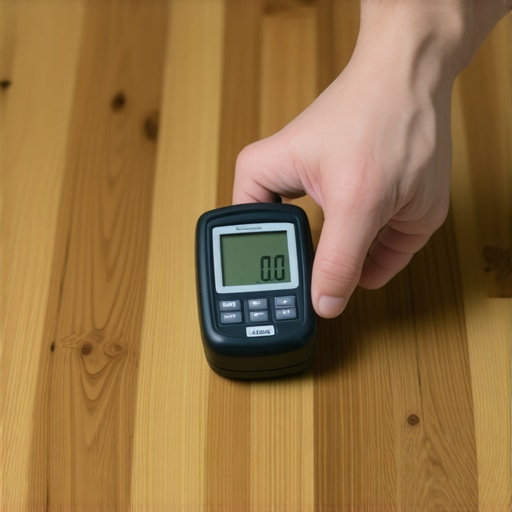
When investing time and resources into home renovations, understanding how to maintain your upgrades is just as important as the initial installation. Having the right tools at your disposal ensures that you can perform regular checks, minor repairs, and adjustments without resorting to costly professional help. For example, I highly recommend investing in a high-quality digital moisture meter, which helps monitor humidity levels in flooring and drywall, preventing issues like warping or mold over time. This tool is indispensable when maintaining hardwood floors or ensuring that bathroom remodels, such as those seen in modern shower renovations, remain durable and leak-free.
Another critical piece of equipment is a reliable oscillating multi-tool. Its versatility allows for small sanding, grout removal, or tightening loose fixtures—saving you time and preventing bigger problems. Regular inspection of caulking seals around showers and baseboards, especially in moisture-prone areas, is essential. Using a high-quality silicone sealant and a dedicated caulk remover tool ensures that seals stay intact, preventing leaks that could lead to subfloor rot or mold.
Correct cleaning and upkeep extend the lifespan of your materials. For instance, vacuuming carpets with a professional-grade cleaner can remove embedded debris that causes wear and tear. Similarly, applying a flooring polish or wood conditioner periodically can preserve the finish of hardwood or laminate flooring, which I personally do every six months. These maintenance routines keep surfaces looking fresh and prevent minor damages from escalating.
What is the best way to maintain your home’s upgrades over time?
Developing a regular maintenance schedule tailored to your specific upgrades is crucial. For example, check grout lines and sealant around showers quarterly, and inspect baseboards for gaps or cracks after seasonal changes. Staying proactive helps catch small issues before they turn into expensive repairs. Over time, technology will continue to evolve, offering smarter tools that can monitor your home’s structural health remotely, such as sensors that alert you to moisture intrusion or temperature fluctuations. Embracing these innovations can save you time, money, and headaches in the long run.
If you’re eager to elevate your maintenance routine, start by incorporating a digital moisture meter into your toolkit. Its ability to detect hidden moisture behind walls or floors can help you prevent costly damage in the future. For more expert tips on maintaining durable flooring and fixtures, visit our comprehensive guide to durable flooring. Remember, keeping your home in top shape isn’t a one-time effort—it’s an ongoing process that pays off with lasting beauty and functionality.
What I Didn’t Know About Seamless Baseboards Will Surprise You
One of the biggest surprises I encountered was how a simple technique like scribing can revolutionize the look of your home. Initially, I thought perfect corners meant perfect walls, but I soon realized that adjusting to irregular surfaces is a game-changer. Embracing the contour gauge and learning to make precise cuts taught me patience and attention to detail, elevating my projects from DIY to pro-level results.
The Hidden Power of Humidity Control in Flooring Durability
I used to believe that installing wood floors was as simple as laying planks down. However, understanding moisture content and incorporating proper barriers dramatically increased the lifespan of my floors. It’s not just about the final look; it’s about preserving that beauty over time. This insight has saved me countless headaches and thousands in repairs by emphasizing proactive climate control and moisture management.
Why Small Adjustments Make All the Difference with Shower Waterproofing
Early in my renovation journey, I overlooked the importance of layered waterproofing around shower curbs and niches. Adding second barriers and meticulously sealing leak-prone areas transformed my experience. It became clear that a little extra effort, like checking for hidden leak points, prevents costly damage down the line. Small details, such as a proper membrane application, truly protect your investment.
Shaping Success with Accurate Transition Solutions
Transition strips often seemed minor to me until I realized their role in safety and aesthetic flow. On uneven flooring, customizing transition heights and materials prevented trips and maintained the visual harmony. These solutions require thought and patience but yield lasting results that blend style with function, ensuring my home remains both beautiful and safe.
Tools That Became My Toolbox Essentials for Lasting Home Upgrades
Investing in quality tools like a moisture meter, oscillating multi-tool, and quality shims transformed my approach. These devices empowered me to handle unexpected surprises with confidence, saving time and money. They turned what once felt like complex problems into manageable tasks, turning me from a DIYer into a confident home improver. For trusted recommendations, check out our post on your guide to durable flooring.
The Moment I Realized Mastery Starts with Small Wins
Looking back, the most valuable lesson was understanding that every detail—be it a perfect miter, a snug fit, or a well-sealed shower—builds towards a successful project. Celebrating these small wins fuels motivation and deepens my appreciation for craftsmanship. If you’re embarking on your own home upgrade journey, remember that patience, continuous learning, and attention to nuances create lasting value. What’s one home project you’ve been delaying that could benefit from these insights? Share your story below!