
Carpet Install Secrets: Achieving Flawless Results Every Time

I remember the first time I tried to install a carpet in my living room. I was so proud, until I stepped back and saw the wrinkles, uneven edges, and that telltale fold running right through the middle. It was a lightbulb moment—no matter how much I read or watched tutorials, I hadn’t grasped the secrets that make or break a perfect carpet installation. If you’ve ever faced similar frustrations, you’re not alone. Many DIY enthusiasts and even seasoned pros hit roadblocks, often because of overlooked details or simple mistakes. Today, I want to share the proven techniques that transformed my approach and can do the same for you.

Prepare Your Space for Success

Clear the Area Completely

Before laying down the new carpet, remove all furniture, rugs, and obstacles. This gives you full access and prevents accidents. I once left a small table in the corner and it caused a wrinkle in my carpet—lesson learned!

Inspect and Repair the Subfloor

Ensure the subfloor is clean, dry, and level. Use a level to check for dips or humps; uneven surfaces cause wrinkles and bubbles. I used a self-leveling compound on my uneven concrete floor, which made a huge difference. For more ideas, check out top trends in flooring.

Measure and Cut with Precision

Calculate Your Measurements Carefully

Measure the room’s length and width twice to ensure accuracy. Remember, it’s better to have a slight overlap than a gap. I once mismeasured and had to redo a cut—fitting it perfectly took patience, but the result was worth it.

Cut the Carpet Correctly

Use a sharp utility knife and a straightedge for clean cuts. For large rooms, cut in sections to avoid mistakes. I found that scoring the carpet first with a utility knife made the final cut much smoother. This step is crucial; sloppy cuts are hard to hide later.

Lay the Carpet Smoothly

Unroll and Let It Relax

Unroll your carpet in the room and let it sit for a few hours. This relaxes the fibers and reduces wrinkles. I once rushed the process and spent hours trying to smooth out folds—lesson: patience pays off.

Use the Right Adhesives and Tools

Apply carpet adhesive evenly with a notched trowel, starting from the center outward. This prevents air pockets and wrinkles. I prefer using a power stretcher for tight, seamless installation. For detailed techniques, see carpet install secrets.

Secure and Finish Edges

Trim Excess Carefully

Use a carpet trimmer for a clean edge. Avoid pulling or stretching the carpet too much, which can cause sagging.

Install Baseboards and Trim

Finish the look by installing baseboards. This hides cut edges and adds aesthetic value. I chose a modern style that complemented my decor, elevating the entire room. For more ideas, visit baseboard styles.
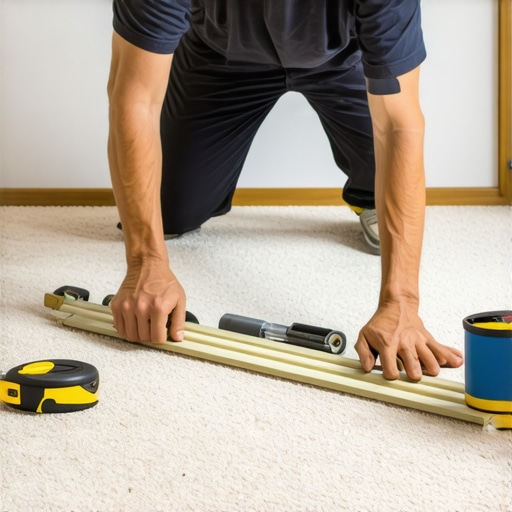
Professional carpet installer measuring and cutting carpet with toolsMany DIY enthusiasts assume that following basic steps guarantees a flawless carpet installation, but the real secret lies in understanding the nuances that even seasoned pros sometimes overlook. One common myth is that using heavy-duty adhesives alone will prevent wrinkles; however, improper surface preparation or neglecting to use a power stretcher can undermine these efforts. Moreover, some believe that cutting the carpet precisely at the edges is enough—yet, failing to account for fiber relaxation and expansion can lead to future buckling. Let’s dig deeper into these overlooked details to elevate your installation skills. For example, did you know that the subfloor’s moisture content can affect the adhesive’s effectiveness? Experts recommend testing for moisture and addressing issues before installation; ignoring this can cause bubbling or curling down the line. Another advanced mistake is underestimating the importance of fiber direction, especially with patterned carpets. Installing against the grain might seem minor but can result in noticeable mismatches and aesthetic flaws. When planning your layout, consider the carpet’s pile direction for a seamless look. If you’re aiming for perfection, paying attention to these subtle factors makes a significant difference. Have you ever fallen into this trap? Let me know in the comments. For more insights, check out carpet install secrets. Also, understanding the importance of proper subfloor preparation can save you hours of frustration, so review flooring installation mistakes to avoid for tips on avoiding common pitfalls.Maintaining flawless carpet installation results requires more than just the initial setup; it involves ongoing care, the right tools, and understanding how to troubleshoot common issues. Over time, even the best installations can develop wrinkles, loose edges, or wear spots if not properly maintained. To prevent this, I rely heavily on specific equipment and techniques that ensure longevity and appearance. For example, a high-quality carpet stretcher like the Roberts 10-220 is my go-to tool for re-stretching carpets that start to show signs of slack or wrinkles. Unlike manual methods, a power stretcher applies even tension across the entire surface, making it easier to achieve a seamless look without damaging fibers. Regular vacuuming with a commercial-grade vacuum also prolongs the carpet’s life by removing dirt and debris that can grind down fibers. Additionally, periodically inspecting the edges and seams helps catch potential problems early. If you notice any loose edges, reapplying a suitable adhesive with a notched trowel ensures they stay secure. For stubborn wrinkles, a quick re-stretch using a power stretcher can restore the original smoothness. In terms of long-term results, I recommend scheduling professional check-ups once every few years to assess the condition and address minor repairs before they escalate. When it comes to scaling your efforts, investing in a carpet seam roller and edge trim tools allows you to handle larger areas efficiently, maintaining a professional finish across multiple rooms. Looking ahead, advancements in adhesive technology and fiber treatments suggest that future carpets will be more durable and easier to maintain, reducing the need for frequent re-stretching or repairs. To stay ahead, I suggest trying out a power stretcher if you haven’t already—it’s a game changer for maintaining a perfect look over time. How do I maintain carpet integrity after installation? The key is regular inspections, prompt repairs, and using the right tools designed for longevity. For detailed guidance on the tools I trust and how to use them effectively, check out carpet install secrets. Keep your carpets looking their best by investing in quality equipment and staying vigilant with routine maintenance.

The Hardest Lesson I Learned About Carpet Installation

One of the biggest lessons I learned was the importance of patience and preparation. Rushing through the unrolling process or neglecting subfloor inspection can cause issues that are hard to fix later. I once skipped the step of letting the carpet relax after unrolling, which resulted in stubborn wrinkles even after several attempts to smooth them out.

3 Myths About Carpet Installation That Held Me Back

For a long time, I believed that heavy-duty adhesives alone could prevent wrinkles and that measuring once was enough. Both are misconceptions. Accurate measurements, proper surface prep, and the right tools are essential. Learning that fiber direction matters for patterned carpets was a game changer, preventing mismatched seams and improving aesthetic flow.

What Experts Won’t Tell You About Precise Carpet Laying

Behind the scenes, experts emphasize the significance of moisture testing the subfloor and understanding fiber relaxation. These subtle details can make or break your project. Ignoring moisture levels can lead to bubbling, and overlooking fiber behavior might cause future buckling. Paying attention to these nuances elevated my installation quality dramatically.

My Essential Toolkit for Carpet Installation

  • Power stretcher — Ensures even tension and a smooth finish, saving time and effort.
  • Moisture meter — Checks subfloor readiness, preventing future issues.
  • High-quality carpet trimmer — For clean, accurate edges.
  • Seam roller — To blend seams seamlessly and extend carpet life.

Where to Go from Here

If you’re serious about perfecting your carpet installation skills, invest in these tools and keep learning. Check out carpet install secrets for advanced tips and techniques. Remember, mastery comes with patience, practice, and attention to detail.

Your Turn to Try

Now that you know these insider tips, it’s your chance to elevate your carpet installation game. Don’t let small mistakes hold you back from professional-looking results. Start with proper prep, use the right tools, and embrace the learning process. Your perfect carpet awaits!