
I remember my first attempt at installing a hardwood floor. I was so eager to see the transformation that I skipped planning properly. The result? uneven planks, gaps, and a lot of frustration. That lightbulb moment made me realize that rushing through the planning phase is the biggest mistake beginners make. Today, I want to guide you through the essential steps that will turn your flooring project from a potential mess into a stunning success. By the end of this, you’ll know how to approach your flooring project with confidence and avoid the pitfalls I once fell into.
Lay Out Your Blueprint Carefully
Start by measuring your space precisely. Use a chalk line or a laser level to mark the center of the room, then extend lines to create a grid. This helps visualize how the planks will fit and ensures symmetry. I once skipped this step and ended up with uneven cuts, which made the edges look messy. Taking your time here pays off in the final look.
Select the Right Materials and Tools
Choose quality flooring that suits your lifestyle—hardwood, laminate, or vinyl—and gather essential tools: a saw, spacers, a hammer, and a tapping block. I remember rushing to buy cheap tools, which led to splintered planks and frustration. Investing in good tools makes the process smoother and results professional.
Prepare the Subfloor for Success
Ensure your subfloor is clean, dry, and level. Use a level or straightedge to check for dips or bumps. For uneven surfaces, apply a leveling compound. Think of the subfloor as the foundation of a house—if it’s shaky, everything else will be too. A stable base guarantees long-lasting flooring.
Plan Your Starting Point and Layout
Decide whether to start along the longest wall or a focal point. Use spacers to leave a gap of about 1/4 inch around the perimeter for expansion. I once started in the corner and realized I’d misaligned the first row, which threw off the entire layout. Starting correctly ensures a symmetrical and neat finish.
Install the First Row with Precision
Lay the first row, ensuring it’s perfectly straight using a chalk line. Secure the planks with nails or adhesive, following manufacturer instructions. Check frequently with a level. This initial row sets the tone for the rest, so take your time to get it right—mistakes here are hard to fix later.
Stagger Joints for Strength and Aesthetics
Offset each subsequent row by at least 6 inches to create a sturdy, visually appealing pattern. This prevents weak points and mimics natural wood grain. I once ignored this advice and ended up with joints lining up vertically, which looked sloppy. Proper staggering adds durability and style.
Use Proper Techniques for Cutting and Fitting
Measure carefully before cutting. Use a saw suited for your material—jigsaws for curves, chop saws for straight cuts. Remember to account for expansion gaps. I once cut a plank too short and had to redo the entire row, wasting time. Double-check measurements to avoid rework.
Finish with Clean and Secure Edges
Once all planks are laid, remove spacers and install baseboards or molding to cover expansion gaps. Use a level to ensure everything is even. This final touch ties the room together and hides any imperfections. Proper finishing elevates the look from DIY to designer-quality.
Inspect and Correct Any Flaws
Walk through the room, looking for loose planks or gaps. Use a tapping block and mallet to snug loose pieces. Fill gaps or gaps with appropriate sealant if needed. This step ensures your flooring remains flawless over time. I once missed this step, and a plank shifted after a few months, causing unevenness.
<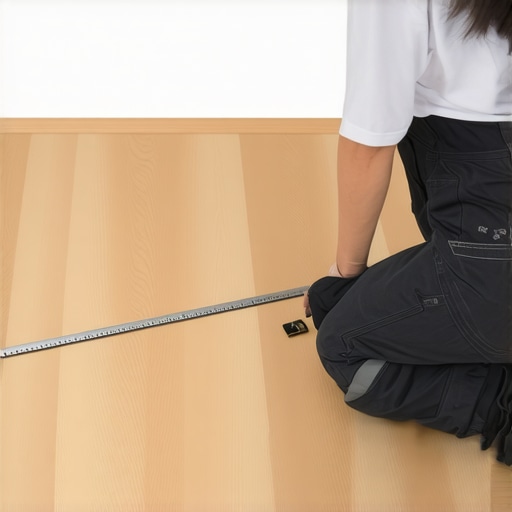 >Many DIY enthusiasts believe that following a checklist of steps guarantees a perfect flooring installation, but the real challenge lies in mastering the nuances that separate good from professional results. A common misconception is that the hardest part is the actual laying of the planks, but in reality, the devil is in the details of preparation and finishing. Overlooking minor imperfections in the subfloor or rushing through the measurement phase can lead to long-term issues like uneven surfaces or gaps that only become apparent months later. For instance, I’ve seen homeowners skip the step of thoroughly checking the subfloor’s flatness, assuming that a quick visual inspection suffices. This oversight often results in squeaky, unstable floors that require costly repairs down the line.When it comes to maintaining your newly installed flooring, having the right tools and understanding their optimal use can make all the difference. I personally rely on a few key pieces of equipment that help me ensure long-term durability and a pristine finish. For example, a high-quality laminate floor cleaner, like Bona Hardwood Floor Cleaner, is my go-to for routine maintenance because it effectively lifts dirt without damaging the finish. I avoid generic cleaning solutions that might leave residues or cause dullness over time.
Another essential tool I swear by is a microfiber dust mop. Unlike traditional brooms, microfiber dust mops trap fine dust and pet hair more efficiently, preventing scratches that can occur with abrasive debris. I use this daily to keep the surface clean, especially in high-traffic areas.
For deeper cleaning, I turn to a steam mop designed specifically for hardwood floors. I choose models with adjustable steam settings and gentle pads, like the Shark Genius, because they sanitize without introducing excess moisture that could warp the wood. Regular use of a steam mop helps prevent buildup and keeps the floor looking fresh.
To protect your investment, consider applying a quality floor polish or finish every few years. I recommend a product like Minwax Floor Finish for their durability and ease of application. Before applying any new coat, I thoroughly clean the floor with a mild solution and let it dry completely. This refreshes the surface and restores that showroom shine.
Looking ahead, the trend toward eco-friendly and smart cleaning solutions is growing. Innovations like robotic floor cleaners with mapping technology are becoming more affordable and effective, making maintenance even easier. Imagine setting a robot to clean your floors overnight—saving you time and keeping your flooring in top condition.
To keep your floors in perfect shape, regular maintenance is key. Use gentle cleaning tools like microfiber mops, avoid excess water, and schedule periodic deep cleans with steam or specialized polish. Also, inspect your flooring periodically for scratches, loose planks, or gaps, and address issues promptly to prevent further damage. Remember, a little effort goes a long way in preserving the beauty and integrity of your investment. For more tips on long-term flooring care, check out our guide on [Flooring Installation Mistakes to Avoid for a Seamless Look](https://example.com/flooring-installation-mistakes).
If you’re ready to take your maintenance routine to the next level, try integrating a robotic cleaner into your weekly schedule. It’s a game-changer for busy households!
The Hardest Lesson I Learned About Flooring
One of the most valuable lessons I learned was not to underestimate the importance of subfloor preparation. I once skipped leveling the surface properly, which caused squeaks and unevenness months after installation. That experience taught me that investing extra time here saves headaches later.
Three Myths About DIY Flooring That Held Me Back
I believed that you need professional skills to install hardwood floors, but with the right guidance and patience, I realized anyone can succeed. Also, I used to think that expensive tools are necessary—turns out, quality over quantity matters, and some affordable tools do the job well.
What Experts Won’t Tell You About Flooring Maintenance
Many overlook that regular cleaning with gentle tools like microfiber mops significantly extends the lifespan of your floors. I learned that avoiding excess water and harsh chemicals keeps the finish intact longer. These small habits make a big difference over time.
My Essential Toolkit for Flooring Success
I trust a high-quality laser level for precise measurements, a good saw for clean cuts, and a durable tapping block to ensure tight joints. These tools have consistently made my installation smoother and more professional-looking. Investing in reliable equipment truly pays off.
Where to Go from Here
If you’re serious about perfecting your flooring project, check out our comprehensive guide on [Flooring Installation Mistakes to Avoid for a Seamless Look](https://example.com/flooring-installation-mistakes). It offers in-depth insights that will help you avoid common pitfalls and achieve stunning results.
Your Turn to Shine
Taking on your own flooring installation can be incredibly rewarding. Remember, the key is in the details and preparation. Don’t wait—start planning your project today and transform your space with confidence. Your floors will thank you for it!
What’s the biggest challenge you’ve faced when installing flooring? Share your experience below—I’d love to hear your story!