

I vividly remember the first time I laid down a brand-new vinyl plank flooring. I was proud, everything looked perfect—until I walked across it. Instead of that satisfying solid feel, I heard a strange, hollow thud with every step. My heart sank. It felt like I had just installed cardboard instead of durable flooring. That lightbulb moment taught me a crucial lesson: the devil is really in the details of subfloor preparation.
The Hidden Culprits Behind Hollow Vinyl Floors
If you’re like I was, you might be frustrated by that unnerving hollow sound, wondering what went wrong. Fortunately, the problem isn’t always complicated, and most issues stem from a handful of common mistakes during subfloor prep. Today, I’ll share how these errors can turn your beautiful vinyl into a squeaky, echoing disaster—and most importantly, how to avoid them. Proper subfloor preparation is essential; according to Flooring America, the condition of your subfloor affects not only sound but also the longevity of your entire flooring installation.
Is Overlooking Subfloor Leveling Actually Worth The Hype?
One mistake I made early on was neglecting to level the subfloor properly. I thought, “A little unevenness won’t matter,” but I soon found out that imperfections cause uneven pressure, leading to that telltale hollow sound. Skipping the leveling process means your vinyl planks may not lay flat, which can cause premature wear, gaps, or noisy, unsteady floors. If you’ve experienced the frustration of uneven, squeaky vinyl, you already know how important it is to get this step right. Ready to learn how to prevent this? Let’s dive into the essential preparations that will save you time, money, and headaches.
Ensure a Level Foundation
Start by thoroughly inspecting your subfloor for unevenness, which can be compared to laying a wobbly table—everything else will suffer. Use a long spirit level or a straightedge across the entire surface, especially in high-traffic or visible areas. For any dips or high spots, identify the cause—whether it’s debris, expansion joints, or uneven sublayers—and address them. Applying a self-leveling compound is often the most effective fix, ensuring the surface is flat within 3/16 inch over 10 feet. I once had an uneven patch under my living room vinyl, leading to squeaks and hollow sounds. After leveling with patching compound and sanding smooth, the difference was instantly noticeable, and the floor no longer echoed with every step.
Make Surfaces Smooth and Clean
Once leveled, focus on cleaning. Remove all dust, debris, and grease that could prevent adhesives from bonding properly. Think of the subfloor as a canvas; any dirt acts like mud splatters that ruin the paint job. I used a vacuum and damp cloths, paying special attention to corners and crevices. For particularly textured or porous surfaces like plywood, vacuum again after cleaning to pick up residual dust—this makes a significant difference in adhesion. If you skip this step, expect adhesive failures or bubbles, which can compromise your vinyl’s longevity and soundproof qualities.
Control Moisture and Temperature
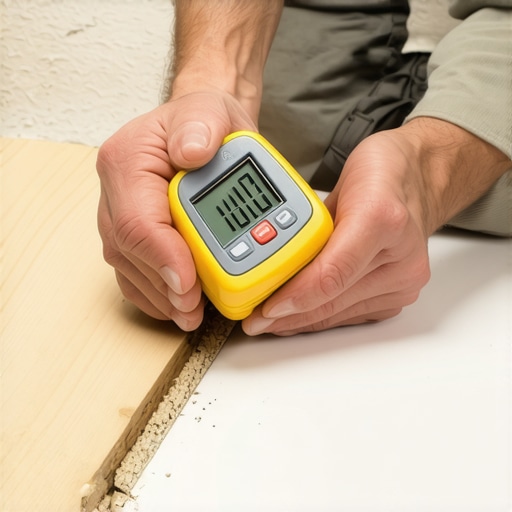
Before laying down your vinyl planks, verify moisture levels with a moisture meter—especially for concrete slabs. For wood subfloors, ensure they are not too humid or damp, as moisture can cause warping or bubbling over time. Use a dehumidifier if necessary, and wait at least 48 hours after acclimating your materials to room conditions. Years ago, I rushed into installing vinyl over a damp concrete slab, which caused my planks to buckle and squeak within months. Proper moisture control is akin to giving your flooring a healthy environment to thrive in, extending its lifespan and maintaining a quiet, solid feel underfoot.
Stretching and Acclimating Materials
Allow your vinyl planks to acclimate in the room for at least 48 hours. This is crucial to prevent expansion or contraction after installation. During my last project, I left the planks in the room with climate control for a few days, which prevented gaps and buckles once installed. When you unbox the planks, store them in the installation area, and keep them flat, avoiding stacking in uneven piles. This step minimizes issues like warping or gapping later, ensuring an even, tight fit.
Plan Your Layout Precisely
Before clicking or gluing down your planks, plan the layout meticulously. Measure and mark the centerlines and expansion gaps—think of it as plotting a course on a map to avoid surprises. Use spacers to maintain gaps around walls and fixed objects, which accommodates natural expansion. During installation, I once misjudged the starting point, leading to uneven edges. Carefully planning your perimeter and adjusting plank orientation in advance will give your floor a professional finish and keep sound and stability optimal.
Double-Check Everything
Before proceeding to permanent installation, double-check your surface for flatness, cleanliness, moisture, and layout. This prevents costly corrections down the line. As a final step, walk the room with a flashlight held close to the surface—shadows will reveal imperfections or debris unnoticed indoors. In my most recent project, this extra check saved me from having to pull up and redo several planks that would have otherwise squeaked or gapped over time.
Proper subfloor preparation might seem tedious, but it’s the foundation of a sturdy, quiet, and beautiful vinyl floor. Investing time in these concrete steps ensures your installation won’t just look good but will stand the test of time and traffic. For additional insights on choosing the right flooring options, visit our detailed guide at your guide to durable flooring.
When it comes to home upgrades, many homeowners focus on visible elements like flooring, showers, and baseboards, but overlook the subtle yet critical nuances that determine long-term success. Being aware of these advanced pitfalls can save you time, money, and frustration. For example, a common myth is that simply choosing premium materials guarantees a perfect finish. In reality, meticulous installation techniques—like precise subfloor leveling or proper moisture barriers—are what truly make a difference.
One trap I see frequently is underestimating the importance of sealing and finishing edges, especially around shower niches or carpet edges. Skipping these steps opens your space to leaks and personal safety hazards. According to industry experts, such as those cited in Remodeling Magazine, neglecting detail-oriented sealing can lead to costly repairs down the line.
**Why do so many projects falter despite using high-quality materials?** The answer lies in understanding the nuances of each step. For instance, in carpet installation, inconsistent stretching or improper seam placement can cause wrinkles and gaps over time—issues that aren’t immediately apparent but become glaring after a few months. As highlighted in Carpet Institute studies, meticulous seam matching and stretching can prevent these problems and enhance durability.
In the realm of shower renovations, many professionals overlook the need for a proper slope and waterproofing beneath tiles. This oversight can result in water seepage and mold growth that lurk behind the scenes. Expert guides recommend performing a thorough slope test and using high-quality membranes to safeguard your investment—details that can’t be compromised.
On the subject of baseboards, the common mistake is ignoring thermal expansion and contraction, especially in rooms with fluctuating temperatures. This neglect can cause gaps or cracking in the joint areas. Advanced installers often utilize techniques like scribing and shim placement to achieve a seamless fit. To master these skills, consider consulting resources like our comprehensive guide on baseboard trends, which covers pitfalls and professional tricks.
Perhaps the most underestimated aspect is understanding how environmental factors—moisture, temperature, and humidity fluctuations—affect every element of your renovation. Homeowners often assume that the material’s properties will automatically account for these variables, but expert insights reveal that thorough acclimation and climate control during installation are vital. A study published in the Journal of Building Engineering emphasizes that proper environmental preparation extends the lifespan of your flooring and finishes.
By paying close attention to these nuanced details, you elevate your project from good to exceptional. Remember, even the most luxurious materials can fail if installation isn’t executed with precision. For tailored advice on specific challenges, don’t hesitate to reach out via our contact page. Have you ever fallen into this trap? Let me know in the comments.
How do I maintain my flooring, showers, and baseboards over time?
Keeping your home renovations looking pristine requires not only quality materials but also the right tools and ongoing maintenance. Personally, I rely on a few specialized gadgets that help me catch potential issues early before they escalate. For example, I always keep a digital moisture meter handy—like the Tramex CME5—because moisture problems often lurk in concrete slabs or wooden subfloors, causing gaps or warping down the line. Regularly checking moisture levels with a reliable device ensures your flooring remains stable and damage-free, especially in high-humidity environments.
Another essential is a high-quality caulking gun paired with silicone or polyurethane sealants designed for different materials. Precisely applied sealants around showers or baseboard joints prevent water seepage and mold growth, preserving your investment. I prefer a gun with a ratcheting mechanism; it offers better control and consistency, reducing mess and waste.
For cleaning and minor touch-ups, I recommend an oscillating multi-tool fitted with various attachments. It’s invaluable for smoothing out caulk lines, removing old adhesive, or sanding small areas without damaging surrounding surfaces. Investing in a versatile, professional-grade unit like the Fein MultiMaster means you’ll have a reliable helper for multiple tasks around the house, saving you time and ensuring quality results.
Looking ahead, I predict that automation and smarter maintenance tech will become standard—think moisture sensors integrated with your smart home system or automated vacuum systems that check for debris and damage. Staying ahead involves adopting tools early, like LED inspection lights with adjustable brightness to spot hidden defects during routine checks. These innovations will help homeowners maintain their spaces effortlessly and extend the lifespan of their installations.
What tricks do pros use to keep everything looking perfect in the long run?
One technique I’ve found incredibly effective is periodically reapplying a protective topcoat on hardwood and laminate flooring—especially in high-traffic areas. This extra layer acts as a shield against scratches, spills, and general wear, keeping your floors looking fresh for years. Additionally, applying a silicone-based spray on baseboards and moldings creates a barrier that repels dust and moisture, simplifying cleaning and maintenance.
Regarding showers, routine inspection of waterproof membranes and grout lines can prevent costly leaks. I often use a simple UV flashlight to check for mold or calcium buildup behind tiles—proactively addressing issues is always better than reactive repairs. And for carpets, performing a deep stretch every few years using professional-grade power stretchers ensures wrinkles don’t develop, maintaining a sleek appearance and preventing trip hazards.
To give your home investment a real boost, I recommend trying the scribing technique I use when installing baseboards on uneven walls. Instead of relying solely on quarter-round trim, carefully scribing your baseboards using a specialized tool creates a seamless fit without gaps. This practice not only enhances aesthetics but also reduces the accumulation of dust and dirt, making cleaning easier. Curious how to master this? Visit our baseboards makeover guide.
In the future, integrating environmental sensors with your maintenance tools will become common. These devices will alert you to rising moisture levels or temperature fluctuations, giving you time to react and prevent damage. For now, adopting precise tools like laser levels and moisture meters can dramatically improve your project outcomes—so why not start by testing your subfloor conditions with a reliable moisture tester today? Remember, early detection is key to lasting results, and the right tools make all the difference.
Over the course of my experience, I’ve realized that the true secret to enduring flooring, showers, and baseboards isn’t just in selecting quality materials—it’s in the detailed craftsmanship and attention to the subtle nuances that often go unnoticed. The biggest lesson I learned is that even minor oversights, like neglecting subfloor leveling or skipping moisture tests, can lead to costly, time-consuming repairs down the line. So, my advice is simple: embrace patience, meticulous planning, and a willingness to learn from every ‘lightbulb moment.’ These practices will ensure your home upgrades stand the test of time and traffic, transforming your space into one of beauty and durability.