

I remember the first time I tried to install baseboards in a room where the walls weren’t perfectly straight. The frustration was real—gaps, uneven edges, and a lot of second-guessing whether I was just destined to live with imperfect finishes. It was a lightbulb moment—I needed a different approach.
The Game-Changer: Shimming Your Way to Perfect Baseboards
Forget about risking crooked lines or uneven gaps. Today, I want to share with you the simple yet effective trick that transformed my projects—the art of shimming for out-of-plumb walls. Trust me, it’s a technique that can save you hours of headaches and make your baseboards look professionally done, even in less-than-perfect conditions.
Have You Faced This Problem Before?
If you’ve ever looked at your baseboards and felt that sinking feeling because they don’t sit flush against the wall, you’re not alone. Out-of-plumb walls are a common challenge, especially in older homes or when dealing with subpar framing. But here’s the thing: understanding how to use shims properly can turn this obstacle into an opportunity for a cleaner, more polished finish.
Early in my DIY journey, I made the mistake of forcing the baseboards against uneven walls without adjusting for the irregularities. The gaps were obvious, and no amount of caulk could fix that. That experience taught me a valuable lesson—precision starts with understanding the wall’s shape. A quick visit to resources like [the baseboard trends of 2025](https://tilecraftsmens.com/baseboards-makeover-elevate-your-interior-with-simple-updates) can give you some ideas for fresh styles that might just inspire your next project.
But before diving into the step-by-step process, let’s address the common skepticism: Is this shimming method really worth the extra effort? Well, I found that a small investment of time in shimming results in a far superior finish. Plus, it makes subsequent painting or staining much simpler because you’re not working to hide irregular gaps. The secret lies in knowing where and how to place those shims for the best outcome.
Now, if you’re curious about how to apply this technique effectively, stay tuned. The next section will walk you through the basics, so you can confidently tackle your next baseboard project with a pro’s touch.
Positioning Your Shims for a Flush Finish
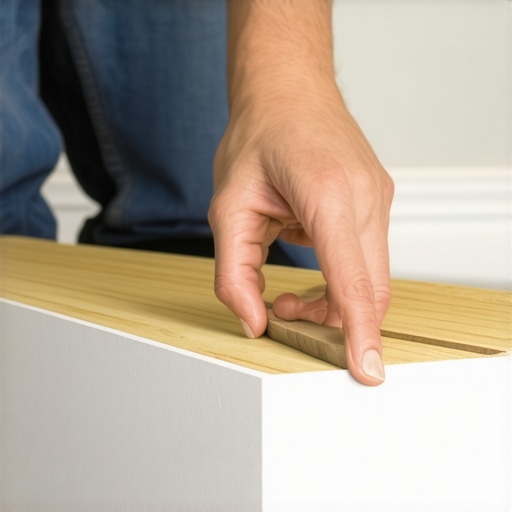
Start by measuring the wall’s unevenness with a long level or straight edge. Place the baseboard against the wall and identify gaps. Use thin, tapered shims—like tiny wedges—to fill in these gaps near the wall studs. Secure the baseboard temporarily with finishing nails into the shims to hold it in place, then adjust the shims as needed for a tight fit. Once satisfied, drive nails through the baseboard into the wall, ensuring the shims are snug but not overly compressed.
Adjusting for Larger Irregularities
If the wall has significant dips or peaks, use thicker shims in those areas while keeping the baseboard level with a bubble or laser level. This prevents uneven joints or gaps. For especially rough patches, apply a flexible filler or caulk behind the shims before attaching the baseboard to prevent any movement.
Sealing and Finishing for a Perfect Look
After installing, remove any excess shims and fill small gaps with flexible caulk or wood filler. Sand down any uneven edges gently and paint or stain the baseboards for a seamless appearance. The key is to not rush the process—taking the time to shim properly ensures a cleaner, more professional result every time.
Specific Tip: Using a Spacer for Consistency
If working on multiple walls or rooms, create a custom spacer with scrap wood or cardboard the width of your shims. This helps maintain consistent shim placement and thickness across the installation, speeding up the process and improving accuracy. For more advanced techniques or inspiration for your home renovation, explore [baseboard trends in 2025](https://tilecraftsmens.com/baseboard-trends-in-2025-fresh-styles-for-every-room) to select styles that complement your improved finish.
Many homeowners and DIY enthusiasts often operate under misconceptions when it comes to finishing touches like baseboards, shower installations, carpet laying, and flooring. Let’s dig deeper into some of these myths, revealing Nuances that can make or break your project. Contrary to popular belief, matching baseboard style exactly to current trends isn’t always the best choice; sometimes, opting for timeless designs offers better longevity and resale appeal. Beware of the trap of rushing through shower waterproofing—many overlook critical details like proper membrane installation, which studies have shown to significantly reduce leaks and mold growth. When it comes to carpet installation, the myth that all pads are equal can lead to subpar results; selecting the right padding based on foot traffic and room use ensures durability and comfort. Lastly, many assume flooring is a straightforward process, but neglecting subfloor prep or ignoring expansion gaps can cause warping and buckling over time. Do you know the hidden nuances that professionals consider? For instance, correct subfloor prep not only prolongs floor life but also impacts overall room aesthetics, especially in areas like bathrooms and kitchens. I recommend exploring [your guide to durable flooring installation](https://tilecraftsmens.com/your-guide-to-durable-flooring-installation-for-a-stylish-home) for advanced tips. Recognizing these subtleties helps you avoid costly mistakes and achieve a polished finish. For example, many skip sealing gaps during baseboard installation, leading to unwanted drafts and energy loss. The key is understanding that every detail, from proper shimming to precise cutting, contributes to a flawless appearance. Reflect on your projects—have you ever fallen into this trap? Let me know in the comments! Remember, mastering these nuances transforms good enough into exceptional, saving time and money in the long run.Maintaining your home’s finishes requires reliable tools and consistent methods that stand the test of time. Over the years, I’ve zeroed in on specific equipment and techniques that not only ensure durability but also make future repairs or adjustments straightforward. For instance, I rely heavily on a high-quality digital laser level for alignment checks—this small investment eliminates guesswork, especially in complex projects like flooring or shower renovations. Equally important is a precision miter saw with adjustable stops; it guarantees clean, tight cuts on baseboards or crown molding, reducing gaps and the need for recalibration later.
When it comes to caulking and sealing, I prefer a high-flexibility, mold-resistant sealant designed for bathroom fixtures; this material remains elastic over years, accommodating movement without cracking. Consistency in application is key, which is why I use finish guns with nozzles designed for fine detail work—allowing me to produce clean lines that last.
For long-term results, I schedule periodic inspections of vulnerable areas like shower seals or baseboard corners, especially after seasonal changes. Checking these spots early helps prevent water damage or structural issues. Moreover, I utilize moisture meters to detect hidden problems behind walls—this proactive approach saves money and preserves your home’s integrity.
Looking ahead, I see a future where smart tools become standard—think Bluetooth-enabled level lasers or app-integrated moisture sensors. These innovations will make maintenance even more precise and less invasive.
How do I keep my home finishes working over time?
Regular upkeep is simple but vital. For example, reapplying sealant every few years around showers, or touching up baseboards with matching paint, prevents minor issues from escalating. Using the right tools simplifies these tasks; for instance, a detail brush with a fine tip allows for neat touch-ups without overdoing it.
To make maintenance more manageable, I recommend creating a schedule tailored to your home’s environment and usage patterns. Consistent inspections, combined with the right equipment, extend the life of your investments. If you want to improve your shower’s waterproofing, check out [shower renovation ideas for modern designs](https://tilecraftsmens.com/shower-renovation-ideas-modern-designs-for-a-luxury-feel), which include tips on using advanced waterproofing materials.
Finally, don’t forget the value of documenting your repairs and upgrades. Keep a photo log or a simple checklist. This habit helps identify recurring issues early and ensures your home remains beautiful and functional for decades. I encourage you to incorporate a moisture meter into your toolkit—it’s one of the most effective ways to catch hidden problems before they become costly repairs, as discussed in technical guides on moisture detection.
Over the years, I discovered that great craftsmanship often hinges on mastering subtle nuances that many overlook. For instance, I once failed to account for seasonal humidity changes when installing baseboards, leading to warping and gaps that I had to fix months later. These experiences became invaluable lessons, emphasizing the importance of patience and attention to detail. Remember, it’s often the small adjustments—like adjusting shim placement for uneven walls—that distinguish a professional finish from a novice result. The more I integrated tools like moisture meters and laser levels into my process, the more I realized that precision isn’t just about tools—it’s about cultivating a mindset of meticulous care.