

I remember the first time I noticed a damp, moldy smell wafting from my bathroom. It was subtle at first—just a hint of moisture lingering around the shower area. But soon enough, I spotted the telltale signs: peeling paint, discolored grout, and an unsettling softness near the shower curb. That moment was a lightbulb for me. Turns out, the culprit was a simple oversight made during installation, and it was slowly turning my bathroom into a moisture nightmare.
Spotting the Problem Early Saves You Big
Many homeowners, including myself in my early days, underestimate how critical proper shower curb installation is. The main issue? The staple holes used to secure the curb often become a weak point. If not sealed correctly, these tiny holes can expose the subfloor to water infiltration—leading to rotting, mold, and even structural damage over time.
But here’s the thing: it’s a fix you can learn—and that saves you hundreds of dollars in repairs later. Today, I’ll walk you through how to identify the Staple-Hole Error and, more importantly, how to avoid it. I’ve faced these mistakes firsthand and know the frustration they cause. I’ll share tips drawn from my experience and industry best practices, including insights from experts like the Waterproofing Institute, who emphasize the importance of sealing every penetration point in wet areas.
Will Ignoring Staple Holes Cost You More Than Just Money?
In my early projects, I neglected to pay attention to staple holes—believing they were insignificant. I learned the hard way that that tiny flaw allowed water to seep underneath the curb, causing rot and structural issues. Trust me, missing this detail is a race against time—and your wallet.
Now, before we get into the step-by-step fixes, think about your own bathroom. Have you ever noticed water stains or soft spots at the base of your shower? If so, you might be facing this silent, sneaky problem. Addressing it now can prevent a costly and messy overhaul down the line.
Let’s dive into the practical solutions to ensure your shower curb stays dry and sturdy for years to come.
Applying Proper Sealing Techniques to Staple Holes
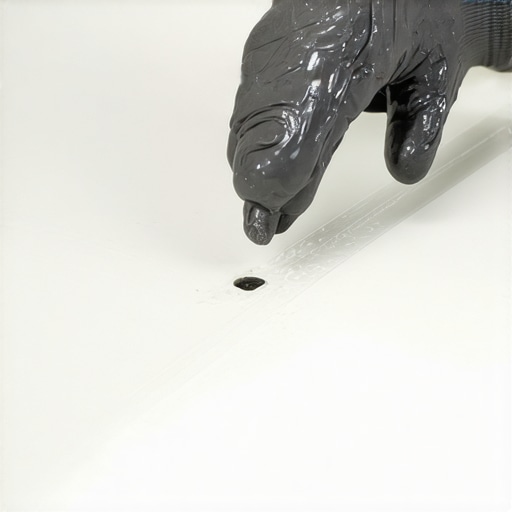
During my recent bathroom renovation, I discovered that the staple holes used to secure the shower curb were the primary water entry points. To fix this, I used a high-quality waterproof silicone sealant. I carefully filled each staple hole, ensuring no gaps remained. This process is similar to sealing around a bathtub drain—every opening must be meticulously sealed to prevent leaks. Using a caulking gun, I applied a bead of sealant into each hole, then smoothed it with a damp finger for a tight finish. The result? No more moisture seeping through, and my curb was solid and waterproof. Remember, neglecting this step can lead to hidden damage behind your walls—so take the time to seal every penetration.
Ensuring a Waterproof Base Before Tiling
Clean and Prepare the Surface
First, thoroughly clean the curb and surrounding area to remove dust, mold, and old adhesive. Use a degreaser if necessary to ensure the surface is clean. A well-prepared surface promotes better adhesion of waterproofing membranes or sealants.
Apply a Waterproof Membrane
Next, lay down a liquid waterproof membrane or waterproofing sheet over the entire curb surface. I opted for a liquid membrane, using a brush to apply two coats—each slightly overlapping the previous—allowing adequate drying time between coats. This creates an impermeable barrier that stops water from reaching the subfloor. The key is to extend the membrane at least 2 inches beyond the curb edges to ensure complete coverage, similar to how you might waterproof a foundation before tiling.
Using Correct Fastening and Sealant Methods
When installing the curb, avoid over-drilling or leaving staple holes unsealed. Instead, use corrosion-resistant fasteners and immediately seal any penetration points with a waterproof sealant. For example, I used stainless steel screws, and before tightening, I applied sealant in the hole—like sealing a pipe fitting before connecting it to plumbing—to prevent water ingress.
In my experience, applying a continuous bead of sealant around fasteners and along the edges of the curb creates a comprehensive waterproof shield. Pay special attention to corners and seams—these are common weak spots. Think of it like sealing the joints of a window frame; proper sealing ensures water doesn’t find its way inside.
Checking for Vulnerable Spots After Installation
Once the curb is installed, perform a water test to identify any leaks. I used a hose to splash water over the curb, observing from below or behind the wall to detect drips or wetness. If you find any gaps or leaks, reapply sealant immediately. This step is crucial, similar to inspecting a roof for leaks after sealing the shingles.
Keep in mind, regular inspection and maintenance are vital. Over time, sealants can degrade, especially in moist environments. Reapplying sealant every couple of years ensures ongoing protection against water damage, helping you avoid costly repairs down the line.
 Many homeowners assume that installing showers, flooring, or baseboards is straightforward, but the reality is far more nuanced. A prevalent misconception is that a perfectly level subfloor or wall guarantees flawless installation. However, even minor imperfections can lead to issues like grout cracking or baseboard gaps if not properly addressed. For instance, when laying flooring, neglecting to create a slight slope towards the drain can cause water pooling, leading to long-term damage—a mistake often overlooked by DIYers. Such nuances highlight the importance of meticulous preparation and understanding advanced techniques, such as ensuring subfloor moisture barriers are correctly installed, as emphasized by industry experts. An often-missed detail is the importance of sealing all expansion joints and gaps properly; failure to do so can result in future separation or water infiltration. Interestingly, many believe that using the same adhesive or sealant for every application is sufficient. In reality, different materials demand specific products—using a general-purpose sealant on a shower niche, for example, can compromise waterproofing, leading to leaks behind walls. Experts from the Waterproofing Institute advise that understanding the substrate and material compatibility is crucial for durability. Additionally, advanced mistakes include improperly anchoring baseboards—screwing through drywall instead of studs can cause gaps and instability over time. For corner joints, simple miter cuts without tight fitting or sealing can lead to visible gaps, especially on uneven walls, affecting overall aesthetics. Have you ever fallen into this trap? Let me know in the comments. By digging into these nuances, you’ll avoid common pitfalls and ensure your renovation lasts for years to come. For more tips on achieving seamless installations, check out our guide on “[Baseboard Trends in 2025](https://tilecraftsmens.com/baseboard-trends-in-2025-fresh-styles-for-every-room)” and learn how to elevate your interiors with the latest styles.
Investing in the Right Tools Ensures Durability
Maintaining quality in your renovation projects requires precise and reliable equipment. I personally swear by a high-quality notched trowel for applying waterproofing membranes—such as the Schluter KERDI sheet—because it guarantees even coverage without air pockets, which is critical for preventing leaks over time. Using a calibrated wet-dry vacuum, like the Fein Turbo I own, enables me to remove debris and dust thoroughly before sealing or tiling, ensuring long-term adhesion and reducing future maintenance headaches.
For accurate moisture testing of subfloors or walls, I prefer the Protimeter Surveymaster. It provides instant readings critical for avoiding water-related issues that could undermine your flooring or baseboards. When I need to cut tiles or vinyl planks perfectly around fixtures or uneven surfaces, I rely on a digital angle finder, such as the Bosch Digital Angle Finder, to guarantee precision—saving time and preventing costly mistakes.
Long-Term Care with the Right Maintenance Practices
Even with the best tools and installations, ongoing maintenance determines durability. Applying a high-quality, mold-resistant silicone sealant like the GE Silicone II Fast Dry around shower niches, floor seams, and baseboards creates a flexible, waterproof barrier that resists cracking over years of use. Regular inspection of grout lines using a flashlight can reveal early cracks—addressing them immediately with flexible grout additives can extend the life of your tiles. A tip from experts at the Waterproofing Institute suggests re-sealing grout and caulking every 2-3 years depending on usage and environmental conditions.
Predicting Trends in Tools for Renovation Success
In the future, I see digital moisture meters becoming more advanced, perhaps integrating with smartphone apps for real-time monitoring of humidity levels in hidden spaces. Automated tools that can scan for weak spots or leaks during regular maintenance could save homeowners thousands in repairs. For those serious about a long-lasting renovation, investing in such smart tools now can pay dividends.
How do I keep my installations functioning well over time?
One effective method is to adopt a proactive maintenance routine—regularly inspecting sealants, reapplying waterproof membranes, and updating worn-out components. When installing baseboards, I highly recommend sealing all joints with a flexible, paintable silicone to prevent water infiltration and movement gaps. If you want to master flawless baseboard miter joints, check out this guide on baseboard upgrades. Lastly, consider investing in advanced tools like electronic thermal scanners to detect hidden moisture early—by doing so, you’re not just installing a system; you’re creating a home that stays functional and beautiful for years to come. Try re-sealing grout lines with a flexible sealant this weekend to see immediate benefits.
Lessons the Hard Way in Shower and Floor Installations
One invaluable lesson I learned is that every detail counts—overlooking small imperfections or forgetting to seal staple holes can lead to big headaches down the line. The importance of patience during prep and installation is something I wish I appreciated earlier, as rushing often led to costly repairs. I’ve discovered that understanding the nuanced behaviors of waterproofing materials truly makes a difference, transforming a good installation into a long-lasting success.
Another insight: never underestimate the value of regular maintenance. Reapplying sealant and inspecting for weak spots keeps your bathroom dry and your wallet happy. Recognizing that some issues develop slowly over time—like tiny cracks or subtle gaps—alerts me to act before damage escalates, saving time and money.
Lastly, I learned that investing in quality tools and materials isn’t just about convenience; it’s about durability. From choosing the right waterproof membrane to proper fasteners, each choice impacts the longevity of your project. Through experience, I’ve come to see that meticulous attention to these details creates a resilient, leak-proof bathroom environment.
Resources I Trust for Flawless Showers and Floors
For precise waterproofing techniques, I rely on expert guides like the one on creating a spa-like shower. They’ve helped me understand how to manage moisture barriers effectively. My go-to tools include a high-quality waterproof sealant from trusted brands, which guarantee flexible, long-lasting protection.
To perfect tile cuts and installation, I lean on digital tools like the Bosch Digital Angle Finder, ensuring tight joints and clean corners. The baseboard trends guide for 2025 also offers fresh ideas to elevate your space, emphasizing the importance of finishing touches that seal the deal.
Reading materials such as industry-specific manuals deepen my understanding of waterproofing and structural integrity. Continual learning and embracing new technologies have significantly improved my projects’ durability and appearance.
Your Next Step in Creating a Leak-Free Sanctuary
Remember, every meticulous detail you embrace today builds a fortress against future water damage. Your dedication to proper sealing, preparing, and maintaining your shower curb and flooring will pay off with years of peace of mind. Don’t let small oversights compromise your home’s foundation—start implementing these expert tips now and enjoy the confidence of a well-protected space.
Have you encountered challenges with sealing staple holes or waterproofing in your projects? Share your experience below and let’s learn together.