

I remember the moment I first noticed it: a beautiful room freshly outfitted with luxury vinyl planks. It was supposed to be a sleek, stylish upgrade. Everything looked perfect—until I saw the warping near the sunny window. It was like my flooring had developed tiny waves overnight. I felt that sinking frustration, realizing I’d overlooked a critical factor during installation. That light-bombed area was now a warped mess, and I knew I had to understand why it happened and, more importantly, how to prevent it from wrecking my entire home.
The Hidden Enemy: Sunlight and Vinyl Warping
If you’ve ever laid down new vinyl flooring only to see it buckle or uplift at the edges, especially near windows that bask in sunlight, you’re not alone. This isn’t just about aesthetics; it’s about the material’s reaction to heat and moisture. Luxury vinyl planks, while praised for their durability and style, are susceptible to thermal expansion. When exposed to direct sunlight over time, the planks expand, and if the installation isn’t done with this in mind, warping becomes inevitable.
My personal experience was a wake-up call. I didn’t think about how much sunlight my favorite sitting nook would receive or how the vinyl might respond. At first, I thought the warping was a defect. It wasn’t until I did a bit of research that I discovered that vinyl is more sensitive to heat than many realize. According to flooring experts, vinyl can expand up to 0.5% of its length under high temperatures, which is enough to cause noticeable warping or buckling if not addressed (source). This meant my oversight could have been avoided with a simple precaution during installation.
So, what’s the fix? That’s what we’ll explore together. Whether you’re currently battling warped planks or just want to understand how to maintain your flooring better, I’m here to help. And yes, I’ll also share some of the mistakes I made early on—believe me, I learned the hard way. If you’ve noticed warped planks near your sunny windows, don’t despair. There’s a way to fix and prevent this issue, and it’s not as complicated as it seems.
Is Vinyl Warping Due to Sunlight Actually Worth Worrying About?
When I first saw the warping, I wondered if I should just replace the flooring altogether. But after consulting with professionals and diving into the best practices, I realized it’s a common challenge but manageable. The key lies in understanding the behavior of vinyl and taking proactive steps. Early on, I made a mistake by not leaving enough expansion gaps around the room and by neglecting to install UV-protective window treatments. Had I known earlier, I could have avoided those unsightly warps. If you’re facing a similar problem, don’t hesitate to check out more about how proper installation techniques and protective measures can save your flooring from sun-induced damage (creating a spa-like shower). Understanding these details is crucial to maintaining your home’s beauty and value.
Estimate the Total Expansion Space Before Installation
Start by measuring the circumference of your room and calculating how much your vinyl planks could expand during hot days. I once measured my living room and found that a 10-meter stretch could expand up to 5 millimeters. This clear understanding helped me plan for adequate expansion gaps. When laying the vinyl, leave at least 1/4 inch gap around the perimeter to accommodate this movement, much like leaving a zipper unzipped before fully closing it to prevent tears.
Use a Proper Subfloor and Level It
Ensure the subfloor is flat, dry, and clean. I once skipped this step and ended up with buckling after a summer heatwave. To level uneven spots, I used a self-leveling compound, which is akin to pouring pancake batter to fill in dips—smooth, even, and ready for the vinyl. At this stage, confirming the subfloor’s flatness with a long straightedge can save you from future warping issues.
Apply a Suitable Underlayment or Vapor Barrier
Installing an appropriate underlayment or vapor barrier minimizes moisture and provides a buffer against heat transfer. I incorporated a high-density foam underlayment, which acted like a shock absorber for my flooring, reducing both noise and movement. This step is vital in climates with high temperature swings, functioning as a safety net to prevent expansion-related problems.
Install UV-Blocking Window Treatments
Cover your windows with UV-protective films, shades, or curtains. During my first summer, I noticed the sun’s glare and heat intensified near my sitting nook. Installing sheer curtains helped diffuse the sunlight, much like a filter on a camera lens, reducing heat exposure and protecting the vinyl surface. This straightforward measure significantly slowed the warping process, extending the lifespan of my flooring.
Employ Design Strategies to Reduce Sun Exposure
Arrange furniture, potted plants, or decorative screens to shield the vinyl from direct sunlight. I positioned bookshelves and tall plants strategically, creating natural shade, which minimized heat buildup. Think of it as creating shade for delicate plants—by blocking the harshest sun, you prevent heat stress and preserve your flooring’s integrity.
Finalize with Precision Cutting and Scribing
When fitting planks near walls or fixed objects, use a scribing technique instead of general measurements. I used a contour gauge (a flexible tool that molds to irregular shapes) to trace wall contours, making cuts that fit perfectly. This method ensures tight gaps without unnecessary stress on the vinyl, much like tailoring a garment to closely match a person’s unique shape—no excess, no strain.
Secure and Cover Expansion Gaps
Once the planks are laid, install baseboards or quarter-round moldings over the gaps to hide them. I adhered to baseboard installation tips from here to ensure a clean look. This not only conceals the expansion gaps but also provides a finished aesthetic, preventing debris from settling into the gaps that could interfere with movement.
Monitor and Maintain Your Flooring
Regularly check high-sun areas for signs of warping. During seasons with intense sunlight, I made it a habit to observe my flooring’s response. If I noticed early signs of buckling, I would temporarily open windows or bring furniture to shade the area, akin to shuffling a deck of cards gently to prevent stress buildup. Prompt action can prevent minor issues from escalating, keeping your vinyl pristine.
Even seasoned homeowners often believe certain installation myths that can lead to costly mistakes. One widespread misconception is that all substrates are suitable for any flooring type; in reality, choosing the wrong subfloor or neglecting proper preparation can result in issues like creaking or warping, which could be avoided by understanding specific material requirements (see expert installation tips). Similarly, many assume that sealing shower niches with standard grout suffices, but neglecting adequate membrane or proper flashing often causes leaks over time. This highlights the importance of employing advanced waterproofing techniques and understanding the nuanced steps that professionals follow. When it comes to baseboards, a common mistake is installing mitered corners without accounting for wall irregularities, leading to visible gaps or misalignments. Using techniques like scribing or flexible tools can ensure a seamless finish. In carpet installation, many overlook the significance of proper stretching and backing choice; inadequate tension or the wrong pad can result in wrinkles or premature wear. Additionally, the misconception that all adhesives are interchangeable often leads to choosing cheaper products that fail under high traffic or moisture conditions, emphasizing the need to select the right adhesive based on the environment and material. Advanced installers also know that surface preparation is essential: uneven subfloors or unclean surfaces significantly compromise the durability and appearance of the finished product. For example, a slight unevenness in the subfloor can cause a vinyl plank to buckle or squeak, which underlines why meticulous leveling is crucial (see leveling secrets). Another overlooked nuance is the importance of environmental factors like humidity and temperature during installation. Failing to control these can lead to expansion or contraction issues down the line, especially with materials like hardwood or vinyl. Recognizing these subtle details can prevent future headaches and save costs. As you can see, understanding the intricacies of proper installation goes far beyond basic tools and supplies. It involves a detailed knowledge of material behavior, environmental considerations, and advanced techniques—elements often neglected by DIY efforts but embraced by experts. Do you find yourself falling prey to any of these misconceptions? Share your experiences below, and remember, a bit of expert insight can make all the difference in your project’s success.
Maintaining your home’s flooring, showers, and baseboards isn’t just about aesthetics—it’s about ensuring longevity and performance over time. One of the key strategies I rely on is investing in high-quality, specialized tools that make regular upkeep and troubleshooting much more efficient.
Choose the Right Power Tools for Precise Work
For installing or fixing baseboards, I swear by my automatic miter saw. Its ability to produce perfect, repeatable cuts saves me time and guarantees tight miter joints, which look professional and last longer. When working on shower renovations, I use a rotary hammer with a chisel attachment to remove old tile or concrete debris safely and quickly, reducing manual effort and minimizing damage to adjacent surfaces. Investing in reliable, brands like Bosch or Makita ensures durability and consistent performance, which is vital when tackling multiple projects.
Leverage Laser Measurement and Leveling
Accurate measurements are the backbone of flawless installations. I prefer using laser levels such as the Bosch GLL 3-80, which projects bright, precise lines for aligning tiles, installing baseboards, or checking subfloor flatness. This tool is especially beneficial in tricky situations like uneven walls or floors where traditional bubble levels struggle. Its ability to quickly establish level and plumb lines speeds up workflows and reduces errors that can cause long-term issues.
Utilize Digital Moisture Meters to Prevent Failures
Before laying down flooring or installing tiles, I always check moisture levels in the subfloor or wall cavities. My go-to is the Protimeter Surveymaster, which provides instant readings that inform me whether conditions are optimal. This step helps prevent common problems such as warping or adhesive failure caused by hidden moisture, saving time and costs down the line. Continuous monitoring in humid environments keeps my installations secure and durable.
Software and Planning for Long-Lasting Results
Planning projects has become much easier with digital design tools like SketchUp or Roomstyler. These programs let me visualize how new baseboards or tiles will look before actual installation, minimizing revisions and material waste. Additionally, using project management software like Trello helps me track maintenance schedules for your fixtures and plan future upgrades systematically, ensuring long-term performance and aesthetic appeal.
Predicting the Future: Smarter Tools for Smarter Homes
Looking ahead, I see a rise in IoT-connected tools that can monitor environmental conditions around your home—think smart humidity sensors and automated moisture management systems. These innovations will empower homeowners to proactively address issues like moisture buildup or temperature fluctuations, keeping flooring and fixtures pristine for years to come. Embracing these advancements now can give you an edge in maintaining your space effectively.
How do I keep my flooring, shower, and baseboards working over time?
Consistent maintenance, guided by precise measurements and the right tools, is the secret. Regularly check for early signs of wear or damage, and tackle problems using specialized equipment like laser levels and moisture meters. Don’t forget that proper planning with digital tools can prevent many issues before they start. By integrating these practices, you ensure your fixtures and flooring remain beautiful and functional for years.
If you’re ready to elevate your home maintenance, try implementing a laser level for your next baseboard or tile project. It’s a game-changer that provides accuracy and efficiency, making your DIY or professional work stand out. For more detailed guidance or custom advice, feel free to reach out through our contact page. Investing in the right tools today will save you time, money, and headaches tomorrow.
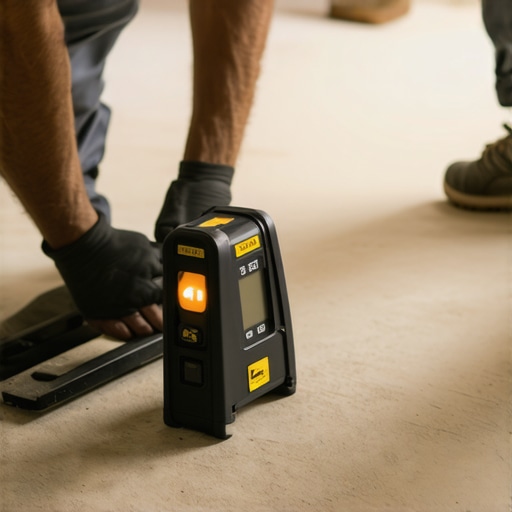
As seasoned homeowners and DIY enthusiasts, we’ve all faced those unexpected surprises—warped vinyl near a sunny window, crooked baseboards, or stubborn leaks that seem to defy repair. Over the years, I’ve learned that the real magic lies not just in following standard procedures but in understanding the less obvious lessons that can save time, money, and frustration.
Lessons Hidden Behind the Finish Line
- One of the toughest insights I uncovered was how subtle environmental factors—like fluctuating humidity or overlooked expansion gaps—could derail an entire project. For instance, I once hurried through my vinyl installation without considering how much sunlight heated the room, only to find warping months later. Knowing this, I always now measure and plan for temperature and moisture variations, which are often underestimated.
- Another lightbulb moment came during my shower renovation. A small overlooked detail—a proper waterproof membrane—prevented future leaks that would have cost me a fortune. It’s those tiny, often ignored, details that hold the key to durability. I learned that investing in quality materials and consulting expert tips from trusted sources can dramatically extend your project’s lifespan.
- Misconceptions can be sneaky. I used to believe that a quick caulk job could fix every gap, but I discovered the importance of employing advanced sealing techniques and understanding material behavior. This realization transformed my approach, ensuring both aesthetics and functionality.
- Finally, I found that embracing the right tools—laser levels, moisture meters, and contour gauges—was a game-changer. Not only did they make precision easier, but they also built confidence, turning daunting tasks into manageable ones. The investment in these tools pays off in flawless results and peace of mind.
Tools and Resources That Made a Difference
- Bosch GLL 3-80 Laser Level: Its brightness and accuracy helped me align my baseboards perfectly, especially on tricky walls. Trust me, precision matters for that seamless look.
- Protimeter Surveymaster Moisture Meter: Before installing any flooring, checking moisture levels saved me from future buckling or mold issues. It’s an essential step that shouldn’t be skipped.
- Creating a Spa-Like Shower Experience for expert tips: Applying the right waterproofing techniques from the start makes all the difference.
- Baseboards Makeover Guide for style and longevity: Upgrading your baseboard installation techniques can elevate your entire room’s aesthetic.
Your Next Step: Embrace the Learning Curve
Transforming your home isn’t just about completing a project; it’s about understanding the subtle nuances that separate good results from great ones. With a willingness to learn and the right tools, you can tackle even the most challenging renovation tasks with confidence.
What’s one unexpected lesson you’ve learned during your home improvement adventures? Share below—your story might inspire someone else to see challenges as opportunities for growth!