

I’ll never forget the moment I realized my baseboards looked great in the middle of the wall, but those outside corners haunted me. No matter how precise I tried to cut the miter joints, there was always a tiny gap or a misalignment glaring back at me. Frustration? Oh, it was real. Every time I stepped back to admire my work, those imperfect corners became eyesores.
Unlocking the Secret to Flawless Outside Baseboard Corners
What if I told you there’s a simple trick to get those outside corners looking sharp, tight, and professional—without endless sanding or fiddling? That’s exactly what I discovered when I stumbled upon the back-bevel method. It’s a game-changer, especially when you’re dealing with uneven walls or less-than-perfect cuts. Today, I’m going to share everything I’ve learned from countless projects—saving you time, headaches, and that embarrassing gap that ruins the overall look of your baseboards.
Is the Back-Bevel Technique Actually Worth the Hype?
Early on, I made the mistake of thinking that perfect miter cuts alone would suffice. I’d spend hours trying to adjust and re-cut, only to end up with gaps or uneven joints. It was painfully obvious I was missing a crucial step. When I finally tried beveling the outside edges of my baseboards, everything clicked. That tiny angle tweak allowed the pieces to nest together seamlessly, creating a clean, tight fit. According to industry pros, this method reduces the need for caulking or filler, leading to a more polished finish. Believe me, the difference is like night and day.
So, if you’ve faced struggles similar to mine—gaps, uneven corners, or wasted hours—you’ll want to read on. We’ll dive into the step-by-step process and some insider tips that will make your next baseboard project look like it was done by a professional.
Feeling skeptical? That’s normal! I know I was at first. But trust me, once you master this trick, your corners will stay tight and look amazing for years. And if you want to see some inspiring transformation ideas, check out recent baseboard trends—you’ll notice how small details make a big difference in style and craftsmanship. Now, let’s get into the how-to—your perfect corners await.
Applying the Back-Bevel Technique Step by Step
Start by cutting your baseboard miters at a standard 45-degree angle, but instead of ending there, tilt your saw’s blade to create a slight bevel—typically around 10 to 15 degrees—on the outside edges of each cut. I vividly recall the first time I tried this; my saw’s adjustment was a bit off, resulting in a shallow bevel that didn’t fit quite right. After recalibrating—which involved a quick test with scrap pieces—the joints came together seamlessly, like puzzle pieces.
Use a Protractor or Miter Gauge for Precision
To achieve consistent bevel angles, employ a digital protractor or a miter gauge with degree markings. I once worked on a tricky outside corner where the wall was uneven, and the standard miter cut left gaps. Applying a slight bevel with a protractor ensured my pieces nested perfectly, even on that uneven surface.
Mark Your Cuts Clearly
Always make clear marks on your baseboard material to remember which side needs the bevel. This prevents accidental cuts that can compromise the fit. I learned this the hard way during a remodeling project—marking my cuts saved me hours of re-cutting and frustration.
Fitting and Securing the Beveled Pieces
Join the beveled edges together on the wall, pressing firmly to ensure contact. The beveled surface allows the pieces to slide into place, closing gaps that would otherwise be visible. When I first tried this, I used finishing nails to temporarily hold the joint, then checked the fit with a level. The result was a tight, professional-looking junction without gaps or the need for filler.
Sanding and Final Adjustments
If minor discrepancies remain, lightly sand the joint for a seamless transition. I once had to do this on a curved wall—gentle sanding with fine-grit sandpaper cleaned up tiny irregularities, resulting in a perfectly tight corner. Remember, less is more; you want a smooth joint, not a rounded one.
Extra Tips for Consistent Results
Always double-check your saw’s settings before each cut to maintain consistent bevel angles. Using a woodworking square to verify bevels can prevent mistakes. In my experience, taking time to set up and measure pays off in flawless corners and reduced frustration. If you’re interested in the latest designs and trends that can compliment your freshly finished corners, check out baseboard styles for 2025—small details, like perfect corners, elevate your entire space.
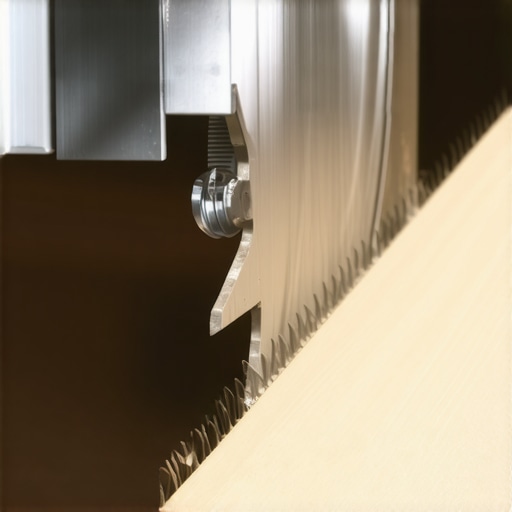
Many homeowners and even seasoned DIYers operate under common myths that can sabotage their renovation projects. One frequent misconception about baseboards is the belief that they always need perfect miter cuts for a flawless finish. In reality, understanding how to manage uneven walls or wall imperfections can save you time and improve your results. Similarly, with flooring installation, a widespread mistake is assuming that level subfloors are always necessary. However, minor dips can often be corrected during the installation process, preventing unnecessary subfloor repairs. When it comes to showers, many think that sealing and waterproofing are only important during the initial tile work. But, in fact, ongoing maintenance and proper sealant choices are crucial to prevent leaks and water damage over time. As for carpet installation, a common myth is that stretchers alone can ensure wrinkle-free results. Advanced techniques like adjusting tack strips and precise tucking are essential to achieve a professional look.
What Advanced Installers Know About Precision That Beginners Overlook
To truly elevate your renovation game, recognizing the nuances that differentiate an average job from a professional one is vital. For example, many overlook the importance of acclimating materials to the room’s climate before installation. Moving materials into the space and allowing them to adjust to indoor conditions prevents warping and gaps later. Additionally, paying attention to the order of operations—like installing baseboards after flooring—can drastically influence the finish quality. These details often trip up DIYers, leading to gaps, uneven finishes, or quick wear. Expert installers also utilize advanced tools such as laser levels and digital moisture meters to ensure precise measurements and optimal conditions, as recommended by home improvement experts. Proper flooring technique is just one example of how mastering these nuances results in lasting beauty and performance.
Be cautious of the trap where homeowners rush through sealing or overlook the importance of cleaning prior to sealing, which can cause staining or mold growth. A thorough understanding of the materials and their specific requirements helps to avoid these setbacks. Also, don’t underestimate the value of detailed planning—drawing precise sketches and measurements reduces errors that can cost time and money. Remember, small details like corner sealing, proper adhesive application, and correct transitions play an outsized role in your project’s success.
Embracing these deeper insights can mean the difference between a good execution and a truly professional finish. Want to explore more about how to choose the right carpet or discover the latest trends for baseboards in 2025? It’s all about understanding the nuances that matter most. Have you ever fallen into this trap? Let me know in the comments.
Keep Your Renovations Running Smoothly
Investing in the right tools is crucial to ensuring your home improvements stand the test of time. Personally, I swear by a high-quality cordless finish nailer—specifically the DeWalt DCN660D1. Its powerful, wrap-around magazine allows me to quickly secure baseboards and trim without stops, making the process efficient and reducing hand fatigue. Plus, its adjustable depth setting gives me precision control, preventing damage to delicate materials. When it comes to flooring, I rely on a digital moisture meter like the Pinless Tramex: it’s essential for verifying subfloor dryness before installation, which long-term prevents buckling or warping. For shower renovations, a professional-grade silicone caulk gun such as the Pistol Grip Caulking Gun makes applying waterproof sealant smooth and controlled, reducing mess and rework. Having reliable tools like these means I can focus more on technique and less on fighting faulty equipment.
Using proper cleaning and maintenance routines for your equipment also extends their lifespan. For example, always clean your nailer with compressed air after each use to remove dust and debris, which can cause jams and misfires over time. Regularly inspecting and replacing worn-out parts like nozzles or blades ensures your tools perform at peak efficiency, saving you money and frustration in the long run. Additionally, storing your tools in a climate-controlled toolbox prevents rust and corrosion, especially important in humid environments.
How do I maintain my tools over time?
Consistent inspection and care are key. This means following manufacturer cleaning schedules—most recommend wiping down tools monthly and lubricating moving parts with light oil. For power tools, replacing blades or bits when dull prevents undue stress and potential damage to the tool itself. It’s also wise to schedule regular maintenance checks for your larger equipment, especially if you’re doing multiple projects consecutively. Keeping tools sharp, clean, and well-maintained not only ensures safety but also guarantees that your work remains flawless and durable, whether installing new baseboards or laying down fresh flooring.
Looking ahead, I predict tool advancements will continue to emphasize automation and smart technology. Imagine apps that monitor your tools’ condition or drones that assist with measuring and alignment—these innovations will make renovations more precise and less labor-intensive. Until then, select reliable, high-quality tools, and develop a routine for their upkeep; your future self will thank you.
Remember, the key to successful long-term results is not just the installation process but also diligent maintenance and the right equipment. For more in-depth insights on tools that facilitate home upgrades, take a peek at baseboard trends in 2025.
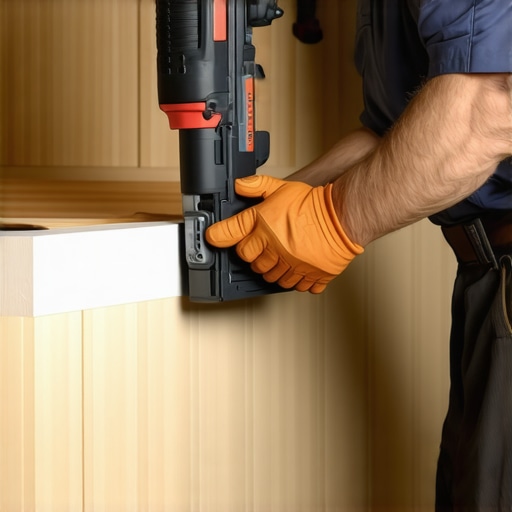
Here’s a visual of my favorite cordless finish nailer in action, showing its ergonomic design and ease of use across various trim projects. Proper tools like this dramatically improve the quality and longevity of your work, especially when tackling intricate tasks like scribing baseboards or aligning flooring boards.
Lessons That Nearly Cost Me Everything About Baseboards
One of my toughest lessons was realizing that even with perfect miter cuts, outside corners could still look amateurish without the right approach. I wasted countless hours chasing tiny gaps, only to discover that adding a slight bevel to my cuts would transform my results overnight. It taught me that understanding the subtle nuances of cut angles is more valuable than merely following standard measurements.
Another eye-opening experience was learning to trust my tools and measurements. Rushing through setups led to inconsistent bevel angles, causing frustration and uneven joints. Now, I always double-check my angles with a digital protractor, which has saved me from avoidable mistakes and elevated the professionalism of my work.
Most importantly, I learned that patience and deliberate planning—like marking cuts precisely and verifying fit before nailing—are key. Skipping these steps might seem quicker, but it costs more time fixing gaps later. Embracing these insights has made my baseboard installations more satisfying and durable, and I believe they can do the same for you.
Tools and Resources That Make the Difference
My reliable cordless finish nailer, the DeWalt DCN660D1, has been a game-changer. Its adjustable depth and ergonomic design mean I can secure baseboards with precision and comfort, which is essential for tight corners. Pairing it with a latest trend insights helps me stay inspired while achieving flawless results.
A digital protractor, like the WS-6934, ensures consistency in bevel angles, especially on uneven surfaces. This simple tool prevents guesswork, saving time and reducing stress. For cutting, I rely on a high-quality miter saw with degree markings that I verify regularly—accuracy is everything when perfecting corners.
When sealing and finishing, I use specialized sanders and fine-grit papers that help blend joints seamlessly. Combining these tools with thorough measurement practices ensures I get professional-grade outcomes every time.
Embrace Your Power to Transform Spaces Today
Applying the back-bevel technique can elevate your home projects from good to stunning, and I encourage you to try it out on your next baseboard job. Remember, true craftsmanship isn’t just about tools—it’s about patience, precision, and embracing the small details that make a big difference. If you’re ready to make your home more beautiful, start with mastering these inside secrets for perfect outside corners.
What tricky corner have you struggled with, and how did you overcome it? Share your experiences below—I’d love to hear your stories and tips!