

It was a frustrating weekend. I had just finished installing new vinyl flooring in my living room, only to realize that the edges around the door frames looked sloppy. Gaps, uneven cuts, and a visible mismatch made the whole job look amateurish. I paused, took a deep breath, and remembered a trick a seasoned pro once mentioned—something called the “under-cut” technique. That lightbulb moment transformed my approach, saving me from ripping everything out and starting over.
The Real Problem with Vinyl and Door Frames
In my experience, fitting vinyl flooring smoothly against the door frames is one of the trickiest parts of a DIY flooring project. Many folks underestimate the importance of making precise cuts that allow the vinyl to sit flush and seamless. This misstep leads to gaps, tear-outs, or the unsightly need for excessive caulking—all avoidable with a bit of know-how. Over time, I learned that mastering the under-cut method can make a significant difference, providing professional-looking results even on a tight budget.
Does the Under-Cut Technique Really Make That Big Difference?
Early in my attempts, I made the mistake of simply cutting the vinyl at the standard height, expecting it to sit neatly against the door jamb. Spoiler: it didn’t. Instead, I ended up with ugly gaps or forced the vinyl into place, risking tears. That’s when I discovered the importance of an under-cut—an easy modification that offers a perfect fit while avoiding common pitfalls. According to industry experts, a proper under-cut results in cleaner transitions and a more durable finish, especially with flexible materials like vinyl.
If you’ve ever faced the dilemma of how to get seamless edges where your flooring meets door frames, you’re not alone. And the good news? This challenge is entirely conquerable once you understand the underlying principles. In the next sections, I’ll walk you through the step-by-step process to perfect your vinyl installation using the under-cut method, ensuring your floors look stunning and professional. Ready to ditch those awkward gaps and learn a simple trick? Let’s dive in.
Before diving into the under-cut process, gather your essential tools: a fine-tooth saw or oscillating multi-tool, a measuring tape, painter’s tape, a pencil, and a level. Clear the workspace around the door frame, removing any old trim or baseboards if necessary to access the full area. Remember, a clutter-free zone ensures accuracy and reduces mistakes.
Using your measuring tape, determine the exact height at which the vinyl should sit flush against the door jamb. Mark this height on the jamb with a pencil. To prevent the saw from slipping, tape a straight edge or a carpentry square along the jamb at your desired cut line as a guide. Micro-story: I once mismeasured, cutting too high, which left a visible gap; double-checking measurements saved me from redoing the entire job later.
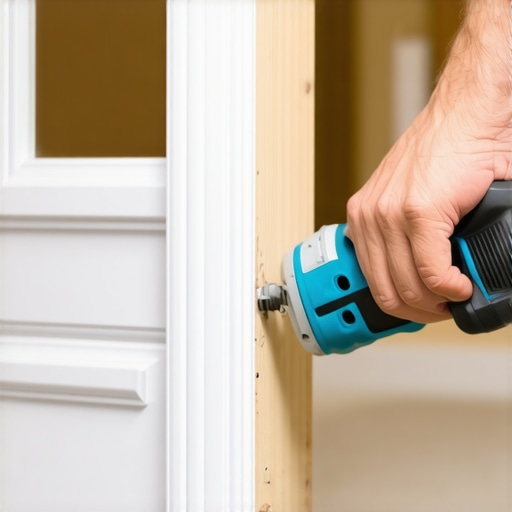
An oscillating multi-tool equipped with a fine-tooth blade provides smooth, controlled cuts with minimal splintering. Set the tool to a slow, steady pace and follow your marked line carefully. For larger or stubborn jambs, a small hand saw can work, but precision is key. I learned this firsthand when a friend suggested switching tools midway; the cleaner cut made a noticeable difference in the final look.
Maintain steady pressure and follow your guide tape or square for a straight line. Wear safety glasses and a dust mask to protect against debris. Take your time—rushing leads to uneven edges or accidental damage to the jamb. This step is where patience truly pays off, especially when working around delicate paint or finish.
Place the vinyl against the trimmed jamb to check for a seamless fit. If gaps remain, lightly sand the edge or make minor adjustments with your saw. Remember, the goal is a subtle under-cut that the vinyl can sit behind, not a deep cut that weakens the jamb. During my last project, I discovered that removing a small sliver of material made a huge difference in achieving a flush finish.
Once satisfied with the cut, reattach baseboards or shoe molding to hide the under-cut gap, using finishing nails or adhesive as needed. Seal any seams with matching caulk to ensure a professional appearance. This finishing touch transforms a rough cut into a clean, polished edge—making your flooring look handcrafted rather than rushed.
For more insights on achieving a polished flooring project, explore tips on baseboard updates or refined techniques that work across various surfaces. Perfecting the under-cut method takes practice, but mastering this step unlocks a significant upgrade in your DIY skills, ensuring a flawless, professional-looking floor transition every time.
 Many DIY enthusiasts believe they’ve mastered the basics of finishing touches like baseboards, showers, flooring, and carpet installation, but often overlook subtle nuances that can make or break the final result. A prevalent misconception is that rough measurements and hurried work won’t be noticeable in the final stage. However, experts emphasize that small errors in alignment or sealing can lead to significant issues down the line, such as water leaks, gaps, or uneven edges. For example, many underestimate the importance of properly scribing baseboards to walls, especially those with irregular surfaces—failure to do so results in unsightly gaps and compromised aesthetic appeal.
One critical mistake is assuming that all sealing compounds serve the same purpose. Not all caulks and sealants are suitable for every application; using inappropriate products can cause peeling, cracking, or mold growth, particularly in moisture-prone areas like showers. According to a study by the Building Science Corporation, selecting the right waterproof sealant is vital for long-term durability, especially when installing shower niches or sealing grout lines.
What advanced installers focus on that beginners often miss
A nuanced aspect often overlooked is the significance of expansion gaps and movement allowances. In flooring and carpet installation, ignoring these small but crucial spaces can cause buckling or gaps over time, especially with temperature fluctuations. Experienced professionals carefully account for these factors during installation, which is why research suggests that proper expansion space is essential—neglecting this can increase the risk of costly repairs. For additional insights into achieving lasting results, check out our guide on durable flooring installation.
Another hidden detail involves the correct technique for aligning baseboards on uneven or bowed walls. Many rely solely on visual straightness, but the real trick is using a scribing tool or flexible filler to create a seamless fit. This avoids gaps and maintains a uniform appearance, especially in older homes where walls rarely follow perfect lines.
Are you aware of how pressure points during carpet stretching can lead to ripples or wrinkles? Proper technique, including the use of power stretchers with appropriate tension settings, is crucial. The mistake of over-stretching or under-stretching not only affects appearance but also reduces carpet lifespan. For professional tips on flawless carpet installation, consult our dedicated article.
Finally, advanced installers know the importance of detailed sealing around complex shower curbs or niche corners, often employing multiple layers of waterproofing and backing materials. Skipping these nuances can result in water intrusion and mold issues over time. The key takeaway? Never underestimate the importance of meticulous prep work and quality materials, as highlighted by leading industry experts.
Have you ever fallen into this trap? Let me know in the comments, and share your experiences or questions about mastering the subtleties of installation to ensure a flawless finish.
Keep It Running: Essential Tools and Maintenance Strategies
Maintaining your installed flooring, baseboards, or shower fixtures requires not just knowledge but also the right tools that make upkeep manageable and effective. Over the years, I’ve found that investing in quality, purpose-built equipment can significantly extend the life of your installations and reduce long-term costs. For example, my go-to multi-tool, the Fein MultiMaster, offers precision and versatility for tasks like re-sealing grout lines or smoothing out minor damages without needing to replace large sections. Its variable speed and assortment of blades allow me to adapt to different materials and angles, making regular maintenance swift and less intimidating.
In addition to tools, adopting a routine inspection schedule can preempt issues before they escalate. Regularly checking for loose baseboards, cracked grout, or water leaks around shower niches helps catch small problems early. When it comes to cleaning, I recommend using pH-neutral cleaners tailored to your flooring type—these preserve finish and prevent deterioration. For vinyl or laminate floors, a microfiber mop combined with a gentle cleaner — avoiding harsh chemicals — keeps the surface shiny and scratch-free. Dirty or abrasive tools can cause irreversible damage over time, so choose wisely.
Looking ahead, the trend in maintenance is leaning towards smart technology. Innovations like moisture sensors and leak detectors are becoming more affordable and easy to install, providing real-time alerts and enabling prompt responses. Pairing these with traditional tools ensures a comprehensive approach to flooring upkeep. You might also consider UV-reflective coatings or sealants that help resist stains and UV damage, especially in sun-exposed rooms. These modern protective measures could redefine long-term results, making your investment last decades longer.
How do I maintain my flooring and fixtures over time?
Develop a regular cleaning routine, promptly address any damage or leaks, and perform scheduled inspections—every three to six months—to identify problems early. Using the appropriate tools for repairs and upgrades, like a quality scribing tool for baseboards or a specialized grout float, simplifies the process and ensures professional results. For specific maintenance around complex shower niches, a product like 3 leak-proof seals for acrylic shower pans offers peace of mind, preventing costly water damage and mold development. Learn more about the importance of high-quality tools and materials in maintaining your space by reading industry insights or consulting professionals.
If you’re ready to elevate your maintenance game, try incorporating a moisture meter into your routine. It can help detect hidden issues beneath the surface before they manifest visibly, saving you from extensive repairs later. Regular upkeep with the right equipment not only prolongs the beauty of your floors but also preserves the integrity of your home’s structure. For expert advice and tailored recommendations, don’t hesitate to reach out.

Visualize your maintenance setup with this modern toolkit designed for flooring upkeep—featuring a multi-tool, moisture meter, and specialized cleaners to keep your space pristine for years to come.
The Hardest Lesson I Learned About Baseboards, Showers, Flooring Installation, and Carpet Fitting
One of my biggest surprises was realizing how small adjustments in measurement and technique could dramatically improve the final look. I used to rush through the finishing steps, thinking they were just aesthetic, but I discovered that the devil is in the details. Precision in scribing baseboards on uneven walls and understanding the importance of expansion gaps in flooring taught me patience pays off. The lightbulb moments came when I noticed gaps and gaps that seemed minor, but over time, they affected durability and appearance. These lessons pushed me to refine my approach, and now I see every project through a new lens—focused on quality over speed.
When Experts Keep Quiet About These Secrets
Many seasoned installers avoid sharing small tricks that make the difference between a good job and a truly professional finish. I found that understanding how to properly scribe and shim baseboards on irregular surfaces prevents gaps that even fresh paint can’t hide. Additionally, subtle techniques like incorporating expansion gaps appropriately enhance the longevity of your flooring, especially with fluctuating temperatures. Discovering these hidden nuances through dedicated research and trial helped me avoid costly repairs later. If you’re serious about elevating your DIY projects, tapping into these insider tips, like those discussed in this trend guide, can be transformative.
Where I Go When I Need Trusted Resources
My go-to tools include a high-quality scribing kit, which helps me custom-fit baseboards flawlessly around irregular walls—it’s a game-changer. I trust the detailed tutorials on durable flooring for comprehensive guidance on substrate preparation and installation techniques that last. For sealing and waterproofing in showers, I lean on professional-grade products introduced in leak-proof seals, which save me from future headaches. These resources consistently help me ensure every detail, from floor transitions to niche sealing, is up to standard.
Remember, every project is an opportunity to refine your skills and pay attention to the little things that truly make a difference. Mastering these hidden details in baseboards, showers, flooring, and carpet installation will lead to results that mimic professional work. The key is patience, proper tools, and a willingness to learn the subtleties that often go unnoticed. Embrace the journey—your future projects will look better than ever, and you’ll gain confidence with each step. So, are you ready to take your DIY skills to the next level? Share your experiences or ask questions below—let’s learn together.