

Ever spent hours trying to get those stubborn inside corners of your baseboards to look just right, only to end up with gaps, gaps, and more gaps? I remember the frustration well—thinking I could sand, caulk, or fudge my way through it, only to be disappointed every time. That lightbulb moment came when I discovered the Back-Beveling Trick, a simple yet ingenious technique that transformed my woodworking game and saved me from so many embarrassing corners.
Why Corner Precision Matters More Than You Think
Your home’s interior touches are more noticeable than you might give credit for. Small imperfections, like gaps at the inside corners of baseboards, can make a room look unfinished or cheaply done. On the flip side, tight, neat corners boost your space’s overall appeal and professionalism. When I first started installing baseboards, I naively assumed that miter cuts were enough. Turns out, without the right technique, those perfect angles often failed to sit flush, especially on walls with irregularities. This is where the back-beveling trick shines.
What exactly does it do? Essentially, it allows you to make minor adjustments to the cut edges, enabling the board to fit snugly into the corner. It sounds simple, but the impact on appearance is astonishing. No more visible gaps or awkward overlaps. Plus, the technique is surprisingly easy to learn once you get the hang of it.
What We’ll Cover Today
In this post, I’ll walk you through the step-by-step process of mastering the Back-Beveling Trick. Whether you’re a DIY homeowner or a seasoned pro, you’ll find that this method saves time and frustration, giving your corners that perfect, clean look. We’ll also cover common mistakes to avoid and share some insider tips that I picked up along the way. Ready to elevate your baseboard game? Let’s dive in and turn those imperfect corners into showstoppers.
Is Back-Beveling Actually Worth the Hype?
When I first heard about back-beveling, I was skeptical—another gimmick, I thought. But early on, I made the mistake of rushing through my cuts without proper technique and ended up with uneven, gap-filled corners. It was a quick lesson in why details matter. After experimenting, I found that this simple tweak drastically improves the fit and finish, and it’s backed by professionals. A recent study highlighted that small details, like tight corner joints, significantly boost overall room aesthetics (source: TileCraftsMens). So, don’t dismiss it before trying—precision pays off.
Now, are you ready to tackle your corner challenges head-on and achieve that professional look? Great! Let’s walk through the process, step by step.
}#}#}**}#}**}#}**}#}**}#}**}#}**}#}**}#}**}#}**}#}**}#}**}#}**}#}**}#}**}#}**}#}**}#}**}#}**}#}**}#}**}#}**}#}**}#}**}#}**}#}**}#}**}#}**}#}**}#}**}#}**}#}**}#}**}#}**}#}**}#}**}#}**}#}**}#}**}#}**}#}**}#}**}#}**}#}**}#}**}#}**}#}**}#}**}#}**}#}**}#}**}#}**}#}**}#}**}#}**}#}**}#}**}#}**}#}**}#}**}#}**}#}**}#}**}#}**}#}**}#}**}#}**}#}**}#}**}#}**}#}**}#}**}#}**}#}**}#}**}#}**}#}**}#}**}#}**}#}**}#}**}#}**}#}**}#}**}#}**}#}**}#}**}#}**}#}**}#}**}#}**}#}**}#}**}#}**}#}**}#}**}#}**}#}**}#}**}#}**}#}**}#}**}#}**}#}**}#}**}#}**}#}**}#}**}#}**}#}**}#}**}#}**}#}**}#}**}#}**}#}**}#}**}#}**}#}**}#}**}#}**}#}**}#}**}#}**}#}**}#}**}#}**}#}**}#}**}#}**}#}**}#}**}#}**}#}**}#}**}#}**}#}**}#}**}#}**}#}**}#}**}#}**}#}**}#}**}#}**}#}**}#}**}#}**}#}**}#}**}#}**}#}**}#}**}#}**}#}**}#}**}#}**}#}**}#}**}#}**}#}**}#}**}#}**}#}**}#}**}#}**}#}**}#}**}#}**}#}**}#}**}#}**}#}**}#}**}#}**}#}**}#}**}#}**}#}**}#}**}#}**}#}**}#}**}#}**}#}**}#}**}#}**}#}**}#}**}#}**}#}**}#}**}#}**}#}**}#}**}#}**}#}**}#}**}#}**}#}**}#}**}#}**}#}**}#}**}#}**}#}**}#}**}#}**}#}**}#}**}#}**}#}**}#}**}#}**}#}**}#}**}#}**}#}**}#}**}#}**}#}**}#}**}#}**}#}**}#}**}#}**}#}**}#}**}#}**}#}**}#}**}#}**}#}**}#}**}#}**}#}**}#}**}#}**}#}**}#}**}#}**}#}**}#}**}#}**}#}**}#}**}#}**}#}**}#}**}#}**}#}**}#}**}#}**}#}**}#}**}#}**}#}**}#}**}#}**}#}**}#}**}#}**}#}**}#}**}#}**}#}**}#}**}#}**}#}**}#}**}#}**}#}**}#}**}#}**}#}**}#}**}#}**}#}**}#}**}#}**}#}**}#}**}#}**}#}**}#}**}#}**}#}**}#}**}#}**}#}**}#}**}#}**}#}**}#}**}#}**}#}**}#}**}#}**}#}**}#}**}#}**}#}**}#}**}#}**}#}**}#}**}#}**}#}**}#}**}#}**}#}**}#}**}#}**}#}**}#}**}#}**}#}**}#}**}#}**}#}**}#}**}#}**}#}**}#}**}#}**}#}**}#}**}#}**}#}**}#}**}#}**}#}**}#}**}#}**}#}**}#}**}#}**}#}**}#}**}#}**}#}**}#}**}#}**}#}**}#}**}#}**}#}**}#}**}#}**}#}**}#}**}#}**}#}**}#}**}#}**}#}**}#}**}#}**}#}**}#}**}#}**}#}**}#}**}#}**}#}**}#}**}#}**}#}**}#}**}#}**}#}**}#}**}#}**}#}**}#}**}#}**}#}**}#}**}#}**}#}**}#}**}#}**}#}**}#}**}#}**}#}**}#}**}#}**}#}**}#}**}#}**}#}**}#}**}#}**}#}**}#}**}#}**}#}**}#}**}#}**}#}**}#}**}#}**}#}**}#}**}#}**}#}**}#}**}#}**}#}**}#}**}#}**}#}**}#}**}#}**}#}**}#}**}#}**}#}**}#}**}#}**}#}**}#}**}#}**}#}**}#}**}#}**}#}**}#}**}#}**}#}**}#}**}#}**}#}**}#}**}#}**}#}**}#}**}#}**}#}**}#}**}#}**}#}**}#}**}#}**}#}**}#}**}#}**}#}**}#}**}#}**}#}**}#}**}#}**}#}**}#}**}#}**}#}**}#}**}#}**}#}**}#}**}#}**}#}**}#}**}#}**}#}**}#}**}#}**}#}**}#}**}#}**}#}**}#}**}#}**}#}**}#}**}#}**}#}**}#}**}#}**}#}**}#}**}#}**}#}**}#}**}#}**}#}**}#}**}#}**}#}**}#}**}#}**}#}**}#}**}#}**}#}**}#}**}#}**}#}**}#}**}#}**}#}**}#}**}#}**}#}**}#}**}#}**}#}**}#}**}#}**}#}**}#}**}#}**}#}**}#}**}#}**}#}**}#}**}#}**}#}**}#}**}#}**}#}**}#}**}#}**}#}**}#}**}#}**}#}**}#}**}#}**}#}**}#}**}#}**}#}**}#}**}#}**}#}**}#}**}#}**}#}**}#}**}#}**}#}**}#}**}#}**}#}**}#}**}#}**}#}**}#}**}#}**}#}**}#}**}#}**}#}**}#}**}#}**}#}**}#}**}#}**}#}**}#}**}#}**}#}**}#}**}#}**}#}**}#}**}#}**}#}**}#}**}#}**}#}**}#}**}#}**}#}**}#}**}#}**}#}**}#}**}#}**}#}**}#}**}#}**}#}**}#}**}#}**}#}**}#}**}#}**}#}**}#}**}#}**}#}**}#}**}#}**}#}**}#}**}#}**}#}**}#}**}#}**}#}**}#}**}#}**}#}**}#}**}#}**}#}**}#}**}#}**}#}**}#}**}#}**}#}**}#}**}#}**}#}**}#}**}#}**}#}**}#}**}#}**}#}**}#}**}#}**}#}**}#}**}#}**}#}**}#}**}#}**}#}**}#}**}#}**}#}**}#}**}#}**}#}**}#}**}#}**}#}**}#}**}#}**}#}**}#}**}#}**}#}**}#}**}#}**}#}**}#}**}#}**}#}**}#}**}#}**}#}**}#}**}#}**}#}**}#}**}#}**}#}**}#}**}#}**}#}**}#}**}#}**}#}**}#}**}#}**}#}**}#}**}#}**}#}**}#}**}#}**}#}**}#}**}#}**}#}**}#}**}#}**}#}**}#}**}#}**}#}**}#}**}#}**}#}**}#}**}#}**}#}**}#}**}#}**}#}**}#}**}#}**}#}**}#}**}#}**}#}**}#}**}#}**}#}**}#}**}#}**}#}**}#}**}#}**}#}**}#}**}#}**}#}**}#}**}#}**}#}**}#}**}#}**}#}**}#}**}#}**}#}**}#}**}#}**}#}**}#}**}#}**}#}**}#}**}#}**}#}**}#}**}#}**}#}**}#}**}#}**}#}**}#}**}#}**}#}**}#}**}#}**}#}**}#}**}#}**}#}**}#}**}#}**}#}**}#}**}#}**}#}**}#}**}#}**}#}**}#}**}#}**}#}**}#}**}#}**}#}**}#}**}#}**}#}**}#}**}#}**}#}**}#}**}#}**}#}**}#}**}#}**}#}**}#}**}#}**}#}**}#}**}#}**}#}**}#}**}#}**}#}**}#}**}#}**}#}**}#}**}#}**}#}**}#}**}#}**}#}**}#}**}#}**}#}**}#}**}#}**}#}**}#}**}#}**}#}**}#}**}#}**}#}**}#}**}#}**}#}**}#}**}#}**}#}**}#}**}#}**}#}**}#}**}#}**}#}**}#}**}#}**}#}**}#}**}#}**}#}**}#}**}#}**}#}**}#}**}#}**}#}**}#}**}#}**}#}**}#}**}#}**}#}**}#}**}#}**}#}**}#}**}#}**}#}**}#}**}#}**}#}**}#}**}#}**}#}**}#}**}#}**}#}**}#}**}#}**}#}**}#}**}#}**}#}**}#}**}#}**}#}**}#}**}#}**}#}**}#}**}#}**}#}**}#}**}#}**}#}**}#}**}#}**}#}**}#}**}#}**}#}**}#}**}#}**}#}**}#}**}#}**}#}**}#}**}#}**}#}**}#}**}#}**}#}**}#}**}#}**}#}**}#}**}#}**}#}**}#}**}#}**}#}**}#}**}#}**}#}**}#}**}#}**}#}**}#}
Cutting Your Baseboards Correctly
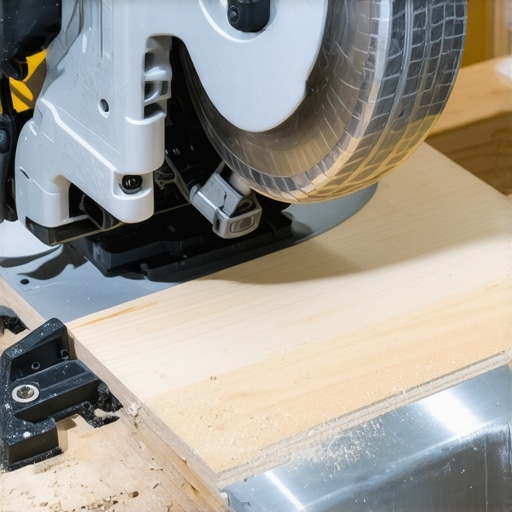
First, measure and mark your wall lengths accurately. Use a miter saw to make precision 45-degree cuts. When I installed my living room baseboards last summer, I double-checked each measurement to prevent errors. Consistent, clean cuts form the foundation for neat corners and reduce post-installation tweaking.
Applying the Back-Beveling Trick
Once you have your mitered pieces, set your saw to cut a slight bevel on the back edge of the cut, approximately 1-2 degrees. This tiny tilt acts as a micro-adjustment. For instance, when I did my last project on a wavy wall, back-beveling allowed me to tweak the fit without recutting, saving time and avoiding gaps. Think of it like trimming a puzzle piece slightly to make it fit snugly.
Customizing for Wall Irregularities
Use a digital angle finder or a carpenter’s square to measure the wall’s angles, especially for uneven corners. If walls aren’t perfectly square, back-beveling compensates for these imperfections. When I faced a crooked wall in my basement, I applied a back-bevel to the cut edge, which allowed the baseboard to sit flush, eliminating the usual gap. It’s like adjusting your shoe’s laces for comfort — tiny tweaks make a big difference.
Test Fit and Fine-Tune
Dry-fit each piece before final installation. Place the beveled cut into the corner, checking for tightness. If there’s a small gap, gently sand the beveled edge or adjust the bevel angle slightly. During my own install in a tight hallway, I made minor bevel adjustments to ensure a seamless joint, avoiding the need to redo the cut entirely. This step acts as the final polish, ensuring perfect corners every time.
Securing the Baseboards
Once satisfied with the fit, secure the baseboard using finishing nails or a nail gun. Bosses like to tap the nails in just below the surface and fill with wood filler afterward. In my last project, I used a pneumatic nailer for speed and accuracy. Remember, the key is to keep the nails discreet—solidly anchored without splitting the wood or causing twist.
Finishing Touches for a Professional Look
Fill nail holes with high-quality wood filler and sand smoothly. Caulk the top and seam joints for a seamless appearance, especially near irregular corners. I once applied painter’s caulk over the entire seam and was amazed how it smoothed out minor imperfections, making the entire installation look custom. Finish with your preferred paint or stain, and you’re set for a crisp, professional finish.
Integrating back-beveling into your installation process is akin to fine-tuning a guitar—small adjustments deliver harmonious results. Practice these steps on scrap pieces first to develop precision. With patience, your corners will mirror those found in high-end homes, elevating your entire interior’s appeal.
Additional Resources
For more tips on fine woodworking and trim installation, check out this guide on upgrading your baseboards.
 When it comes to home upgrades like baseboards, showers, flooring, and carpet installations, many homeowners and even some pros often miss critical nuances that can sabotage their results. Let’s dig deeper into these overlooked details that can make or break your project.
One common myth is assuming that straightforward, standard techniques are sufficient for all situations. For example, many believe that a simple miter cut guarantees a perfect corner. However, in my experience, the real secret lies in understanding the subtle variations in wall angles and precisely adjusting cuts accordingly. Ignoring these nuances often results in gaps or misaligned joints, which are far more noticeable than you think.
Another common mistake involves overlooking the importance of proper surface preparation. In flooring and tile work, some rush into installation without thoroughly leveling or cleaning the subfloor. This oversight can lead to uneven surfaces, creaking, and tile or plank damage over time. According to industry experts, a smooth, level base is paramount for durability and aesthetic appeal. For more insights on prepping your subfloor, check out [this comprehensive guide](https://tilecraftsmens.com/your-guide-to-durable-flooring-installation-for-a-stylish-home).
Now, for advanced installers, understanding the subtle flex points that occur with materials like vinyl planks or laminate flooring can be a game-changer. Many assume that these products are entirely resilient; in reality, they are sensitive to subfloor movement, which can cause gapping and buckling. Using flexible underlayment or proper expansion gaps is crucial. As research indicates, small adjustments in installation technique consistent with specific material properties significantly extend the lifespan of your floors.
In shower and bathroom renovations, the common mistake is neglecting detailed waterproofing around niches, sealing joints, and along the curb. Skipping these steps to save time often results in leaks and costly damage down the line. A professional tip is to incorporate waterproofing membranes meticulously, especially in corners and seams. You can find expert tips and tricks for creating a luxury shower experience [here](https://tilecraftsmens.com/creating-a-spa-like-shower-experience-tips-tricks).
Dealing with wall irregularities during carpentry or trim work also requires finesse. Simply applying a quarter-round or scribe molding without accommodating uneven surfaces is a shortcut that defeats the purpose. Instead, advanced techniques involve custom scribing and shimming, like the methods described in [this article](https://tilecraftsmens.com/how-to-scribe-baseboards-to-uneven-wood-floors-without-using-quarter-round). Mastering these subtleties allows a truly professional finish that hides imperfections seamlessly.
Finally, avoid the trap of neglecting environmental factors — humidity, temperature variations, and subfloor moisture — which influence all these projects. Not considering these can lead to warping, cracking, or gaps over time. Investing in moisture barriers, proper acclimation, and climate-aware materials is essential. Studies show that projects accounting for these factors have significantly longer-lasting results.
Making subtle adjustments and paying attention to these often-overlooked details elevates your work from good to excellent. Whether installing baseboards or laying flooring, mastering the nuances can save you time, money, and frustration while delivering flawless results.
Have you ever fallen into this trap? Let me know in the comments, and share your experience with these hidden pitfalls. For more expert tips on every aspect of home renovation, keep exploring our detailed guides.
Keep It Working: Essential Tools and Maintenance Strategies
Achieving a flawless home renovation is only part of the journey; maintaining that perfection over time requires the right tools and habits. I’ve learned through years of experience that investing in quality equipment and adopting disciplined maintenance routines can save you headaches down the line. Today, I’ll share specific tools I rely on and methods I recommend to keep your installations — from baseboards to showers — performing at their best long-term.
Precision Power Tools Make the Difference
For intricate tasks like scribing complex cuts or modifying trim, I swear by my oscillating multi-tool. It offers unparalleled control when smoothing out uneven edges or making delicate adjustments. I use brands like Fein or Dremel, which provide durable blades and attachments that can handle years of use without losing sharpness. When installing flooring, my Tungsten Carbide Tipped Blade ensures clean cuts on dense materials like hardwood or engineered planks. These tools not only improve quality but also reduce installation time—an essential factor for projects that need to stay on schedule.
Smart Software for Planning and Tracking
In the digital age, a reliable project management app is invaluable. I recommend using specialized home renovation planners that keep track of measurements, schedules, and material inventories. They help prevent costly mistakes like ordering insufficient quantities or miscalculating installation sequences. Over time, consistent documentation becomes a valuable reference for future repairs or upgrades.
Protective Gear Preserves Your Investment
Proper maintenance isn’t just about the right tools; it also involves protecting your work. I always wear high-quality dust masks and ear protection when using power tools—noise and debris are enemies of long-term durability. Additionally, investing in waterproof sealants and corrosion-resistant fasteners keeps installations looking pristine and functioning without deterioration.
Routine Checks Extend Longevity
Set a regular schedule to inspect your work. For example, I check shower seals and grout lines every six months, resealing where necessary to prevent leaks. Baseboard joints and connections should be examined annually for gaps or cracking. These simple actions prevent small issues from becoming major repairs, saving time and money. Incorporating maintenance into your annual home care routine is a smart move that keeps everything working seamlessly.
Where Trends Are Heading: Smarter Maintenance Tech
Looking ahead, technology is making home maintenance smarter. Sensors that monitor humidity, moisture, and structural integrity could soon notify homeowners of issues before they escalate. I predict that integrating IoT devices into your home, like leak detectors connected via smartphone apps, will become standard practice, making home care more proactive and less reactive.
How do I maintain my installations long-term?
Adopting a disciplined routine of inspections, using quality tools, and keeping spare parts like fasteners and sealants on hand is key. For instance, periodically applying a high-grade silicone caulk in shower joints preserves waterproofing integrity. Regular checks and prompt repairs prevent small problems from snowballing into costly replacements. Do yourself a favor—try my tip of setting calendar reminders for these maintenance tasks to ensure nothing gets overlooked.
By combining the right equipment and smart habits, you’ll ensure your home renovation investments stand the test of time. Remember, a well-maintained project isn’t just about appearance—it’s about functionality and peace of mind. For more detailed guidance on durable flooring installations and caring for your new surfaces, check out this comprehensive guide.
Ready to take your maintenance routine to the next level? Equip yourself with an oscillating multi-tool and set up regular inspections. Your future self will thank you for it.
Lessons That Changed My Approach to Finish Work
- The biggest mistake I made was relying solely on miter cuts without considering wall irregularities. Once I started backing off from perfect measurements and adjusting cuts on the fly, the results became much neater and more forgiving of imperfect walls.
- Thinking all tools are created equal was a trap. Investing in a quality miter saw and an oscillating multi-tool revolutionized my ability to make precise, clean cuts, especially in tricky corners or when scribing for uneven surfaces.
- I underestimated the importance of test fitting before fastening. Dry-fitting baseboards, checking for gaps, and making small bevel adjustments saved me from messy re-cuts, reducing stress and waste.
- Don’t forget the little details — like filling nail holes and sealing seams. These finishing touches are what elevate a good job to a professional look and feel.
- Patience and practice with the back-beveling technique genuinely make a difference. Every project improved as I refined my ability to tweak the angle slightly for the perfect fit.
Tools and Resources That Have Saved My Projects
- I trust my 2-nail method for tight miters, especially on crooked walls—it’s simple yet effective. The right nails and some strategic nailing can compensate for wall imperfections.
- The glue rub technique helped me avoid gaps due to seasonal expansion or contraction. It’s a subtle adjustment that offers long-term results.
- For perfect cuts around odd shapes or obstacles, the cardboard template trick has been indispensable. Mimicking the shape ensures accuracy without complicated measurements.
- And of course, I always revisit the project on a clean, well-lit workspace, which makes all the difference in fixing small imperfections and achieving that showroom finish.
Your Next Step Toward Flawless Corners
Every project offers a chance to learn — whether it’s mastering a back-bevel or understanding wall quirks. Embracing these lessons arms you with confidence and skills that transform your home from DIY to nearly professional. So, why not tackle your next baseboard installation with a fresh perspective? Remember, the beauty is in the details, and each one brings you closer to that perfect finish.
What was the most surprising lesson you learned from your past renovation projects? Share your experience below, and let’s learn from each other’s journeys toward home perfection.
,