

It was a mess I won’t forget. I was knee-deep in prepping my living room for that fresh, sleek epoxy floor, confident I’d nailed every step—until I poured the self-leveler. The moment I saw those tiny air bubbles surfacing like little islands across the pour, I knew I’d made a rookie mistake. It was frustrating because I knew I was so close to that perfect, flawless finish, yet those trapped bubbles threatened to ruin everything.
If you’ve ever experienced a similar headache—thinking you’ve done everything right only to end up with an uneven, bubbly surface—you know exactly what I mean. That sinking feeling when your smooth, professional-looking project suddenly has imperfections that are nearly impossible to fix later. And the truth is, this is a common challenge many DIYers and even seasoned pros face when working with self-leveling compounds.
Today, I want to share what I learned from my early blunders about how to mix self-leveler without creating trapped air bubbles. It’s a game-changer. After many trial-and-error attempts, I discovered practical tips and tricks that actually work—saving me time, frustration, and the headache of redoing a job. Whether you’re tackling a new floor, topping a subfloor, or doing a large area, understanding these techniques will help you achieve that perfectly smooth, bubble-free surface.
Let’s dive into why bubbles form in the first place. Essentially, trapped air can seep into the mixture during the pour or mixing process. The viscosity of the self-leveler and the way it’s applied can either encourage bubbles to escape or trap them inside. Interestingly, improper mixing—like stirring too vigorously or not properly integrating the material—can significantly increase bubble formation. According to industry experts, surface tension plays a crucial role here, and small changes in mixing technique can drastically impact the final result.
Now, before you jump into your next project, ask yourself: Have I faced this bubbling problem before? Or worse, have I poured and then had to deal with uneven patches because of trapped air? Believe me, I’ve been there. But with the right approach, you can avoid those pitfalls. It’s easier than you think once you understand the nuances of mixing and pouring.
So, what’s next? Well, I’m about to lay out some tried-and-true methods that guarantee a bubble-free self-leveling pour. These aren’t just my tricks—they’re supported by expert advice and my own experiences. Ready to improve your flooring game? Let’s get started with the core principles that will make your next self-leveler application flawless.
Choose the Right Mixing Technique
When I first used self-leveler, I made the mistake of stirring aggressively, which trapped air. Instead, gently fold the mixture using a broad, slow motion like mixing a delicate souffle. This minimizes entrapped air and helps achieve a smooth pour.
Use Proper Equipment and Conditions
Pour the self-leveler in a temperature-controlled environment, ideally between 65°F and 75°F, to reduce viscosity changes that can trap air. Use a high-quality paddle attached to a drill for mixing—avoiding manual stirring which can introduce bubbles.
Pre-spot the Pour for Better Air Escape
Before pouring, tap the edge of your container or lightly vibrate the subfloor surface with a rubber mallet. This encourages any surface bubbles to rise and escape, ensuring a smoother finish.
Flow Control During Pouring
Pour slowly and steadily, starting from one corner and moving across the surface in a serpentine motion. Think of it like pouring syrup—you want a continuous flow without sudden bursts, which can trap air.
Overlay Techniques to Push Out Air
Once poured, lightly skim the surface with a trowel or use a spiked roller designed for self-levelers. Running the roller over the surface helps release trapped air pockets, much like releasing bubbles from a shaken soda bottle.
Vibration and Surface Preparation
After pouring, gently vibrate the entire surface using a concrete vibrator or a hand-held rotary tool fitted with a soft attachment. The vibrations dislodge bubbles, allowing them to migrate upward and burst.
Final Tips from Personal Experience
During my last project, I employed these methods and found that a combination of gentle mixing, slow pouring, and surface vibration resulted in an almost bubble-free finish. It saved me hours of sanding and patching afterward.
Remember, patience and finesse are key. Rushing the process or stirring vigorously can undo all your efforts. Practice these steps, and you’ll notice a significant difference in the smoothness of your self-levelled floors.
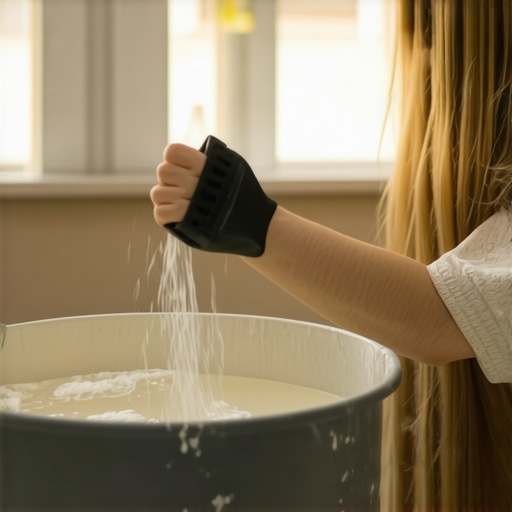 Many homeowners and even some professionals overlook crucial nuances when tackling flooring installations, baseboard upgrades, carpet laying, or shower renovations. While it’s tempting to focus on the visible aspects—like choosing the right tile pattern or matching paint colors—there’s a hidden layer of complexity that can make or break your project’s long-term success.
One widespread misconception is that following standard procedures guarantees flawless results. For instance, many believe that simply nailing baseboards tightly to the wall ensures a perfect fit. However, without accounting for uneven wall surfaces or seasonal wood expansion and contraction, gaps and misalignments are almost inevitable. Check out this guide for tips on making your baseboards truly seamless.
In flooring, a common mistake is ignoring subfloor preparation. Skipping detailed leveling or moisture testing can lead to squeaky floors, tile cracking, or vinyl that warps over time. As highlighted in this article, investing extra time here prevents costly repairs down the line.
When it comes to carpets, many installers focus solely on layering and stretching without considering the floor’s surface beneath. Using inadequate padding or failing to fix dents and debris can cause lumps and uneven wear—issues that become glaringly obvious after just a few months. Learn more about flawless carpet results in this resource.this article.
A noteworthy nuance that many miss is the dynamic nature of materials and how environmental factors influence them. Wood and vinyl respond differently to humidity, affecting fit and finish. Experts like those in this resource emphasize anticipatory adjustments rather than reactive fixes. For example, installing baseboards or flooring when materials are at a specific humidity level can prevent warping or gaps later.
Here’s a question for seasoned readers: How do you ensure your installation remains flawless over time, given environmental shifts? The answer often lies in meticulous pre-installation analysis combined with flexible design choices—like using flexible sealants or expansion joints that accommodate movement.
This is where the real mastery comes in—recognizing and addressing these nuanced factors before they evolve into visible issues. Remember, the goal isn’t just a quick fix but a durable, elegant finish that stands the test of time. Take your home upgrade projects to the next level by paying attention to these subtle, yet impactful, details.
Have you ever fallen into this trap? Let me know in the comments.
Maintaining your flooring, baseboards, carpets, and showers over time isn’t just about the initial installation. It requires the right tools and a proactive approach to ensure durability and appearance. One essential instrument I keep in my toolkit is a high-quality moisture meter. I personally prefer the
Beyond moisture testing, I heavily rely on a precision torque screwdriver when securing baseboards. Over-tightening nails or screws can crack the material or pop out over time. The
When it comes to cleaning and upkeep, a dedicated upholstery cleaner, like the
In the future, I predict that smart home sensors integrated with maintenance alerts will become standard. Devices like moisture sensors connected to Wi-Fi could notify you of issues immediately, minimizing damage and costly repairs. For now, assembling a toolkit with precision tools and testing devices is your best bet to keep installations in top shape.
How do I maintain my flooring and fixtures over time?
The key is regular inspections, cleaning with appropriate products, and timely repairs. Catching problems early—like small cracks or loose baseboards—can save you from bigger headaches down the line. By setting up a routine and investing in the right equipment, you ensure your home remains beautiful and functional for years to come.
Ready to take your maintenance game to the next level? I highly recommend trying out a moisture meter for your next project. It’s an advanced tip that offers peace of mind and long-term savings. Give it a shot, and watch how much easier proactive upkeep becomes!

Investing in the right tools not only simplifies ongoing maintenance but also helps prevent small issues from turning into expensive repairs. Staying ahead with regular checks and proper equipment will keep your home installations looking and functioning their best for years to come.
Throughout my remodeling journey, the hardest lessons were often the ones I learned the long way—through trial, error, and a few costly mistakes. One key insight is that no matter how experienced you become, unforeseen issues can still catch you off guard. For example, I once underestimated how crucial gentle mixing is, realizing too late that vigorous stirring traps air and ruins the smooth finish I aimed for. This taught me that patience and finesse often outweigh speed and brute force when working with delicate compounds.
Another lesson came from understanding the environment you work in. I found that maintaining proper temperature and humidity levels isn’t just a recommendation—it’s essential. Overly humid conditions can introduce extra moisture, leading to bubbling or incomplete curing. Investing in a high-quality moisture meter, like the BM10 Moisture Meter, transformed my approach, allowing me to proactively monitor and prevent issues rather than react to them after the fact. This small tool has become an indispensable part of my home renovation toolkit.
Finally, I learned that preparation truly is the foundation of success. Paying attention to every detail—from ensuring your subfloor is level to adjusting for seasonal wood expansion—prevents most problems down the line. The subtle nuances, such as the way I vibrate surfaces to help trapped air escape or how I control the flow during pouring, have made a significant difference in achieving a professional-grade finish. Remember, meticulousness in preparation and execution saves time and frustration, and results in a home you can be proud of.
The Unspoken Truths That Elevate Your Projects
- Gentle Mixing Matters: Rushing to combine materials vigorously creates bubbles that are tough to remove later. Folding and slow stirrings are your friends.
- Environment Control is King: Consistent temperature and humidity prevent common issues like bubbling and uneven curing. A moisture meter is essential for awareness.
- Preparation Prevents Regret: Guaranteeing your subfloor’s flatness and addressing environmental factors beforehand makes all the difference in the final appearance.
- Vibration Is a Secret Weapon: Lightly vibrating surfaces post-pour helps release trapped air bubbles, smoothing out imperfections before they set.
- Patience Pays Dividends: Rushing through steps compounds mistakes. Investing extra time upfront ensures a flawless, durable finish that lasts for years.
My Must-Have Tools for Success
- BM10 Moisture Meter: Crucial for early detection of moisture issues, especially in subfloors and wall cavities.
- Wiha Precision Screwdriver Set: Precise fastening prevents damage, ensuring that trim and fixtures stay secure over time.
- Spiked Roller: A simple yet effective tool to remove surface bubbles post-pour, significantly improving finish quality.
- Contour Sander: Perfect for smoothing out imperfections, creating seamless transitions, and preparing surfaces meticulously.
This Is Just the Beginning
Every project refines your skills and deepens your understanding. Embrace these lessons, be patient with your process, and don’t hesitate to experiment with trusted tools and techniques. Small adjustments—like controlling your pour speed or monitoring moisture—can elevate your work from DIY to professional-quality craftsmanship. With time and experience, you’ll find yourself confidently tackling even the most complex home upgrades, knowing that you’re armed with knowledge and the right tools to succeed.
What’s the one unexpected lesson you’ve learned in your home renovation adventures? Share your stories below and let’s learn from each other’s experiences!