

Have you ever finished tiling a shower niche, only to find water seeping through the seams a few weeks later? That sinking feeling when your beautiful new shower starts to leak behind the tile—it’s enough to make any DIYer or even seasoned pro rethink their process. I hit that wall early in my career, frustrated by subtle leaks that ignored my meticulous tile work. That’s when I discovered a game-changing step that most professionals overlook, but which can save you from costly repairs and headaches down the road.
The Silent Killer: Overlooking the Waterproofing Barrier in Shower Niches
Many shower renovations skip a crucial waterproofing detail that can dramatically impact the longevity of your tile job. It’s the step most pros think is obvious, but surprisingly, it’s often executed inadequately or completely ignored, especially in smaller or more complex niches. This overlooked detail is the waterproofing membrane beneath the tile, specifically inside the niche corners and edges. Properly sealing these areas can make the difference between a waterproof shower and a recurring leak that damages your walls or subfloor.\n
Is Waterproofing Inside the Niche Really Necessary?
That’s a question I’ve heard countless times, and my answer is always a firm yes. Early on, I learned this lesson the hard way—failing to properly waterproof the niche led to mold, water stains, and even structural damage over time. A study from the American Institute of Architects emphasizes that proper waterproofing is essential in wet areas, stressing the importance of detailing vulnerable corners and edges [source](https://tilecraftsmens.com/shower-renovation-ideas-modern-designs-for-a-luxury-feel). Skipping this step might seem minor, but in reality, it’s the thin line between a durable shower and a future disaster.
My early mistake was trusting a quick sealant or a thin layer of thinset to do the job. Over time, I realized the importance of a dedicated waterproof membrane applied specifically to those hidden, shadowed corners—it’s a bit more effort upfront, but it pays off endlessly.
Now, let’s walk through why this step is so vital, the common mistakes that compromise your waterproofing, and how you can confidently seal every corner and edge in your shower niche for long-lasting, leak-proof results.
Apply the Waterproof Membrane Inside the Niche
Start by thoroughly cleaning the niche area to remove any dust or debris. Cut a strip of waterproof membrane, such as Ditra or RedGard, slightly longer than the depth of the corners. Use a high-quality waterproof tape to secure the membrane in place, ensuring full coverage of the inside edges and corners. Overlap the membrane onto the back wall to create a continuous barrier. Remember, this step provides the fundamental waterproof seal, akin to sealing the base of a boat to prevent leaks—skipping it invites water intrusion and damage.
Seal the Corners and Edges with Sealant
Next, apply a durable, waterproof silicone or urethane sealant precisely into all inside corners and along the edges where the membrane meets the wall surfaces. Use a high-quality, mold-resistant sealant to prevent mold growth over time. Smooth the sealant with a finger or smoothing tool to ensure a tight, even seal. Think of this as sealing the joints of a window frame; if water can seep in around the edges, the whole system becomes compromised. Pay special attention to corners where water naturally tends to accumulate and penetrate if not properly sealed.
Perform a Test Before Tile Installation
After sealing, conduct a water test by spraying or pouring a small amount of water onto the sealed edges. Watch for any leaks or bubbles indicating failure points. This step is similar to checking the integrity of a dam before allowing water levels to rise—catch issues early to prevent costly repairs later. If leaks are observed, reapply sealant and retest until no water penetrates.
Apply the Final Waterproofing Layer Before Tiling
Once you are satisfied with your seal, apply a thin, even layer of waterproof membrane or sealant over the entire inside surface of the niche, including the corners. This acts as the last line of defense, much like insulation in a roof—it prevents water from breaching the tile layer. Allow sufficient drying time as per manufacturer instructions before proceeding to tile. This extra step can significantly prolong the integrity of your tiled shower, avoiding the common mistake of assuming the membrane alone is enough—a misstep I learned through a messy, water-damaged project revealed weeks later.
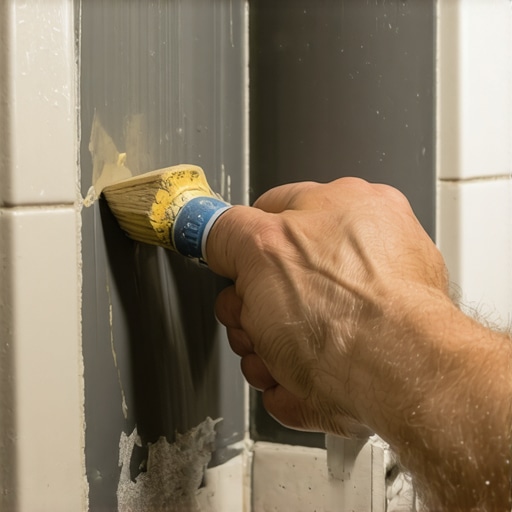
Insert an image showing a waterproof membrane being applied inside a shower niche, highlighting the corners and edges for clear understanding.
When it comes to home renovation, there’s a common misconception that following basic tutorials guarantees a flawless result. While foundational knowledge is essential, mastering the finer details makes all the difference between an average job and a professional-grade finish. Many homeowners and even some seasoned DIYers overlook subtle nuances, especially in areas like baseboards, carpet installation, flooring, and showers, leading to costly mistakes or compromised durability.
For example, in baseboard installation, the traditional advice often emphasizes quick miter cuts and using nails or glue. However, the real finesse involves understanding wood expansion, seasonal movement, and employing techniques like back-beveling or shimming to prevent gaps or cracking over time. Skipping these steps can cause ugly separations that are difficult to conceal later.
Similarly, in carpets, the prevalent myth is that stretching is merely about grabbing a knee kicker and pulling. In truth, achieving a flawless, ripp-free carpet involves mastering the double-cut seam technique, precise tack strip placement, and understanding fiber behavior under tension. Overlooking these nuances results in ripples, pulling away from walls, or uneven appearances, which compromise both aesthetics and safety.
When installing flooring—be it vinyl, laminate, or hardwood—the common mistake is neglecting subfloor preparation. Many assume that leveling or sealing the subfloor is unnecessary if it appears smooth. Yet, small defects or moisture issues can cause tiles to crack, planks to buckle, or foam underlays to sag over time. Experts emphasize meticulous prep, including moisture testing, leveling, and using high-quality adhesives or underlays, to ensure longevity.
Showers, especially, harbor a minefield of hidden pitfalls. Beyond the visible tile work, the critical yet often ignored aspect is the proper installation of waterproof membranes and flashing. Many believe that a thick layer of grout seals the deal, but water can still infiltrate through poorly sealed niches or drain penetrations. Advanced installers employ techniques like double-weighted flashing, cavity waterproofing, and flexible sealants to create an impervious barrier.
What many overlook is that these nuances require more than just the right tools—they demand knowledge, patience, and understanding of materials’ properties. Ignoring them often leads to leaks, mold issues, or structural damage that costs significantly more to repair than getting it right the first time.
For deeper insights, check out [baseboard trends in 2025](https://tilecraftsmens.com/baseboard-trends-in-2025-fresh-styles-for-every-room) to stay ahead in finishing touches, or explore [your guide to durable flooring installation](https://tilecraftsmens.com/your-guide-to-durable-flooring-installation-for-a-stylish-home) for ensuring lasting quality.
Have you ever fallen into this trap? Let me know in the comments or reach out through our [contact page](https://tilecraftsmens.com/contact-us) to discuss your project challenges.
Keeping It Working: Essential Tools and Maintenance Tips
Achieving a flawless finish in renovations like baseboards, carpet installations, flooring, or showers isn’t just about the initial craftsmanship; it’s equally about maintaining your work to stand the test of time. Having the right tools at your disposal makes routine upkeep more manageable and helps identify potential issues before they escalate. Personally, I rely on a few key pieces of equipment that streamline maintenance and ensure longevity in every project.
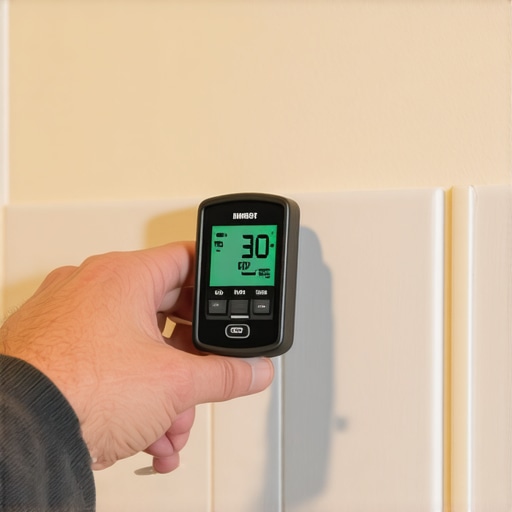
First and foremost, a high-quality digital moisture meter is invaluable. Regularly checking moisture levels in subfloors, drywall, or even behind tiles can prevent future problems like mold or warped surfaces. I prefer models with instant readings and calibrated sensors, such as the Protimeter MMS2, because they deliver quick, accurate data that guides maintenance decisions.
Alongside moisture detection, I recommend investing in a professional-grade steam cleaner. It allows for deep cleaning of carpets and grout lines without excessive moisture or harsh chemicals, helping preserve your installation over years. Using a steam cleaner equipped with gentle scrubbing heads, like the Hoover SteamVac, makes routine cleaning more effective and less labor-intensive.
For floors and baseboards, a finish nailer with adjustable depth control keeps trims secure without overdriving nails, which can cause gaps or damage. Regular inspections with a pry bar or level help spot shifts or gaps early, especially in areas prone to seasonal movement. I also keep a cordless rotary tool with various attachments handy for delicate touch-ups or removing stubborn sealants in shower niches.
Way Ahead: Embracing Smart Maintenance Tech
As technology evolves, I see trend towards smart sensors embedded in flooring or walls, providing real-time alerts for humidity spikes or structural shifts. Though still emerging, these tools could shift home maintenance from reactive to proactive, saving homeowners thousands in repairs. For now, familiar tools combined with routine inspections keep my projects in top shape.
If you’re serious about long-term durability, I recommend setting up a regular maintenance schedule that includes visual checks and moisture monitoring. For example, inspecting shower niches monthly can prevent leaks and mold buildup, saving costly repairs later. Remember, consistency is key to preserving the beauty and integrity of your renovation work.
To improve your upkeep process, try incorporating a digital moisture meter into your routine. It’s a simple step that can catch issues early, especially if you notice unexplained increases in humidity or condensation. For detailed guidance on future trends, check out this resource on shower renovation trends.
< >
>
Insert an image showing a homeowner or contractor using a digital moisture meter on a bathroom wall, highlighting the importance of routine checks for long-term maintenance of showers and flooring.
Proper maintenance goes hand-in-hand with craftsmanship. Ensuring your tools are up to date and your inspection routines are consistent will prolong the life of your renovations and prevent small issues from turning into costly repairs. Make a habit of scheduled checkups and consider integrating emerging smart technology as it becomes more accessible, making your home a resilient, long-lasting space.
The Hardest Lesson I Learned About Baseboards, Carpet Install, Flooring, and Showers
Early in my renovation journey, I believed that following basic tutorials was enough to ensure a professional finish. However, I quickly discovered that overlooking subtle nuances—like proper seam alignment or moisture barriers—can lead to costly repairs down the line. One standout lesson was realizing that sealing inside shower niches with only standard grout wasn’t enough; a dedicated waterproof membrane beneath the tile is essential to prevent leaks and mold. Similarly, in flooring, ignoring subfloor moisture testing resulted in buckling and crumbling over time. These experiences taught me that patience, attention to detail, and understanding the materials’ properties are vital for lasting results.
My Essential Toolkit for Home Renovation Excellence
Over the years, I’ve come to rely on a handful of tools that make the difference between a good and a great finish. A high-quality digital moisture meter helps me catch potential issues early, preventing future damage in shower niches and beneath floors. A precision trim carpenter’s square ensures perfect angles in baseboard corners, avoiding gaps and gaps that can trap dirt and water. I also trust reputable brands like [TileCraftsMen](https://tilecraftsmens.com/your-guide-to-durable-flooring-installation-for-a-stylish-home) for their comprehensive guides and product recommendations. For supplies, I prefer sourcing from trusted local suppliers who understand the nuances of renovation—this ensures quality and prompt support whenever I need it. These tools, combined with a mindset attentive to detail, have truly transformed my projects.
Your Turn to Make a Difference
Taking the time to master these fine details in home renovation makes all the difference in achieving durable, leak-proof results. Whether you’re sealing a shower niche or installing baseboards on uneven walls, every step counts. Remember, the devil is in the details, and your commitment to them will shine through in the longevity and beauty of your home. Don’t let small oversights become costly mistakes; embrace the process and enjoy the satisfaction of doing it right the first time.
What’s one subtle detail you’ve learned to pay extra attention to during your renovation projects? Share your experience below or reach out through our contact page for personalized advice.