

Ever experienced that sinking feeling when you notice your bathroom grout cracking right where the wall meets the floor? I remember the first time I saw it looming there, a tiny crack slowly turning into a bigger problem. It’s a frustrating sight—like a tiny wound opening up in a place you rely on every single day. That moment of realization made me wonder: Why is this happening, and more importantly, how do I fix it?
Transforming Bathroom Disasters into Durable Solutions
Dealing with cracked grout isn’t just about aesthetics; it’s about protecting your bathroom’s integrity. If moisture seeps through those tiny gaps, it can lead to mold, water damage, and even costly repairs down the line. So, today, I promise to guide you through the key steps I learned to prevent grout from cracking and ensure your shower stays watertight and looking great for years to come.
Is Your Shower’s Baseboard as Good as It Looks?
One mistake I made early on was neglecting the importance of proper expansion joints and flexible sealing. I assumed that a simple grout application without considering movement and structural shifts would suffice. Spoiler alert: it doesn’t. According to industry experts, grout is not meant to withstand the natural expansion and contraction of building materials. Without proper precautions, cracks are inevitable. For more insights on durable flooring installation, check out this comprehensive guide.
Now, if you’ve faced the same dilemma—seeing that ugly crack appear months after your shower was installed—you’re not alone. Luckily, understanding the root causes can empower you to fix and prevent future issues. Let’s dive into the essential strategies to keep your grout in top shape and your bathroom watertight.
Replace Old, Cracking Grout Thoroughly
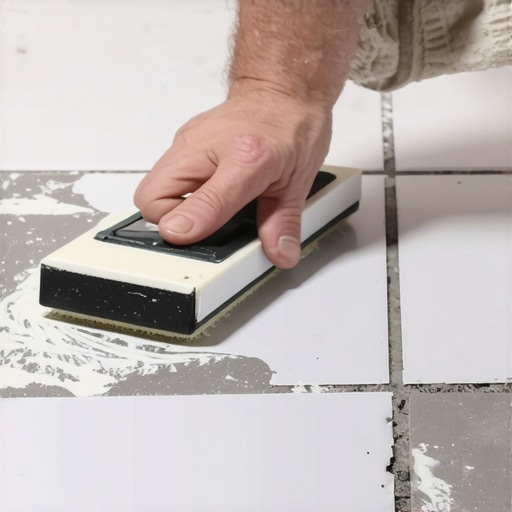
Start by removing the damaged grout with a grout removal tool, working carefully to avoid damaging surrounding tiles. Once cleared, clean the joints thoroughly to eliminate debris and dust, ensuring the new grout bonds properly. When applying the fresh grout, press it firmly into the joints with a rubber float, sweeping diagonally to prevent air pockets. Let it cure for at least 24 hours before sealing with a high-quality sealant to prevent moisture infiltration.
Use Flexible Sealants to Accommodate Movement
Instead of relying solely on rigid grout, apply a flexible silicone or urethane sealant along edges and corners where slight shifts might occur. This is especially vital at the wall-floor junctions. During my own shower renovation, I used a silicone-based sealant around the base; it absorbed the expansion and contraction stresses, preventing cracks in the grout over time. Regularly inspect and reapply sealant as needed to maintain a watertight seal.
Implement Proper Expansion Joints
Install expansion joints in large tiled surfaces to allow for natural material movement. To do this, leave a small gap at strategic points, typically at the transition between different materials or at wall corners. Fill these gaps with flexible material, then cover with matching trim or molding to blend seamlessly. During my project, adding these joints at the corner of a tiled shower prevented future cracking caused by thermal expansion. For stylish options that also serve this purpose, explore baseboard updates.
Ensure Proper Subfloor and Wall Preparation
A stable base prevents movement that causes cracks. Verify the subfloor’s integrity, repairing or replacing any spongy or uneven areas before tile installation. When I faced a wobbly subfloor, I used rigid plywood overlays and sistered joists, which drastically reduced tile movement. Similarly, walls must be plumb and free from excessive deflection. Proper framing and bracing eliminate stress on tiles and grout joints. If your walls are uneven, consider applying a self-leveling compound or consulting an expert for a seamless finish. For flooring foundation tips, visit this flooring guide.
Seal and Maintain Regularly
Apply a high-quality grout sealer after curing to create a moisture-resistant barrier. Reapply every 1-2 years, especially in high-moisture zones. During my last renovation, periodic re-sealing doubled the lifespan of my grout and kept it looking vibrant. Wipe down tiles after each use to prevent soap scum and water spots, and inspect grout lines periodically for signs of cracks or deterioration. Promptly repairing small cracks with flexible sealant can prevent larger issues down the line.
 Many homeowners and even some professionals underestimate the complexities involved in seemingly straightforward tasks like installing baseboards, flooring, showers, or carpets. A pervasive myth is that these projects are purely aesthetic or simple to execute, but in reality, overlooking nuanced details can lead to costly mistakes and subpar results. For example, many assume that a perfect cut and nail will ensure a seamless baseboard joint, but what they often miss is the importance of proper scribing to uneven walls to avoid gaps, as discussed in this guide.
Another common misconception is that expansion joints are only necessary for large areas, whereas in truth, improper handling of these joints in smaller spaces can cause cracks and deformation over time. This is especially critical in flooring installation, where ignoring the need for flexibility can lead to buckling, a mistake thoroughly explained in this resource.
When it comes to showers, many think sealing with silicone is enough to prevent leaks, but the real nuance lies in understanding waterproofing layers beneath tiles. Skipping proper waterproofing steps, as highlighted in this article, can result in water penetrating walls and causing mold or structural damage, even if the visible sealing appears sound.
A particularly insidious misconception surrounds carpet installation. Many assume that carpet padding is just for comfort, but inadequate padding or poor seams can cause uneven wear, wrinkling, and tripping hazards. This subtlety is often overlooked, leading to durability issues. For insights on perfecting carpet seams and installation, check out this guide.
In many of these projects, the devil is in the details. For instance, failing to account for seasonal changes and wood movement can cause baseboards to crack or become loose over time, despite a flawless initial installation. Recognizing these hidden variables requires advanced knowledge and experience, differentiating the casual DIYer from a true expert.
Want to avoid these traps and elevate your home projects? Dive into reliable resources and continuously refine your technique. Do you think you’ve fallen into some of these common misconceptions? Share your experiences in the comments! Remember, mastering these nuances ensures longevity and a professional finish that truly stands out.To keep your flooring, shower, or carpet installation in top shape over the years, it’s essential to invest in the right tools and adopt effective maintenance routines. I always recommend high-quality silicone sealants like GE SCS100, which offer flexibility and durability—key factors in preventing cracks and leaks in areas prone to movement, such as shower corners or baseboard joints. Using a good grout sealer, like Miracle Sealants 511, and reapplying it every couple of years helps maintain a moisture-resistant barrier, extending the life of your grout and tiles. For flooring, a specialized floor buffer with a soft pad is invaluable; it gently removes dirt without damaging the surface, keeping your floors looking fresh and preventing buildup that can lead to moisture issues.
When it comes to power tools, I swear by the Dewalt DWE575 circular saw for precise cuts, especially when trimming tiles or baseboards. Its ergonomic design reduces fatigue, allowing for longer sessions with accuracy. For measuring and marking, a high-precision digital laser measure like Bosch GLM 50C ensures your cuts are spot-on, especially critical for mitering baseboards or fitting around odd angles.
Looking ahead, I predict that automation and smart maintenance systems will become more integrated into home renovation. Devices that monitor humidity and temperature, alerting you to potential issues, will help catch problems early. Additionally, advancements in self-healing grout and sealants—which contain microcapsules of repairing agents—are poised to revolutionize home upkeep, reducing the need for regular reapplications.
**How do I maintain my flooring and shower installations over time?** Regular inspections are your first line of defense. Pull out a flashlight every few months and look for small cracks or gaps, addressing them immediately with flexible sealants or patching. Clean grout lines and tiles with pH-neutral cleaners to prevent discoloration and deterioration. For carpets, routine vacuuming with a HEPA filter keeps dust and moisture at bay, and consider a professional deep-clean at least once a year. Seam sealing for carpets, like the double hot-melt tape method, can prevent seams from unraveling prematurely.
For larger projects, consider investing in an orbital polisher for floors or a handheld steam cleaner for tiles—these tools simplify maintenance tasks and extend the lifespan of your investments. Remember, prevention is always less expensive and less stressful than repairs. Try applying a high-quality sealant along your shower seams today, and you’ll thank yourself weeks later. Proper tools and diligent care turn a flawless installation into a long-term asset, saving you headaches and cash in the future. For more advanced tips on flooring installations, visit this guide.
Over the years, I’ve learned that the greatest lessons in home improvement come from nights of troubleshooting and the occasional unexpected setback—especially with projects like bathroom tile and baseboard installations. The key isn’t just knowing the right steps, but understanding the nuances that prevent common problems from recurring. For instance, I once thought sealing grout was enough, only to see cracks reappear when the seasons changed. That taught me the importance of integrating flexible sealants and proper preparation into every project, transforming an everyday task into a long-term investment.
The Hardest Lesson I Learned About Bathroom Fixes
- Never underestimate the stress points: Small details like expansion joints in large tiled areas can save you from cracks years down the line. I now prioritize these during installation, referencing expert waterproofing tips.
- Flexible sealants are your friends: Rigid grout may look neat, but it often becomes brittle over time. Using high-quality silicone along edges has saved me from endless repairs, especially at the wall-floor juncture.
- Preparation beats quick fixes: Ensuring a level, stable subfloor or wall surface isn’t glamorous, but it prevents a cascade of issues. I now spend extra time verifying stability before laying tiles or flooring, guided by durability guides.
- Regular maintenance is vital: Sealing grout and inspecting for cracks periodically keeps problems at bay and preserves the aesthetic. A monthly wipe-down with gentle cleaner maintains clarity and prevents mold growth.
- Small cracks carry big risks: Addressing minor cracks immediately before they expand can prevent costly repairs. Flexible sealant is my go-to for quick fixes that last.
My Essential Toolkit for Bathroom Longevity
Based on my experience, a few tools and products make all the difference. A quality grout sealant, like Miracle Sealants 511, forms a moisture barrier that endures seasonal shifts. A flexible silicone adhesive ensures corners and joints don’t crack under movement. For cutting tiles accurately and reducing waste, I swear by the Dewalt DWE575 circular saw—precision that pays for itself in saved material and time. For measuring, nothing beats a laser measure like Bosch GLM 50C; it makes fitting expansion joints and verifying level effortless. These tools, combined with a commitment to proper prep and regular checks, have transformed my bathroom projects from temporary fixes to lasting installations.
Your Next Step Toward a Flawless Bathroom
Embarking on home improvement with a focus on nuances and fine details elevates your results beyond the ordinary. Whether you’re new to DIY or a seasoned renovator, remember that the real secret lies in understanding the subtle factors—like proper subfloor prep or the strategic placement of expansion joints—that ensure durability. Why not take the insights from these lessons and apply them today? Your future self will thank you for the effort invested now to enjoy a beautiful, lasting space. Want to share your own bathroom success stories or challenges? Drop a comment below and let’s learn together!