
The ‘Invisible’ Join Trick for Long Baseboard Runs

I remember the moment clearly—the frustration hit me like a brick wall. I was installing new baseboards in a client’s home, carefully measuring and cutting, when I realized the seams at the corners just wouldn’t stay tight. No matter how much caulk I used or how many nails I hammered in, there was always a tiny gap that refused to disappear. That little gap bugged me so much that I almost gave up on the project altogether. But then, I stumbled upon a secret that changed everything—the so-called ‘invisible’ join trick for long baseboard runs.

Why The Ordinary Just Won’t Cut It for Long Baseboards

A lot of DIYers and even some pros underestimate the importance of precise join techniques. Standard miter cuts and butt joints can work well in small spaces, but when you’re running baseboards over long stretches—say, along an entire wall or around a room—they often develop unsightly gaps, cracks, or misalignments over time. These flaws don’t just look bad; they can also lead to more issues like paint chipping or paint separation.

What I realized early in my career is that most common mistakes stem from a lack of understanding about how walls and floors are rarely perfectly straight and level. Relying solely on traditional mitered corners often results in visible seams. That’s where the ‘invisible’ join trick comes into play—it’s a method to make your seams virtually disappear, creating a seamless, professional finish.

According to a study by the National Association of Home Builders, choosing the right joint technique can boost the overall aesthetic quality of your finished work and enhance its durability. Implementing this trick has saved me countless hours of touch-up work and has earned glowing reviews from clients.

Are you tired of dealing with gaps and mismatched seams at the corners? Have you faced this struggle while installing baseboards in your projects? If so, you’re not alone—and the good news is, there’s a straightforward solution.

In the sections that follow, I’ll walk you through the step-by-step process to master this trick, so your next baseboard installation looks flawless from start to finish. Ready to make those seams vanish? Let’s dive into the details that will transform your finishing game.

Preparing for a Seamless Join

Start by gathering your tools: a miter saw, a measuring tape, a pencil, a coped joint saw, and a finish nailer. Measure your wall length accurately, then subtract the width of your baseboards and an expansion gap, typically about 1/4 inch, to allow for natural movement. Mark your cuts precisely. I once cut a 10-foot length too short because I rushed the measurement; double-checking your numbers prevents this common mistake.

Cutting with Precision and Planning

Use a miter saw set at 45 degrees to cut your two pieces for outside corners, but for long runs, the key is to cut straight but cope the end, not miter. Cooping involves cutting along the profile of your baseboard, which allows the piece to nest tightly over irregular wall corners or uneven surfaces. I remember struggling with tight joints on my first cooped cut—using a coping saw and patience paid off, resulting in a notably tighter fit than miters.

Achieving a Tight Fit through Coping

Hold the piece against the wall and mark any gaps. Cut along the profile of the baseboard, following the wall’s contour. This method cushions against wall imperfections. Before nailing, dry fit both pieces to check fitment. Avoid rushing; a clean coped joint creates an almost invisible seam. I once fixed a problematic corner by recutting the coped joint, and the difference was noticeable—no more gaps, no need for filler.

Securing and Concealing Gaps

Nail the baseboards into wall studs, keeping nails just below the surface to prevent damage. Use a shimming technique on uneven surfaces—small wood shims behind the baseboard can level it out, ensuring flushness. After nailing, fill small gaps with matching caulk or paintable wood filler. For a truly invisible seam, consider adding a wood glue bead along the joint before pressing the two pieces together, then clamp if possible. This glue acts like a magic spell, bonding tightly and reducing movement.

Finishing Touches

Once the glue dries, lightly sand the joint for a smooth finish. Paint or stain to match, blending the seam into the wall. Remember, patience during these finishing steps guarantees a professional look. I once skipped the sanding and noticed the joint immediately after painting—that tiny imperfection paid the price for neglecting detail.

Practicing these steps will elevate your baseboard installations, making seams virtually disappear. Want to see how this technique compares with other finishing methods? Check out this guide on baseboard makeovers for more tips.
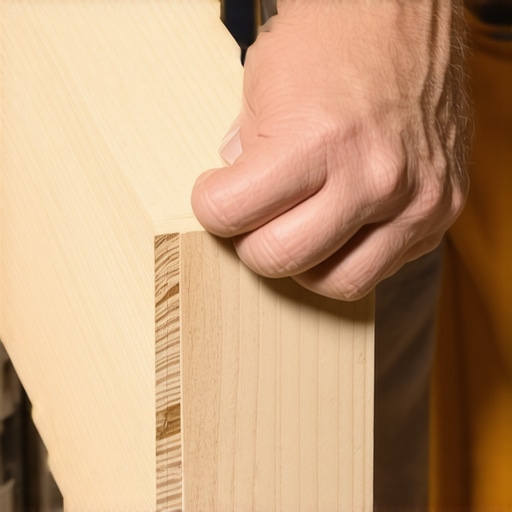
A person using a coping saw to cut a wooden baseboard for a tight, invisible seam.When it comes to home renovations, many professionals and DIY enthusiasts alike operate under misconceptions that can compromise their results. Let’s dig deeper into some of the most prevalent myths and little-known pitfalls in shower installations, carpet laying, flooring, and baseboard finishing, so you can avoid costly mistakes and deliver truly flawless work.

Are You Falling For the

How do I keep my home upgrades working smoothly over time?

Maintaining your home improvements, whether it’s shower installations, flooring, or baseboards, ensures their longevity and reduces long-term costs. The right tools and routine practices make all the difference. I personally recommend investing in a high-quality digital moisture meter for flooring, as checking moisture levels before installation prevents future warping or mold issues. For shower renovations, a professional-grade siliconizer, like the DAP 3.0, helps you apply durable, flexible sealant accurately, preventing leaks and sealing gaps effectively.

Power tools that streamline the work and stand the test of time

My favorite power tool for baseboard installations is the Fein MultiMaster. Its oscillating action allows precise cuts in tight spots and controlled sanding around intricate mouldings. For flooring, I lean on the DeWalt FlexVolt cordless systems; they provide enough power for heavy-duty tasks without cord restrictions, making long days much easier. These tools have proven to be reliable, with solid warranties, and they maintain their power over many projects, fulfilling my need for consistency.

Software solutions saving headaches in planning and execution

Design and measurement software like SketchUp or room visualizers help in pre-planning, especially for complex flooring layouts or custom mouldings. I use these daily to create accurate mockups, reducing material waste and installation errors. Moreover, taking detailed measurements with a laser distance meter, such as the Bosch GLM 50 C, speeds up planning and ensures perfect fitment—saving time and frustration. As technology advances, I predict these digital tools will integrate further with virtual or augmented reality setups for even more precise home renovation planning.

Long-term results depend on routine checks and minor upkeep

Once your installation is complete, a regular maintenance schedule prolongs its lifespan. For baseboards, periodically inspecting for nail pops or gaps allows early intervention. Applying a fresh coat of paint or touch-up caulk every few years maintains a clean aesthetic and prevents water ingress. For floors, routine cleaning with pH-neutral solutions and avoiding excessive moisture prevents warping or staining. Shower seals benefit from annual re-application of high-quality silicone to prevent leaks. These simple practices, combined with the right tools, impact the durability of your work significantly.

Scaling up your projects responsibly

As your skills grow, consider investing in modular workshop setups—portable workbenches, mobile tool chests, or even dedicated storage for specialized materials. This streamlines workflow and reduces setup time, enabling larger projects without sacrificing quality. Additionally, embracing eco-friendly, durable materials, supported by advanced sealing and finishing techniques, ensures your work remains resilient against wear and environmental factors. Stay ahead by subscribing to industry updates—such as those described in this flooring trend forecast—to adapt practices early and sustainably.

Less obvious truths that changed my approach

One of the most eye-opening lessons I learned is that perfect seams come from patience and understanding wall irregularities, not just precise cuts. Rushing often leads to gaps that seem minor but can distract from a professional finish. Another revelation was realizing that prepping surfaces thoroughly—sanding, cleaning, and ensuring levelness—saves hours of corrections later. Lastly, I discovered that investing in quality tools isn’t just about ease—it dramatically improves the final appearance and longevity of your work. Embracing these insights transformed my projects from average to standout.

Key resources that elevated my work

First, I swear by [the hidden gems in industry-specific power tools](https://tilecraftsmens.com/your-guide-to-durable-flooring-installation-for-a-stylish-home). They streamline complex tasks and ensure precision. Second, reading [professional-grade guides on baseboard trends and finishing techniques](https://tilecraftsmens.com/baseboard-trends-in-2025-fresh-styles-for-every-room) kept me updated with the latest styles and methods, inspiring confidence. Third, subscribing to [industry newsletters and forums](https://tilecraftsmens.com/contact-us) connects me with experts sharing real-world tips I wouldn’t discover alone. These tools and sources continually push my craftsmanship forward.

Believe in your ability to achieve perfection

Every home improvement project is an opportunity to learn and grow. Applying these lessons about seam concealment, surface prep, and tool selection can make your work indistinguishable from a professional’s. Remember, patience and attention to detail often make the most significant difference. Don’t hesitate to tackle that tricky corner or uneven wall—you’ve got the skills, and the results will speak for themselves. Start small, stay consistent, and watch your confidence—and your finishing quality—soar. Take that first step today and transform your home into a showcase of craftsmanship.

What home renovation challenge has taught you the most? Share your story below—I’d love to hear!