

I remember the moment clearly—my foot landing on the staircase, only to feel that unsettling slip, my heart catching for a split second. It was as if I had forgotten how to walk. The culprit? My carpet stair treads, which I thought were secure, suddenly became wobbly and dangerous. That lightbulb moment made me realize how common—and surprisingly overlooked—this problem is. If you’ve ever caught yourself clutching the handrail tighter than necessary or hesitated before each step, you’re not alone.
How a Simple Slip Became My Wake-Up Call
Initially, I shrugged it off as just a minor inconvenience. But as time went on, the slipping worsened, and the risk of a nasty fall increased. That’s when I decided I needed to tackle the root of the issue, rather than just shuffle along and hope for the best. What I discovered was eye-opening: many homeowners experience similar frustrations, often made worse by quick fixes that don’t last. Fixing slipping stair treads isn’t just about safety; it’s about peace of mind in your own home.
Do You Know If Your Carpet Treads Are Secure?
Chances are, you’ve noticed, or possibly ignored, the signs of loose carpeting on your stairs—wrinkles, movement, or your foot feeling like it’s sliding. Early on, I made the mistake of assuming that a bit of double-sided tape would hold everything in place. Spoiler: That method was temporary at best. According to experts, inadequate adhesion or improper installation are often behind the recurring slips. A more reliable, long-term solution involves a proper staple fix that anchors your carpet tread firmly, ensuring it stays put no matter how many times you ascend and descend.
If this story sounds familiar, don’t worry. I’ll share how I finally took control and made my stairs safe for family and guests. Trust me, by the end of this post, you’ll have all the tools to restore your staircase’s stability. Ready to say goodbye to slipping carpet treads? Let’s dive into the practical fix that transformed my staircase—and can do the same for yours.
Remove Old Carpet and Prepare the Surface
Start by carefully pulling up the loose carpet treads using a pry bar or flat-head screwdriver. Be gentle to avoid damaging the stair surface beneath. Once removed, clean the stair behind the carpet, removing all dust, debris, and old adhesive residues. A clean, dry surface ensures a firm grip for your new fasteners, preventing future slips.
Choose Proper Fastening Materials
Opt for 1-inch staples or nails designed for carpet installation. Heavy-duty staples from a pneumatic staple gun are ideal—they provide strong, consistent anchoring. Avoid short or thin nails, which can pull out over time. For a cleaner finish, consider using a pneumatic staple gun with a wide crown, which distributes holding power evenly.
Remember the Analogy
Think of fastening like securing a tent: the stakes need to be deeply anchored to hold tightly against wind. Likewise, staples driven in at proper depth hold the carpet firmly on the stair, reducing the risk of movement.
Reattach the Carpet Treads
Align the carpet tread on the stair, ensuring it fits snugly against the riser and nosing. Use your staple gun to insert staples along the back edge and sides, spacing them approximately every 4-6 inches. Make sure staples penetrate deep into the stair backing for maximum hold. Pay special attention to corners and edges to prevent lifting or wrinkling.
Secure the Edges for a Professional Finish
If the carpet has excess length, trim it carefully with scissors or a utility knife for a smooth fit. For added security, you can add a bead of durable carpet adhesive along the edge before stapling, especially at high-traffic areas. Press firmly to ensure adhesion and check for any loose spots.
Final Inspection and Adjustments
Walk over the stairs to test stability. Monitor for any movement or squeaks. If you notice any wiggle, reinforce those areas with additional staples or adhesive. This hands-on approach reminds me of the stud finder trick—a small adjustment can make a big difference in durability.
Maintenance Tips for Longevity
Regularly vacuum and inspect the stairs for signs of loosening. Address small issues immediately to prevent bigger problems. For instance, if you notice wrinkles, re-staple and re-glue as necessary. This proactive step keeps your staircase safe and looking sharp, just like a simple baseboard update.
While many homeowners focus on the visible aspects of home upgrades, such as choosing trendy baseboard styles or sleek flooring, they often overlook nuanced pitfalls that can compromise durability and aesthetic appeal. As an experienced contractor, I can tell you that misconceptions about common installation practices are widespread—leading to expensive reworks and safety hazards. Let’s dig deeper into what most people get wrong about these critical elements and how to avoid those costly mistakes.
Myth: All adhesives and fasteners are created equal. Many assume that a generic glue or staple will suffice for secure installations. In reality, using subpar materials can lead to premature failure. For example, improper adhesive choices in shower renovations or flooring can cause warping, gaps, or leaks. Professionals always specify high-quality, purpose-built products—just like the premium flooring techniques they trust—ensuring longevity and safety.
Beware the trap of improper surface preparation. It’s tempting to skip thorough cleaning or subfloor leveling, but this oversight can cause uneven surfaces, visible seams, or tile cracking. Advanced installers meticulously prep surfaces, understanding that these hidden details bolster the final look and function. A notable example is applying the proper membrane and sealant in showers, which prevents leaks for years—failure to do so is a common mistake.
What advanced pitfalls might surprise even skilled homeowners?
Many are unaware that ignoring subtle variables like wall and floor tolerances can lead to gaps or misalignments. For instance, uneven walls require custom scribing of baseboards or careful planning for transitions. Rushing through these steps results in visible flaws that detract from professional appeal. The secret lies in detailed measurements and adaptable techniques—such as the scribing method for perfect fits. Recent studies show that precision in these nuanced details significantly impacts overall satisfaction and durability.
Always remember, quality craftsmanship isn’t just about the obvious—it’s the accumulated attention to these hidden nuances that separates amateurs from true experts. If you want to master these details, explore the latest trends in baseboards or learn about comprehensive flooring installation tips. Don’t overlook the small stuff—your home’s integrity depends on it.
Have you ever fallen into this trap? Let me know in the comments.
Keep It Working: Essential Tools and Maintenance for Longevity
Investing in the right tools is critical to ensuring your flooring, carpets, and showers stay in top shape over the years. Personally, I swear by a quality pneumatic staple gun when reattaching carpet treads—like the Bostitch upholstery stapler. It provides consistent power and control, ensuring staples are driven deep enough without damaging the material. For precise measurements, I rely on a digital laser level, which helps maintain straight lines on baseboards and tile edges, especially in large projects where accuracy is key.
When it comes to shower maintenance, a silicone sealant removal tool is invaluable. Over time, silicone around shower niches and door frames can crack or gather mold. Using a purpose-built tool, rather than a knife or blade, allows for clean removal and reapplication, preventing leaks and water damage. Additionally, a high-quality grout haze remover ensures that tiles remain spotless and prevent mold buildup, prolonging their appearance and function.
What tools will make your long-term maintenance easier?
Routine inspections are your best defense against small issues becoming costly repairs. Brushing, vacuuming, and promptly re-stapling loose carpet edges with a staple remover and staple gun prevent trip hazards. For floors, periodically checking for unevenness with a straightedge can reveal subfloor issues before they escalate. When installing new flooring or re-caulking showers, using a damp sponge and a finishing tool helps achieve smooth, professional results that last longer. I recommend keeping a repair kit that includes a cutting tool, replacement grout, sealant, and a small trowel—ready to address small problems as soon as they arise.
Long-term success also depends on scheduled maintenance. For instance, applying sealant every few years to grout lines and shower seams can prevent water seepage and mold growth. Regularly inspecting the caulk and replacing any deteriorating sections keeps water where it belongs—inside your plumbing system. For flooring, maintaining proper humidity levels and using protective pads under furniture reduces wear and tear over time.
The future of home maintenance points toward smarter, more predictive solutions. IoT-enabled sensors can monitor moisture levels, alerting you to leaks before visible damage occurs. Meanwhile, advancements in self-healing coatings for floors and showers could revolutionize how we approach durability, reducing the need for routine repairs. Staying informed about these trends and integrating the right tools now will ensure your home remains beautiful and functional for years to come.
How do I maintain my flooring and showers over time?
Developing a regular inspection and cleaning routine is vital. Use quality cleaners suited to your materials—such as mild pH-neutral solutions for tiles and gentle vacuum attachments for carpets—to avoid unnecessary wear. Implementing proactive measures like re-sealing grout and inspecting caulking annually can drastically extend the lifespan of your installations. Viewing maintenance as an investment, rather than an afterthought, will save you money and preserve your home’s aesthetic and structural integrity.
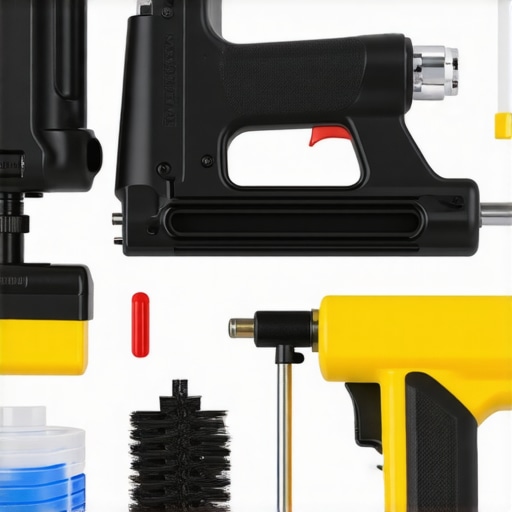
Picture a well-equipped toolbox with staple guns, sealant removal tools, and moisture sensors—your arsenal for maintaining durable floors and flawless showers.
The Hardest Lesson I Learned About Proper Fastening and Surface Prep
One of my biggest realizations came from painstakingly redoing a stubbornly loose baseboard area, where I underestimated the importance of surface cleanliness and the right staples. Skipping detailed cleaning or using thin staples led to gaps and wobbly edges that I finally fixed only after understanding that surface preparation and quality materials are non-negotiable. This experience underscored that proper surface prep, like thorough dust removal, makes a dramatic difference in durability.
3 Myths About Tiling, Carpeting, and Baseboard Installation That Held Me Back
Initially, I believed that cheap adhesive would do the trick for showers, or that any staple gun was sufficient for securing carpets and baseboards. But I learned the hard way that inferior materials lead to failures, leaks, and loose edges. Upgrading to purpose-built tools—like a quality pneumatic staple gun for carpets and high-grade sealants for showers—saved me from recurring trouble. That myth about cheap fixes is a trap I now avoid.
What Experts Won’t Tell You About Maintaining Floors and Showers Long-Term
One lesson few talk about is how proactive maintenance—like re-sealing grout lines and inspecting caulking—dramatically extends the lifespan of flooring and shower installations. I used to wait until signs of damage appeared, but now I see that scheduled inspections, coupled with the right tools such as grout haze removers and silicone removal tools, keep everything in top shape, preventing costly repairs later.
My Essential Toolkit for Lasting Floors and Showers
Over the years, I’ve come to rely on specific tools that make repairs and maintenance easier. A pneumatic staple gun, for example, like the Bostitch upholstery stapler, provides consistent, strong fastening that stands up to daily use. A digital laser level helps me achieve perfectly straight baseboards and tiles, while a silicone sealant removal tool ensures clean reapplications around showers. These tools have become my trusted allies for home durability.
Stay Inspired: Take Control of Your Home’s Future
Remember, every home issue you encounter is an opportunity to learn and improve. Whether it’s re-stapling loose carpet edges, re-sealing your shower, or updating your baseboards, taking these steps empowers you to create a safer, more beautiful space. The key is embracing the process and gradually building your skills—your home’s longevity depends on it. If you have a project in mind, don’t hesitate to start today and watch your improvements grow.