

One afternoon, I was installing baseboards in a client’s living room, feeling confident after measuring and cutting all the pieces perfectly. But when I mitered the outside corner, the joints didn’t just misalign — they looked downright sloppy. Frustration crept in as I realized I’d spent so much time on measurements, only to mess up at the final step. That was my lightbulb moment—the realization that I was approaching outside miter cuts all wrong.
Since then, I’ve discovered a simple yet powerful trick—the 45-degree technique—that consistently delivers tight, professional-looking outside corners. It’s a game-changer for DIYers and pros alike, saving time and avoiding those unsightly gaps. In this post, I’ll walk you through why this trick works and how to master it, so your baseboard corners come out crisp every time.
Why Do Outside Corners Usually Fail and How to Fix Them
Many folks struggle with outside miter corners because they rely solely on standard miter cuts without considering the geometry involved. A common mistake I made early on was assuming that cutting at a 45-degree angle was enough. But the truth is, the way you position and cut your baseboards determines how well they fit together.
Outside corners are especially tricky because the joints tend to open up or misalign, creating gaps or crooked lines. This can be frustrating, especially when you’re aiming for a seamless look. The key is understanding the purpose of the cut: to create a joint that fits perfectly with an outside corner’s natural angles. And that’s where the 45-degree trick shines.
According to seasoned carpenters, proper corner cuts require more than just following the angle—it’s about your approach to the cut itself. In fact, research from the home improvement industry highlights that precise joinery increases the durability and aesthetic appeal of baseboards, making your job look polished and professional (source: [tilecraftsmens.com](https://tilecraftsmens.com/baseboard-trends-in-2025-fresh-styles-for-every-room)).
If you’ve ever struggled with gaps or misaligned edges at outside corners, you’re not alone. Many DIY enthusiasts tend to overlook the nuanced steps that ensure a snug fit.
Now that I’ve shared my initial mishap and the importance of understanding foundational techniques, let’s dive into the actual method—the 45-degree trick—that has transformed my projects. Stay tuned because this simple adjustment can save you hours of frustration and deliver results that rival professional work. Ready to learn how to get perfect outside miters every time? Let’s go.
Set Your Saw Properly
Start by adjusting your miter saw to cut at a precise 45-degree angle. Tighten the blade securely and verify the angle with a combination square or protractor. I recall a time I neglected to double-check, resulting in a skewed cut that threw off the entire corner. Ensuring your saw is calibrated prevents premature errors and saves time during installation.
Make Accurate Measurements for Each Piece
Measure the length of each baseboard piece carefully, accounting for wall outcroppings and corners. Transfer these measurements directly onto your stock, and mark clearly. Remember, accurate initial measurements reduce the need for adjustments later, which can compromise fitment. I once cut an extra inch off a length after my measurement was slightly off, but it was a reminder that precision matters from the start.
Position the Baseboard for the Outside Cut
Place your baseboard face down on the work surface, ensuring the side to be visible faces the wall. When making outside corners, position the board so that the cut will create a miter that faces outward, mimicking the outside corner’s angle. Think of it as folding a paper to match two edges; your cut should mirror the angle where the walls meet.
Cut with the Knife’s Edge in Mind
Set the miter saw to 45 degrees facing the outside of the board. When making the cut, remember that the longer part of the crown or baseboard should be on the left for the outside miter. I once mistakenly swapped the sides and ended up with a mismatch; double-checking this small detail makes a big difference in tight fitting corners.
Account for Back Beveling
Apply a slight back bevel to the cut if needed—around 1-2 degrees—to help the joint sit flush. This small angle adjustment accommodates wall irregularities and slight unevenness in the surface. During a recent project, I added a back bevel because my wall was slightly out of plumb, which helped my joint come together seamlessly. 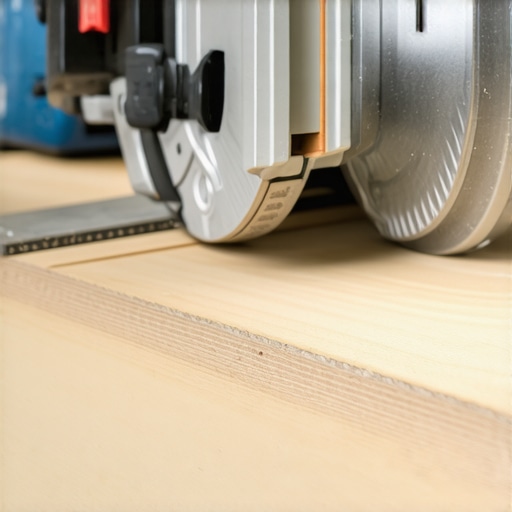
Test Fit and Adjust as Necessary
Before nailing, dry-fit the pieces in the corner. If gaps appear, lightly sand the edges or trim the cut slightly to improve fit. Use a scrap piece of baseboard to practice your cut if you’re unfamiliar with the process. During my first attempt, a minor sanding after the cut made the joint perfect, eliminating gaps that would have required extra caulking.
Join the Pieces Tight and Secure
Hold the two pieces at the corner and check the joint. For outside corners, the miters should meet at a crisp point. Use a rubber mallet gently if needed to encourage tight contact. Secure the joint with finishing nails, leaving the nail heads just below the surface for eventual filling. I like to sink the nails slightly and fill the holes with wood filler for a seamless look.
Final Touch-Ups and Sealants
After nailing, apply caulk around the exterior edges to fill any tiny gaps. Sand down any uneven spots and give the surface a clean, fresh coat of paint or stain. This final step ensures that your corner looks seamless and professional. Remember, patience during this phase turns rough cuts into elegant finishes.
Applying this systematic approach transforms outside corner mitering from a DIY nightmare into a straightforward task. Practice these steps, and soon you’ll have corners that fit perfectly without gaps or misalignments. For more advanced tips on baseboard installation, check out this latest trend guide.
While many DIY enthusiasts believe that installing showers, flooring, and trim is straightforward, closer examination reveals that most errors stem from overlooked nuances and misconceptions. For instance, a widespread myth is that grout sealing isn’t necessary if the installation is done perfectly. In reality, even the best grout can discolor or crack without proper sealing, as confirmed by tile expert sealing techniques. The crucial advanced nuance often missed is the importance of controlling moisture ingress after installation—failure to do so can lead to long-term damage that no warranty covers. Many assume that once the sealant is applied, the task is complete, but in fact, routine maintenance and inspection are vital for durability.
A common pitfall in carpet installation is relying solely on staple guns for securing the edges, neglecting proper padding re-stretching. This oversight causes ripple effects—lumps, wrinkles, and shortened carpet lifespan. The real secret lies in employing a power stretcher and knowing the right tension, as discussed in expert installation tips. Are you aware that even minor mistakes here compromise safety and comfort?
When installing flooring, many believe that substrate preparation is simply leveling. However, nuanced issues like microscopic unevenness can cause squeaks or buckling over time. An advanced mistake is ignoring the role of vapor barriers, especially under laminate or engineered wood—this omission accelerates moisture problems. According to industry research, meticulous preparation, including vapor mitigation, extends the floor’s life and maintains its appearance see detailed guide.
Baseboard installation seems simple yet carries nuanced errors. For example, many install baseboards without scribing accurately to uneven walls, leading to visible gaps and unsightly joints. The secret isn’t just cutting at 45 degrees but employing techniques like back-beveling within the miter cut, which creates tighter corners on irregular surfaces more details here. Ignoring the wall’s irregularities often results in more caulk and filler, compromising the crispness of your finish.
Have you ever fallen into this trap? Let me know in the comments. Mastering these advanced details not only elevates your craftsmanship but also prevents costly repairs down the line. Remember, every detail counts when aiming for a professional-looking finish in your home—don’t overlook the subtle techniques that make all the difference.
Investing in Quality Tools for Perfect Results
When it comes to maintaining and scaling your home improvement projects, having the right tools is crucial. I personally swear by a high-quality miter saw with digital angle adjustment features, which allows me to make precise cuts consistently, especially for complex baseboard corners. For measuring, a laser distance meter has become indispensable, providing quick and accurate readings that reduce errors and save time. Additionally, a corner scribing tool helps when dealing with uneven walls—making it easier to create snug fits without gaps.
Routine Maintenance Keeps Your Home in Top Shape
Regularly inspecting grout lines and sealing them with a good-quality grout sealer prevents stains and discoloration, extending the life of your shower tiles. For floors, periodic vacuuming and gentle cleaning prevent dirt accumulation that can cause long-term damage or squeaks in wooden flooring. I recommend reapplying sealant to vulnerable areas every couple of years and watching for signs of moisture infiltration, so small issues don’t snowball into costly repairs. For baseboards, checking that nails remain secure and filling any gaps with minimal filler keeps everything looking pristine and prevents drafts or pests from entering. Maintenance isn’t glamorous, but it’s the secret to sustained beauty and function.
Long-Term Gains from Proper Techniques and Tools
Investing in a good-powered knee kicker when installing carpet or a pneumatic nailer for baseboards makes a noticeable difference in the quality of your work and reduces fatigue. These tools ensure that every nail is driven deeply and securely, preventing future popping or loosening. When working on flooring, employing a vibration dampening underlayment not only prolongs the lifespan of the finish but also enhances comfort and reduces noise. Moreover, consistent use of proper tools diminishes the need for future repairs or touch-ups, saving you both time and money in the long run. As technology advances, I predict more homeowners will adopt smart home integrated maintenance systems, like moisture sensors that alert you early to leaks or structural shifts in flooring.
How Do I Maintain Shower and Floor Systems Over Time?
Maintaining your showers and flooring is an ongoing process. For showers, use a retractable showerhead with built-in filtration to reduce mineral buildup, and clean the drain with enzyme-based solutions monthly, which are gentler and more effective for long-term health of your plumbing. For floors, employing a humidifier during dry seasons prevents wood from warping, and periodically checking and replacing vapor barriers under laminate flooring ensures moisture remains at bay—preventing buckling or mold issues. Regularly inspecting these elements, combined with deliberate upkeep, guarantees they serve you well for years. A recent industry guideline emphasizes that proactive moisture management can double the lifespan of your flooring (source: [your guide to durable flooring installation](https://tilecraftsmens.com/your-guide-to-durable-flooring-installation-for-a-stylish-home)).
Upcoming Trends in Home Maintenance Tech
Looking ahead, I believe smart sensors for leak detection and automated cleaning systems will become standard in many households. These advancements enable early detection of issues and reduce manual effort, making maintenance less invasive and more reliable. Embracing these innovations now not only simplifies upkeep but also helps prevent deterioration, ultimately saving money and stress. For a practical start, try installing a moisture sensor under your bathroom’s shower area—it’s a small step that provides big peace of mind.
Remember, the key to keeping your home systems functioning smoothly is selecting the right tools and establishing a routine for inspection and maintenance. If you’re unsure about your setup or want personalized advice, don’t hesitate to reach out for professional guidance. Equipping yourself with these techniques and tools today ensures your showers, floors, and baseboards stay flawless mile after mile.
What I Wish I Knew Before Starting
One of the hardest lessons I learned was realizing that outside corners demand more than just standard 45-degree cuts. I used to rely solely on machine settings, but understanding the wall’s irregularities was a game-changer. A simple tip I wish I had known early: always double-check if your cut should be beveled slightly for a tighter fit—this saves hours of sanding and filling later. Trust me, small tweaks make a big difference in the final look.
Tools That Turn Flaws into Flawless Results
Having the right tools changed everything for me. A high-quality miter saw with laser guides ensures consistent angles, especially when dealing with unusual wall profiles. I also recommend a good corner clamp—it’s a small investment that keeps your pieces perfectly aligned as you nail them in. These tools helped me achieve professional-grade corners without the need for excessive filler or adjustments.
Patience and Precision Pay Off
Sometimes, rushing leads to misaligned joints and gaps. I’ve learned that dry-fitting first, then making minor adjustments, results in seamless corners. For uneven walls, employing back-bevels or scribing can accommodate imperfections, creating a tight, clean corner. Remember, taking your time during each step prevents frustration and ensures a home finish that lasts.
Curated Gems for Your Home Improvement Arsenal
For flawless baseboards and precise cuts, I swear by a good quality miter saw with digital angle adjustment features—it’s the backbone of my toolkit. A laser distance measurer offers quick, accurate readings that minimize errors, especially in rooms with irregular walls. For finishing touches, a flexible wood filler combined with high-quality caulk ensures your corners look immaculate. These tools and products really elevate the quality of your work.
Your Next Step in Creating Show-Stopping Spaces
Now that you’ve learned these insider techniques, it’s your turn to transform your space with perfect outside corners. Embrace patience, utilize the right tools, and don’t shy away from making small adjustments—those are the secrets to a professional finish. Remember, every successful project begins with the belief that you can master even the trickiest corners. So grab your saw, measure twice, cut once, and enjoy the satisfaction of a job well done.
What’s your biggest challenge when working on outside corners? Share your experiences below—I’d love to hear how you tackle this essential detail!