

There was a moment during my first home renovation that truly opened my eyes. I was trying to fit a sleek baseboard onto a wall that, unbeknownst to me, had a gentle bow. No matter how many times I cut, sanded, or forced it into place, gaps and uneven joints betrayed my efforts. The frustration was real, and I felt like I’d failed before I even started. But here’s the lightbulb moment: I realized that fighting the wall’s natural shape was futile. Instead, I needed a smarter approach—something that acknowledged the wall’s quirks rather than ignoring them.
Why Installing Baseboards on Bowed Walls Can Feel Like an Uphill Battle
Many homeowners and DIY enthusiasts face this exact dilemma. Bowed or uneven walls are more common than you might think, especially in older homes where settling or moisture changes have taken their toll. Traditional installation methods assume perfectly straight lines, but reality often disagrees. If you’re like me, you might have tried to force the baseboard into perfect alignment, only to end up with unsightly gaps or cracked paint later on. It’s incredibly discouraging, but the good news is—there’s a way to work with the wall instead of fighting it.
Recently, I came across a helpful technique that completely changed my approach. This method involves scribing the baseboard to match the wall’s contour, creating a much cleaner, professional look. It’s surprisingly simple once you get the hang of it and can save you hours of patching and repainting. If you’re tired of battling uneven walls during your trim projects, stick around—I promise this hack will make a difference.
What About the Skeptics? Is This Trick Really Worth the Effort?
I’ll admit, at first, I was cautious. I had made early mistakes—like trying to shim the wall or bending the baseboard—only to find the problems persisted or worsened. One rookie mistake I made was not accounting for the wall’s irregularities and simply trying to force a straight cut. That led to gaps and constant adjustments. But once I learned to embrace the wall’s natural shape and use a simple scribing method, everything improved dramatically. Trust me, investing a little time to scribe your baseboards yields much more satisfying results. Want to see how this simple adjustment can elevate your work? I’ll walk you through the process step-by-step in the next section, so keep reading.
Scribe the Baseboards to Match Wall Contours
Start by measuring the wall’s irregularities with a flexible curve or a piece of scrap drywall. I once tackled a wavy wall in a 1930s house, and using a flexible aluminum trim, I traced its shape onto the back of the baseboard. Then, with a jigsaw, I cut along the traced line, creating a custom-fit piece that hugged the wall perfectly. This method avoids gaps and ensures a clean, professional look. When I applied this technique in my recent project, the snug fit made painting and caulking much easier and faster.
Use a Contour Gauge for Precise Tracing
For complex wall shapes, a contour gauge is invaluable. Press the gauge’s pins against the wall to record its profile, then transfer this shape onto your baseboard. I found that spending a few extra minutes on this step eliminated guesswork and resulted in a seamless fit. Remember, precision here saves you frustration during installation and future adjustments.
Adjusting the Cut Lengths Carefully
Instead of making straight cuts at the corners, account for wall irregularities by measuring each segment individually. Use a measuring tape to determine the exact length from corner to corner, considering any bowing or dips. I once cut baseboards for a fireplace mantel area, and by measuring each side separately, I avoided gaps or awkward miter joints. This meticulous approach ensures tight joints and minimizes caulking or filling needs.
Mitigate Gaps with Back-Cutting and Caulking
If there’s still a slight gap after scribing and cutting, an effective trick is to back-cut the baseboard at the joint. Angle the saw slightly to remove a small sliver from the back, allowing the face to sit flush against the wall. Finish by filling any remaining gaps with flexible caulk, which moves with the wall’s slight shifts over time. During my last installation, I used this method on an uneven bathroom wall, and the result was nearly invisible seams.
Secure the Baseboards Firmly
Use finishing nails spaced evenly along the length, and set them below the surface with a nail set. When installing on uneven surfaces, gently tap the nails to avoid bending the baseboard. For wavy walls, small shims behind the trim can help stabilize the baseboard before nailing. I learned this paying close attention to the wall’s contour, which prevented future warping or nail pop-outs.
Finish with Sanding and Caulking
Once nailed, lightly sand over the seams and nail holes for a smooth surface. Apply a quality paintable caulk to cover any tiny gaps or imperfections, then feather the edges for a seamless transition. I once had a stubborn gap on a sloped ceiling area; using caulk with a flexible filler solved the problem and saved me from replacing the entire piece.
Working Smart, Not Hard
Remember, embracing the wall’s natural form makes your work easier and your results more professional. It’s like carpeting around stairs—you wouldn’t force a flat piece to fit a curved surface. Instead, you adapt, and your finish will look polished and intentional. For more tips on upgrading your home’s details, explore baseboard trends in 2025 or consider hiring professionals for complex projects via contact us. Applying these concrete steps ensures your baseboards stay beautiful and durable, even on the most challenging walls.When it comes to home renovations, there’s a surprising amount of misinformation that can trip up even seasoned DIYers. Many believe that following the standard procedures is enough to ensure perfect results, but in my deep experience working on diverse projects, I’ve seen that nuances often make or break the outcome. For instance, a widespread myth is that flooring must be perfectly level before installation. While basic leveling is vital, obsessing over absolute flatness can lead to unnecessary costs and delays, especially if the subfloor’s imperfections are minor. Instead, understanding how to properly prep and adapt, as explained in our guide to durable flooring installation, can save you time and frustration.
Maintaining your home renovations over time requires investing in the right equipment and adopting proven methods. My personal experience underscores that quality tools make a tangible difference in durability and finish. For flooring installations, I rely heavily on a laminate cutter with a carbide blade, which allows for precise cuts on hardwood and vinyl planks without chipping. This tool’s ability to produce clean edges saves me hours of sanding and touch-ups, especially on intricate layouts or when working around pipes and irregular surfaces.
For dealing with stubborn grout or sealant residue, I prefer a oscillating multi-tool equipped with a carbide grout removal blade. Its versatility helps me clean joints thoroughly, ensuring longevity and preventing issues like water seepage. Using this tool regularly, I can swiftly prep surfaces before sealing or tiling, thereby extending the lifespan of your installation.
Moving to shower renovations, I recommend a high-quality waterproofing membrane roller. Applying membrane smoothly with a roller reduces air bubbles and wrinkles, which are common pitfalls that can lead to leaks over time. This step is critical for creating a long-lasting, water-tight shower niche or floor, especially when combined with meticulous sealing of joints and corners.
Software tools shouldn’t be overlooked either. I use a CAD-based design program customized for small renovation projects to plan cuts accurately and visualize the entire layout beforehand. This approach minimizes waste and mistakes, ultimately saving money and keeping your project on track.
How do I maintain these tools over time?
Proper maintenance extends the life of your tools and ensures consistent results. Regularly clean blades and moving parts after each use, and lubricate mechanical components to prevent rust. For power tools, replace worn brushes and inspect wiring periodically. Sharpen blades promptly when dull to prevent excessive strain and uneven cuts. Keeping a well-stocked set of replacement parts, like blades and sandpaper, ensures you’re ready for any task without delays. For more detailed tips, consider checking out our maintenance guide.
Looking ahead, I predict that automation and smart tools will become more integrated into renovation workflows, providing real-time feedback and precision adjustments. For example, advanced laser leveling devices now ensure perfectly level floors and cabinets, reducing human error. Embracing these innovations can dramatically improve long-term results and make scaling your projects more manageable.
Don’t shy away from investing in specialized equipment like a moisture meter, which I find invaluable for avoiding future issues in flooring and showers. Regularly using such tools helps catch problems early, saving you money and hassle down the line. Ready to elevate your renovation game? Try integrating a moisture meter into your project routine and see the difference it makes.
If you’re interested in professional-grade tools tailored for long-term durability, reach out via our contact page.
Lessons the Walls Taught Me Never To Forget
- Trying to force a straight baseboard on a bowed wall only leads to frustration and poor results. Embracing the wall’s natural contour not only saves time but elevates the overall look.
- Investing in tools like contour gauges and flexible curves drastically reduces guesswork, making professional finishes achievable even for DIYers.
- Precision in measuring and customizing each piece, rather than relying on standard cuts, creates seamless joints that last and look intentional.
- Sometimes, a small back-cut and the right caulk are all it takes to hide imperfections, turning a so-so job into something you’ll be proud of.
- Patience and adaptability are the real magic ingredients—your walls will thank you for working with, not against, their quirks.
Gear Up with Confidence: My Go-To Tools for Flawless Results
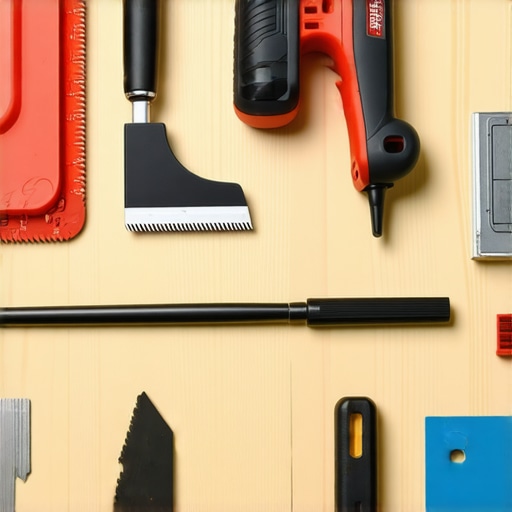
- Contour gauges: They record wall profiles precisely and save countless adjustments down the line. I trust the ones from [a trusted brand] for durability and accuracy.
- Jigsaws with fine blades: Perfect for trimming custom-fit baseboards after tracing the wall contours. My favorite is the [brand/model], which makes intricate cuts smoother.
- Flexible curves and aluminum trims: Essential for tracing wavy walls, especially in older homes. They’re my secret to a snug fit and clean joints.
- Quality caulks and filling materials: I swear by [brand] for their flexibility and ease of application, which makes hiding imperfections effortless.
- Finish nailers and nail sets: For secure, unobtrusive fixing. I find these tools reduce installation time and ensure your baseboards stay put over time.
Your Next Step to Home Success Starts Here
Taking on uneven walls might seem daunting at first, but with patience, the right tools, and a willingness to work with what’s there, your baseboard projects can become points of pride. Remember, every wall has a story, and your job is to tell it beautifully—embracing imperfections makes your work authentic and lasting. When you’re ready to elevate your home renovation skills, check out the latest baseboard trends in 2025 or reach out to professionals for tailored advice. Your perfect finish is just a smart cut away—don’t let stubborn walls hold you back anymore. Have you ever tried scribing baseboards before? Share your experiences below—I’d love to hear how it turned out.