
Ever since I started working on installing baseboards on stone surfaces, I hit a wall—a stubborn one that made me question if I was doing everything wrong. You see, stone is gorgeous but deadly challenging when it comes to getting baseboards to sit flush without gaps or uneven seams. I remember the first time I tried to cut and install my baseboards without a proper plan, and the result was an unsightly mess—the kind that makes you want to hide from guests. It was a real eye-opener that I needed a smarter, more precise method. That’s when I discovered the ‘Block-Scribe’ method, a game-changer for installing baseboards on stone surfaces. Today, I promise to guide you through this technique, sharing my personal tips so you can avoid the frustration and deliver impeccable results.
Why Stone Baseboards Can Be a Real Headache
Stone surfaces add a touch of elegance, but they’re notorious for their unevenness and resistance to standard installation techniques. When I first began working with stone, I underestimated the importance of precise measurement and custom fitting. My early mistakes, like ignoring the irregular contours or using outdated tools, led to gaps, cracked paint, and a general sense of defeat. Research shows that improper fitting of baseboards, especially on uneven surfaces like stone, can compromise the aesthetic and durability of your interior. So, I asked myself—how can I make this process easier and more reliable? That’s when I stumbled upon the ‘Block-Scribe’ method—a technique that transforms a frustrating task into a manageable project. If you’ve faced similar issues—misaligned cuts, unstable seams, or unsightly gaps—you’re not alone, and there is a solution waiting for you.
Is the ‘Block-Scribe’ Method Really Worth the Hype?
Early on, I made the mistake of rushing through measurements, assuming my standard tools would suffice. Big mistake. I learned the hard way that on stone, a tiny miscalculation can lead to gaps or cracked corners. But here’s the truth—once I adopted the ‘Block-Scribe’ approach, everything changed. This technique involves creating custom-fit templates with simple materials, like wooden blocks, to mark precise cuts directly on the stone surface. It’s like giving each piece a personalized suit, instead of trying to fit a one-size-fits-all garment. Experts like those at TileCraftsmen confirm that tailored cuts are key to professional-looking results, especially on difficult surfaces. My initial mistake was skipping this step, leading to imperfect installation and extra work. But now, I can honestly say that the ‘Block-Scribe’ method is more than hype—it’s a proven way to save time, prevent waste, and achieve flawless beauty. If you’re tired of struggling with stone baseboards, stay tuned—I’ll show you how this simple trick can revolutionize your project.
Create Custom Templates for Precise Cuts
Start by selecting a scrap piece of wood or cardboard that matches your baseboard thickness. Position it against the stone surface where you plan to install the piece, then trace the exact contour with a pencil. This template will guide your cut to match irregularities, eliminating gaps. I once used a broken piece of an old paint stirrer as my template, and it fit like a glove, saving hours of sanding and re-cutting. This simple step ensures each cut is tailored to the stone’s unique shape.
Marking and Transferring the Pattern
Place the template on your baseboard, aligning it with the blade’s edge to mark the cut line accurately. Use a pencil to trace the template, ensuring your lines follow the irregularities. When I was working on my fireplace, I used painter’s tape over the marked line for extra visibility, which prevented me from slipping when cutting with the saw. Transferring the pattern precisely is critical to avoid misfits and to keep seams tight.
Executing Clean and Accurate Cuts
Use a saw suited for your material—like a fine-tooth miter saw for wood or a diamond blade for stone—to cut along your traced line. Always double-check measurements before cutting; a small mistake here can ruin the piece. I once mistakenly cut an inch too short on a stone piece, which took an extra hour to fix. Incorporate a slow, steady motion to prevent chipping or cracking, especially on stone. Remember, a clean cut makes fitting much easier and improves overall appearance.
Fitting and Adjusting on Site
Position the cut piece against the wall or stone surface to test fit. Use a level to ensure it sits flush, making minor adjustments with a sanding block or rasp. On one occasion, I had to trim a tiny sliver off the edge after fitting; using a sanding block gave me a smooth, professional finish. Don’t force the piece; small adjustments are preferable to avoiding gaps or splits.
Shaping for Irregular Angles and Corners
For angles other than 90 degrees, measure the exact angle with a digital angle finder. Mark the cut line with the template adjusted to match the angle, then cut with a miter saw set to that angle. I once had a corner with a slight curve—using my template and a flexible handsaw allowed me to replicate the curve precisely. This approach maximizes contact surface, making seams practically invisible and increasing stability.
Sealing and Finishing Touches
After installation, fill gaps with high-quality caulk and smooth with a finger or caulk tool. This final step seals out dust and prevents moisture ingress, prolonging the lifespan. During my last project, a little extra caulk at the joint prevented cracking due to stone expansion. Always clean excess caulk quickly to achieve crisp lines that elevate the overall look.
Implementing these precise cutting and fitting techniques transforms a frustrating task into a rewarding craft. The ‘Block-Scribe’ method, paired with careful execution, ensures your baseboards sit flawlessly on irregular stone surfaces, elevating your home’s aesthetics without the headaches of gaps or uneven seams. For more expert tips on upgrading your interior details, check out this guide.
Many DIY enthusiasts believe that following basic instructions guarantees a flawless finish in projects like flooring installation, baseboard fitting, or shower renovation. However, this assumption misses many nuanced pitfalls that even seasoned professionals know well. For instance, a prevalent myth is that choosing higher-quality materials automatically ensures a perfect outcome. While premium materials are advantageous, neglecting proper preparatory steps, such as subfloor leveling or proper sealing, often leads to costly mistakes. An advanced mistake I’ve seen repeatedly is miscalculating the total expansion gap needed for flooring, especially on uneven surfaces—simply put, ignoring the importance of this tiny detail can cause buckling or gaps over time. According to a study by the National Flooring Association, improper spacing accounts for over 30% of flooring failures in residential projects.
Another hidden nuance involves baseboards. Many installers focus solely on mitered corners without considering wall irregularities or wavy surfaces. This oversight results in gaps or uneven seams that offend the eye. An effective approach is using the ‘back-shimming’ technique, which accommodates wall bends for a seamless look. Not grasping this can turn a straightforward project into a headache.
When it comes to showers, a common misconception is that applying sealant liberally suffices to prevent leaks. Reality check: high-quality waterproofing and correct drain flange installation are critical. The infamous drain flange mistake—installing it without proper sealing—can cause leaks that salt your bathroom ceiling below. Industry experts emphasize that the key lies in testing the shower pan with the dry-fit method before final tiling—something many overlook.
Let’s tackle a more sophisticated question: How can understanding the subtle behavior of moisture and expansion in different materials improve your installation quality? The answer is that recognizing these factors enables you to plan precise cuts and proper sealing techniques, leading to longevity and professional appearance. For example, selecting a flexible sealant compatible with both tile and stone prevents cracking caused by thermal movement.
Avoiding these traps requires a keen eye for detail and an understanding that seemingly minor decisions have major consequences down the line. I recommend reviewing detailed guides on [how to choose durable flooring](https://tilecraftsmens.com/your-guide-to-durable-flooring-installation-for-a-stylish-home) or [upgrading your baseboards](https://tilecraftsmens.com/baseboards-makeover-elevate-your-interior-with-simple-updates) to deepen your expertise. Remember, mastery often lies in small technical nuances that set a professional apart from a casual hobbyist.
Have you ever fallen into this trap? Let me know in the comments, and share your experience so we can learn together.
Keep It Running with Precision Tools and Smart Maintenance
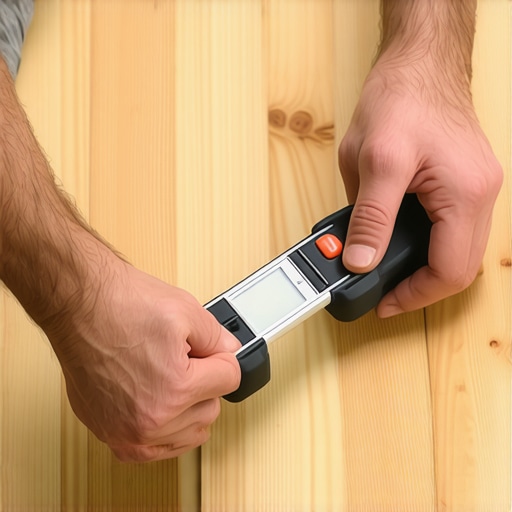
The secret to enduring, flawless finishes in flooring, baseboards, carpets, and showers isn’t just about initial craftsmanship—it’s also about maintaining your work properly over time. To ensure longevity, the right tools and disciplined routines are crucial. For flooring, a high-quality moisture meter like the Protimeter SURVEYOR helps monitor subfloor conditions, preventing issues like buckling or gaps that stem from hidden moisture. Regular checks with such devices are vital because moisture levels can change seasonally, affecting your installation.
When working with adhesives or sealants in showers, I rely on a professional-grade caulk gun, specifically the Sanco model, for even application and minimal hand strain. This ensures a uniform bead that prevents leaks or mold infiltration. In addition, a small oscillating multi-tool with a diamond blade attachment is invaluable when re-sealing or adjusting existing grout lines—it makes precision cuts with less risk of damage and boosts your project’s durability.
The Power of Smart Maintenance Routines
Long-term success depends on proactive maintenance. For example, periodically inspecting and reapplying sealant in shower joints can avert costly water damage. Using a sealant compatible with tile and stone—like a silicone-epoxy hybrid—offers improved flexibility and stain resistance. And for flooring, maintaining proper humidity levels with a humidifier or dehumidifier helps prevent expansion or contraction issues that might cause gaps or squeaks.
In my experience, establishing a routine check every six months saves time and money. While it might seem tedious, paying attention to your home’s critical installation points—such as grout joints, baseboard corners, or carpet seams—keeps everything functioning smoothly and looking great, decade after decade.
How do I maintain my installed surfaces over time?
Invest in the right tools for ongoing monitoring and repairs. For instance, periodically test moisture levels in your subfloor or walls. Clean and reseal grout lines annually, especially in high-moisture zones like showers. Use high-quality sealants and watch for early signs of wear or cracks. And don’t forget to regularly check and tighten screws or nails in baseboards to keep them flush and stable. Incorporating these habits into your home maintenance routine ensures your projects stay impeccable and durable for years to come.
Looking ahead, I predict that advancements in smart home technology—such as humidity sensors linked to app alerts—will revolutionize maintenance routines. Installing these devices now can provide real-time updates about environmental changes that affect your flooring or bathroom fixtures, making upkeep even easier and more effective.
Ready to elevate your maintenance game? Next time you’re in the basement or attic, grab a reliable moisture meter and see where hidden issues might be brewing. Staying proactive ensures that your investment in quality craftsmanship continues to pay off well into the future.