

You know that moment when you’re all set to revamp a room, but the stubborn old carpet glue on the concrete keeps ruining your vibe? I remember peeling up that old carpet, expecting a smooth process, only to be met with a gluey nightmare that refused to budge. It was sticky, messy, and honestly left me feeling defeated—until I realized there’s a better way.
Why Tackle Carpet Glue Fast and Efficiently?
Removing old carpet glue is more than just a chore; it’s the key to a flawless new floor. If left in place, the residual adhesive can cause uneven surfaces, trap moisture, and even lead to future flooring issues. Plus, working with dried, hardened glue can turn a simple project into a drawn-out battle. I learned this early on when I spent hours chiseling away hardened patches, only to damage the concrete beneath.
By addressing the glue prompt and properly preparing your surface, you’re setting yourself up for a successful installation—whether you’re laying down new carpet, tile, or hardwood. Trust me, taking the time to do this right saves you headaches down the line.
Is All Glue Created Equal? Does Removal Matter?
Initially, I thought all adhesives were the same, so I’d just scrape and hope for the best. Big mistake. Some glues, like those based on residual asphalt, are particularly tough and require specific methods for removal. I also overlooked the importance of using the right chemicals and tools, which made the job way harder than it needed to be.
Research shows that improper removal can leave residues that weaken new adhesives, compromising the entire flooring project. So, skipping proper prep isn’t just lazy—it’s costly.
Now that I’ve shared my early mistakes, let’s dive into the tried-and-true methods I discovered that will make this task way less daunting and much faster. Ready to transform that sticky concrete into a clean canvas? Let’s get started with the best strategies for removing old carpet glue effectively.
Prep Your Workspace for Success
Start by clearing the area completely, removing any loose debris, and masking adjacent walls and surfaces with painter’s tape to prevent chemical splashes. Wearing durable gloves and protective goggles during chemical application keeps you safe. I once worked on a tight laundry room, and masking the surrounding cabinets saved me from tedious cleanup afterward.
Apply a Commercial Glue Remover Effectively
Select the Right Product
Choose a solvent designed for older, stubborn adhesives—methylated spirits or a commercial adhesive remover often work best. Read the label for ventilation and safety instructions. I tested a few brands on a small patch first; the right product softened the glue without damaging the concrete.
Let the Chemical Work
Pour or spray the remover generously over the glue, ensuring full coverage. Allow it to sit for the recommended time, typically 15-30 minutes. During this period, the chemical penetrates and loosens the bond. I learned patience pays off; rushing can lead to incomplete removal and extra scrubbing.
Scrape the Glue with Precision
Use a sturdy putty knife or a floor scraper with a long handle. Position it at a shallow angle and push firmly to lift the softened adhesive. Avoid gouging the concrete. I remember gently working around edges, which prevented surface damage and made subsequent cleaning easier.
Use Mechanical Methods for Stubborn Patches
Employ a Power Grinder or Sandblaster
For residual or hardened glue, a concrete grinder equipped with a diamond cup wheel can be effective. Always wear a dust mask and eye protection. I once borrowed a friend’s grinder, and it significantly sped up the process—just be cautious to avoid over-polishing the surface.
Consider Heat Application
A heat gun can soften adhesives, making scraping easier. Keep the gun moving to avoid burning the concrete. Remember, heat works best on older glues. Once I used a heat gun, the glue crunched and peeled away much faster, saving me effort.
Clean and Inspect the Surface
After removal, sweep or vacuum the dust and remnants. Mop with a degreasing solution or concrete cleaner to neutralize any chemical residues. Inspect for uneven spots or remaining patches, and address them immediately. Proper cleaning prevents issues in the next flooring phase and ensures a smooth, bond-ready surface.
Protect and Prepare for Flooring Installation
If you plan to install new flooring, let the surface dry thoroughly. For concrete, a moisture barrier or sealant can prevent future issues. Well-prepared concrete, free of old glue, guarantees your new floor will last and look professional. For installation tips, visit this guide.
When undertaking home renovations like shower upgrades or flooring installations, many homeowners fall victim to misconceptions that can lead to costly mistakes. One prevalent myth is that peeling old adhesive or grout is straightforward; in reality, improper removal techniques can damage underlying surfaces and compromise the new finish. For example, relying solely on chemical solvents without proper preparation may leave residues, causing issues with adhesion or mold growth later. It’s vital to understand that each material and situation demands a tailored approach—what works for tile grout might not suit stubborn carpet adhesives.
Are You Overlooking the Complexities of Baseboard Installation?
Many assume that installing new baseboards is simply about cutting and nailing, but the truth is more nuanced. Achieving a seamless look, especially on uneven walls or with intricate corners, often requires techniques like scribing or flexible trimming. Neglecting these steps can result in gaps or wavy lines that ruin visual harmony. Additionally, the choice of fasteners and the sequence of applying caulk and paint play critical roles in longevity and aesthetics.
Why Do Many Shower Remodels Leak Despite Being Sealed?
Homeowners frequently believe that installing a shower pan and sealing it guarantees a leak-free result. However, the waterproofing process involves multiple layers, including proper slope, underlayment, and sealant application. Skipping steps like the envelope cut for shower floors or not applying the correct waterproofing membrane can cause leaks that damage substructures over time. In fact, a study published by the Building Science Corporation emphasizes that neglecting comprehensive waterproofing is a primary cause of shower failures. Always verify that your contractor employs a holistic approach to waterproofing, not just the visible sealing.
Beware of the Oversimplified View of Flooring Independence
Many think that flooring can be installed independently of underlying conditions, but subtle nuances like subfloor stability and moisture levels are often overlooked. For instance, failure to properly prepare a subfloor—such as uneven spots or trapped moisture—can lead to buckling, gaps, or squeaks down the line. Advanced mistakes include neglecting to acclimate materials and ignoring humidity fluctuations, which, according to flooring experts, significantly affect installation quality and durability. To navigate these complexities, consult comprehensive guides like this one on creating a spa-like shower experience or flooring installation tips for 2025. Have you ever fallen into this trap? Let me know in the comments.
Tools That Keep Your Renovation Projects Running Smoothly
Investing in the right tools is crucial for maintaining your flooring and fixtures over time. I personally swear by a high-quality oscillating multi-tool, like the Fein MultiMaster, because its versatile blades allow me to clean grout lines, cut away caulk, and perform delicate sanding without damaging surrounding surfaces. This tool’s precision saves me hours of work and prevents accidental damage, especially when working around delicate baseboards or shower niches.
Another must-have is a professional-grade moisture meter, such as the Tramex CME5, which helps me monitor humidity levels in concrete slabs and subfloors. Maintaining proper moisture balance is vital to prevent issues like buckling in vinyl or laminate flooring, and regularly checking ensures my investment stays protected.
Don’t overlook a good set of soft rubber mallets to gently nudge baseboards into perfect alignment without marring the finish. The right hammer prevents splitting or denting, especially on delicate trim pieces.
For cleaning, I rely on a durable microfiber mop paired with a gentle, pH-neutral cleaner designed for concrete and tile surfaces. Regular cleaning removes dust and chemical residues that can hinder adhesion or cause discoloration over time.
Feature-Rich Software for Project Maintenance
When it comes to managing ongoing home improvements, I use project management apps like Trello to track maintenance schedules, upcoming inspections, and warranty deadlines. This organizational approach ensures I don’t miss crucial tasks like re-sealing grout joints or inspecting shower drainage systems, which are essential for long-term performance. Digital records of tool warranties and receipts are stored securely using cloud services like Google Drive, simplifying future troubleshooting or upgrades.
Planning for Longevity and Scaling
Homeowners increasingly turn to preventative maintenance strategies, such as sealing grout annually or applying a rejuvenating topcoat to wood baseboards. With the advent of smart home integrations, sensors that monitor moisture or detect leaks can alert you instantly, preventing minor issues from escalating. I see this trend progressing, with AI-powered diagnostics becoming standard, making maintenance more proactive and less time-consuming.
How Do I Maintain My Floors and Fixtures Over Time?
Regular inspections are your first line of defense. Checking for signs of wear, loose tiles, or cracks allows for prompt repairs, extending the lifespan of your investments. For example, reapplying a sealant to grout lines every couple of years prevents water infiltration, which can cause structural damage. Consistent cleaning with appropriate products keeps surfaces looking fresh and prevents buildup of dirt or mold. Remember, small touch-ups now save considerable effort later. For detailed cleaning and sealing techniques, visit our guide on carpet and flooring maintenance.
Prepare to Scale Up: When Your Home Needs More
As your home evolves, your maintenance tools and routines should evolve with it. Modular tools and smart monitoring systems make it easier to manage larger spaces efficiently. For instance, upgrading to a robotic floor scrubber can cut down scheduled cleaning time, ensuring floors stay pristine with minimal effort. Staying ahead with scheduled inspections and proactive repairs ensures your home remains functional and beautiful, no matter how much you expand. For expert advice on scaling renovation efforts, explore additional resources or contact professionals who can tailor solutions for your property’s unique needs.
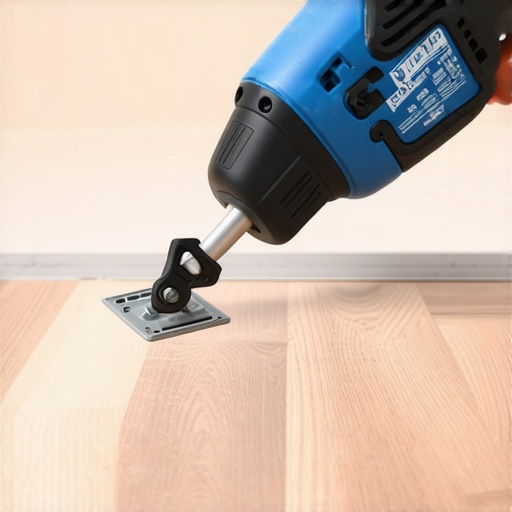 Once you’ve navigated the hurdles of carpet glue removal and flooring prep, you realize there’s a lot more beneath the surface—lessons that can save you time, money, and frustration on future projects. One crucial insight is that patience with chemical treatments and manual scraping techniques often yields the best results, but rushing can lead to surface damage. Additionally, prioritizing thorough cleaning and surface inspection before installation minimizes future issues like squeaks or lifting—trust me, skipping this step is a rookie mistake that’s costly in the long run. I also found that investing in the right tools, such as a quality floor scraper or moisture meter, dramatically elevates the precision and durability of your work. The biggest lightbulb moment came when I understood that each flooring type demands tailored preparation—what works for vinyl might ruin hardwood, so customization is key. Finally, mastering these prep steps transformed my confidence; now I approach each project with a clear plan backed by experience, ensuring flawless results every time.