

It was a frustrating weekend. I had just finished installing a beautiful new vinyl plank floor in my living room, only to discover that the seams refused to sit flush. No matter how much I pressed, tapped, or cajoled, they remained stubbornly uneven, glaring at me every time I walked by. That lightbulb moment hit—I realized I was missing a crucial technique that could have saved me hours of headache. Have you ever faced similar struggles with vinyl seams, feeling like you’re fighting a losing battle?
The Hidden Power of the Click-Lock Tapping Trick
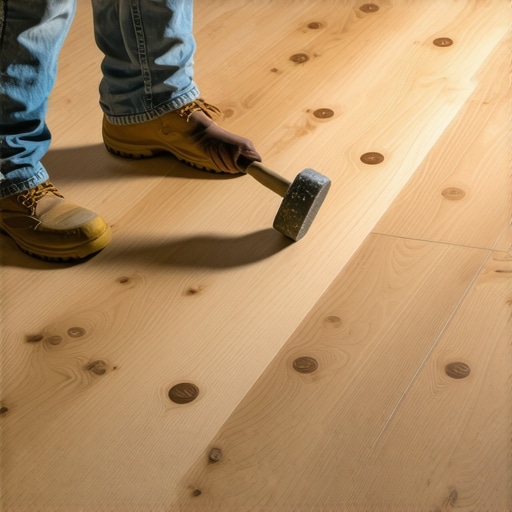
This is where the magic of the ‘Click-Lock’ tapping trick comes into play. It’s a simple, yet often overlooked method that can make your vinyl seams snug, tight, and virtually invisible. Early in my installation journey, I made the mistake of relying solely on my weight and brute force, thinking that more pressing would do the trick. Spoiler alert: it didn’t. But once I learned to use a rubber mallet with just the right tap, I noticed my seams came together effortlessly. This tip is so effective, I want to share it with fellow DIYers and pros alike. Whether you’re installing vinyl floors, perfecting baseboards, or sealing shower niches, mastering this technique can elevate your results.
Is Tapping Really Worth the Hype?
Honestly, I was skeptical at first. I thought, “How much difference can a few taps make?” But after my first successful use, I realized that the right tapping method can be the difference between a professional-looking finish and a DIY disaster. It’s a small step that yields huge results. But I also have to admit—I initially overlooked this trick because I was afraid of damaging the planks or creating uneven gaps. That’s a mistake I see many DIYers repeating. To truly succeed, understanding the right tools and techniques is key. For more expert tips, check out [transform your home with expert flooring installation](https://tilecraftsmens.com/transform-your-home-expert-flooring-installation-tips-for-2025).
Now, are you ready to learn how to confidently tap and lock your vinyl seams for flawless results? Let’s dive into the step-by-step process that turned my frustration into satisfaction.
Start with Proper Tools and Workspace
Choose a quality rubber mallet designed for flooring work—thin, soft-head mallets help prevent damage. Clear your workspace of debris, and lay down a clean, flat subfloor to ensure stability and prevent misalignment. When I replaced a stubborn row in my living room, I utilized a 16-ounce rubber mallet and a straightedge guide to keep my planks aligned, which minimized the need for repeated adjustments.
Identify the Correct Tapping Points
Focus on the tongue and groove edges of your planks. These are the contact zones where the tapping will create a snug fit. Imagine fitting puzzle pieces: gentle, deliberate taps are better than forceful pounding, which could cause chipping. Ensure you’re hitting the correct reinforcement zones—typically the tongue or groove—without striking the surface of the plank itself. I learned this when I accidentally tapped the face of a plank, exposing a hairline crack that I had to fix later.
Practice the Light Tapping Motion
Use small, controlled taps—think of it as giving a soft rap rather than a punch. This precision helps seat the seams tightly without risking damage. I once tried to use my full strength to close a gap, but it only resulted in a chipped edge. After that, I adopted a gentle tapping rhythm, which will be noticeable after a few hits as the planks settle together snugly.
Control Your Mallet Angle
Hold the mallet at a 45-degree angle to the seam—this preserves the integrity of the click-lock mechanism. Be cautious not to hit straight on, as this can cause the plank to move sideways or damage the locking mechanism. During my installation, maintaining the correct angle was the key to effortlessly locking the last few planks in a row, saving hours of tedious work.
Use a Seam Guide for Consistency
Place a straightedge or a carpenter’s level along the row to help guide your taps evenly across the entire seam. Think of it as a ruler assuring you’re not creating uneven gaps. When I installed in a larger room, this technique kept my seams aligned perfectly, giving the floor a consistent appearance and preventing unevenness at the joints.
Address Resistant Seams with a Rubber Mallet
If a seam refuses to close after initial tapping, don’t force it with your foot or excessive force. Instead, gently tap the seam with the mallet, focusing on tight spots. This approach helps seats the tongue and groove tightly without causing damage. I learned this when I encountered one stubborn seam; a few careful taps and it snapped into place smoothly, where previous attempts had failed.
Verify Seam Tightness and Alignment
After tapping, inspect the seam visually and run your finger along its length to feel for gaps or unevenness. Ensure the joint is flush and snug. During my first attempt, I over-tightened in some areas, causing the planks to bend slightly. Learning to balance the force was crucial for achieving a professional finish.
Incorporate This Technique into Your Routine
Consistently practicing the tapping method will make the process instinctive and improve your results over time. For more expert tips on flooring installation, visit this comprehensive guide. Remember, patience and careful technique are your best allies in mastering seamless vinyl seams.
 While many assume that choosing quality materials guarantees perfect results, the real challenge lies in the nuances of installation techniques that often go unnoticed. A widespread misconception is that straightforward methods suffice for professional-grade finishes, but seasoned professionals know that details matter immensely. For example, when installing baseboards, beginners often neglect the importance of proper miter angles—overlooking the fact that even a 1-degree discrepancy can lead to visible gaps and misalignments, especially on uneven walls. This seemingly minor oversight can be mitigated by mastering the magic of precise miter cuts and utilizing advanced tools like the small-angle jig, boosting both accuracy and aesthetics.
Are Common Installation Steps Misguided for Advanced Projects?
Many assume that simply following standard instructions ensures durability and visual appeal. However, experts argue that advanced projects demand deeper attention to substrate prep, moisture control, and settling allowances. For instance, in flooring installation, ignoring the role of controlled climate and subfloor leveling can lead to buckling, gaps, or warping later on. Research by the National Flooring Association highlights that improper acclimation and subfloor prep are among the top causes of failure in professional installations. So, don’t be lulled into complacency—delve into specialized techniques like moisture barriers and expansion gaps, which play critical roles in longevity and performance. Learn more about durable flooring techniques here.
Furthermore, many overlook the critical aspects of shower sealing and niche waterproofing. Using the wrong sealant or neglecting proper slopes can result in persistent leaks and water damage, costing you time and money. For a comprehensive upgrade, consider modern sealing systems and the latest waterproofing protocols—details that can make or break your bathroom’s longevity. Visiting this resource provides insights into cutting-edge practices that professionals rely on.
In all these scenarios, awareness of advanced techniques and avoiding common pitfalls elevates your work from amateur to expert level. Have you ever fallen into this trap? Let me know in the comments and share your experiences. Remember, understanding the small nuances can save you significant headaches down the line.
Keeping It Working: Essential Tools and Maintenance Strategies
To ensure your flooring, baseboards, and shower installations stand the test of time, investing in high-quality tools and adopting effective maintenance routines are crucial. Personally, I rely on a few specific pieces of equipment that have proven invaluable in my projects. For instance, a power grout float helps me apply and polish grout in showers seamlessly, ensuring a water-resistant and aesthetically pleasing finish. Similarly, a precision miter saw with a fine-tooth blade allows me to cut baseboard angles accurately, reducing gaps and improving overall appearance.
Maintaining these tools is just as important as using them. Regularly cleaning blades and replacing worn-out parts prevent inaccuracies and extend their lifespan. Using good-quality lubricants on moving parts keeps tools operating smoothly and reduces the risk of sudden breakages during critical moments.
For ongoing care of your installed surfaces, routine cleaning with pH-neutral cleansers preserves the integrity of finishes and prevents discoloration. Especially in moist areas like showers, adding a weekly vinegar solution can help prevent soap scum buildup and mold growth. Considering long-term results, scheduling annual inspections to check for early signs of wear or water damage can save significant repairs later. Catching a small grout crack or loose baseboard early ensures you maintain both functionality and appearance.
Looking ahead, the trend in maintenance tools is moving towards smarter, sensor-equipped devices that can diagnose issues before they become visible. For example, moisture meters integrated with Bluetooth apps can monitor subfloor conditions and alert you to potential water intrusion behind tiles or under floors—saving you from costly repairs down the line.
How do I keep my installations in top shape over time?
Developing a regular maintenance routine tailored to your specific projects is the best way to ensure longevity. Incorporate periodic inspections, quick repairs, and proper cleaning practices. When it comes to flooring, always be gentle when moving furniture—using sliders or corner protectors—to prevent scratching or gouging the surface. Similarly, sealers and caulks used around showers should be reapplied as needed; a venting check can help avoid leaks and water damage in the long term.
For baseboards, avoid over-reliance on nail guns alone; periodically check for loose seams or gaps, especially in humid environments. Applying a fresh coat of paint or stain can also refresh their appearance after years of use. Regularly verifying the water tightness of shower seals ensures no water escapes, which could compromise walls or flooring below. Remember, preventative maintenance is always more cost-effective and less stressful than reactive repairs.
If you want to achieve even more durable results, consider adopting innovative practices like applying moisture barriers underneath floors or sealing grout with advanced waterproof coatings. These enhancements don’t just extend the lifespan; they also keep your home looking pristine for years. For expert advice on making your flooring installations last, check out this guide on durable flooring techniques.
Don’t shy away from experimenting with proven tools like a suction cup lifter for moving heavy tiles or a laser level to ensure perfect alignment. Trying out one such tip can dramatically improve your results and save you time and frustration in future projects.
Looking to simplify your maintenance routine? Consider puzzle or modular components that are easier to reattach or replace when necessary. Technologies are moving quickly, and embracing these innovations now can keep your home in excellent shape long-term. Ready to take your DIY skills to the next level? Start by integrating a moisture meter or upgrading your grout sealer—small steps that deliver big results in maintaining your craftsmanship.Lessons That Changed My Approach to Flooring
One of the toughest realizations I encountered was how crucial proper tapping technique is when installing vinyl planks. I used to think that force was the answer, but I quickly learned that a gentle, targeted tap with the right tool makes all the difference. This lightbulb moment taught me patience and precision are the real keys to seamless seams. Additionally, I used to disregard the importance of maintaining the correct mallet angle, which led to misaligned planks. Now, I always hold my mallet at 45 degrees, drastically improving my results.
Another lesson I learned is the power of a well-placed seam guide. Relying solely on eyeballing can result in crooked joints, but a simple straightedge guarantees consistency and professionalism in lining up planks. Finally, I understood that addressing stubborn seams without excessive force prevents damage and saves time. A few subtle taps often do the trick, turning a frustrating installation into a satisfying achievement.
Tools That Make a Difference in Your Flooring Projects
Over the years, I’ve come to rely on a select set of tools that have transformed my installation process. A quality rubber mallet with a soft head is indispensable for gentle yet effective tapping—it’s gentle enough to prevent damage but powerful enough to seat the planks correctly. I also trust a laser level for ensuring straight lines across large areas, saving hours of correction later. A seam guide, like a straightedge, is another essential, helping maintain alignment and consistency throughout the project.
If you’re serious about quality, investing in a precision tapping block designed for vinyl installation can prevent chipping. Also, keep a set of fine-grit sandpaper handy to smooth out minor imperfections, which helps achieve that professional, flawless finish. These tools, combined with proper technique, ensure your flooring not only looks stunning but also lasts for years to come.
Your Next Step Toward Flooring Confidence
Now, it’s your turn to apply these insights and elevate your flooring skills. Remember, mastery comes from patience, attention to detail, and the willingness to learn from each project. Whether you’re installing vinyl in a small bathroom or a sprawling living room, these techniques and tools will set you apart as a confident DIYer or a meticulous professional. Ready to tackle your next flooring project with renewed confidence? Dive into more expert flooring installation tips available here and start transforming your space today.