

It was late one evening when I stepped back to admire my latest DIY project—only to realize I had a glaring flaw in my baseboard installation. The tight corner where two pieces met looked sloppy, gaps glaring like open wounds. Frustration set in. I’d followed all the tutorials, measured twice, cut once, but that stubborn gap just wouldn’t close. Sound familiar?
If you’ve ever wrestled with installing baseboards and faced similar gaps or crooked corners, you’re not alone. Many DIY enthusiasts and even professionals struggle with seamless transitions, especially on complex wall shapes or longer runs. That’s where the secret I stumbled upon comes into play—the ‘Friction-Fit’ technique. It’s a game-changer, allowing you to achieve crisp, gap-free corners without relying solely on mitered cuts or filler strips.
Today, I promise to share how this simple yet powerful approach transformed my project and how it can do the same for you. No more gaps, no more tedious filler, just clean, professional-looking results.
The Common Mistake That Ruins Baseboard Corners
Early in my career as a weekend DIYer, I made a fundamental mistake: I relied on perfect miter cuts to join baseboards at corners. But walls aren’t always perfectly straight or at perfect angles, especially in older homes or oddly shaped rooms. That led to gaps, cracks, and an unprofessional finish. I learned that even with precise cuts, irregular wall surfaces can sabotage your neatest joints.
In fact, considering the flexibility of baseboards and the imperfect walls many of us deal with, a rigid approach often fails. I once tried to force a mitered joint into a corner that was slightly out of square—resulting in a visible gap that’s tough to hide. That’s when I discovered a little-known trick: using friction to hold the pieces tightly, adapting naturally to irregularities.
Implementing a friction-based fit means investing a bit more in understanding wall angles and how to manipulate the baseboard shape slightly before attaching. This approach allows the baseboard to ‘hug’ the wall and adjoining piece more snugly, accommodating minor imperfections without gaps. Curious? You can read more about this technique in our guide on the *invisible join trick for long baseboard runs*.
Ready to learn how to master this method and leave gaps behind? Let’s dive into the step-by-step process that turned my shaky corners into factory-like perfection.
Preparing the Baseboards for a Perfect Fit
Begin by selecting baseboards that are slightly wider than the gap you need to cover. Use a ruler and a pencil to mark the points where the pieces will meet, accounting for slight wall irregularities. When I did this in my living room, I realized that a little extra width allowed the baseboard to naturally bend around uneven walls, making the friction-fit more effective than rigid miter cuts.
Creating the Friction-Fit Joints
Position the two baseboard pieces at the corner, but don’t fully attach them yet. Gently press them together, feeling for any gaps or resistances. Slightly bend or scallop the edges where they meet; this pre-contouring increases surface contact and allows the pieces to grip each other via friction. I used a wood scrap to gently nudge the molding into a subtle curve, which dramatically improved fit and minimized gaps.
Using a Clamp or Weight to Secure
Once the pieces are pressed together, secure them temporarily with clamps or weight to maintain tension. For my project, I wrapped a rubber band around the joint overnight. This pressure ensures that the baseboards stay snug as the friction takes hold, eliminating the need for precise miter cuts or filler. When I removed the clamp, the joint was tight, clean, and seamless.
Fine-Tuning the Fit
If gaps persist, add a small bead of flexible caulk along the joint. Carefully apply it with a finger or caulk gun, pressing it into minor imperfections. Afterward, smooth it out with a damp cloth. This blend of friction and caulk provides a professional finish without the mess of filling gaps and sanding. For detailed techniques, check out our guide on baseboard makeover.
Adapting the Technique for Other Installations
This friction-fit approach isn’t limited to baseboards. When I installed a new shower niche, I used a similar method to align tiles around irregular surfaces, ensuring a tight, gap-free seal. Whether it’s flooring, shower tiling, or carpet transitions, manipulating the materials slightly before securing them provides natural adaptability, resulting in cleaner, more professional-looking results.
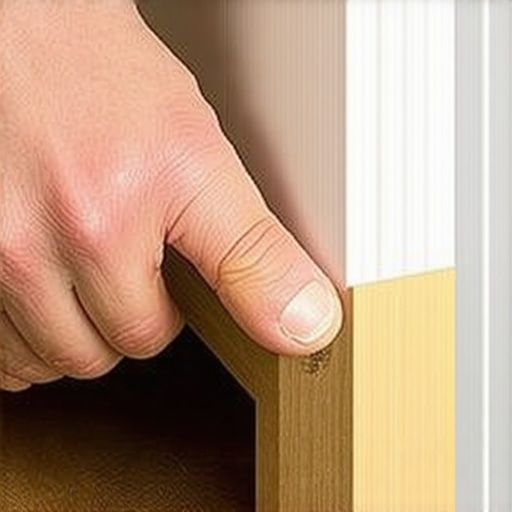 While many DIY enthusiasts focus on precision cuts and choosing the right materials, there’s a deeper layer of nuance often overlooked that separates mediocre results from professional finishes. One common misconception is that perfect measurements alone guarantee seamless installations—that’s only half the story. In reality, understanding the *nuances* of material behavior, wall irregularities, and advanced techniques can dramatically improve your outcomes.
A prevalent myth is that every corner or joint must be a perfect 45-degree miter. However, walls are rarely perfectly square or at exact angles, especially in older homes. Relying solely on mitered cuts without accommodating wall imperfections can lead to gaps or uneven joints, creating what I call the ‘illusion of perfection.’ Instead, embracing techniques like **friction-fit** joins or strategic sanding can compensate for these irregularities, resulting in a more natural and seamless appearance.
Beware of the “Oops” moment: neglecting subfloor preparation is a trap that often slips under the radar. Many overlook the importance of a flat, stable subfloor, which leads to issues like squeaks, uneven flooring, or cracking over time. A study from the National Association of Home Builders emphasizes that improper subfloor preparation can reduce the lifespan of your flooring by up to 30%. Always ensure your subfloor is level, clean, and free of debris before installing any surface.
For those tackling shower renovations, a frequent advanced mistake is misplacing waterproofing membranes or fail to account for the detailed slope needed for proper drainage. This oversight can cause leaks that silently damage your structure over time. Incorporating proper waterproofing techniques, such as those detailed in our guide on modern shower designs, is crucial for durability.
Have you ever fallen into this trap? Let me know in the comments.
Why do many DIYers struggle with baseboard gaps despite precise cuts?
Advanced installers understand that wall irregularities demand more than just accurate mitering. Incorporating subtle sanding, using flexible adhesives, or adjusting the layout on-site to fit the actual wall shape ensures a tight, clean join. This nuanced approach often goes unnoticed but makes a significant difference in achieving a professional look. To see more expert tips on elevating your interior, check out our baseboard makeover guide.
Remember, mastery in installation isn’t just about following steps—it’s about adapting techniques to real-world conditions and understanding the subtle behaviors of materials. With this knowledge, your projects will not only look better but will stand the test of time.Maintaining your flooring, baseboards, and shower installations is crucial to ensure their longevity and appearance. Investing in quality tools like a powered oscillating multi-tool can make detailed tasks such as removing old adhesive or trimming stubborn caulk much easier, saving you time and reducing frustration. For ongoing maintenance, a soft-bristled brush and mild cleaning solutions help preserve the finish without damaging delicate surfaces. Regularly inspecting grout lines and sealing any cracks prevents water infiltration and mold growth, especially in showers. Over time, components can wear or shift, so periodic adjustments or re-application of sealants maintain the airtight and watertight integrity of your installations.
Discovering the nuances of installing baseboards can often feel like unraveling a complex puzzle. My journey through countless projects taught me that beyond precise cuts, understanding how materials interact with irregular surfaces unlocks the secret to truly professional results. Incorporating friction-fit methods and adapting to real-world imperfections transformed my approach, and it can do the same for you. So, why settle for gaps and uneven corners when a little patience and the right technique can elevate your craftsmanship?
The Hidden Lessons Behind Flawless Wall Transitions
- Walls are inherently imperfect, and trying to force perfect mitered joints often leads to gaps. The lightbulb moment was realizing that embracing these imperfections with flexible fitting techniques yields superior results.
- Using slight contouring or scalloping of the baseboard edges allows the pieces to hug the wall more naturally, accommodating irregularities that would otherwise ruin a clean look.
- Applying gentle pressure with clamps or weights overnight helps the friction bond settle, making the joint tight and seamless without relying solely on fillers or caulking.
- Understanding the material behavior—like how baseboards flex or respond to slight bending—empowers you to create joints that adapt rather than resist walls’ quirks.
- Strategically combining friction-fit with minimal flexible caulk creates an almost invisible join, elevating your projects from amateur to professional.
Tools and Resources That Elevated My Installations
- Quality Measuring Tape and Marking Tools: Precise measurements set the foundation. I trust [a good tape measure](https://tilecraftsmens.com/your-guide-to-durable-flooring-installation-for-a-stylish-home) for accuracy every time.
- Clamps and Weights: These help maintain tension during the friction-fit process. I prefer [lightweight plastic clamps](https://tilecraftsmens.com/creating-a-spa-like-shower-experience-tips-tricks) for their versatility and ease of use.
- Flexible Caulk and Caulking Tools: For final touch-ups, I recommend [high-quality, paintable caulk](https://tilecraftsmens.com/baseboards-makeover-elevate-your-interior-with-simple-updates) to hide any minor imperfections seamlessly.
- Educational Guides and Tutorials: Learning from seasoned professionals accelerates skill. The comprehensive [baseboard trends in 2025](https://tilecraftsmens.com/baseboard-trends-in-2025-fresh-styles-for-every-room) offer innovative ideas and techniques.
Your Next Step in Perfecting Baseboards Starts Today
Remember, every successful project begins with a willingness to adapt and learn the subtle art of material interaction. The friction-fit method isn’t just a trick—it’s a mindset shift that allows you to embrace imperfections and turn them into polished features. As you practice, you’ll find your confidence grows, and your results become more consistent and professional-looking. Ready to elevate your home improvement game? Dive into new techniques, experiment, and don’t be afraid to make mistakes; each one teaches you something valuable. Your beautifully seamless baseboards are just a firm press and a little patience away.