

I’ll never forget the frustration that hit me after my new carpet was installed. I was eager to kick off my shoes and sink into that plush surface, only to be met with uneven, lumpy patches that made walking feel bumpy and uncomfortable. That moment was a lightbulb realization—something had gone wrong, and I needed to understand why my fresh, new carpet felt anything but perfect. If you’ve experienced that same uneven sensation, you’re not alone, and the good news is, there’s a solution.
The Hidden Reasons Behind Lumpy Carpets
Is Your Carpet Installation Truly Worth the Hype?
Early on, I made a mistake that many DIY enthusiasts or even some professionals might overlook: I underestimated the importance of proper padding and subfloor preparation. The cushion under your carpet, known as padding, plays a critical role in how smooth and comfortable it feels underfoot. If it’s worn out, misaligned, or incompatible with your floor, lumps and ripples can develop over time or even right after installation. Additionally, an uneven subfloor can cause your carpet to bunch or develop wave-like ripples, making the entire room feel less inviting.
A study by the Carpet and Rug Institute emphasizes that improper subfloor leveling is among the top reasons for carpet wrinkling and unevenness. I learned this the hard way when I skipped a crucial step—checking my subfloor for flatness—and paid the price with a lumpy, frustrating result.
Now, I always recommend paying close attention to your subfloor and padding. Proper installation isn’t just about the carpeting itself; it’s a three-part process involving subfloor prep, padding selection, and precise installation techniques. Keenly assessing these components can save you headaches and ensure your carpet feels as luxurious as it looks.
Are you unsure whether your carpet’s unevenness is due to installation mistakes or materials? If so, exploring deeper into advanced installation tips might be just what you need. For expert advice on achieving that flawless finish, check out this guide on carpet installation secrets.
Next, let’s dive into the practical steps to diagnose and fix your lumpy carpet, whether it’s a matter of adjusting the padding or leveling a wobbly subfloor. But first, tell me—have you ever faced the problem of a new carpet feeling more like a lumpy obstacle course than a comfy retreat? You’re not alone, and there are proven methods to restore smoothness and comfort to your floors.
Assess the Damage and Gather Tools
Start by inspecting your carpet to identify the uneven areas. Use a flashlight to spot ripples or bumps, and mark them with painter’s tape. Gather essential tools: a carpet stretcher, knee kicker, pliers, utility knife, and a hammer with nails or staples. Prepare your workspace to ensure safety and efficiency.
Loosen and Prepare the Carpet
Remove furniture from the affected areas. Carefully lift the carpet edges using pliers or a flat bar to access the seams. If the carpet is glued down, gently pry it loose. This step helps you access the padding and subfloor beneath, crucial for a permanent fix.
Inspect and Fix the Padding
Roll back the carpet to expose the padding. Check for wear, tears, or crumbling foam. Replace damaged padding with new thick, dense padding—this acts like a shock absorber and contributes significantly to a smooth feel. Secure the new padding with staples or adhesive, ensuring it lies flat and snug.
Level the Subfloor
If the subfloor is uneven, it creates ripple effects. Use a long straightedge or level to detect high and low spots. For minor dips, sand down the high spots or fill low areas with a leveling compound. For significant unevenness, consider installing a plywood underlayment: cut it to size, screw it down tightly, and ensure it is flush and level. This creates a smooth foundation for your carpet.
Stretch and Resecure the Carpet
Lay the carpet back onto the prepared surface. Use a knee kicker to stretch the carpet towards the edges, working from the center outwards. Attach the carpet to the tack strips or staples along the perimeter, ensuring no slack. Use a carpet stretcher for larger areas: position the device in the center, apply force to stretch the carpet evenly, then re-secure.
Trim Excess and Finish
Trim any excess carpet edges with a utility knife for a clean finish. Reattach baseboards if removed, using nails or a pneumatic nailer for a snug fit. Vacuum thoroughly to remove loose fibers and debris. This process not only smooths out the surface but restores your carpet’s aesthetic appeal.
Prevent Future Bumps by Maintaining Your Carpet
Regularly check for humidity issues that can cause padding to swell or contract, leading to ripples. Ensure furniture is placed on protective pads to prevent sinking or uneven pressure. Periodically re-stretch the carpet if needed, especially in high-traffic areas, to maintain a smooth, comfortable surface.
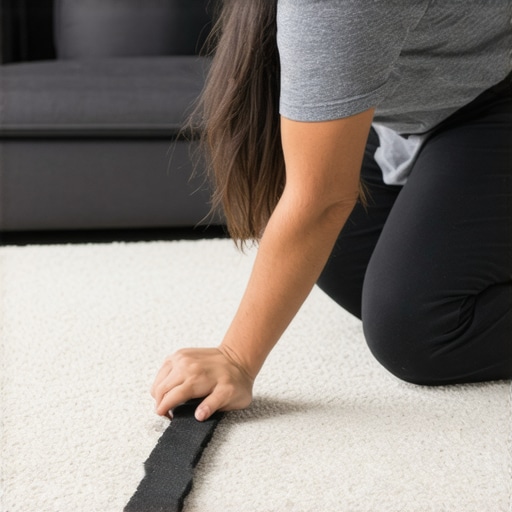 While many homeowners believe they know the basics of bathroom and flooring projects, there are nuanced pitfalls even seasoned DIYers and professionals often overlook. One prevalent myth is that a perfectly leveled subfloor isn’t critical, but in reality, improper subfloor preparation can lead to long-term issues like cracks, squeaks, and uneven surfaces. Advanced installers understand that subtle deviations—less than a quarter-inch—can cause ripple effects, especially in large rooms, emphasizing the importance of meticulous leveling using techniques like the plywood sandwich method or self-leveling compounds.
What Are the Sneaky Mistakes That Trip Up Even Experienced Craftsmen?
Many assume that applying sealant around shower niches or sealing grout after tiling guarantees a leak-proof install. In truth, improper sealing or neglecting to install waterproof membranes increases the risk of water intrusion and mold growth, which can cause costly damage over time. Experts advise using vapor barriers and ensuring proper slope with a dry pack mortar bed beneath tiles. This detailed attention is a cornerstone of durable, professional results. Furthermore, common misconceptions about baseboard installation—such as aligning corners visually rather than precisely measuring miters—can result in gaping joints or uneven miter cuts. Mastering techniques like the 45-degree cut for perfect corners or using wax paper templates can dramatically improve craftsmanship. Want to avoid these pitfalls? Check out latest baseboard trends and tips for stylish, error-free updates. When it comes to flooring and carpet installation, many underestimate the significance of expansion gaps and subfloor conditions. For instance, skipping space allowances for thermal expansion can cause buckling and buckling, especially in laminate and vinyl planks, as highlighted by industry research. Also, neglecting the importance of underlayment quality affects soundproofing and moisture resistance, making your investment vulnerable. A common mistake is stretching carpet without verifying padding integrity, which leads to ripples and early wear. Advanced installers always assess padding compressibility and subfloor flatness before stretching. Want to master seamless installation? Visit this comprehensive guide on carpet installation secrets. Think you’re avoiding these issues? Remember, even expert contractors double-check every step—because in these projects, perfection lies in the details. So, have you ever fallen into this trap? Let me know in the comments, and share your experiences or questions.
Maintaining your flooring and baseboards isn’t just about making sure they look good—it’s about ensuring durability and functionality over time. I personally rely on specific tools that help me achieve professional results and save time during future maintenance. One such tool I swear by is the power rollers. These are invaluable for applying even pressure when sealing grout or reattaching loose baseboards, preventing unsightly gaps or bubbles. For flooring inspections, a high-quality digital moisture meter is essential; it helps detect hidden moisture issues beneath the surface that could cause warping or mold growth if left unchecked.
When it comes to software, I recommend using project management tools like Trello or Asana. They help organize renovation timelines, track maintenance schedules, and remind you of seasonal checks—like inspecting for humidity or shifting subfloors. Staying organized means you catch small problems early, avoiding costly repairs later. Plus, regularly updating your inventory of tools and materials ensures you’re always prepared for maintenance tasks, whether it’s replacing a broken baseboard or leveling a minor floor dip.
How do I keep my flooring and baseboards functioning flawlessly over time?
It is crucial to adopt routine inspection routines: check for signs of moisture, warping, or damage quarterly. Seal gaps with high-grade caulking or sealants, especially around water-prone areas like bathrooms, to prevent water intrusion. For detailed guidance, exploring current baseboard trends provides insights into updating their appearance while ensuring they stay secure and functional.
In terms of long-term results, investing in quality materials, such as dense underlayment and moisture-resistant trims, significantly extends your floors’ lifespan. Regular re-stretching of carpet and re-sealing grout lines every few years will make daily upkeep easier and prevent major issues. As for scaling your efforts, consider modular tools like interchangeable blades for saws and multi-attachment systems for cleaning equipment—these adapt to various projects, saving space and cost. I predict that as smart home integration becomes more affordable, sensors monitoring humidity and structural shifts will be integrated into everyday maintenance routines, providing real-time alerts before problems escalate.
Remember, consistent care with the right tools keeps your home both beautiful and functional. Why not start by trying out a moisture meter to spot hidden issues early? In the future, expect automated systems to guide you through maintenance steps, making home care almost hands-free.
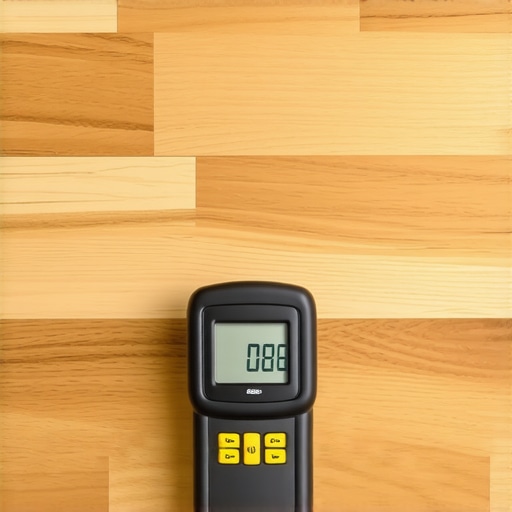
For example, using a high-quality moisture meter like the Tramex Moisture Encounter Plus can help you identify hidden water problems beneath flooring or behind baseboards, preventing costly repairs down the line. Regularly employing such tools ensures your renovation investments last for decades, reducing surprises and maintaining peace of mind.
The Hardest Lesson I Learned About Showers, Baseboards, Flooring Installation, and Carpet Install
One of the most unexpected insights I gained was how small details—like the angle of a miter cut or the choice of padding—can make or break the entire project. Rushing through these seemingly minor steps often leads to big headaches later, including uneven surfaces or visible gaps that distract from the overall aesthetic. Patience and precision are your best allies in achieving that perfect finish.
The Myths That Block Your Perfect Floors and Fittings
I used to believe that sealing grout around tiles was enough to prevent leaks, but I learned the importance of proper waterproofing membranes and slope. Similarly, I thought all baseboards could be easily mitered without measuring, which sometimes resulted in unsightly gaps. Challenging these misconceptions with expert techniques can elevate your craftsmanship and ensure lasting durability.
The Tricks Only Pros Know for Better Results
From using a chalk line for straight lines to employing a plywood sandwich for leveling floors, these insider tips transformed my approach. Applying a specific type of adhesive before installing baseboards or understanding expansion gaps in vinyl flooring saved me time and money, avoiding common pitfalls many DIYers fall into. Don’t overlook the power of small adjustments—your future self will thank you.
My Essential Toolkit for Flawless Installations
Over the years, I’ve come to trust certain tools that make all the difference. A high-quality moisture meter helps catch hidden issues beneath the surface, while a proper carpentry square ensures accurate cuts. I swear by a power stapler for securing carpet padding and a miter saw for precise, clean edges. Investing in these tools streamlines your workflow and improves your results, making your projects look professional every time.
Let Your Inner Craftsman Shine
Embarking on home improvement tasks like installing carpets, baseboards, or renovating showers can feel daunting, but remember—every expert was once a beginner. Celebrate your progress along the way, and don’t hesitate to seek out detailed guides and tutorials. Your dedication will turn your home into a reflection of your craftsmanship, blending style with functionality. Have you ever faced a stubborn project that taught you an unexpected lesson? Share your story below and inspire others to keep trying!