

Have you ever stepped into a room, only to be greeted by the unsettling sight of crooked baseboards or uneven wall joints? That was me, years ago, when I first tackled finishing a wavy wall with new baseboards. No matter how carefully I measured or cut, the end result was less than stellar—gaps, gaps, and more gaps. It felt like the walls had conspired against me. But then, I had a lightbulb moment: discovering the art of proper scribing for flush baseboards on uneven surfaces.
Why Wavy Walls Make Baseboard Installation a Challenge
Walls aren’t always perfectly straight, especially in older homes or rooms with settling foundations. When installing baseboards, this irregularity often translates into gaps at the bottom or a crooked appearance. Standard methods just don’t cut it. I used to think that precise cuts and brute force would fix everything, but that approach often led to more frustration and less professional results.
In my experience, the real trick is to adapt to the wall’s contours rather than fight them. Proper scribing—carefully marking and cutting the baseboard to match the wall’s uneven profile—becomes the hero here. It’s a skill that transforms a messy install into a clean, seamless finish, elevating your home’s look without costly wall repairs.
What to Expect When You Master This Technique
If you’re tired of crooked baseboards or visible gaps, stay with me. I’ll walk you through the ins and outs of the scribing secret, sharing personal tips and mistakes to avoid. This method isn’t just about aesthetics—it’s about saving time, money, and the headache of redo jobs. And if you’ve ever wondered whether this technique is worth the effort, I’ll also address some common doubts and how I overcame mine.
In fact, early on, I made a mistake that almost cost me the entire project: I assumed that marking the wall’s high and low points with a pencil was enough. But the truth is, walls vary in subtle ways, and a good scribe captures those nuances. Learning to use a scribing tool or a flexible template made all the difference. If you’re curious about other home upgrade secrets, I recommend checking out some stunning baseboard trends for 2025. They can inspire your next project.
Ready to tackle your uneven walls head-on? Let’s dive into the step-by-step process that turned my crooked baseboards into a masterpiece. Trust me, with patience and a few tricks, you’ll be amazed by how flush and professional your baseboards can look, even on the waviest walls.
Start with a Clear Wall Profile
Expose the uneven wall surface by removing any existing baseboard or trim. Use a straightedge or a level to identify high and low points. For my recent project in an older bungalow, I marked the high and low spots with a pencil, but later realized walls have subtle dips that require a more nuanced approach—with a flexible scribing tool or contour gauge, I highly improved accuracy. This initial step sets the foundation for all following cuts.
Measure and Mark Carefully
Place your baseboard against the wall, then lightly mark along the bottom edge at the high point. Use a contour gauge pressed against the wall to trace its shape onto the back of the board. Think of it like tailoring a suit to fit a crooked wall—every curve matters. In my first attempt, I didn’t account for these subtle curves, resulting in gaps. Now, I always take the time to trace the wall’s profile onto the board before cutting.
Transfer the Wall Profile to Your Cutting Line
Connect the marks smoothly, creating a scribe line that follows the wall’s contours. For irregular walls, connect high and low points with a series of gentle curves instead of straight lines. Using a flexible spline or batten as a guide helps keep the line consistent. I remember doing this on a staircase wall; sketching freehand led to uneven cuts, but 사용하는 simple spline made the process much smoother—and the fit much tighter.
Cut the Baseboard with Precision
Set your saw to 45 degrees if you’re mitering corners, but for scribing, a straight cut along your marked line usually suffices. Use a jigsaw or a fine-tooth hand saw for intricate curves. When I first tried this, I underestimated the importance of slow, controlled cuts—rushing led to jagged edges. Practice makes perfect: take small bites, adjust as needed, and verify the fit frequently during cutting.
Refine the Fit with Small Adjustments
After making your cut, hold the board against the wall to check the fit. Use a block plane or sanding sponge to gently modify the baseboard’s shape for a snug fit on tight curves or dips. In one case, I had to carve several minor adjustments along the length, like sculpting clay. These tweaks eliminate gaps and create that seamless, professional finish.
Secure and Finish the Installation
Once the fit is perfect, glue and nail the baseboard into place. When dealing with uneven surfaces, pre-drilling and using shorter nails help prevent splitting. Fill any gaps or nail holes with wood filler or caulk and sand smooth. Remember, the secret to a clean look is meticulous preparation—taking extra time to scribe and fit truly pays off, making your baseboards look built-in rather than added on.
For further insights into stylish updates, check out the latest baseboard trends for 2025 and see how these techniques integrate seamlessly into modern designs.
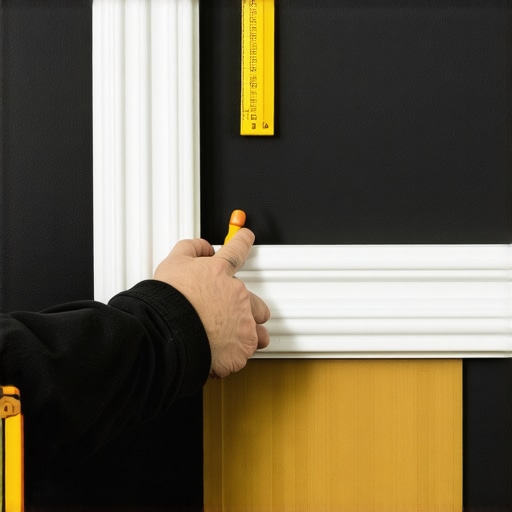
Many DIY enthusiasts and even seasoned contractors often fall prey to oversimplified assumptions about home installations. Common wisdom suggests that following standard procedures guarantees a flawless finish, but in my experience, neglecting certain nuances can lead to costly mistakes and subpar results.
Why Popular Myths Feel Safe but Can Backfire
For example, a widespread myth is that ensuring a perfect square corner is enough for shower tiling or baseboard miter cuts. The truth is, walls and floors rarely meet at perfect right angles, especially in older or irregular structures. Relying solely on these assumptions often results in visible gaps or awkward transitions. Many overlook the importance of *scribing* — a technique that allows your materials to adapt seamlessly to irregular surfaces. This advanced approach isn’t just for professional renovators but can dramatically improve your project’s quality.
I once made the mistake of assuming that a standard level bubble would catch all wall imperfections. Forgetting about subtle bowing or dips is a trap that’s common yet easily avoided if you understand the wall’s true contour. Using a contour gauge or flexible straightedge, as recommended by experts in home renovation, can help you capture even minor irregularities, leading to a more accurate installation. This practice prolongs the lifespan of your work and enhances aesthetic appeal.
What’s the real risk when ignoring these advanced nuances?
Ignoring these details can cause long-term issues like water leaks in showers, uneven flooring, or gaps in baseboards that collect dirt. For instance, improper handling of shower pan slopes, which often seems insignificant, can lead to drainage problems and mold growth. An article by industry specialists emphasizes that precise slope measurement and correct waterproofing are vital to preventing leaks that compromise your home’s structure over time. Don’t underestimate how small oversights here can cost thousands in repairs later.
Furthermore, not accounting for moisture fluctuations when installing flooring or carpet can result in buckling, gaps, or tears. Experts advise leaving appropriate expansion gaps and choosing materials suited for your climate, which many overlook. Failing to do so accelerates wear and diminishes comfort, turning an aesthetic upgrade into a frustrating nuisance.
How can applying this knowledge improve your next project?
Embedding these nuanced practices and understanding their importance sets apart amateurish results from professional finishings. Whether upgrading your shower with modern designs, as seen in luxury shower concepts, or ensuring your flooring and baseboards are flawlessly fitted, the devil’s in the details.
Remember, the key is patience and willingness to learn more obscure techniques, like precise scribing and moisture management. These aren’t merely tips—they are essential skills that elevate your craftsmanship.
Thinking about your next renovation? Don’t ignore these subtle but critical nuances. They can save you time, money, and stress. For the latest in stylish and durable finishing touches, check out baseboard trends for 2025. Have you ever fallen into this trap? Let me know in the comments.
Investing in Quality Tools for Long-Term Results
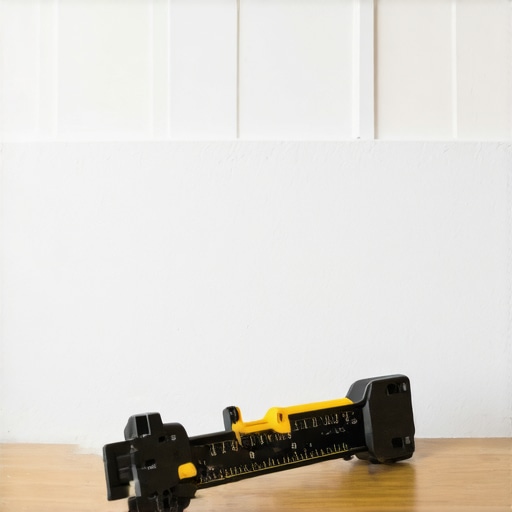
One of the most reliable ways to ensure your flooring, shower, or baseboards stay looking pristine is to use the right tools each time you work on them. My personal favorite for installing baseboards, for instance, is the DeWalt DW735 planer. Its precision blades and adjustable depth assist me in fine-tuning a baseboard to match those pesky uneven walls, saving hours of sanding and re-cuts. For leveling subfloors before flooring installation, I swear by the Rubi LevelMaster laser. It provides a 3D overview of the surface to identify dips or humps that might cause long-term issues like squeaks or gaps. When dealing with tiles around irregular surfaces, the The Tile Master Contour Gauge comes in handy, enabling me to trace perfect curves, ensuring a secure, professional fit every time.
Beyond tools, software plays a role, too. Modern apps like digital measuring tools and project planning apps help me visualize the scope, make precise measurements, and plan for expansion gaps, which are critical for long-term durability, especially with flooring or carpet installations. As trends evolve, I predict we’ll see more integration of augmented reality (AR) to preview home upgrades, making the planning process even more accurate and less stressful.
How do I maintain my installations over time
Maintaining your home finishes isn’t just about the initial install — it’s about ongoing care. For floors and carpets, regular cleaning with non-abrasive vacuum attachments preserves the fibers and prevents dirt buildup that can wear down materials prematurely. For baseboards and moldings, a quick wipe-down with a damp cloth every few months removes dust and prevents paint from peeling. When it comes to showers, I recommend resealing grout lines annually with a high-quality silicone or penetrating sealant, like the ones discussed in this detailed guide, to prevent water infiltration and mold growth. These small, consistent maintenance steps extend the life of your finishes and keep your home looking sharp.
Scaling up your home improvements for lasting beauty
As you grow more comfortable with these techniques and tools, you’ll find it easier to handle larger projects, whether installing new flooring in an entire basement or updating multiple bathrooms. The key to successful scaling is investing in versatile, durable tools like high-quality jigsaws and laser levels, which work across different materials and project types. Plus, adopting a systematic approach—measuring twice, cutting once, and verifying fit—ensures consistent results that stand the test of time.
Remember, combining these tools with thorough knowledge of techniques like proper moisture management or advanced scribing will keep your home projects flawless, long after the initial work is done. For example, maintaining a tight bead of waterproof sealant around critical areas prevents leaks and costly repairs down the line. Expert flooring tips also emphasize the importance of regular inspections to catch issues early, saving you time and money.
Try integrating one new tool or maintenance habit this month—like using the contour gauge for your next baseboard project or resealing grout lines—and observe how it enhances the durability and appearance of your work. Over time, these small adjustments will compound into expertly maintained, beautiful spaces that you can enjoy for years to come. For ongoing inspiration and advanced techniques, I recommend exploring the latest trends in baseboard styling. Cheers to craftsmanship that lasts!
Overcoming the challenge of irregular walls might seem daunting at first, but with the right insights and techniques, you can achieve professional-looking baseboards that enhance your home’s aesthetic. One invaluable lesson I learned was the importance of patience and precise scribing—these steps make all the difference. I once rushed through a project, thinking standard cuts would suffice, only to end up with gaps and mismatched corners. That experience taught me to prioritize marking the wall’s contours accurately and taking time to fine-tune each cut, which ultimately saved me costly rework and frustration. Additionally, investing in quality tools like contour gauges and flexible straightedges elevated my craftsmanship, making the process smoother and results more consistent. Remember, every room’s wall surface is unique, and embracing those imperfections rather than fighting them is key to a seamless finish. By adopting these tailored strategies, your baseboard installation will not only look flawless but also stand the test of time—turning a common obstacle into an opportunity for skillful DIY mastery.