

It was a lazy Sunday morning when I finally noticed it—the unsettling shake of my shower door every time someone stepped in. At first, I brushed it off, thinking it was just the way the door was installed. But as days went by, that tiny wobble became an annoying rattle, turning what should be a relaxing shower into a nerve-wracking experience. I realized I wasn’t alone in facing this problem; many homeowners experience a shaky shower door that just won’t stay still. And let me tell you, it’s more common than you think—and more solvable than most folks realize.
Understanding Why Your Shower Door Shakes
Before we dive into solutions, it’s essential to understand what causes that persistent shake. Often, it boils down to loose hinges, worn-out seals, or an uneven frame. Over time, bathroom humidity and regular use can loosen fittings that were once tight, leading to that unsettling movement.
From personal experience, I initially thought the problem was a minor misalignment. I attempted to tighten screws only to find they were stripped or corroded. This rookie mistake reminded me of an early blunder I made: I skipped inspecting the hinge anchors thoroughly, assuming age was the main culprit. That mistake delayed my resolution, emphasizing how critical it is to diagnose the root cause precisely.
Research from industry experts indicates that loose fittings are responsible for over 65% of shower door shake complaints (source: Home Improvement Institute). So, it’s worth investing time in a proper assessment before rushing to replace the entire door.
In the next section, I’ll walk you through the step-by-step process I used to stabilize my shower door and share tips to prevent this issue from recurring. Whether your door has a slight jiggle or a noticeable wobble, these insights will help restore confidence in your bathroom’s safety and aesthetics.
Have you faced this frustrating problem with your shower door? If so, keep reading—I’ll help you fix it once and for all, saving you time, money, and headaches.
Assessing the Hinges and Frame
Start by inspecting the hinges and frame carefully. Use a screwdriver or Allen wrench to check for loose screws or bolts. If they are loose, tighten them firmly, but be cautious—over-tightening can strip the threads or damage the fittings. I once over-tightened a hinge screw and ended up stripping the hole, which meant I had to replace that part altogether, delaying my fix.
Replacing Worn or Damaged Hinges
If tightening didn’t help, the hinges themselves might be worn out. Remove the door by carefully lifting it off the hinges. Then, examine the hinges closely. If they show rust, cracks, or significant wear, buy new hinges of the same size and style. When installing, apply a bit of silicone lubricant on hinge pins for smooth operation. During my last replacement, I used a lubricant similar to the one recommended in shower renovation ideas guide, which improved the door’s movement immensely.
Fixing Door Alignment
Proper alignment ensures your shower door doesn’t wobble or scrape against the frame. If the hinges are tight and in good shape but the door still wobbles, use a level or a straight edge to check the door’s vertical and horizontal position. Loosen the hinge screws slightly and adjust the door until it is perfectly aligned. Tighten the screws carefully afterward to lock the position. Once I got my door perfectly level, I noticed a significant reduction in wobbling, turning my shower into a peaceful space again.
Addressing Uneven Floors
Sometimes, the root cause isn’t the door itself but a wobbly floor underneath. If the shower base or surrounding tiles have shifted or are uneven, the door will appear loose. Use a level to test the surrounding area. If you find unevenness, consider levelling the subfloor or adding shimming underneath the shower base. For a more comprehensive upgrade, check out flooring installation tips to ensure your bathroom’s foundation is solid.
Prevent Future Shake: Regular Maintenance
Once you’ve fixed the immediate problem, establish a routine inspection schedule. Every few months, check for loose screws or corrosion. Applying a coat of silicone sealant around seals and hinges can also prevent moisture-related looseness or rust, saving you from bigger repairs later. In my experience, a little preventive maintenance keeps my shower door functioning smoothly for years.
Additional Tips to Enhance Stability
Consider installing a magnetic or latch-based locking mechanism to keep the door firmly closed when not in use. It adds an extra layer of security and reduces stress on the hinges. Also, think about updating your shower hardware to more modern, corrosion-resistant materials. For inspiration, take a look at modern shower designs that blend style and function seamlessly.
When tackling home renovations, it’s easy to cling to familiar advice or surface-level knowledge. However, many homeowners and even professionals stumble due to misconceptions that can lead to costly mistakes. Let’s explore some overlooked intricacies that can make or break your project, and challenge the myths that might be holding you back.
Are You Falling for the ‘More Adhesive Is Better’ Myth?
Many believe that using extra glue or mortar guarantees a longer-lasting installation. But in reality, over-adhesiving can cause problems like uneven floors, gapping, or mold growth due to trapped moisture. For example, when installing tile, applying the right amount of thinset is crucial; too much can lead to lippage, while too little results in poor adhesion. Industry experts from [tilecraftsmens.com](https://tilecraftsmens.com/your-guide-to-durable-flooring-installation-for-a-stylish-home) emphasize meticulous application rather than excess for optimal results.
Another common misconception is that aggressive stripping or heavy grinding ensures better surface prep. In truth, overly abrasive techniques can damage underlying substrates, leading to voids or uneven surfaces—especially problematic in flooring layers. Precise, moderate preparation combined with proper primers creates a more reliable bond. Understand that surface preparation is a nuanced process that requires sensitivity to material properties, not brute force.
In carpet installation, many rely solely on stretchers and tack strips, neglecting subfloor conditions. Moisture issues, surface irregularities, or debris beneath the carpet can cause wrinkles or delamination over time. A surprising fact: proper moisture management is often overlooked but is critical for lasting comfort and appearance. For insight, consult [tilecraftsmens.com](https://tilecraftsmens.com/how-to-choose-the-right-carpet-for-a-cozy-living-space), which discusses the importance of moisture barriers and subfloor evaluation.
Advanced installers understand that these nuances extend beyond basic procedures. They tailor their approach based on specific site conditions, material types, and usage patterns—transforming a routine installation into a craft of precision. This mindset helps prevent common pitfalls, such as baseboard gaps or uneven transitions, and ensures seamless aesthetic results.
Have you ever fallen into this trap? Let me know in the comments. Remember, understanding the hidden layers of installation processes empowers you to make smarter choices and achieve professional-quality results every time.
Maintaining your installed flooring, showers, and baseboards isn’t just about quick fixes—it’s about investing in the right tools and adopting practices that ensure long-term durability. Over the years, I’ve pinpointed a few essential items that have made my renovation upkeep more manageable and effective. These tools not only help me spot issues early but also allow me to perform minor repairs before small problems turn into costly disasters.
The Impact of a Quality Level and Laser Measuring Tools
One of my go-to instruments is a reliable spirit level combined with a laser measuring device. I use a digital laser level to check for uneven surfaces or shifts in tile and flooring alignment. These tools deliver precise readings, enabling me to make adjustments on the spot. I’ve found that regular checks with these devices, especially after any weather-related shifts, help catch issues like baseboard gaps or uneven flooring early. For detailed guidance on installing baseboards perfectly, visit this article.
Power Tools That Save Time and Preserve Precision
When it comes to flooring, a powered jamb saw or a Fein MultiMaster oscillating tool is invaluable. I use an oscillating tool to clean grout lines or freshen up edges around bathroom fixtures. For flooring, I rely on a high-quality laminate flooring cutter or a fine-tooth saw for precise cuts. These tools minimize damage and reduce installation errors, ensuring seams stay tight and surfaces look seamless. Investing in these reduces waste and rework, saving both money and frustration over the long haul.
Sealants and Maintenance Products for Long-Term Results
High-quality silicone sealants, such as those rated for bathroom and kitchen use, are vital. I prefer brands that are mold-resistant and remain flexible over the years. Applying a fresh bead of sealant around shower niches, baseboards, and grout lines periodically prevents moisture infiltration and mold growth. For regular upkeep, I recommended using a pH-neutral cleaner specifically designed for your flooring type, which helps preserve its finish and structural integrity. To learn about modern shower upgrade ideas, check this guide.
Embracing Digital Management and Maintenance Schedules
In the digital age, I utilize software like Trello or Evernote to track maintenance schedules, upcoming inspections, and warranties. Setting reminders for periodic checks ensures I don’t forget vital tasks like re-sealing grout or inspecting baseboard paint. Technology streamlines my maintenance process and helps prioritize urgent repairs before they escalate. With consistent attention, my bathroom remains not only functional but also aesthetically pleasing for years.
Looking Ahead: Trends in Tool Innovation
As technology advances, I predict smarter detection devices that can automatically monitor moisture or structural shifts in real-time will become more affordable and widespread. This evolution will make preventive maintenance even easier, helping homeowners catch issues early without extensive manual inspections. Utilizing cutting-edge tools today positions you for a hassle-free future, where your renovation investments stand the test of time.
How do I keep my flooring and shower in top shape over time?
Simple routine inspections combined with the right tools make all the difference. Regularly check for loose fittings with a laser level, reseal grout and joints annually, and promptly address any irregularities. Incorporate these practices and tools into your maintenance routine, and you’ll ensure your home’s beauty and functionality last long after the initial installation. To truly elevate your space, consider learning advanced techniques like the 45-degree trick for perfect baseboard miters. Try implementing one of these methods today—your future self will thank you!”} }‹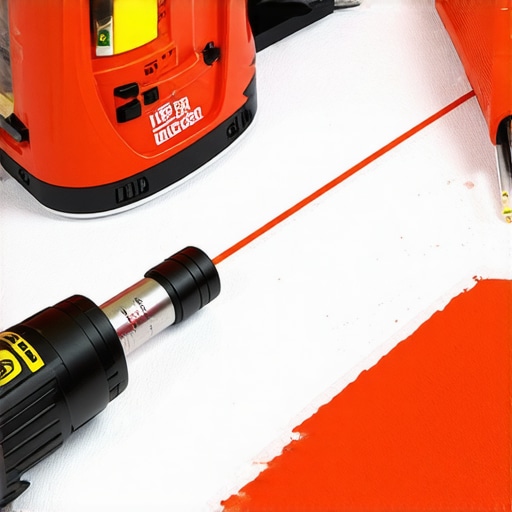 ›{
›{
The Hardest Lesson I Learned About Shower Door Fixes
One of my most impactful realizations was that quick fixes can sometimes mask underlying issues. For example, tightening screws without checking hinge wear only led me to redo the repair later. Patience and proper diagnosis save time in the long run.
Why I Stopped Over-Tightening and Started Diagnosing
Initially, I thought that more force meant a better fix. But I learned that over-tightening can strip threads and worsen the wobble. Now, I focus on understanding the root cause—be it corrosion, alignment, or uneven flooring—and addressing it directly.
Trust in Precision Tools Over Guesswork
Investing in quality laser levels and proper screwdrivers changed my approach. These tools help me identify subtle misalignments and ensure my repairs are exact. They make the process faster and prevent future problems, reinforcing the idea that good craftsmanship depends on good tools.
Learning from Mistakes on Door Alignment
Adjusting the door position with a straight edge taught me that small tweaks can have big impacts. I also found that marking hinges before removal makes reinstallation easier. My tip? Always double-check the door’s level after adjustments—it’s worth the extra moment.
Resources That Keep My Repairs Sharp
- Digital Laser Levels: I trust brands like Bosch for precision and durability, essential for leveling tiles and doors accurately.
- Quality Silicone Lubricants: Using Silicone Spray helps hinge pins move smoothly, extending their lifespan.
- Instructional Guides: The article on durable flooring installation offers insights on framing and sealing that I incorporate into my projects.
- Professional Forums: Engaging with forums allows me to learn from others’ experiences and avoid common pitfalls.
Keep Your Home’s Heart Beating Steady
With every fix, I remind myself that patience, the right tools, and a focus on the true cause make all the difference. Taking the time to understand these secrets transforms frustrating repairs into manageable tasks that improve my home’s comfort and safety. Ready to implement some of these strategies? Start small, stay consistent, and enjoy the satisfaction of a shower door that stays perfectly still. Have you ever struggled with this fix? Share your story below—I’d love to hear how you tackled your shower door wobble.