

I remember the moment vividly—staircase partially carpeted, I stepped onto a landing, and suddenly, I felt that unmistakable ripple. My heart sank. That’s when I realized—my carefully installed carpet was bulging, and it was only a matter of time before it worsened. Carpenters and DIY enthusiasts alike know the frustration of seeing a once-smooth staircase turn into a wrinkled mess. The very first time I faced this problem, I thought I’d made a mistake during installation, but it turned out there’s more to it than meets the eye.
The Hidden Culprit Behind Bulging Carpet Stairs
The reality is, bulging carpet on stairs isn’t just a cosmetic issue—it’s a sign something is amiss with the installation process or materials used. Over time, factors like inadequate padding tension, improper stretching, or subpar adhesives can cause the carpet to loosen and develop those unsightly ripples. But what’s worse is if you ignore this early warning sign, it can lead to tripping hazards or more costly repairs down the line.
Based on my experience and countless DIY projects, I’ve learned that the culprit often comes down to the stretching technique. Early on, I made the mistake of installing my carpet without properly stretching it tight enough, assuming that gravity alone would keep it smooth. Trust me—this is a rookie mistake that many fall into. Proper stretching and attachment are key, which is why I now recommend following proven methods like the one detailed in this guide on achieving flawless carpet installation.
Could Your Bulging Carpet Be Just a Fluke?
It’s natural to wonder if this bulging is inevitable or if it’s just bad luck. My answer: absolutely not. Many installers overlook critical steps, such as using the right padding or ensuring the carpet is properly anchored at every stair tread. An early mistake I made was heavily relying on staples without maintaining consistent tension, which is a common oversight. Remember, addressing these issues promptly can save you from a costly re-do and ensure your stairs remain safe and attractive.
So, if you’ve experienced similar frustrations, you’re not alone. The good news is, with a few adjustments and some expert tips, you can restore your staircase to its sleek, smooth glory. Next, we’ll cover the practical steps to fix and prevent bulging carpet on your stairs—straight from my own DIY successes and fails. Ready to tackle this head-on? Let’s go!
Stretch and Reattach the Carpet
Begin by removing any staples or tack strips that have loosened. Use a power stretcher for the best results—position it at the bottom of the staircase, attach the head under the carpet, and gently pull towards the top while pressing down. This technique ensures the carpet is taut across each stair. I once used a makeshift lever to stretch my carpet, which only worsened the ripples; investing in a proper power stretcher made a tangible difference, leaving the surface smooth and safe.
Secure the Carpet Properly
After stretching, reattach the carpet using staples or specialized staples along the treads and risers. Ensure the staples are driven in straight and evenly spaced—this prevents uneven tension that causes ripples. In my previous project, I relied on staples alone without consistent tension, leading to quick sagging. I learned that maintaining pressure during stapling is vital, especially at each connection point, to keep the carpet tight for the long haul.
Check and Adjust Padding Tension
Inspect your padding underneath. An over-loose padding can contribute to carpet ripples. Rip out and replace loose padding, stretching it tight before securing it with adhesive or staples. For my staircase, I replaced sagging padding with high-density foam, which helped keep the carpet firm and prevented further bulges. Think of this step like tightening a drum—both the padding and the carpet must be uniformly tight to produce a smooth surface.
Apply Strategic Adhesive or Carpet Tape
For extra hold, use carpet adhesive or double-sided carpet tape along the edges and at critical stress points. Apply carefully to avoid visible residue. During my last update, I used high-quality adhesive near the stair nose, which prevented any future movement. Wait for the adhesive to set as per manufacturer instructions before walking on the stairs to ensure the bond holds.
Prevent Future Ripples with Regular Maintenance
After fixing, periodically inspect your stairs. Tighter tension can loosen over time due to foot traffic or temperature changes. Re-stretch or re-fasten as needed. I made it a habit to check my stairs monthly, particularly after winter’s dry air causes contraction. Regular checks help catch problems early before they become significant safety hazards. For comprehensive guidance and tips on maintaining your flooring, visit this detailed guide.
< >Many homeowners and even seasoned DIYers often believe that flooring, carpet, and shower installations are straightforward tasks. However, beneath the surface lies a world of nuances that can make or break the final result. A common myth is that proper tools alone guarantee perfect installation, but in reality, understanding subtle material behaviors and installation techniques often determines success. For instance, with flooring, many assume that simply laying down tiles or planks will suffice; yet, neglecting factors like subfloor preparation or moisture control leads to issues like warping or cracking, as highlighted in expert guides on durable installation practices.
Why do some showers develop leaks despite perfect tile placement?
Often, the oversight isn’t in the visible aspects but in the hidden steps. Proper waterproofing, especially around niches and curbs, is crucial, and even a small mistake here can cause significant water damage later. A study published in the Journal of Building Engineering emphasizes that missing or improperly applying waterproof membranes is the leading cause of failures in shower renovations. Moreover, many overlook the importance of precise baseboard and trim installation. Achieving seamless corners and clean joints requires more than just cutting at right angles; techniques like scribing and custom miters, discussed extensively in baseboard trend articles, are vital. The trap many fall into is rushing through these steps, leading to gaps, uneven seams, and aesthetic flaws. When installing carpet, especially on stairs, inconsistent tension is a frequent culprit for ripples and wrinkles, as countless experts and tutorials point out. The misconception that staples alone will hold under tension ignores the critical aspect of stretching and securing at proper intervals. Without addressing these nuances, the work can quickly unravel, resulting in safety hazards and the need for rework. For advanced installers, being aware of material expansion and contraction due to temperature and humidity fluctuations can save countless headaches. For example, understanding the micro-expansion properties of vinyl planks helps in choosing the right gap allowances, preventing peaking or buckling over time. As you can see, mastering these details isn’t just about following steps—it’s about anticipating how materials behave and acting accordingly. Do you often skip these subtle steps? Share your experiences and let me know if you’ve fallen into this trap. For more insights on avoiding common pitfalls, check out our comprehensive guides on [creating a spa-like shower experience](https://tilecraftsmens.com/creating-a-spa-like-shower-experience-tips-tricks) and [transforming your home with expert flooring installation tips for 2025](https://tilecraftsmens.com/transform-your-home-expert-flooring-installation-tips-for-2025). Remember, paying attention to the hidden nuances can elevate your project from mediocre to professional quality.
Keeping It Functioning: Essential Tools and Maintenance Strategies
Achieving professional-grade results in flooring, carpentry, or shower installations isn’t just about the initial quality—it’s about maintaining those results over time. To stay ahead, I rely on a curated set of tools that ensure long-lasting performance and help me troubleshoot common issues quickly.
One indispensable instrument I use regularly is a tapping block and hammer. These tools are vital for vinyl plank installation, helping to close gaps seamlessly without damaging the planks. I personally prefer the Original Click Lock Tapping Block because its rubber surface prevents marks, making adjustments effortless and preserving the aesthetic integrity.
For carpet enthusiasts, power stretchers are non-negotiable. I invested in a high-quality model with adjustable arms—this makes stretching out loose carpet on stairs or hallways precise and strain-free. Proper tension is crucial for long-term durability; I make it a point to recheck tension every six months.
In shower renovations, marine-grade waterproofing brushes and rollers help me apply membranes evenly, especially around niches and curbs. An even coating prevents leaks and mold growth while extending the life of the installation. I find that using a specialized brush with flexible bristles gets into awkward corners, saving time and reducing leaks.
To keep everything in top shape, I use an infrared thermometer to monitor temperature fluctuations in rooms with hardwood or vinyl. Variations in temperature can cause materials to expand or contract, leading to gaps or buckling over time. Regular readings inform me when to adjust climate controls or re-seal joints, adding years of life to my work.
How do I maintain my flooring, showers, and baseboards over time?
The key is routine inspections. I recommend checking high-traffic areas monthly for signs of wear or looseness. Address minor issues immediately—re-stretch carpet edges, reapply sealant around shower tiles, or tighten loose baseboard nails. This proactive approach prevents small problems from escalating into costly repairs.
Looking ahead, I believe the trend will shift towards smarter tools—such as laser-guided stretchers and digital moisture meters—that make maintenance more precise and less labor-intensive. Embracing these innovations now can boost your proficiency and extend the lifespan of your work. For comprehensive tips on future-proofing your projects, consider exploring this forward-looking guide.
Don’t hesitate—try incorporating the tapping technique or invest in a quality power stretcher today. Small upgrades in your toolkit and routine can make a significant difference in the longevity and safety of your home improvements.
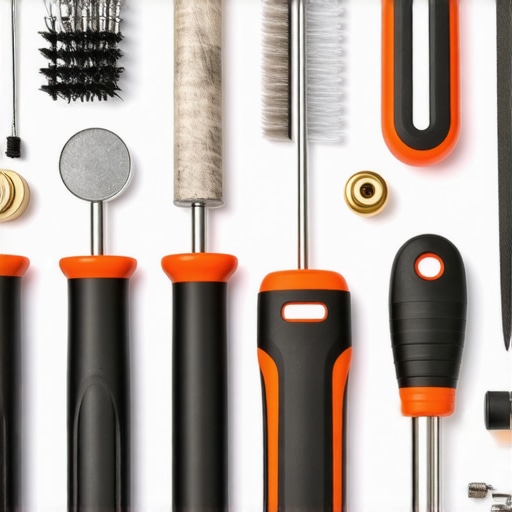
Remember, maintaining your flooring, shower, and baseboard systems is an ongoing process that pays off by reducing repairs and keeping your home looking pristine. Regular attention and the right tools mean your investment continues to shine for years to come.
What I Wish I Knew Before Starting
The biggest lesson I learned is that patience and attention to detail outweigh rushing through the steps. Initially, I underestimated the importance of proper stretching when installing carpet on stairs, which led to ripples and safety concerns down the line. Taking the time to correctly stretch and secure the carpet, as I now do with a quality power stretcher, makes all the difference. Similarly, in shower tiling, skimping on waterproofing can cause long-term water damage; understanding the critical nature of sealing niches and curbs early prevented costly repairs for me.
My Go-To Resources for Flawless Results
I rely heavily on trusted tools and guides, such as the carpet installation guide, which breaks down stretching techniques step-by-step. For tools, I swear by a professional-grade power stretcher and a high-quality tapping block, both of which ensure a smooth, lasting finish. When it comes to shower renovations, I consult waterproofing tutorials that emphasize the importance of proper membrane application—these resources have helped me avoid leaks and mold.
Keep Moving Forward with Confidence
Every project offers an opportunity to learn, and I encourage you to embrace the process. Whether you’re fixing ripples in your carpet or sealing a new shower, remember that meticulous prep and patience are your best allies. There’s an undeniable satisfaction in transforming your home with skills you’ve honed yourself—so don’t shy away from trying, experimenting, and refining your craft. If you have questions or need guidance, feel free to reach out through our contact page. Your home deserves your best effort; I believe in your ability to make it perfect!