

I remember the first time I tried to update my home’s baseboards—and hit a wall. The radiant heat pipes ran beneath the floor, hidden yet stubbornly demanding respect. I had this brilliant idea to install new baseboards directly over the old ones, thinking it would save time and keep things simple. But quickly, I realized that without proper technique, I was setting myself up for gap-filled corners, uneven lines, and worst of all, ineffective heat transfer. It was a lightbulb moment: the straightforward solution was anything but.
Why Adding New Baseboards Over Radiant Heat Can Be Trickier Than It Looks
Installing baseboards over existing radiant heating systems isn’t just a matter of nailing them to the wall. The key challenge is to ensure a snug fit that doesn’t impede heat flow or create unsightly gaps. When I first tackled this project, I underestimated the importance of preparation. The old baseboards were warped and uneven, and I didn’t account for the slight elevation change. The result? Cracks and misalignments that looked amateurish and compromised the system’s efficiency.
It turns out, many DIY enthusiasts and even some pros overlook these nuances. The reason? Beginners often jump straight into the installation without understanding how the radiant heat system influences wall conditions and finishing techniques. According to industry experts, improper baseboard installation over radiant heat can lead to issues like heat loss and damage to the baseboards themselves (source: [Tile & Flooring Magazine](https://tilecraftsmens.com/baseboard-trends-in-2025-fresh-styles-for-every-room)).
Now, I’m here to tell you that with a few smart strategies, you can elevate your home’s looks without sacrificing comfort or efficiency. We’ll dive into the must-know hacks to make this process smooth, quick, and professional-looking. Got you curious? Let’s start with how to assess your existing setup and prepare for a seamless install.
Assess Your Walls and Floors Carefully
Start by inspecting your existing wall surface for warps, unevenness, or old paint buildup. Use a straightedge or laser level to identify high and low spots. For my project, I once used a long level across the wall and noticed some dips that could affect the fit.
Handle Warped Walls Before Installing
If you encounter warps or dents, fill and sand these areas to create a flat surface. A quick tip is to use a self-leveling compound on minor dips, much like smoothing a cake batter — it helps achieve a seamless fit for your new baseboards.
Choose the Right Materials for Your Setup
Opt for flexible, moisture-resistant baseboard materials like MDF or PVC if your space has high humidity. I learned this the hard way when my first wooden bases warped over time, causing gaps and an uneven finish. Selecting materials suited to your environment extends durability and maintains a clean look.
Prepare the Installing Surface
Clear debris, dust, and old paint from the wall to ensure proper adhesion and tight fit. For existing paint buildup, lightly sand the surface to create a roughened texture for better grip. I always wear a dust mask during sanding to prevent inhaling fine particles.
Marking and Measuring Precisely
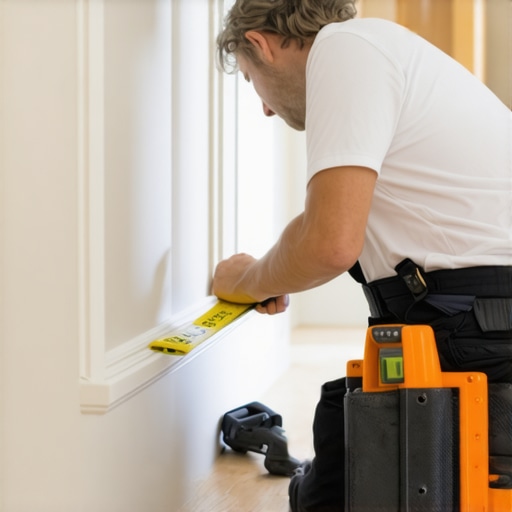
Use a tape measure and pencil to mark consistent heights along the wall, especially at door casings and corners. I found that marking points at regular intervals helps maintain a uniform line, preventing uneven gaps later. Double-check measurements at multiple points for accuracy.
Cutting Baseboards for a Tight Fit
Use a miter saw to cut the baseboards at 45 degrees for corners, ensuring snug joints. When butting against irregular walls, scribe the baseboard to match the wall contour. I once used a thin cardboard template to trace and cut around an uneven wall protrusion, which worked surprisingly well.
The Scribing Hack for Bumped Walls
If your wall is bowed or wavy, hold the baseboard flush against the wall, trace along its edge with a pencil, then cut along that line. This creates a custom-fit piece that conforms perfectly, eliminating gaps. It’s a technique I adopted after struggling with poorly fitting bases against curved walls.
Secure the Baseboards Effectively
Using a pneumatic nailer or finishing nails, affix the baseboard into the wall studs or solid framing points. For radiant heat areas, avoid nailing directly into heater pipes. Instead, find framing behind the drywall to secure the nails, preventing damage and ensuring stability. Once nailing is complete, countersink the nails for a neat finish.
Addressing Gaps and Transitions
If slight gaps still appear, fill them with flexible caulk or a flexible wood filler. For seamless transitions between sections, use a flexible, paintable caulk that accommodates wall movement without cracking. I’ve found that this technique maintains a professional look and prevents heat loss.
Finish and Paint for Lasting Results
After installing and filling gaps, prime and paint the baseboards with weather-resistant or primer-sealer paint for durability. When painting in a space over radiant heat, avoid excessively thick coats, as they can crack or peel over time. I prefer applying two thin coats for a smooth, lasting finish.
Remember, precise measurements, proper material selection, and careful fitting are the secrets to flawless baseboard installation over radiant heat systems. These steps will help you achieve an attractive, functional finish that lasts for years without gaps or damage.
 Many homeowners believe that installing or renovating these elements is straightforward—just measurements, cuts, and nailing. However, seasoned professionals know there are subtle pitfalls that can derail even seasoned DIYers. For example, many assume that a standard shower pan installation guarantees leak-proof performance—yet, overlooking proper flashing and sealing techniques often leads to costly leaks. According to industry experts, improper waterproofing is the root cause of most shower failures, which is why creating a spa-like shower involves detailed attention to niche waterproofing and proper slope for drainage. Dive deeper and discover why simple-seeming tasks hide complex nuances.
Considering floor and wall transitions, many rely solely on caulk to hide gaps, but flexible, high-quality sealants make a significant difference in durability and appearance. In flooring, a common misbelief is that underlayment isn’t essential for vinyl planks or laminate, but studies show that proper underlayment reduces noise, prevents movement, and extends lifespan—see our guide on [transforming your flooring](https://tilecraftsmens.com/transform-your-home-expert-flooring-installation-tips-for-2025). For carpet installation, many assume that stretching is optional—an oversight that leads to ripples and premature wear; professional stretching techniques ensure longevity and a smooth surface, as detailed in our [carpet secrets](https://tilecraftsmens.com/carpet-install-secrets-achieving-flawless-results-every-time).
When it comes to baseboards, a prevalent myth is that simply nailing them in place suffices. Yet, ignoring wall contours, especially on bowed or uneven walls, results in unsightly gaps. Scribing and shimming are crucial but often overlooked steps—embrace these advanced tricks for a flawless finish. Properly sealing all gaps with flexible caulk not only improves aesthetics but prevents drafts and heat loss. Don’t forget, materials matter: choosing moisture-resistant MDF or PVC in high humidity areas ensures your effort endures.
In all these tasks, the big mistake is underestimating the importance of preparation, precision, and advanced techniques. For the sophisticated DIYer or professional, knowing the hidden nuances—like proper waterproofing, material selection, or wall contouring—can dramatically elevate your results. Want to ensure your next project doesn’t fall into common traps? Visit our comprehensive guides or reach out through [contact](https://tilecraftsmens.com/contact-us).
Have you ever fallen into this trap? Let me know in the comments.Maintaining your home’s installed elements like flooring, showers, and baseboards requires the right tools and a strategic approach to safeguard your investment. Personally, I rely on precise, durable equipment that ensures quality results and helps detect issues early, saving time and costly repairs in the long run. One of my go-to tools is a digital moisture meter, which I use regularly to monitor moisture levels in subfloors and walls. This step is crucial because excess moisture is a silent killer for flooring and drywall, often causing warping or mold growth if left unchecked. Interestingly, industry standards—such as those outlined by the [Tile & Flooring Magazine](https://tilecraftsmens.com/baseboard-trends-in-2025-fresh-styles-for-every-room)—recommend using moisture meters with digital readouts for accuracy.
For a flawless shower or flooring installation, I swear by a quality rubber grout float and a notched trowel. These tools make precise material application straightforward, reducing waste and ensuring even coverage. Investing in a proper angle grinder also helps with cleaning up tile cuts, maintaining clean edges, and removing old grout without damaging surrounding materials. For larger renovation projects, I leverage software like PlanGrid to track progress, log maintenance schedules, and visualize future updates. These digital tools streamline workflow and help keep everything on schedule.
When it comes to tackling ongoing maintenance, regular inspection is key. For instance, checking for grout cracks or sealant deterioration in showers and baseboards should become a monthly habit. A good pair of LED headlamps can illuminate tricky spots, revealing issues before they escalate. If you notice cracks or leaks, addressing them immediately can prevent long-term damage. For example, I recently used a liquid membrane sealant around my shower niche (like the one described in our guide on [Creating a Spa-Like Shower](https://tilecraftsmens.com/creating-a-spa-like-shower-experience-tips-tricks)), which effectively prevented leaks. This simple upgrade saved me from future headaches that are common with waterproofing failures.
Looking ahead, I predict that smart home integration will become standard for home maintenance. Sensors capable of detecting water leaks, humidity fluctuations, or even structural shifts will alert homeowners early, enabling proactive repairs. Incorporating these smart tools will revolutionize how we care for our spaces.
How do I keep my installations performing well over time?
Routine upkeep is about more than just tools—developing a schedule for inspections, cleaning, and minor repairs can prolong the life of your floor and shower systems. For example, cleaning grout lines and applying sealant every year or two prevents dirt buildup and water infiltration. Additionally, replacing worn caulk or sealant promptly restores the barrier against moisture damage. Using high-quality, flexible sealants like those I mention in my [baseboard caulk](https://tilecraftsmens.com/the-flexible-caulk-trick-for-baseboards-on-hardwood) tips ensures flexibility and longevity.
Remember, investing in the right tools and knowledge-based routines is crucial. Try implementing a moisture check every six months or upgrading your sealant routine—small steps that lead to big long-term results. For tailored advice or to get hands-on support, don’t hesitate to reach out through our [contact page](https://tilecraftsmens.com/contact-us). Keeping your home’s elements in top shape is an ongoing process, but with smart tools and strategic maintenance, you’ll enjoy lasting comfort and style.
The Hard-Won Lessons from My DIY Journey
One of the most eye-opening lessons I learned was that overlooking wall contours can sabotage even the most well-planned baseboard installation. I once thought measuring twice was enough, but I didn’t account for bowed or uneven walls, which made my finish look sloppy and compromised heat efficiency. It taught me that adapting techniques—like scribing and shimming—are crucial for a professional look.
Another insight was material choice. I assumed standard hardwood was suitable everywhere, but in high-humidity areas, it warped and caused gaps. Switching to moisture-resistant MDF or PVC saved me from future headaches. This taught me that understanding your environment and selecting the right materials upfront can drastically improve long-term results.
Most importantly, I realized that prepping surfaces thoroughly before installation is often neglected. Simple steps like sanding off old paint buildup or filling dips with self-leveling compounds transformed my work from amateurish to polished. Attention to detail here pays dividends in both appearance and efficiency.
Tools and Resources That Keep My Projects On Track
- Digital Moisture Meter: This tool helps me catch hidden moisture issues before they cause damage, especially in walls and subfloors—saving costly repairs later. I trust it for its accuracy and ease of use.
- High-Quality Miter Saw: Precise cuts are non-negotiable for corners and joints. Investing in a reliable saw ensures my miters are tight and looks seamless. My experience has shown that cheap tools lead to mistakes and wasted material.
- Flexible Caulk and Sealants: Using the right sealants prevents gaps and maintains moisture resistance. I prefer paintable, flexible sealants that expand and contract with wall movement, keeping everything looking flawless over time.
- Online Guides and Tutorials: Resources like our latest trend guides offer insights into material choices and installation techniques—saving me from common pitfalls and inspiring creative solutions.
Your Next Step Toward Home Perfection
Remember, the key to achieving impeccable baseboards over radiant heat lies in patience, preparation, and willingness to adapt your approach. The satisfaction of seeing a clean, gap-free finish that’s both beautiful and efficient is worth every extra step. Embrace these techniques, and your home will reflect your effort and attention to detail for years to come. Want personalized advice or want to share your own tips? Visit our contact page—I’d love to hear your stories! Keep improving—your perfect home awaits, one detail at a time.