

I vividly remember the moment I tore into my first tile project—confident, hands full of spacers, ready to transform my bathroom. Fast forward a few hours, and I was staring at a crooked mess, grout lines skewed, and a sinking feeling that maybe I had bitten off more than I could chew. It wasn’t just about aesthetics; it was about the frustration of realizing that everything looked professional in my mind but turned out uneven in reality. That lightbulb moment made me realize that I was missing a crucial element in my tile process: the straight-edge secret that guarantees perfect alignments every time.
Why Most DIY Tile Projects End Up Crooked—and How to Change That
Small miscalculations can snowball into big headaches. It’s not just about making your space look good—it’s about durability, value, and the pride of a job well done. When I first learned about the “Straight-Edge” method, I discovered how a simple, inexpensive tool could make all the difference in achieving that perfectly aligned tile pattern. This technique elevates your craftsmanship from haphazard to professional-quality finish, saving you time and materials in the long run.
Is the Hype About the Straight-Edge Really Worth It?
Early on, I made the mistake of dismissing the importance of such precise tools, thinking I could eyeball the lines. Spoiler alert: I was wrong. That oversight led to wasted tiles and endless rework. According to experts at TileCraftsmen, using a straight-edge is one of the most reliable ways to ensure your rows stay perfectly straight—regardless of the complexity of your pattern or room shape. This simple tool helps you visualize your layout, make adjustments on the fly, and prevent those dreaded jagged lines that spoil the overall look.
Have you ever faced the sinking feeling of discovering your tiles are uneven after installation? Trust me, you’re not alone. But armed with the right technique and a bit of patience, you can avoid this common pitfall—and enjoy the satisfaction of a flawlessly tiled space.
Now, let’s dive into how you can master this secret and elevate your next tile project from average to outstanding. Whether you’re tackling a backsplash or a shower surround, these tips will make a tangible difference, and I’ll guide you step-by-step.
Set Up Your Workspace for Precision
Begin by clearing your area and gathering your tools—spacers, chalk line, level, and straightedge. I once started a shower tile project without a proper workspace, leading to hurried measurements and crooked lines. Instead, I now lay out everything beforehand, ensuring every tool is within reach. This initial step prevents rushed decisions that compromise accuracy.
Prepare and Mark Your Layout
Measure your space carefully, and snap a chalk line as a guide. Use a level to ensure your chalk line is perfectly straight. During a basement bathroom remodel, I used a laser level to double-check my chalk line, significantly improving the accuracy of subsequent tiles. Drawing precise grid lines provides clear reference points, reducing guesswork.
Use the Straight-Edge Effectively
Place your straightedge along your chalk lines before setting tiles. Lightly press it to confirm it aligns with your marks. When I first tried this, I noticed my tiles followed the straightedge, not my eyes. This technique acts as a physical guide, preventing subtle shifts that lead to uneven rows. Keep the straightedge stable as you apply thinset or mortar.
Applying Thinset for Stability
Mix your thinset to a creamy consistency, and spread it evenly using a notched trowel. Press your tile into mortar, ensuring it aligns with the straightedge. A micro-story here: I once had to replace a misaligned tile, and setting it directly against the straightedge with fresh mortar ensured perfect placement on the second try.
Check and Adjust as You Go
Regularly step back and verify the alignment using your straightedge. If a tile shifts, loosen and re-position before the mortar hardens. During my kitchen backsplash installation, I used a carpentry level to double-check my tiles’ straightness after every few rows, catching minor deviations early.
Use Spacers for Consistent Gaps
Place spacers between tiles to ensure uniform grout lines. I once saw a DIYer leave gaps to While many DIY enthusiasts focus on the basic steps of installing flooring, showers, or baseboards, there are subtle nuances that often slip under the radar, leading to long-term issues. One common misconception is that using standard tools and just following the instructions guarantees perfect results. However, even seasoned DIYers can fall victim to overlooked details that compromise durability and aesthetics. For instance, in flooring installation, neglecting proper subfloor preparation or underestimating moisture levels can cause warping or separation over time. Similarly, in shower renovations, omitting proper waterproofing or misaligning membranes may result in leaks that develop long after the project is complete. When it comes to baseboards, the mistake of ignoring consistent wall and floor unevenness often leads to gaps and crooked appearances, despite precise cuts.
A prevalent myth is that sealants and caulk can compensate for structural imperfections. In reality, relying solely on these can mask deeper issues that need addressing beforehand. This “oops” trap can lead to recurring maintenance problems and reduced aesthetic appeal. For advanced DIYers, understanding the importance of meticulous prep work, such as leveling subfloors or ensuring proper vapor barriers, is crucial. Ignoring these nuances may seem insignificant at first but can cause major setbacks later.
Ever wondered why some hardwood floors develop gaps between planks, or why shower tiles crack prematurely? The culprit often lies in overlooked prep steps or misjudged material compatibilities. For example, a study from the National Association of Home Builders emphasizes that preparation accounts for over 80% of a successful installation, highlighting how critical these hidden nuances are. Ensuring contact points are solid, materials are suitable for the environment, and tolerances are maintained makes a significant difference.
Regarding complex questions, many advanced practitioners ask: “How can I accurately anticipate and adapt to wall irregularities during baseboard installation without resorting to excessive scribing or caulking?” Addressing this involves techniques like strategic use of shims and flexible caulks, which accommodate irregular surfaces without compromising the finish. For more detailed strategies, check out [baseboard trends in 2025](https://tilecraftsmens.com/baseboard-trends-in-2025-fresh-styles-for-every-room) and consider how integrating these refined skills elevates your craftsmanship.
In conclusion, mastering the finer points of installation goes beyond the basic steps. Paying attention to subtle details and understanding common pitfalls can save you time, money, and frustration. Want to improve your skills? Dive deeper into [expert flooring tips for 2025](https://tilecraftsmens.com/transform-your-home-expert-flooring-installation-tips-for-2025) and start implementing these advanced insights today. Have you ever fallen into this trap? Let me know in the comments.
Keeping It Working: Essential Tools and Maintenance Tips
Achieving stunning flooring, showers, or baseboards isn’t a one-and-done task. Regular upkeep and the right tools are crucial to maintain the beauty and durability of your installation. From specialized cleaning equipment to simple repair kits, investing in quality tools ensures your work stands the test of time.
For flooring, I always keep a laminate floor repair kit handy. It contains color-matched fill sticks and small tools for fixing chips or scratches, which can prevent minor issues from escalating. Additionally, a high-quality vacuum with a soft brush attachment prevents dirt build-up without damaging delicate surfaces, extending the life of your floors. When it comes to hardwood maintenance, periodic refinishing with appropriate products keeps the gloss intact and protects against moisture penetration.
In my shower renovation projects, I rely on silicone smoothing tools for sealing and sealing caulk edges. Proper sealing not only improves aesthetics but also prevents water leakage that could weaken substrates over time. For baseboards, a flexible caulking gun helps me apply seamless, resilient joints that move with the wall and floor, especially in areas prone to expansion and contraction.
Long-term results depend greatly on these routine checks. I recommend establishing a seasonal inspection schedule: check for gaps, cracks, or moisture issues, and address them promptly. Using professional-grade cleaners suited for your material can make a noticeable difference in appearance and longevity.
How do I maintain my flooring and bathroom fixtures over time?
A strategic approach involves both proactive and reactive measures. Regularly cleaning with gentle, material-specific products prevents dirt accumulation and staining. Installing protective pads under furniture minimizes scratches and dents, especially on hardwood or vinyl floors. Also, inspecting grout lines or caulking for deterioration and refreshing seals ensures ongoing waterproofing, particularly around showers and tubs.
Looking ahead, I anticipate that smarter, sensor-based maintenance tools may become standard, alerting homeowners to issues before they escalate. Advanced moisture meters and automated cleaning devices will streamline upkeep, saving both time and money.
For a practical tip, try applying a sealant or grout enhancer to your grout lines annually. This can significantly improve water resistance, prevent staining, and extend the life of your tile work. Make maintenance a routine, and your investment in home improvement will keep on shining for years.
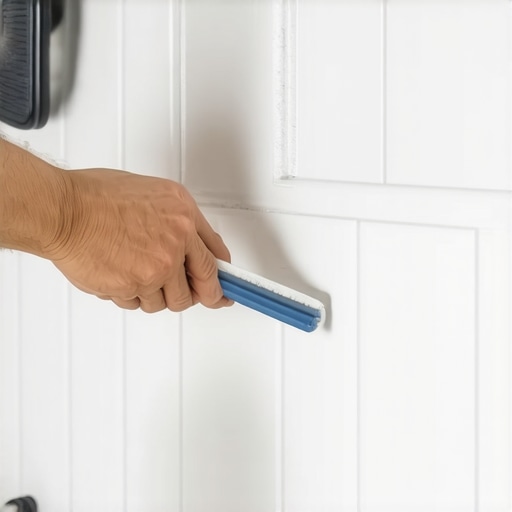
Over the years, I’ve realized that the true art of flooring and tile installation lies in mastering the subtle techniques that most overlook. The lessons I’ve learned through trial, error, and a lot of patience have transformed not only my projects but also my confidence as a DIY enthusiast. From understanding the importance of meticulous preparation to leveraging small tools for big results, these insights aren’t just tips—they’re game-changers.
What No One Tells You About Achieving Perfect Alignment
- Consistency is Key, but Why Are Your Lines Off? I used to rely on my eyes alone, which often led to crooked rows. The breakthrough came when I started using a straightedge as a physical guide, ensuring every tile followed a strict, visual line. This simple step saved me hours of rework and frustration.
- The Role of Proper Layout Planning Before setting tiles, I now spend extra time marking precise chalk lines and double-checking with a level. It sounds basic, but these fundamental steps create a solid foundation for the entire project.
- Using Tools Effectively The right tools like spacers, notched trowels, and straightedges aren’t optional—they’re essential. Investing in quality makes a noticeable difference in your final result, preventing misalignments that can derail your project.
- Dealing with Wavy Walls and Irregular Surfaces Don’t avoid the challenge; embrace solutions like shimming and scribing to ensure your surfaces remain even and your tile lines stay straight.
- Patience and Adaptability Even with the best tools, unforeseen issues will arise. The key is staying patient, adjusting your approach, and remembering that perfection is a process, not an instant achievement.
Elevate Your Toolbox with Trusted Resources
- Expert flooring tips for 2025: This resource has revolutionized the way I approach new projects, especially with innovative tools and methods tailored for modern homes.
- Trends in baseboard design: Staying current with design trends keeps your renovations fresh and aligned with contemporary aesthetics.
- Luxurious shower renovation ideas: Inspired my own bathroom upgrades, blending function with luxury seamlessly.
- Guide to durable flooring: Ensures longevity and beauty, so I don’t have to revisit the same project every few years.
Seize the Moment and Transform Your Space
Remember, mastering these subtle yet impactful techniques in flooring, tiling, and finishing touches can elevate your home beyond expectations. Don’t let uncertainty hold you back—each project is an opportunity to learn and improve. The confidence you build today will lead to stunning results tomorrow. So, are you ready to take the next step in your home improvement journey?
What’s been your biggest challenge when installing flooring or tiles? Share your stories below—I’d love to hear and help you find solutions!