

Have you ever stepped into your shower only to feel that unsettling splash of cold water creeping around your feet? Or maybe you’ve noticed standing water lingering post-shower, turning your bathroom into a mini pond? I remember the first time I dealt with a stubborn shower floor drainage issue—disaster strikes when your daily routine gets interrupted, and you’re left wondering if it’s a hopeless problem.
That lightbulb moment hit me hard: Drainage problems aren’t just about clogging or slow water flow. Often, they’re rooted in overlooked installation flaws, improper slope, or even tiny debris blocking the pipes. And let me tell you, tackling those issues without the right knowledge can make things worse. It’s frustrating, and believe me, I’ve been there.
Why Fixing Shower Drainage Can Save Your Bathroom (and Your Sanity)
Proper shower drainage isn’t just a luxury—it’s a necessity for maintaining a healthy, safe, and stylish bathroom. Inefficient drainage can lead to water damage, mold growth, and even structural problems over time. Plus, a well-functioning drain keeps your space smelling fresh and prevents that icky dampness that no one wants hanging around. According to the National Association of Home Builders, poor bathroom drainage contributes significantly to long-term home damage, costing homeowners hundreds in repairs.
If you’re tired of dealing with standing water or foul odors, you’re probably wondering: Can I fix this myself? Before you call in a plumber or rip out your shower pan, I want to share some simple, effective secrets I’ve picked up. These techniques are practical, affordable, and have saved me from costly renovations more times than I can count.
Is Your Shower Drain Really That Wacky? Or Am I Overreacting?
Early in my DIY adventures, I underestimated how crucial proper slope and drainage angles are. I made the mistake of assuming a clogged drain was the root cause, only to realize later that the underlying issue was poor installation—an error I now know many homeowners overlook. Trust me, understanding where your drainage might be failing is half the battle won. Want to learn how to identify these sneaky issues? Stay tuned, because I’ll walk you through proven strategies to fix them effectively.
Ready to restore your shower’s drainage and say goodbye to those frustrating puddles? Let’s dive into the five pro secrets that will transform your bathroom experience. And by the end, you’ll have the confidence to tackle this problem head-on.
.
Assess the Drainage Problem Thoroughly
Start by removing any visible debris from the drain with a pair of gloves. Use a drain snake or a vinegar and baking soda mixture followed by hot water to clear minor clogs. Remember, sometimes standing water indicates a poor slope or hidden blockage, not just surface debris. I once spent an afternoon pouring a vinegar solution down the drain, watching the gunk loosen, and then snaking out stubborn hair and buildup. This initial assessment saves time before more invasive steps.
Check the Plumbing Slope for Proper Drainage
Proper slope ensures water flows toward the drain naturally, similar to how a gentle hill guides rain into a gutter. Use a level or a smartphone app to measure the pitch of the shower floor. Ideally, the slope should be about 1/4 inch per foot leading to the drain. If your measurements reveal a flat or negatively sloped floor, concrete shims or a new mortar bed can re-establish the correct angle. I had a mini disaster when I realized the slope was off—my DIY fix involved combining quick-drying mortar and adjusting the tiles, leading to a much better water flow.
Analyze the Drain Pipe for Hidden Blockages
Disconnect the P-trap beneath the shower to inspect for clogs or buildup. Use a bucket to catch water, then clear out any debris with a brush or cloth. For deeper pipe issues, a drain auger can reach further into the plumbing lines. In my experience, a combination of a long drain snake and a power tool helped clear a stubborn blockage while avoiding costly plumbing repairs. Be cautious to reseal the connections properly afterward to prevent leaks.
Improve the Subfloor to Support Proper Drainage
The subfloor acts like the foundation in a building—if it’s uneven or compromised, drainage will suffer. Remove the shower pan or tiles carefully, then examine the subfloor for dips or soft spots. Use a level to identify uneven areas. If necessary, reinforce with plywood or self-leveling compounds. I once had to pour a self-leveling patch under the new mortar bed, which instantly improved the slope and prevented future drainage issues. Proper subfloor preparation is a crucial step often overlooked by DIYers.
Seal and Reinstall the Shower Floor for Longevity
Once the slope and plumbing are optimized, reinstall the shower pan or tiles using high-quality waterproof mortar and sealants. Ensure the drain flange is firmly secured, and apply waterproof membrane around the edges to prevent leaks. When I reinstalled my shower tiles, I used a flexible silicone caulk around the drain to accommodate slight movements and prevent cracking. Proper sealing not only improves drainage but also extends the lifespan of your shower.
Test and Fine-Tune the Drainage System
After reassembly, run water at full volume to observe flow. Check for any standing water or slow drainage spots. If issues persist, revisit the slope or clear remaining obstructions. Patience and detailed inspection ensure a lasting fix. I recommend pouring a bucket of water to simulate shower conditions; this method quickly reveals any weak points in the drainage system. Regular maintenance, like removing hair buildup, also keeps your drain flowing smoothly for years to come.
By following these steps—assessing, measuring, analyzing, modifying the subfloor, sealing thoroughly, and testing—you can restore proper drainage to your shower without expensive repairs. Remember, each home is unique, so adapt these techniques to your specific setup. Need professional help? Contact experienced specialists who can assist with complex plumbing or flooring adjustments. With patience and attention to detail, you’ll keep your bathroom dry, odor-free, and comfortable for years to come.
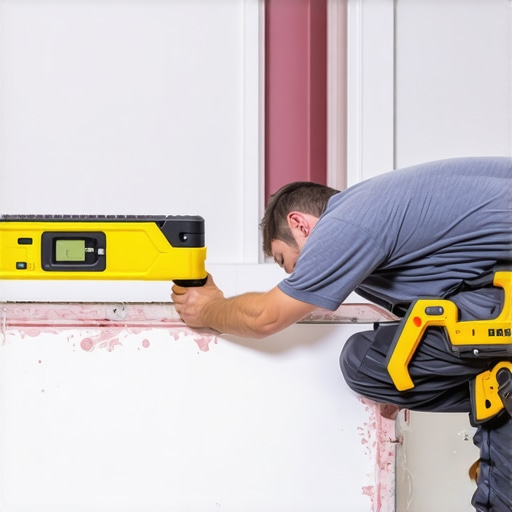 Many homeowners assume that installing a new shower or upgrading flooring is straightforward if they follow the basic instructions. However, I’ve noticed a recurring pattern among DIYers and even some professionals: they get caught up in surface-level details and overlook vital nuances that can make or break the project. For example, everyone emphasizes using waterproof tiles, but few realize the importance of the substrate’s preparation—skipping this step often leads to cracked tiles and leaks down the line. Proper subflooring and moisture barriers aren’t just accessories; they are the backbone of a durable shower or floor system. According to industry expert John Bridge, neglecting substrate prep can reduce the lifespan of your renovation by up to 50%, making early failure almost unavoidable.
Another common misconception surrounds the installation of baseboards. Many believe that painting or caulking sufficiently hides imperfections or gaps. In reality, details like the finishing techniques—such as micro-beveling edges or using backer rods—enhance both aesthetic appeal and longevity. DIY enthusiasts often ignore these skills, leading to cracked paint or gaps that peel over time. Moreover, the choice of material matters: opting for flexible caulks or sealants can accommodate wall movements, preventing cracks. Dive into trends with the latest baseboard styles to learn how to elevate your interior seamlessly.
When it comes to carpet installation, many assume that a perfectly stretched carpet doesn’t require precise padding beneath. But underneath lies a critical component that influences comfort, durability, and appearance. Low-quality or uneven padding can cause the carpet to ripple, form wrinkles, or wear prematurely. The secret is selecting the right padding density and installing it with the correct tack strips. For professional insights, check out carpet installation secrets that ensure a flawless finish every time.
So, what’s the biggest trap people fall into during these projects? It’s often a focus on the superficial—choosing trendy materials or shortcutting steps—which ultimately leads to costly repairs and dissatisfaction. Instead, paying attention to detailed preparation, precise measurements, and understanding the material properties can save a lot of headaches. For instance, slight differences in subfloor moisture levels or expansion gaps in tile layouts might seem insignificant but are crucial for long-term performance.
Have you ever fallen into this trap? Let me know in the comments. Remember, mastering these subtle but critical details elevates your DIY game from amateur to pro. If you’re ever unsure about complex aspects like substrate preparation or sealant choices, consult an expert. You can reach out here for tailored advice. The devil truly is in the details—embrace them, and your renovations will stand the test of time.When it comes to **maintaining the durability and beauty of your bathroom and flooring installations**, having the right tools and methods makes all the difference. From ensuring your tiles remain perfectly aligned to keeping your baseboards looking sharp over the years, quality equipment helps you achieve professional results and extend the lifespan of your renovations. In this section, I’ll share some of my favorite tools that have proven invaluable in my own projects, along with insights into their proper use and future trends in maintenance technology.
First, a **digital laser level** is indispensable. Unlike traditional bubble levels, laser levels project a permanent horizontal line across surfaces, ensuring even tile installation or baseboard placement. I rely on a model that offers cross-line projection and self-leveling capabilities; it saves me from tedious manual measurements and guarantees that my work remains true over long stretches. As technology advances, I believe laser levels with augmented reality features will become standard, aiding in real-time adjustments.
Next, a **high-quality grout float** isn’t just for applying grout; a flexible rubber float helps press the material into joints and remove excess for a professional finish. I prefer a float with ergonomic grip and beveled edges, making detailed work easier—especially around intricate mosaic patterns or tight baseboard corners. Regular cleaning of the float after use prevents grout from hardening and ensures longevity.
For flooring, I recommend **self-leveling compounds** with fast-setting formulas. Once you recognize uneven subfloors—like dips that cause vinyl or tile to crack—these compounds can correct imperfections quickly. I’ve used a premium silica-infused self-leveler that provides an incredibly flat surface, critical for long-term durability. Future innovations may include eco-friendly, quicker-drying formulas that reduce project timelines significantly.
In maintenance, a **rotary hammer drill** fitted with chiseling attachments is perfect for removing stubborn old adhesive or tile debris. Its power and versatility, especially when equipped with adjustable settings, enable me to tackle multi-layered stubborn materials safely. As tools become smarter, expect wireless models with Wi-Fi connectivity that can diagnose their own wear and notify you via smartphone.
Every successful renovation hinges on proper **protective gear**—think dust masks, safety goggles, and knee pads. I can’t stress enough how eye safety is often overlooked during tile or flooring work but is vital for long-term health.
Looking ahead, **automation and smart tools** are poised to revolutionize maintenance routines. Automated grout cleaning robots, moisture sensors embedded in subfloors, and AI-powered diagnostics for plumbing issues are just around the corner. Embracing these advancements now can streamline your projects and prevent costly failures.
**Pro Tip:** Try integrating a laser level with your next flooring project to ensure perfect alignment over large spans. It’s a game-changer for both small touch-ups and full-scale renovations. If you’re interested in professional-grade tools and expert advice, don’t hesitate to reach out here. Staying equipped with the best gear equips you for success in all your maintenance pursuits and helps your installations stand the test of time.
Throughout my DIY journey, I’ve uncovered some hard-won truths that transformed my approach to renovating bathrooms and living spaces. One lesson stands out above all: meticulous attention to the 작은 details can save you from costly failures and endless frustrations. For example, ensuring your subfloor is properly prepared might seem mundane, but neglecting it has caused me more headaches than any other step. The same goes for sealing tile joints—skimping here can lead to leaks years down the line. These revelations highlight the importance of patience and precision, especially when tackling complex projects like shower renovations or flooring installations.
Rare Lessons That Changed My Perspective on Renovation
- The devil is in the details: Overlooking tiny cracks in grout or gaps in baseboards might seem trivial, but they’re often the root of bigger problems like water damage or mold. I learned this the hard way when a small grout crack turned into a major leak—so now, I pay extra attention to these micro issues.
- Preparation beats quick fixes: Rushing through subfloor prep or ignoring moisture barriers might save time initially, but it costs much more later. Investing extra effort upfront, like using quality waterproof membranes, can prolong the life of your bathroom and flooring.
- Know your materials inside out: From understanding the nuances of different tile adhesives to selecting flexible sealants for movement-prone joints, mastering material properties is key. I once used a standard grout that cracked within months—switching to a high-quality, flexible grout made all the difference.
- Tools are game-changers: The right tools, like laser levels for precision or specialized tile cutters, make complex tasks much more manageable. Upgrading my toolkit improved my results exponentially and reduced stress.
- Patience is a virtue: Rushing projects often leads to mistakes. Taking the time to measure, double-check, and allow materials to set properly ensures a durable and professional-looking finish.
Sources That Elevate Your Renovation Game
- My favorite reference remains expert flooring installation tips, which provided me with foundational knowledge that lasted through multiple projects. It’s essential to rely on reputable guides that offer detailed insights beyond surface-level instructions.
- For understanding the specifics of shower niche waterproofing, I trust this resource on shower renovation ideas. It helped me avoid leaks and create a sleek, durable niche that stands the test of time.
- And when it came to selecting perfect baseboard styles, I looked into latest trends and tips—a game-changer for elevating interior aesthetics with straightforward updates.
- Finally, for carpet installation techniques that prevent wrinkles and ensure longevity, this guide became my go-to resource.
Seize your renovation opportunity today
Embarking on improved showers, flooring, or baseboards may seem daunting at first, but with patience, attention to detail, and the right resources, you can achieve professional results that last. Remember, the true secret lies in understanding your materials, preparing diligently, and taking your time—these are the habits that lead to success. If you ever feel overwhelmed or need expert guidance, reach out here. The journey toward a beautiful, durable home begins with small, confident steps. Have you faced challenges with any particular part of your renovation? Share your story below—I’d love to hear about your wins and lessons learned!