

It was a typical Saturday afternoon when I tripped over my dog’s squeaky toy, sending my cup of coffee flying onto the living room carpet. The stinging realization hit me—the small burn mark where the hot mug had made contact. In that instant, I felt a mix of frustration and determination. I didn’t want to spend hours calling contractors or replacing the entire carpet. Instead, I remembered a trick I’d read about—using an iron to repair small burns. That moment sparked my curiosity about this simple yet surprisingly effective method.
Why Fixing Carpet Burns Matters More Than You Think
Every homeowner or renter knows that carpets add warmth and comfort to a home. But accidents happen—hot tools, stray cigarettes, or even scalding spills leave behind unsightly burns that can ruin the look and feel of your space. If left unattended, those small imperfections can grow, making your carpet look ragged and worn far faster than necessary.
The truth is, repairing tiny burns promptly preserves your home’s aesthetic and extends the life of your carpet. I’ve seen countless cases where a quick fix prevented costly replacements. Plus, tackling these issues yourself can save hundreds—if not thousands—compared to outright replacement. And honestly, once you master this trick, you’ll feel equipped to handle minor damage without panic setting in.
But here’s the catch—I was guilty of making a rookie mistake early on. I assumed that any burn was beyond repair and just covered it with a throw rug or furniture. That only led to uneven patches and a patchwork look that was worse than the burn itself. It wasn’t until I stumbled upon a detailed tutorial—like this one from [TILECRAFTSMENS](https://tilecraftsmens.com/carpet-install-secrets-achieving-flawless-results-every-time)—that I realized the importance of a delicate, precise approach.
So, if you’ve ever faced a small carpet burn and wondered whether it’s worth fussing over or just accepting the flaw, I’ve got good news for you. Today, we’ll walk through a proven, easy-to-follow method that transforms a burned patch into a virtually invisible repair. Whether it’s from a hot iron, a misplaced cigarette, or that rebellious curling iron, this trick can save you time, money, and the hassle of replacing large sections.
Now, before we dive into the step-by-step guide, ask yourself—have you recently dealt with a similar mishap? If so, keep reading. You’re about to learn a technique that’s been a game-changer in my home repairs, and I believe it can be for you too.
Preparing for the Repair
Start by gathering your tools: a sharp utility knife, fine-grit sandpaper, a small amount of fresh carpet fibers or a patch, and an iron. I remember one time I used an old patch from a similar carpet to blend the repair seamlessly. Lay out your materials on a clean surface to keep everything accessible.
Assessing and Cleaning the Area
Carefully examine the burn to determine its size and depth. Use a vacuum to remove any loose fibers or debris, ensuring the area is free of dirt, which can hinder adhesion. I once rushed this step and ended up with a patch that didn’t bond well, leading to a quick re-burn. So, patience here is key.
Trimming the Damaged Fibers
Use the utility knife to carefully trim away any charred fibers around the burn. Create a clean, straight-edged square or circle, which makes the patching and blending process much easier. Think of it like trimming a toast crust to make a perfect sandwich—precision matters.
Creating a Patch That Fits
If you have spare similar carpet, cut a small piece slightly larger than the damaged area. Use fine-grit sandpaper to gently bevel the edges of the patch, which helps it blend smoothly with the existing carpet. I once had to piece together a patch from leftover carpet remnant—don’t forget to match the pile direction for a seamless look.
Applying the Iron Technique
Set your iron to a medium heat—no steam. Place a damp cloth or a bit of parchment paper over the patch to prevent direct contact. Press the iron gently onto the patch for about 10-15 seconds. The heat will cause the fibers to soften and meld with the existing carpet. It’s similar to how a steamer works on delicate fabrics—gentle heat, firm but brief contact.
Staying Patient During the Process
It may take a few attempts to get the fibers to blend perfectly. Remember, light and quick presses are better than trying to melt all fibers at once. During my first attempt, I pressed too hard and flattened the pile, but I learned to adjust my pressure. The goal is an even, plush surface that’s barely distinguishable from the rest.
Finishing Touches
After the heat treatment, let the carpet cool for a few minutes. Gently brush the area with a soft brush or vacuum to restore the pile’s natural direction. If remnants of the burn are still visible, consider using a fabric marker or dye to match the color, enhancing the camouflage. For a comprehensive overview, see these carpet repair secrets.
When it comes to home improvements, many people accept conventional wisdom at face value, not realizing that some of these beliefs are misleading or oversimplified. Let’s examine where common assumptions go wrong and reveal often-overlooked nuances that can make or break your project.
Why Everyone Gets Shower Renovations Wrong
A widespread myth is that choosing high-end tiles guarantees a luxurious shower. However, without proper waterproofing techniques—such as installing a reliable vapor barrier and pre-sloped floors—the investment can lead to leaks and mold issues. Many homeowners overlook the importance of the pre-slope and proper drainage, which are vital for long-term durability. According to industry expert TileCraftsmen, skipping this step is one of the most common mistakes in shower installations, resulting in costly repairs down the line.
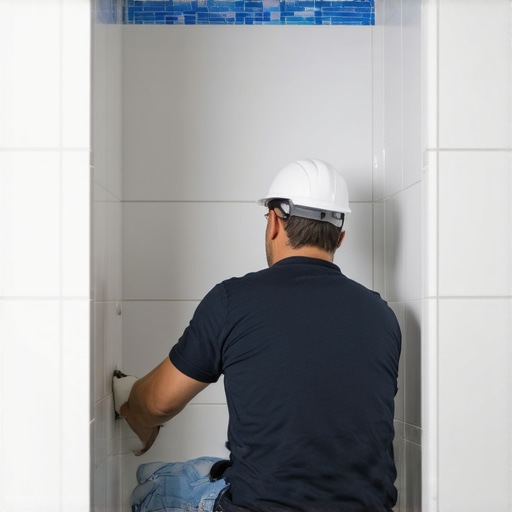
Image shows a cross-section of properly waterproofed shower niche with proper drainage slope and vapor barrier.
What Carpet and Flooring Experts Know That Beginners Miss
The misconception that all flooring installations are straightforward often leads to problems like buckling, gaps, and uneven surfaces. For example, many assume that simply spreading adhesive and laying planks or tiles suffice. In reality, neglecting subfloor preparation, such as ensuring it is flat, clean, and moisture-free, causes issues that become apparent after installation. An expert in flooring emphasizes that proper subfloor prep is the foundation of any successful project—and skipping it is one of the biggest pitfalls. Additionally, choosing the wrong underlayment can amplify noise or cause movement, which many underestimate.
For detailed guidance, see flooring tips for 2025.
Baseboards It’s Not Just About Looks—Masters-Level Secrets
Most people think replacing or painting baseboards is a simple upgrade. However, advanced installers pay attention to details like scribing to uneven walls, controlling expansion gaps, and choosing the right nails for different materials. An often-overlooked nuance is the use of flexible caulk or specific spacers that prevent cracking or gaps, especially in areas with shifting or uneven surfaces. The latest trends suggest that these fine details elevate the look and longevity of your baseboards. Skipping them can lead to unsightly cracks and gaps shortly after installation.
Have you ever fallen into this trap? Let me know in the comments!
Maintaining your home’s flooring, showers, and baseboards requires more than just basic upkeep; it demands the right tools, consistent routine, and an understanding of future trends. One game-changing tool I highly recommend is a cordless oscillating multi-tool. Its versatility allows for precise sanding, grout removal, and even minor repairs in tight spaces. I personally prefer models like the Dremel Multi-Max because of its variable speed settings and quick-change accessories, which save me time during maintenance routines. Using such a tool not only simplifies routine touch-ups but also helps prevent minor issues from escalating into costly repairs. For example, regularly sanding and applying a flexible caulk with the multi-tool’s sander attachment can extend the life of your baseboards and prevent cracking, as suggested by industry experts at [TILECRAFTSMENS](https://tilecraftsmens.com/the-flexible-caulk-trick-for-baseboards-on-hardwood).
Keeping your flooring in top shape involves consistent cleaning, but also periodic checks and small repairs. Investing in a quality vacuum with adjustable height settings helps prevent damage to the fibers and ensures deep cleaning without pulling or tearing the carpet. For wood and laminate flooring, a microfiber mop and a pH-neutral cleaner prevent warping and discoloration. Modern maintenance also includes understanding upcoming innovations—by 2025, experts predict an increased adoption of intelligent, sensor-equipped flooring that can alert you about moisture issues or structural fatigue early on, making routine checks smarter and more proactive.
How do I maintain shower systems over time? A key is regular inspection of sealing and draining components. Using a high-quality silicone sealant, replaced every 1-2 years, prevents water leaks that can cause rot and mold. Additionally, installing a drain with a built-in trap, as outlined in this guide, minimizes odor issues and maintains a fresh, clean environment. The trend toward seamless, groutless shower walls not only enhances aesthetic appeal but reduces maintenance points—making it easier to keep everything in working order with less effort.
What tricks help keep baseboards looking pristine? Regularly applying a flexible, paintable caulk to small gaps prevents dirt buildup and cracking. When re-painting, using primer on the edges helps the paint adhere better and lasts longer. To ensure flawless corners and transitions, employing a friction fit technique or corner blocks can prevent gaps and shifting over time, as detailed by this article. Remember, a simple maintenance step like brushing off dust with a small vibrating brush attachment on your drill can prolong the appearance and functionality of your baseboards, saving you from frequent repairs.
In the future, I see a trend toward more integrated tools that combine cleaning, sealing, and minor repairs into single devices for DIY enthusiasts. Smart maintenance systems equipped with sensors and IoT connectivity may alert homeowners to issues before they become visible or costly, much like how smart home systems monitor HVAC or security. Embracing these innovations could revolutionize how we approach routine upkeep, making maintenance more efficient and less of a chore.
How do I keep my flooring and fixtures in top condition over time? Regular inspections paired with targeted use of specialized tools—like a cordless multi-tool for sanding or sealing—are essential. Incorporate preventive measures such as sealing gaps annually, updating caulking, and timely cleaning of grout or sealants. Taking these small but consistent steps ensures long-term durability and aesthetic appeal. For additional expert tips on flooring maintenance, I recommend reviewing the latest trends and techniques in this upcoming guide for 2025. Now is the perfect time to try out a high-quality, versatile tool like the multi-tool; it might just save you hundreds in future repairs and keep your home looking immaculate.The Hardest Lesson I Learned About Shower Renovations
One of the most painful yet valuable lessons was realizing that high-end tiles alone won’t save a failing waterproofing system. Skipping proper vapor barriers or neglecting the pre-sloped floor led to mold and leaks I couldn’t ignore. Now, I always prioritize comprehensive waterproofing techniques, understanding that diligent prep saves headaches and money later on. This insight has transformed my approach from surface-level upgrades to mastery of foundational steps.
3 Secrets Home Improvement Pros Won’t Tell You About Flooring
Investing in quality isn’t enough—they stress the importance of meticulous subfloor prep. I used to think spreading adhesive was straightforward, but I learned that ensuring the subfloor is flat, dry, and clean prevents buckling or gaps. Also, matching the direction of the plank or tile grain can make a subtle but powerful difference in final appearance. These behind-the-scenes tricks have given my flooring projects a professional finish that lasts.
What I Wish I Knew Before Fixing Baseboards
The biggest revelation was that tiny details like scribing to uneven walls and using flexible caulk elevate the look and durability of baseboards. I once glued them straight to uneven surfaces, resulting in gaps and cracks. After learning the importance of expansion gaps and precise cutting, I now achieve seamless transitions that stand the test of time. It’s the craftsmanship in these small steps that truly makes a difference.
My Must-Have Tools for Home Repairs
A cordless oscillating multi-tool has been a game-changer—allowing me to sand, cut, and fix in tight spots with ease. I trust models like the Dremel Multi-Max for their versatility and reliability. Additionally, a quality vacuum helps maintain cleanliness and protect fibers, while a hand-held steamer aids in softening adhesives or aligning carpets. These tools aren’t just gadgets—they’re essential partners in my home improvement journey, ensuring quality results every time.
Inspiration for Your Next Project
Every repair or upgrade is an opportunity to learn and elevate your home’s comfort and beauty. Start small, focus on the details, and don’t be discouraged by initial setbacks. With the right knowledge and tools—like those found in expert guides—you can achieve stunning results. Remember, each mistake is a stepping stone toward mastery, and your home will thank you for the care you put into it.