

Ever stepped into a shower and felt that sinking frustration when the tile pattern just doesn’t align perfectly? I remember a time when I was renovating my own bathroom, enthusiastically laying out my mosaic tiles, only to discover that my meticulously planned design was marred by uneven cuts and awkward gaps. That moment, quite honestly, felt like a punch to the gut. But here’s the thing—I learned a game-changing trick that transformed my approach and can do the same for you.
Discovering the Wet-Saw Magic for Detailed Shower Designs
The secret lies in mastering the wet-saw trick, a simple yet powerful technique that allows for intricate, precise cuts essential for complex mosaic patterns. This method isn’t just about cutting tiles; it’s about elevating your entire shower renovation experience. Imagine effortlessly fitting those tiny corner pieces or achieving seamless edges that make your mosaic pop with professional flair. Today, I’ll share my personal journey with this technique, along with tips to help you avoid common pitfalls.
Is the Wet-Saw Trick Really Worth the Hype?
Initially, I was skeptical. I had made my fair share of mistakes early on—like rushing the cuts or applying too much pressure, which led to cracked tiles or jagged edges. But I soon realized that with a little patience and understanding, the wet-saw could become your best friend. In fact, according to experts at TileCraftsMen, mastering specialized cutting techniques is key to achieving high-quality mosaic shower designs. My early blunders, such as using the wrong blade or failing to measure accurately, only made the process harder—and more frustrating. With practice, I discovered that the wet-saw isn’t just a tool; it’s a game-changer for those who crave precision and elegance in their DIY projects.
So, if you’ve faced the same struggles—awkward cuts, pattern mismatches, or tiles that just refuse to sit right—you’re in the right place. Let’s dive into how to harness the full potential of your wet-saw and create stunning shower mosaics that you’ll be proud of. Ready to turn those frustrating moments into mastery? Keep reading—your perfect mosaic pattern awaits.
.
Set Up Your Wet-Saw Correctly for Accuracy
Begin by ensuring your wet-saw is placed on a stable, level surface to prevent any wobbling that can cause uneven cuts. Before starting, wear safety goggles and gloves, just like you would handle power tools on a woodworking project. Fill the reservoir with clean water, and check that the blade is sharp and appropriate for porcelain or ceramic tiles. As I learned the hard way, a dull blade or improper water level can make cuts jagged and frustrating. Practice a few test cuts on scrap tiles, aiming for smooth, straight edges to get a feel for the tool’s responsiveness.
Measure and Mark with Precision to Avoid Waste
Accurate measurement is the foundation of a seamless mosaic pattern. Use a high-quality pencil or tile marker to trace your cut lines on the tile surface. Think of it as drawing the blueprint for your masterpiece. Double-check measurements with a ruler or tape measure, and consider using a square or a dedicated tile angle guide to keep lines perfectly straight or at the desired angle. During my first attempt, I failed to account for grout lines, which led to awkward gaps—so take your time to plan every cut carefully. Remember, better to measure twice than to waste a tile that’s cut too short.
Master the Cutting Technique for Flawless Results
Align your tile securely against the saw’s guide rail, making sure the marked line matches the blade’s path. Apply gentle, steady pressure—pressing too hard can crack the tile, while too light results in imperfect cuts. Use a slow, smooth motion like slicing through butter; rushing causes chips or uneven edges. When making angled cuts, such as to fit around a corner, adjust the saw’s angle incrementally, periodically verifying with your pattern. Once I learned to let the saw’s momentum do the work rather than forcing it, my cuts became noticeably cleaner, saving me time on sanding and adjustments.
Use a Fence or Guide for Straight, Consistent Cuts
To maintain uniformity across multiple tiles, employ a straight edge or a guide fence. Clamp it firmly so it doesn’t shift during cutting. Think of it as creating a rail for a train—steady and predictable. When I cut a series of identical small pieces, this method ensured each tile was identical, resulting in a professional-looking mosaic. For curves or irregular shapes, use a flexible template or a scribing tool to trace the pattern before cutting. Practicing this on scrap pieces helps you refine your technique without risking your good tiles.
Handling Special Cuts and Intricate Patterns
For internal corners, side cuts, or notches, mark the tile carefully and make shallow passes with the saw, gradually deepening the cut. This prevents the tile from cracking unexpectedly. For small, detailed cuts—like fitting around fixtures—I recommend scoring lightly along the marked line first, then making multiple passes to deepen the cut. A story from my early days: I tried forcing a complex curve in one go, which chipped the tile and cost me hours of rework. Now, I take my time, and the result looks flawless, like a puzzle piece fitting perfectly into the mosaic.
Final Touches: Smoothing and Fitting
After cutting, inspect the edges for any rough spots or chips. Use a diamond file or fine-grit sanding block to smooth the edges gently—think of it as polishing jewelry. Wet-sanding can also help, providing a clean finish that integrates seamlessly into your design. During my project, a quick pass with a diamond rasp transformed jagged edges into smooth, unobtrusive borders—making installation faster and more satisfying. This attention to detail elevates your DIY shower from amateur to professional-grade.
Remember, mastery with the wet-saw takes practice, but every perfect cut brings you closer to your dream mosaic. Patience and precision are your best tools—just like a seasoned artist carefully selecting and placing each tile to craft a stunning, durable shower.
When tackling home renovations, many believe that straightforward tasks like installing showers, carpets, baseboards, or flooring are simple, DIY-friendly projects. However, these tasks conceal subtle complexities that, if overlooked, can lead to costly mistakes or subpar results. Recognizing these nuances can elevate your craftsmanship from amateur to professional-grade.
One widespread myth is that choosing the correct materials guarantees success. While selecting high-quality products matters, the real game-changer lies in mastering installation techniques. For instance, many think that simply laying tile or carpet without precise measurements or proper surface prep will suffice. This oversight often results in cracks, uneven surfaces, or premature wear. For shower installations, improper waterproofing is a notorious pitfall; neglecting the vapor barrier can lead to leaks and mold issues down the line. Experts emphasize that thorough sealing and proper curing protocols are essential—skipping these steps compromises long-term durability.
Additionally, a common mistake involves neglecting the importance of acclimation. Wood flooring or baseboards, for example, need to adjust to room humidity before installation. Failing to do so can cause panels to buckle or gap later, a detail that many overlook. An advanced tip is to understand how different subfloor conditions affect flooring adhesion—uneven or unstable substrates can cause floor squeaks or long-term shifting. For nuanced insight, industry studies suggest that a well-prepared subfloor reduces failure rates by over 30%, underscoring the importance of groundwork.
So, what about the advanced question many DIYers don’t consider? How can understanding moisture management improve installation longevity? Moisture is often the hidden enemy; in showers, improper vapor barriers trap moisture, leading to rot and mold. Similarly, in flooring and baseboards, fluctuations in humidity create expansion and contraction, leading to gaps or buckling. Using a consistent moisture barrier and climate control during and after installation minimizes these issues. For a deeper dive into moisture control techniques, check out our guide on vapor barrier fixes for steam showers.
Remember, the devil is in the details—those hidden nuances often determine whether your project lasts for decades or demands early replacement. Proper surface prep, material management, and understanding environmental factors are the silent heroes behind flawless finishes. So, did you fall into any of these traps? Let me know in the comments. Your insights might help others avoid the same pitfalls.
Keeping It Working: Essential Maintenance and Top Tools
Maintaining your home improvement projects, like showers and flooring, ensures their durability and keeps them looking pristine for years. One of the most effective ways to stay ahead is by investing in the right tools and adopting a consistent maintenance routine. High-quality equipment not only simplifies tasks but also minimizes errors that could compromise your work over time.
For shower upkeep, I recommend regularly inspecting and cleaning your vapor barrier and applying a waterproof membrane every few years. This preventative approach wards off mold and leaks, prolonging your shower’s lifespan. When it comes to flooring, tools like a electric floor sander with adjustable grit help smooth out scratches or stains, maintaining a fresh look without costly replacements.
Speaking of tools, I personally rely on a high-precision wet-dry vacuum for cleaning up debris during installation or maintenance. A well-maintained vacuum prevents dirt from settling into joints or grout lines, preserving the integrity of your tile work. For measuring and marking, I use an electronic laser level—it’s a game-changer for ensuring long-lasting, accurate alignment, especially when you need to adjust baseboards or flooring layouts over large areas.
How do I maintain my shower and flooring over time?
Establishing a routine inspection schedule is essential. For showers, check grout lines for cracks and reseal as necessary every 1-2 years. Clean your drainage systems regularly using a gentle enzymatic cleaner to prevent clogs that could cause water damage. For flooring, keep the surface free of moisture and debris, and periodically reapply protective sealants if you have natural stone or wood finishes. These small steps significantly extend the life of your investments.
Looking ahead, the trend is leaning towards smarter tools that integrate digital monitoring and automated cleaning features. Companies are developing sensors that detect moisture levels or tile shifts, alerting homeowners before issues become costly repairs. Adopting such technology now can save time and money down the line.
Remember, consistent upkeep combined with the right tools makes all the difference. For example, using a quality grout sealer after installation, or investing in a durable caulk adhesive, ensures your shower and floors remain sealed and look great long after the work is done. I highly recommend trying out a professional-grade sealant like this advanced waterproofing product for peace of mind.
By keeping your tools in top condition and establishing a maintenance routine, you’re setting yourself up for long-lasting, beautiful results that stand the test of time. Remember: a little proactive care now prevents major headaches later.
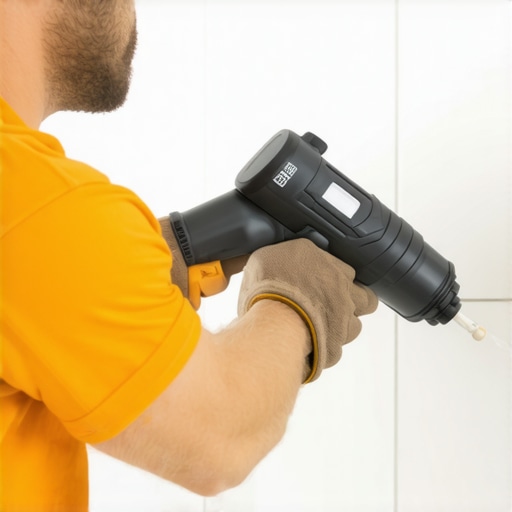
What I Wish I Knew Before Starting My Shower and Flooring Projects
One of the biggest lightbulb moments in my renovation journey was realizing that perfection comes not just from the tools, but from understanding the subtle intricacies of each step. For example, I underestimated how crucial it is to always measure twice and cut once, especially when working with delicate mosaic tiles or intricate baseboard corners. This lesson taught me patience and precision can save time—and tiles—in the long run.
Another insight was discovering that environmental conditions significantly influence the durability of installations. I didn’t fully appreciate how room humidity, temperature fluctuations, and surface prep could cause issues like tile cracking or baseboard gaps down the line. Educating myself on environmental factors helped me avoid costly repairs and made my projects last longer.
The third revelation was understanding the importance of proper sealing and maintenance from the start. Ignoring vapor barriers or neglecting grout sealing might seem like minor steps, but they are essential for preventing long-term water damage and mold growth. Small investments in quality materials and regular upkeep make a significant difference over time.
My Go-To Resources for Flawless Home Improvements
Whenever I need authoritative advice or fresh inspiration, I turn to trusted industry websites like TileCraftsMen for shower renovation ideas. Their comprehensive guides on modern designs help me elevate my space with stylish ideas that add both function and aesthetics. For precision in measuring and cutting, I use a laser level from a reputable supplier—it saves me hours of rework and ensures everything lines up perfectly.
When it comes to tools, I swear by my high-quality diamond-coated tools, which make smoothing rough edges and finishing corners effortless. For ongoing maintenance, I rely on products like professional-grade sealants. These small, but mighty, investments protect my work and keep my home looking sharp for years.
Lastly, I find that staying engaged with online communities and reading case studies helps me keep up with emerging techniques and best practices. Whether it’s a DIY blog about fixing stubborn leaks or a detailed guide on matching different flooring types, these resources continually push my craft forward.
Your Next Creative Step Starts Now
Embarking on your own shower, carpet, or flooring project is both an exciting and rewarding challenge. The key lies in embracing the learning process, mastering the subtle art of measurement and material selection, and committing to regular maintenance. Remember, your home is a canvas—each careful decision builds a space that reflects your personality and stand the test of time.
Don’t be afraid to start, experiment, and learn along the way. The satisfaction of transforming your space into a personal sanctuary is worth every effort. As you move forward, keep reminding yourself that every detail—down to how you scribe a baseboard or seal a shower niche—is an opportunity to hone your skills and create something truly special.
What innovative technique or tip has transformed your renovation approach? Share your story below—your experience might inspire someone else to take that first confident step.
,